
Is Bicarbonate of Soda Baking Soda Explained Simply

Yes, bicarbonate of soda is the same ingredient as baking soda in most recipes. The difference is mainly regional naming, but it still needs the right acid balance to work well in baking.
If you have ever wondered whether bicarbonate of soda is the same as baking soda, the short answer is yes. In everyday baking, they are the same ingredient: sodium bicarbonate.
- Same ingredient: Bicarbonate of soda and baking soda both mean sodium bicarbonate.
- Recipe balance matters: Baking soda needs acid to create lift and avoid off-flavors.
- Measure carefully: Small errors can cause flat, bitter, or soapy results.
- Not the same as baking powder: Baking powder already contains acid and is not a direct swap.
- Store dry and sealed: Moisture and odors can reduce quality over time.
What Bicarbonate of Soda Is and Why It’s Called Baking Soda
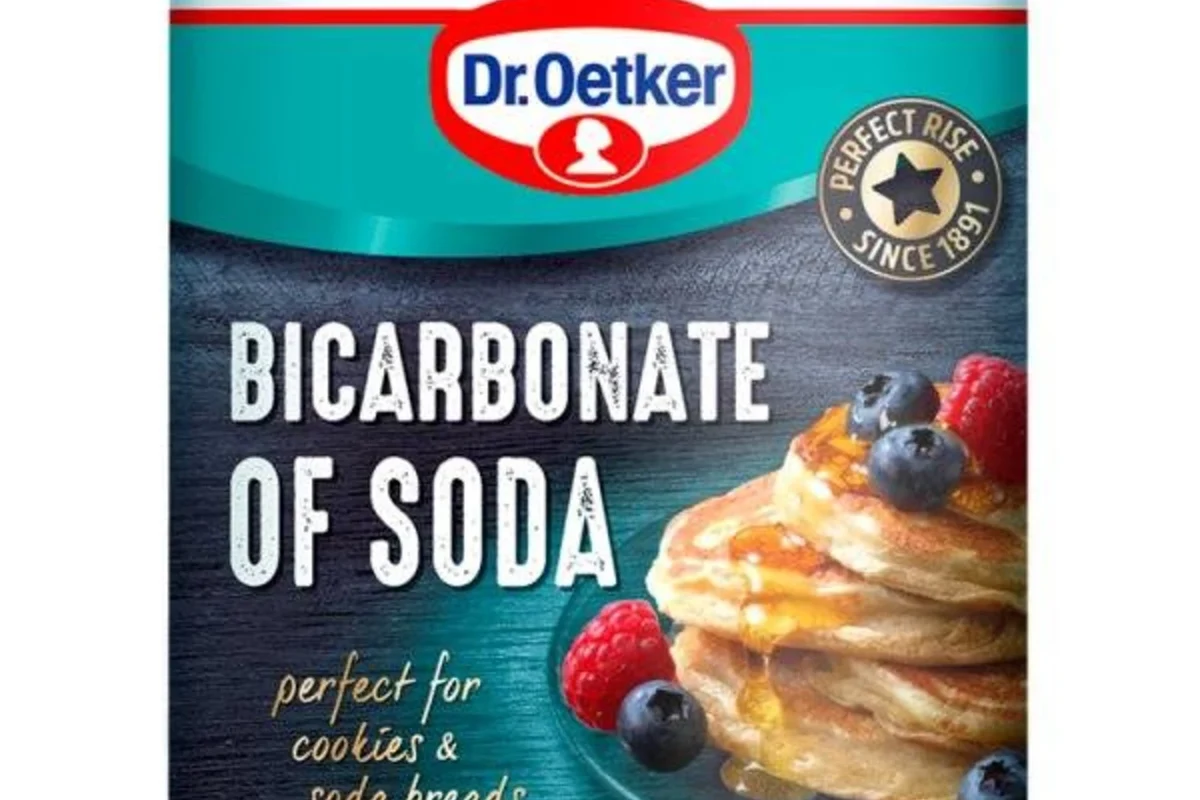
Bicarbonate of soda is the chemical name for sodium bicarbonate, a white alkaline powder used in cooking and cleaning. In the United States and Canada, most people call it baking soda, while in the UK, Ireland, Australia, New Zealand, and many other regions, bicarbonate of soda is the more common term.
The naming difference is mostly regional, not functional. On a recipe card, both terms usually point to the same pantry staple, which is why it helps to understand local wording before you start baking.
In the oven, sodium bicarbonate reacts in a predictable way. It needs heat and usually an acid to create carbon dioxide gas, which helps batter rise and gives baked goods a lighter crumb.
Chemical name, common name, and regional naming differences
The chemical name is sodium bicarbonate. The common baking name depends on where you live and what the recipe writer is used to saying.
That matters because some recipes written for one region may use “bicarbonate of soda,” while others simply say “baking soda.” If you are reading an international recipe, the ingredient is usually the same unless the recipe specifically says otherwise.
How sodium bicarbonate behaves in heat and with acids
Baking soda is an alkaline ingredient. When it meets an acid such as yogurt, buttermilk, lemon juice, or natural cocoa, it starts producing bubbles of carbon dioxide that expand in the oven.
Heat helps that reaction finish and set the structure of the batter. If there is not enough acid, or if too much baking soda is used, the result can taste harsh or leave a soapy aftertaste.
Is Bicarbonate of Soda Baking Soda in Everyday Baking?
Yes, in everyday baking the two terms usually mean the same thing. If a recipe says bicarbonate of soda, you can generally use baking soda from the grocery shelf without changing the measurement.
This is especially true for home baking recipes where the ingredient list is written in plain language. It is also why a lot of bakers treat the terms as interchangeable unless a recipe includes a different leavening agent.
When the two terms mean the same ingredient
They mean the same ingredient when the recipe is referring to sodium bicarbonate for leavening, browning, or acidity control. That includes most standard cakes, cookies, muffins, and quick breads.
For example, a chocolate cookie recipe may use baking soda to help spread and brown the dough. A banana bread recipe may use it to lift a dense batter that contains acidic fruit or sour dairy.
Examples from cakes, cookies, muffins, and quick breads
In cakes, baking soda often works alongside an acidic ingredient to create a finer, softer crumb. In cookies, it can encourage browning and a slightly more spread-out shape.
Muffins and quick breads often rely on it for a quick rise without yeast. If you want a broader look at ingredient behavior in recipes, our guide on is baking soda and baking powder the same explains why the two are not interchangeable even though they are both leaveners.
Where confusion happens with baking powder and self-raising flour
Confusion usually starts when a recipe calls for baking soda but the baker only has baking powder, or when self-raising flour is involved. Baking powder already contains an acid, while self-raising flour includes a leavening component blended into the flour.
That means you cannot swap them one-for-one without adjusting the rest of the recipe. If you are unsure about a swap, it is safer to check a trusted conversion guide such as our article on using baking soda instead of baking powder safely before changing the formula.
Recipe wording can vary by country, brand, and publication style. When in doubt, check whether the ingredient list is asking for sodium bicarbonate, baking powder, or self-raising flour, because those are not the same thing.
How Baking Soda Works in Recipes
Baking soda does more than make batter rise. It helps manage acidity, influences color, and can improve browning through the Maillard reaction and caramelization in the right recipe.
That is why a batter with the correct amount of baking soda often looks smoother, bakes more evenly, and finishes with a better golden color than one that is under- or over-balanced.
Acid balance, leavening, and browning
Acid balance is the key. If the recipe contains enough acid, baking soda releases gas at the right pace and the baked good rises without a harsh flavor.
It also raises pH slightly, which can deepen browning. That is one reason chocolate cakes, ginger cookies, and molasses-based bakes often use it.
Typical ingredients that activate it: yogurt, buttermilk, lemon, cocoa, molasses
Common activating ingredients include yogurt, buttermilk, sour cream, lemon juice, vinegar, natural cocoa, and molasses. These ingredients bring the acidity baking soda needs to work properly.
Natural cocoa is especially useful because it is more acidic than Dutch-processed cocoa. Molasses and brown sugar can also support browning and flavor, which is why old-fashioned spice cakes and gingerbread often contain baking soda.
Baking soda begins reacting as soon as it meets moisture and acid, so batters that sit too long can lose some lift before they ever reach the oven.
What happens if a recipe has too much or too little
Too much baking soda can make a cake taste bitter, metallic, or soapy. It may also cause the batter to rise too fast and then collapse, leaving a coarse or sunken center.
Too little baking soda can leave baked goods dense, pale, and less tender than expected. In some recipes, the flavor can also seem flat because the batter never reaches the right balance of acid and alkalinity.
How to Measure and Substitute Baking Soda Correctly
For most home baking, baking soda should be measured carefully by teaspoon or fraction of a teaspoon. It is a strong ingredient, so a small measuring error can change texture and flavor more than many beginners expect.
If you are comparing ingredient behavior across recipes, it can help to also review the basic chemistry in our article about the baking soda and vinegar reaction explained simply, since the same gas-producing principle is at work in the oven.
Measuring by teaspoon and avoiding packing errors
Scoop the soda lightly or spoon it into a dry measuring spoon, then level it off. Do not pack it down like brown sugar, because packed powder can lead to too much leavening.
Use clean, dry spoons and avoid measuring over a steaming pot or damp bowl. Moisture can affect the powder and make the measurement less accurate over time.
Simple substitution rules when a recipe calls for bicarbonate of soda
If a recipe calls for bicarbonate of soda, you can usually use the same amount of baking soda. The name is different, but the ingredient is the same.
If the recipe is written in metric or from a different region, still read the rest of the formula carefully. The amount may be sized for a specific flour type, acidity level, or pan shape, so changing the ingredient name alone is not the only thing that matters.
Why substitutions are not always interchangeable with baking powder
Baking powder and baking soda serve different jobs. Baking powder contains both an acid and a base, so it can lift a recipe even when the batter has little natural acidity.
Baking soda needs an acid partner. If you swap one for the other without adjusting the recipe, the texture and flavor can shift in ways that are hard to fix after mixing.
Common Baking Mistakes When Using Baking Soda
Most baking soda problems come from timing, measuring, or ingredient balance. The ingredient itself is simple, but the recipe around it needs to be right.
Flat, soapy, or metallic-tasting results
A flat bake often means the soda was old, under-measured, or not properly activated by acid. A soapy or metallic taste usually points to too much baking soda or uneven mixing.
If the top browns quickly but the center stays dense, the batter may have risen too fast and then collapsed. That can happen when the leavening is too strong for the batter’s structure.
Overmixing, old ingredients, and poor acid balance
Overmixing can make muffins and quick breads tougher because it develops gluten too much. Even when the chemistry is correct, a batter that is mixed aggressively may still bake up with tunnels or a chewy texture.
Old baking soda can also lose effectiveness if it has absorbed moisture or odors from the pantry. And if the recipe does not contain enough acid, the soda may not fully react, leaving a dull flavor or uneven crumb.
Your muffins look pale and taste a little sharp or bitter.
Check the measurement first, then confirm that the recipe has enough acidic ingredients to balance the soda. If the recipe is low-acid, it may need baking powder instead, or a revised formula.
Practical troubleshooting examples for home bakers
If cookies spread too much and taste alkaline, reduce the baking soda slightly next time and check whether the flour was measured correctly. If a chocolate cake is too dense, make sure the cocoa type matches the recipe, since natural and Dutch-processed cocoa behave differently.
For banana bread, look at ripeness and moisture as well as leavening. Very ripe bananas add sweetness and acidity, but too much mashed fruit can also weigh the loaf down if the structure is not supported well.
Storage, Shelf Life, and Safety for Baking Soda in the Kitchen
Baking soda is stable, but it still stores best in a cool, dry place. Keep it sealed so it does not pick up odors from onions, spices, or cleaning products in the pantry.
If you also use it for non-food cleaning, keep a separate box for kitchen baking. That avoids contamination and helps you know exactly which container is safe for food use.
How to store it for freshness and odor control
Store baking soda in a tightly closed container away from humidity. A pantry shelf is usually better than a cabinet near the stove, dishwasher, or sink, where steam can shorten its useful life.
Because baking soda absorbs odors, it can also absorb nearby smells. That is useful for cleaning, but it is not ideal for ingredient quality if the box is left open.
How to test whether it still works
A simple freshness test is to add a small amount of baking soda to a little vinegar or another acidic liquid. If it fizzes strongly, the soda is still active enough for most baking uses.
For a more recipe-relevant check, remember that freshness is only one part of the equation. The recipe still needs the correct acid balance, mixing method, and oven temperature to rise properly.
Do not confuse food-grade baking soda with cleaning products that contain added detergents or fragrances. For baking, use a product labeled for food use and keep it away from anything that could contaminate ingredients.
Food-use safety, cleaning-use confusion, and contamination risks
Food safety here is mostly about label reading and storage. If a box has been used for cleaning or placed near harsh chemicals, it should not be treated like an ingredient for cakes or cookies.
For broader food safety questions, follow recognized guidance from official sources such as the FDA or USDA, especially when a recipe also involves eggs, dairy, or other perishable ingredients. Baking soda itself is not the main risk; contamination and poor handling are the bigger concerns.
Final Verdict: When to Use the Term Bicarbonate of Soda and When to Say Baking Soda
The simplest answer is this: bicarbonate of soda and baking soda are the same ingredient in everyday baking. Use the term that matches your region, but read the recipe for the job the ingredient is meant to do.
If you are shopping or baking in 2026, the best practice is to verify the ingredient label, not just the name on the box. That matters most when a recipe also calls for baking powder, self-raising flour, or a specific cocoa type.
For home bakers, the safest approach is straightforward: measure carefully, match the soda to an acidic ingredient when needed, and do not assume all leaveners are interchangeable. If you want to avoid common mistakes, keep a fresh box on hand and check the recipe’s acid balance before you mix.
Use bicarbonate of soda and baking soda as the same ingredient in most recipes, but always confirm whether the formula also depends on acid, baking powder, or self-raising flour. When the recipe is balanced, baking soda helps with rise, browning, and texture; when it is not, it can leave a flat or bitter result.
Frequently Asked Questions
Yes, in everyday baking they usually mean the same ingredient: sodium bicarbonate. The main difference is regional naming, not function.
Yes, if the recipe calls for bicarbonate of soda, baking soda is generally the same ingredient and the same amount is used. Always check the rest of the recipe for acid balance and other leaveners.
Too much baking soda can create a soapy, bitter, or metallic taste. It can also cause the batter to rise too fast and then collapse.
You can test it by adding a small amount to vinegar or another acid and looking for a strong fizz. If it barely reacts, replace it.
Baking soda needs acid to release carbon dioxide gas, which helps the batter rise. Common acids include yogurt, buttermilk, lemon juice, cocoa, and molasses.
Not always. Baking powder already contains acid, so it behaves differently and usually cannot be swapped in without adjusting the recipe.