
Baking Soda for Tomato Sauce Tips to Fix Acidity Fast

Baking soda can quickly reduce acidity in tomato sauce when you use only a small amount and taste as you go. Add it near the end of simmering, because too much can flatten the flavor and change the sauce’s texture.
Too much sharpness in tomato sauce can throw off an entire dish, but baking soda can correct it quickly when you use it carefully. This guide explains how the baking soda reaction works in sauce, how much to add, and when a different fix is the better choice.
- Start small: Use a pinch first, then adjust in tiny steps.
- Stir and wait: Let foaming settle before tasting again.
- Watch balance: Too much baking soda can make sauce flat or soapy.
- Know the limits: Burnt or poorly seasoned sauce may need more than acidity correction.
- Store safely: Refrigerate leftovers promptly and reheat gently.
Why Tomato Sauce Gets Too Acidic and How Baking Soda Changes the Flavor
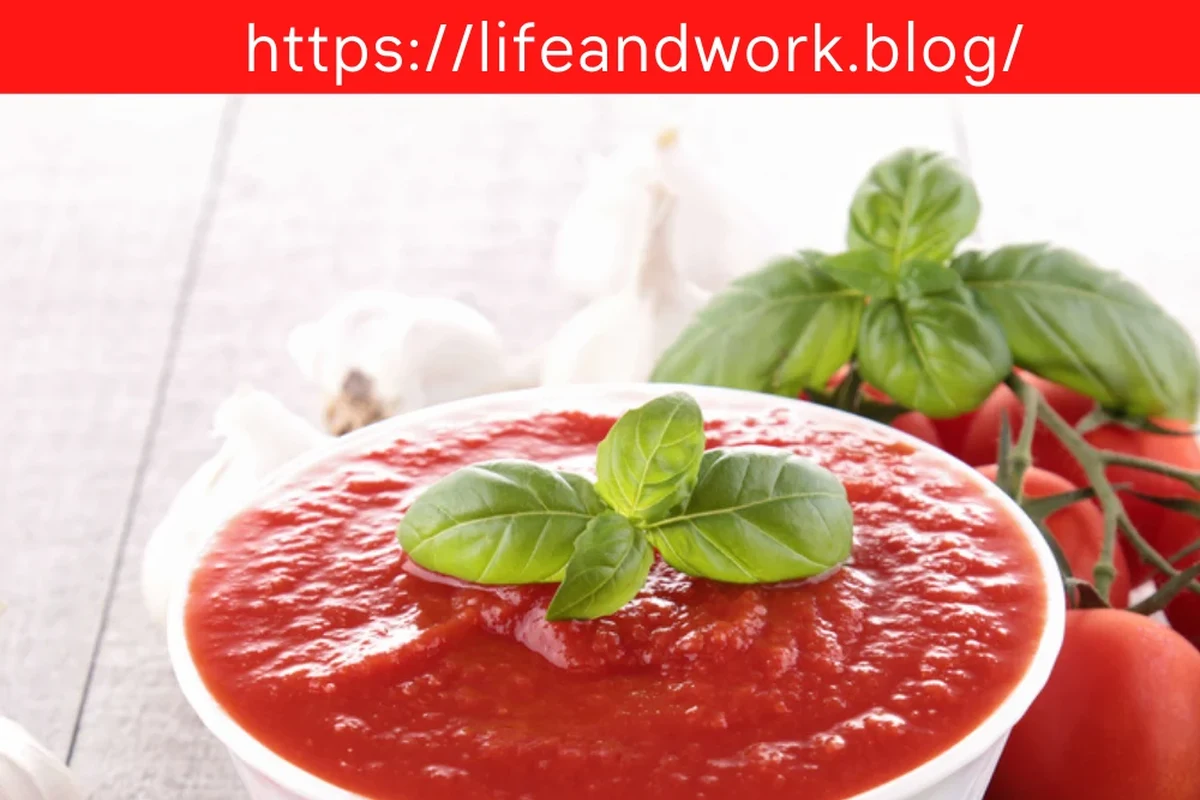
Tomatoes naturally contain acids, especially citric and malic acids, and some brands or harvests taste brighter than others. That acidity can become more noticeable after long simmering, when water cooks off and the sauce concentrates.
In practical kitchen terms, an acidic sauce may taste sharp, thin, or slightly harsh at the back of the mouth. A small amount of baking soda, which is sodium bicarbonate, helps neutralize some of that excess acid so the sauce tastes smoother.
The science of acidity in tomatoes
Acidity is one reason tomatoes taste fresh, but it can also overpower herbs, garlic, onion, and cheese if the balance is off. Jarred sauces, canned tomatoes, and some fresh tomatoes can all vary a lot in pH and flavor intensity depending on the variety, processing, and ripeness.
When sauce simmers, the liquid evaporates and the remaining solids become more concentrated. That means a sauce that tasted fine at the start can taste much sharper after 20 to 40 minutes of cooking, depending on the recipe and pan size.
How baking soda neutralizes excess acid without turning the sauce flat
Baking soda works because it reacts with acid and reduces the sour edge. Used in a small amount, it can make tomato sauce taste rounder without making it sweet.
The key is restraint. Too much baking soda can push the sauce past balanced and leave it dull, slightly soapy, or oddly salty because sodium bicarbonate adds sodium as well as alkalinity.
Even a tiny amount of baking soda can trigger visible bubbling in tomato sauce because it releases carbon dioxide as it neutralizes acid.
How Much Baking Soda to Use in Tomato Sauce
Start with the smallest amount that could help, then taste again after the sauce settles. Exact needs vary by tomato brand, batch size, and how acidic the sauce already tastes.
Starting measurements for small, medium, and large batches
For a small pot, begin with a pinch, about 1/8 teaspoon or less. For a medium batch, 1/4 teaspoon is often a cautious starting point, and for a larger batch you may need a little more, but add it in stages rather than all at once.
The safest approach is to sprinkle in a small amount, stir well, wait for the foaming to calm, then taste. If the sauce still tastes too sharp, repeat with another tiny pinch instead of jumping to a full teaspoon.
Measurements are starting points, not guarantees. The right amount depends on the acidity of the tomatoes, the total volume of sauce, and how much the sauce has reduced.
Signs you’ve added too much and how to recover the sauce
If the sauce starts tasting flat, salty, or slightly chemical, you may have gone too far. Another clue is when the tomato flavor seems muted and the sauce loses its bright, clean finish.
To recover, add more tomato product, a splash of unsalted stock, or a little water if the sauce is too concentrated, then simmer briefly and taste again. If needed, a small amount of acid such as lemon juice or vinegar can restore balance, but add it very carefully so you do not swing the flavor too far in the other direction.
The sauce tastes flat after adding baking soda.
Use a little more tomato, broth, or water to rebalance, then season again with salt and herbs before considering any acid correction.
Step-by-Step Method for Fixing Tomato Sauce with Baking Soda
The goal is to correct acidity without changing the sauce’s texture or making it taste processed. A slow, controlled adjustment gives you the best chance of keeping the sauce bright and savory.
When to add it during simmering
Add baking soda after the sauce has already simmered long enough for the main flavors to develop. If you add it too early, you may correct acidity before the sauce has fully reduced, which can make the final flavor harder to judge.
For a sauce that is already finished, you can still add it near the end of cooking. Just allow a minute or two of gentle simmering after the addition so the flavor settles before the final taste test.
How to stir, taste, and adjust safely
Sprinkle in a pinch of baking soda rather than dumping it in all at once.
Mix well so the soda disperses evenly through the sauce and does not leave a bitter pocket.
Wait for the foaming to slow, then simmer briefly so the sauce returns to a normal texture.
Check the sauce after it cools slightly on the spoon, because very hot sauce can mask sharpness and sweetness.
Use a clean spoon for every taste test. Cross-contamination from a used spoon can introduce crumbs, dairy, or other ingredients that change the flavor and shorten storage life.
What to do if the sauce foams or bubbles up
Foaming is normal because baking soda releases gas when it meets acid. Use a deeper pot than you think you need, and lower the heat while you stir so the sauce does not spill over.
If the foam rises quickly, remove the pan from the heat for a moment and let the bubbles collapse before continuing. A vigorous boil is not necessary; gentle simmering is usually enough for the reaction to finish and the flavor to stabilize.
Hot tomato sauce can splatter when baking soda is added. Keep your face and hands back from the pot, and use a long spoon or spatula to stir.
Best Situations for Using Baking Soda in Tomato Sauce
Baking soda is most useful when the problem is clearly excess acidity, not when the sauce simply needs better seasoning. It is a fast fix, but it is not a cure for every flavor issue.
Store-bought jarred sauce that tastes sharp
Jarred sauce can taste overly bright, especially if it is low in fat or heavily seasoned with tomato paste. A small pinch of baking soda can soften that edge quickly without changing the basic structure of the sauce.
This is especially helpful on busy weeknights when you want dinner on the table fast. If you are also adjusting the seasoning, add salt and herbs after the acidity is under control so you can judge the final balance more accurately.
Homemade sauce made from highly acidic tomatoes
Fresh tomatoes vary a lot in sweetness and acidity, so a homemade sauce can turn out sharper than expected. This is common with early-season tomatoes, underripe fruit, or canned tomatoes that are naturally more acidic.
If the sauce includes onion, garlic, and olive oil, a tiny amount of baking soda can help those flavors come forward. The sauce may also darken slightly and thicken as the acid level drops, which can make it seem more rounded on the palate.
When baking soda is better than sugar, butter, or cream
Some cooks reach for sugar first, but sugar mainly hides sourness rather than neutralizing it. Butter or cream can soften the edge too, yet they also change the sauce into a richer, heavier style.
Baking soda is a better choice when you want to keep the sauce tomato-forward and avoid adding dairy or extra sweetness. It is often the quickest fix when the goal is balance, not a new flavor profile.
- Fast way to reduce harsh acidity
- Works in small batches and large pots
- Does not add sweetness or dairy
- Too much can flatten flavor
- Can foam up quickly
- Adds sodium to the sauce
Common Mistakes That Can Ruin the Sauce
The most common problems come from overcorrecting. Tomato sauce is forgiving, but it is still easier to add a little more than to fix a sauce that has been pushed too far.
Adding too much at once
Dumping in a large spoonful can cause a strong chemical reaction and leave the sauce with an off taste. It also makes it much harder to know whether the sauce needs more salt, more simmering, or simply time to mellow.
Use pinches or very small measured amounts, especially if you are working with a sauce that has already reduced a lot. The more concentrated the sauce, the less baking soda you usually need.
Using baking soda to mask poor seasoning or overcooked tomatoes
If the sauce tastes bland because it lacks salt, garlic, onion, or herbs, baking soda will not solve that. It can only reduce acidity; it cannot rebuild flavor that was never developed.
Likewise, if tomatoes were cooked so long that they taste dull or muddy, the problem may be overcooking rather than acidity. In that case, a fresh herb finish, a little olive oil, or even a new batch may work better than more baking soda.
Forgetting that salt, herbs, and fat also affect perceived acidity
Perceived sourness is not just about pH. Salt can make tomato flavor taste fuller, herbs can add aroma that distracts from sharpness, and fat can smooth the mouthfeel.
That is why the best sauce fix is often a combination of small adjustments, not one dramatic change. If you are interested in how different ingredients change a kitchen reaction, see our guide to how baking soda differs from baking powder and why each one behaves differently in cooking.
Flavor, Texture, and Nutrition Considerations
Baking soda can solve a flavor problem, but it can also change how the sauce looks and feels. Understanding those side effects helps you decide whether it is the right tool for the job.
How baking soda can change color, body, and simmering behavior
Reducing acidity can make tomato sauce look a little darker or less bright red, depending on the ingredients and cook time. It may also seem thicker because the sauce’s texture and surface behavior change as the acid level drops.
The simmer itself may calm down once the reaction finishes. That is normal, and it does not mean the sauce has stopped cooking; it simply means the acid-neutralizing reaction has mostly completed.
How it compares with other acid-balancing methods
Sugar is the most common alternative, but it works by making sourness less noticeable rather than neutralizing it. Butter, cream, or cheese can also mellow a sauce, though they shift the dish toward a richer style and may not fit every recipe.
If you want the cleanest correction with the least flavor drift, baking soda is often the most direct fix. If you want a richer, softer sauce for pasta or baked dishes, a little fat may be the better choice.
Best when the sauce is too sharp and you want a fast, neutralizing fix.
Best when the sauce is slightly sour and you want a sweeter finish.
Best when you want a richer, smoother sauce style.
What home cooks should know about sodium content
Baking soda adds sodium, so it is not a free adjustment from a nutrition standpoint. The amount used for a pot of sauce is usually small, but if you are cooking for someone watching sodium intake, it still matters.
Also, if the sauce already contains salted tomatoes, broth, cheese, or cured meat, the total sodium can add up quickly. For that reason, taste before adding extra salt after you have corrected acidity.
If you are cooking for dietary restrictions, read product labels and follow guidance from a qualified professional when needed. Ingredient brands and sodium levels can vary more than many home cooks expect.
Storage, Reheating, and Safety Tips After Adjusting the Sauce
Once the sauce is balanced, treat it like any other cooked tomato sauce. The flavor may continue to shift a little as it rests, so tasting again later is worth it.
How flavor can shift after chilling and reheating
Tomato sauce often tastes slightly different after it cools because sweetness, salt, and acidity are perceived differently at lower temperatures. A sauce that seemed perfect in the pot may taste a little sharper or flatter after refrigeration.
When reheating, warm it gently and stir well before making any further adjustment. If you need to add more baking soda after chilling, use even less than before, because the sauce is already partially balanced.
Safe storage for leftover sauce and batch cooking
Cool the sauce promptly and refrigerate leftovers in a covered container. For food safety, follow USDA or FDA-style guidance for prompt refrigeration and safe reheating practices, especially if the sauce will be stored in large batches.
When batch cooking, divide large pots into smaller containers so they cool faster. Avoid leaving sauce out for long periods, and reheat only the amount you plan to use if possible.
- Use a deep pot to handle foaming safely
- Measure baking soda in small pinches
- Taste after the sauce settles, not during active bubbling
- Keep salt and seasoning adjustments separate from acidity fixes
When Baking Soda Is the Right Fix and When to Start Over
Baking soda is the right choice when the sauce is basically good but too sharp. It is less helpful when the sauce has deeper problems such as burnt flavor, underdeveloped seasoning, or a texture that cannot be corrected with a small adjustment.
Decision cues for rescuing a sauce versus rebuilding it
Rescue the sauce if it tastes like tomato sauce but with an unpleasant acidic edge. Start over if it tastes burnt, bitter, muddy, or severely over-reduced, because those flaws usually need more than acid correction.
If the sauce is only slightly off, a tiny amount of baking soda can save time and ingredients. If it needs major rebuilding, beginning with a fresh batch may give you a better final result and less frustration.
Practical recap for choosing the fastest acidity fix
For most home cooks, the best method is simple: simmer the sauce, add a tiny pinch of baking soda, stir, wait, and taste again. Repeat only if needed, and stop as soon as the sauce tastes balanced rather than flat.
Used carefully, baking soda for tomato sauce is one of the fastest ways to fix acidity without changing the dish into something else. If you want the sauce to stay bright, savory, and clean-tasting, small adjustments are the key.
Use baking soda when tomato sauce is too sharp and you want a quick, low-effort correction. Add it in tiny amounts, taste as you go, and stop early so the sauce keeps its tomato flavor and does not turn flat.
Frequently Asked Questions
Start with a pinch for a small pot, about 1/4 teaspoon for a medium batch, and adjust in very small amounts. The right amount depends on how acidic the tomatoes are and how much the sauce has reduced.
Add it after the sauce has simmered enough for the main flavors to develop. Stir well, let the foaming settle, then taste before adding more.
Yes, if you add too much. Too much baking soda can mute the bright tomato flavor and leave the sauce tasting dull or slightly soapy.
Baking soda is better when you want to neutralize acidity directly. Sugar only hides sourness, while baking soda changes the chemistry of the sauce.
Foaming happens because baking soda reacts with the acids in the sauce and releases carbon dioxide. Use a deep pot, lower the heat, and stir carefully to prevent overflow.
Yes, store it the same way you would any cooked sauce: cool it promptly, refrigerate it in a covered container, and reheat it gently. Taste again after reheating because the balance can shift a little.