
Baking Soda and Vinegar for Clogged Shower Drain Guide
Baking soda and vinegar can help with a lightly clogged shower drain, but it is not strong enough for a full blockage. Use it as a first step, then switch to a plunger, drain snake, or plumber if the drain does not improve.
If your shower is draining slowly, baking soda and vinegar can be a low-cost first step for a minor clog. It is not a cure-all, but it can help loosen soap scum, reduce odors, and improve flow when the blockage is still light.
- Best use: Works mainly for light buildup, odors, and slow draining.
- Main limit: It usually will not clear packed hair clogs or fully blocked drains.
- Simple method: Use baking soda first, then vinegar, wait, and flush carefully.
- Safety first: Do not mix with chemical drain cleaners or force hot water into uncertain pipes.
- Next step: If there is no real improvement after two tries, use a physical tool or.
Why Baking Soda and Vinegar Are Popular for a Clogged Shower Drain
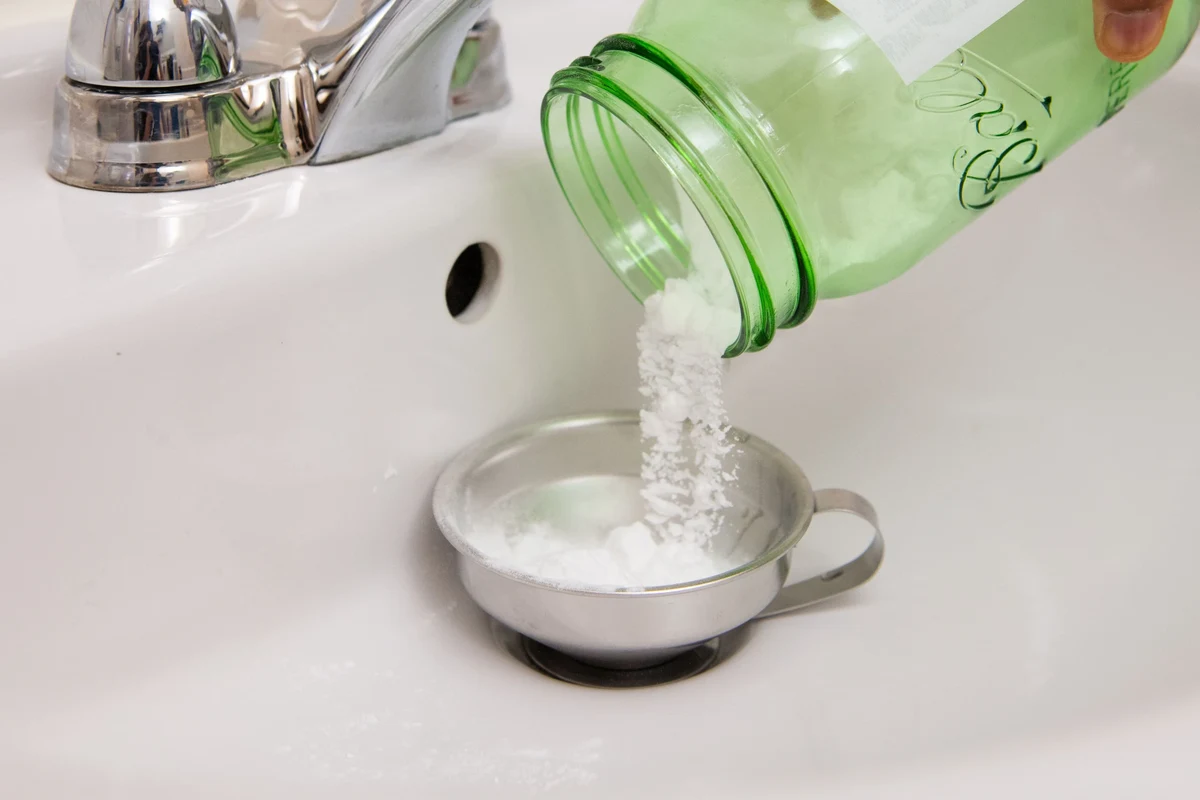
This DIY method stays popular because it is simple, inexpensive, and easy to try before reaching for harsher products. It is also appealing to people who want to avoid strong chemical drain cleaners unless they truly need them.
The basic idea is familiar from kitchen science: baking soda is alkaline, vinegar is acidic, and together they create a fizzing reaction. If you want a clearer breakdown of that reaction, our guide on the baking soda and vinegar reaction explained simply covers the chemistry in plain English.
What this DIY method can and cannot do in real drain clogs
This mixture can help break up light buildup on the sides of the pipe, especially when the clog is made of soap residue and small amounts of hair. The bubbling can also help dislodge loose debris near the drain opening.
What it usually cannot do is cut through a dense hair mat or a deep blockage far down the line. If water is barely moving at all, the problem is often more mechanical than chemical.
Why homeowners still search for this approach in 2026
People still search for baking soda and vinegar because it feels safer than pouring a harsh cleaner into pipes. It is also a common maintenance habit for households that want to keep drains fresher between deeper cleanings.
This method is best thought of as a light maintenance fix, not a guaranteed clog remover. Results depend on the type of buildup, how long the clog has been forming, and whether the pipe is partly or fully blocked.
How Shower Drain Clogs Form in the First Place
Shower drains usually clog slowly. The buildup happens a little at a time, which is why a drain can seem fine one week and sluggish the next.
Hair, soap scum, body products, and hard-water buildup
Hair is the biggest culprit in many shower drains because it tangles and catches everything else. Soap scum, conditioner, shaving cream, and body wash can coat the hair and create a sticky mass.
In homes with hard water, minerals can make the inside of the pipe rougher and more likely to hold onto buildup. That is one reason the same drain can clog faster in one house than another.
Baking soda works best as a mild abrasive and odor neutralizer, while vinegar helps loosen some mineral and soap residue. Neither ingredient replaces a physical tool when hair is the main blockage.
Signs the clog is minor versus a deeper plumbing issue
A minor clog usually shows up as slower draining, a little gurgling, or water pooling briefly around your feet. You may also notice a musty smell coming from the drain.
A deeper issue is more likely if multiple fixtures drain slowly, if water backs up repeatedly, or if the shower drain is completely sealed. Those signs can point to a larger plumbing problem beyond the shower itself.
What You Need Before Trying the Baking Soda and Vinegar Method
You do not need special equipment, but a little preparation makes the process cleaner and more effective. The goal is to remove loose debris first, then let the mixture work on the remaining buildup.
Exact materials, measurements, and basic safety gear
A common starting point is 1/2 cup of baking soda followed by 1 cup of white vinegar. That ratio is simple to measure and usually provides enough fizz for a standard shower drain opening.
Rubber gloves are helpful if you need to pull out visible hair or soap buildup. A funnel can also help keep the powder from sticking to the drain rim.
If you have recently used a chemical drain cleaner, do not add vinegar or any other cleaner until the line has been thoroughly flushed according to the product label. Mixing products can create dangerous fumes or heat.
When to skip the method because of standing water or pipe concerns
If the shower has standing water that will not drain at all, this method may not reach the clog well enough to matter. In that case, a plunger or drain snake is often a better first move.
Also skip boiling water if you are unsure about your plumbing materials. Some pipes, seals, or older fixtures can be sensitive to extreme heat, so it is better to verify what your system can handle before pouring hot water down the drain.
Step-by-Step Guide to Using Baking Soda and Vinegar for a Clogged Shower Drain
Work slowly and keep the drain area clear. The method is simple, but the order matters if you want the ingredients to reach the clog instead of sitting on top of hair and grime.
Remove the drain cover if possible and pull out any visible hair or debris by hand or with a drain tool. This gives the mixture a better path into the pipe.
Pour about 1/2 cup of baking soda directly into the drain. Try to get it as far down the opening as possible instead of letting it sit on the rim.
Pour 1 cup of white vinegar into the drain immediately after the baking soda. The fizzing reaction starts right away, so do not wait between ingredients.
Leave the mixture in place for about 15 to 30 minutes. For a slightly tougher clog, some homeowners let it sit longer, but this still will not replace mechanical removal if the drain is badly blocked.
Rinse the drain with hot water if your plumbing can safely handle it. The flush helps carry loosened residue through the pipe and shows whether flow has improved.
Preparing the drain and removing visible debris
Start with the simplest step: remove what you can see. Hair wrapped around the drain cover or just below the opening can block the mixture before it reaches the buildup underneath.
If the drain cover lifts off easily, clean it separately so old residue does not fall back into the pipe. This small step often improves the result more than people expect.
Measuring baking soda and vinegar for best results
Use enough baking soda to coat the drain opening, then add vinegar in a larger amount so the reaction has room to foam. Too little baking soda may not create much action, while too much vinegar can dilute the effect and wash the soda away too quickly.
For a standard shower drain, the 1/2 cup and 1 cup starting point is a practical balance. If the drain is larger or the buildup is heavier, you may need a second round rather than a much bigger first dose.
How long to let the mixture sit and when to flush with hot water
Give the mixture time to work, but do not assume longer is always better. Once the fizzing slows, the active reaction is mostly finished.
After 15 to 30 minutes, flush with hot water if your plumbing allows it. If the water still drains slowly, repeat once or move to a physical tool instead of endlessly adding more mixture.
What Results to Expect and How to Judge Success
Success is usually modest, not dramatic. The best outcome is a drain that runs faster, smells fresher, and no longer pools as much around your feet.
Drain speed changes, bubbling action, and odor reduction
The bubbling is a sign that the ingredients are reacting, but it is not proof that the clog is gone. What matters more is whether the water level drops faster after the flush.
Odor reduction is another useful sign, especially in drains that smell stale from soap and moisture. If the smell improves but the drain still moves slowly, the method helped somewhat but did not fully clear the line.
When one treatment is enough and when a repeat attempt makes sense
One treatment may be enough if the drain was only slightly sluggish and the flow improves right away. That is the best-case use for this method.
A second attempt can make sense if the drain is close to clear but still not moving well. If there is no noticeable change after two tries, it is usually time to stop and use a different approach.
Common Mistakes That Make This Drain-Cleaning Method Less Effective
Most failures come from either poor prep or unrealistic expectations. The mixture is simple, but it still needs the right conditions to do anything useful.
Using too much vinegar, too little baking soda, or the wrong water temperature
More vinegar does not automatically mean better cleaning. If the ratio is too acid-heavy, the reaction can be less controlled and may not stay in contact with the clog long enough.
Water that is too cold may not help loosen greasy residue, while water that is too hot may be unsafe for some plumbing setups. The right temperature depends on the pipes and fixtures in your home.
Mixing it with chemical drain cleaners or ignoring a full blockage
Never combine this method with chemical drain cleaners. If a product is already in the drain, wait and follow the label instructions before trying anything else.
It is also a mistake to keep repeating baking soda and vinegar when the drain is fully blocked. At that point, a plunger, snake, or plumber is usually the smarter next step.
Wear gloves, keep your face back from the drain while pouring, and ventilate the bathroom if you are sensitive to strong smells. Even a simple DIY cleaner can splash back when a clog is close to the surface.
Safer and More Effective Alternatives for Stubborn Shower Drain Clogs
If the clog is more than a light buildup, physical removal is usually more effective than chemistry alone. That is especially true for hair-based clogs in shower drains.
Plungers, drain snakes, and hair removal tools
A cup plunger can help move a partial blockage if you can create a decent seal around the drain. A drain snake or flexible hair-removal tool can reach deeper and pull out the material directly.
These tools are often the best option when the problem is hair wrapped around soap residue. If you want a broader look at drain maintenance habits, our article on clean drains with vinegar and baking soda explains where this approach fits into routine cleaning.
When to call a plumber instead of continuing DIY attempts
Call a plumber if the clog keeps returning, if several drains are slow, or if you suspect a deeper line issue. Repeated backups can indicate a venting problem, pipe damage, or a blockage beyond the shower drain.
If you are unsure whether the problem is local or part of a larger system, it is better to stop early than to force more cleaners into the pipe. That keeps the situation safer and often saves time.
- Cheap and easy to try
- Can help with light soap and odor buildup
- Uses common household ingredients
- Usually weak against heavy hair clogs
- Not a fix for fully blocked drains
- Can be ineffective if used with the wrong ratio or sequence
Final Verdict: When Baking Soda and Vinegar Is Worth Trying for a Shower Drain
Baking soda and vinegar is worth trying when the shower drain is only mildly slow, the clog seems close to the surface, and you want a low-cost first step. It is especially useful as a maintenance habit between deeper cleanings.
Best-use cases for a quick, low-cost maintenance fix
This method makes the most sense for fresh buildup, mild odors, and drains that are still moving water, just not quickly. It is also a reasonable option when you want to avoid stronger cleaners unless they are truly needed.
Recap of limitations, safety concerns, and the smartest next step
If the drain is fully blocked, repeatedly backing up, or still slow after two careful attempts, move to a plunger, drain snake, or plumber. For most homeowners, that is the smartest way to avoid wasting time and to prevent damage from mixing products or forcing the issue.
Do not rely on baking soda and vinegar as your only solution for recurring clogs. A persistent shower drain problem usually needs physical removal or professional inspection.
Frequently Asked Questions
A common starting point is 1/2 cup of baking soda followed by 1 cup of white vinegar. The exact amount can vary by drain size and how heavy the buildup is.
Usually no. If water is barely moving or not draining at all, a plunger or drain snake is more effective.
Let it sit for about 15 to 30 minutes before flushing with hot water if your plumbing can handle it. Longer waiting does not always mean better results.
No. Do not mix them with chemical drain cleaners, and follow the product label if one has already been used in the drain.
You can try one more careful round if the drain is only partially improved. If there is no real change, move to a physical tool or call a plumber.
It depends on the pipe material and fixture setup. If you are unsure, avoid boiling water and check what your plumbing can safely handle.
