
How to Roast Nuts in an Air Fryer: A Simple Method for Even, Crisp Results
If you want roasted nuts fast, the air fryer is one of the most practical tools in the kitchen. It gives you quick browning, good control, and small-batch convenience without heating the whole oven. The trade-off is that nuts can go from lightly toasted to overdone very quickly, so the method needs attention.
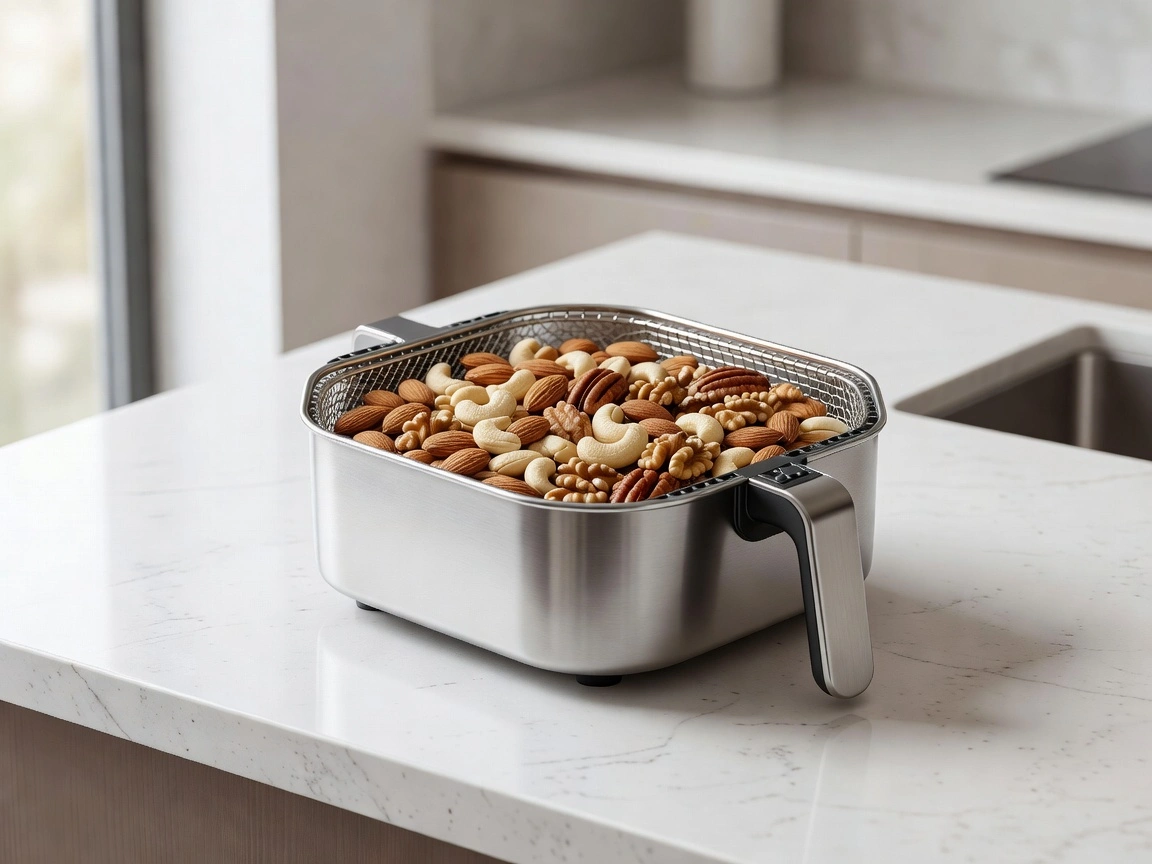
Here is the basic approach: keep the nuts in a single layer, check them early, and shake or stir partway through so they toast evenly instead of scorching on one side. If you want a flavored finish, season them after roasting or near the end, not at the beginning, especially if sugar is involved.
Quick Answer: The Best Air Fryer Method for Roasting Nuts
For most nuts, a moderate air fryer temperature and a small batch in the basket work best. Think of the process as controlled toasting, not aggressive roasting. The air fryer’s circulating heat browns the surface quickly, which is helpful until it isn’t.
A reliable starting point is:
- Use raw nuts when possible
- Arrange them in a single layer
- Shake or stir once during cooking
- Remove them when they smell nutty and look slightly deeper in color than raw nuts
- Let them cool completely before storing
For a broader food-safety reference on handling and storage, the USDA’s food safety guidance is a useful general resource, especially if you’re storing homemade snacks for later use.
What Nuts Work Best in an Air Fryer
Most common nuts roast well in an air fryer, but they do not all brown at the same pace. That difference is what makes timing important.
Nuts that usually roast well
These are strong candidates for air fryer roasting:
- Almonds
- Cashews
- Pecans
- Walnuts
- Hazelnuts
- Pistachios
- Peanuts
Almonds and peanuts tend to be straightforward because they hold up well to a little heat. Pecans and walnuts are more delicate and can darken quickly, which makes them better choices for lower heat and closer monitoring. Cashews brown nicely, but their rich texture can make it harder to notice when they are just a step away from overdone.
Raw, salted, or pre-roasted nuts?
Raw nuts are the best starting point if you want control over flavor and browning. Salted nuts can still be reheated or lightly toasted, but they already have added seasoning, so the final result may be less flexible. Pre-roasted nuts are the least useful for this method because the air fryer can push them from “already toasted” to too dark very quickly.
If all you have is pre-roasted nuts, use the air fryer more as a brief refresh than a full roast. That is especially true for delicate nuts like walnuts and pecans.
Mixed nuts vs. single-nut batches
Mixed nuts are convenient, but they roast unevenly because each nut type browns at a different rate. A basket with almonds, cashews, and pecans may be done in parts before it is done as a whole.
If you want the most even result, roast one nut type at a time. If convenience matters more than precision, mixed nuts are fine as long as you keep the batch small and watch closely.
Temperature, Time, and Doneness by Nut Type
The exact timing will vary by air fryer model, nut size, and batch amount, but the table below gives practical starting points. Use it as a guide, then rely on smell and color as your final check.
| Nut type | Best starting temperature | Typical timing range | Doneness cues |
|---|---|---|---|
| Almonds | 320°F to 350°F | 6 to 9 minutes | Light golden color, toasted aroma |
| Cashews | 320°F to 340°F | 4 to 7 minutes | Slightly deeper color, fragrant, no pale centers |
| Pecans | 300°F to 325°F | 3 to 6 minutes | Rich aroma, darker edges, no wet-looking spots |
| Walnuts | 300°F to 325°F | 3 to 5 minutes | Slightly darker, nutty smell, not deeply browned |
| Hazelnuts | 325°F to 350°F | 6 to 10 minutes | Skin loosens, color deepens, toasted aroma |
| Pistachios | 320°F to 350°F | 4 to 7 minutes | Fresh nutty smell, lightly browned surfaces |
| Peanuts | 325°F to 350°F | 6 to 10 minutes | Deeper tan color, roasted aroma |
A few practical notes make this table more useful:
- Delicate nuts like pecans and walnuts can burn before they look “done” if you wait for dramatic color change.
- Thicker nuts like almonds and peanuts usually give you a little more margin.
- If your air fryer runs hot, shorten the first test batch and adjust from there.
- For baking, it can help to pull the nuts when they are lightly toasted rather than deeply browned.
The best cue is usually smell. When the kitchen starts to smell distinctly nutty and toasted, check the basket. That aroma often arrives just before the nuts reach their best point.
Step-by-Step: How to Roast Nuts in an Air Fryer
1) Choose raw nuts and sort out broken pieces
Broken pieces brown faster than whole nuts. If you mix large whole nuts with small fragments, the fragments may overtoast before the whole nuts are finished. A quick sort improves consistency.
2) Keep the batch small
A crowded basket traps uneven airflow. Nuts need space for the hot air to move around them. When the basket is too full, the batch toasts unevenly and takes longer, which increases the risk of scorching.
For best results, roast in a single layer or nearly single layer. If you have a larger amount, work in batches rather than forcing everything into one round.
3) Preheat if your air fryer usually needs it
Some air fryers heat quickly enough that preheating is helpful; others do not need much lead time. If your machine typically benefits from preheating for other foods, use the same habit here. If it tends to run hot, preheating may reduce your margin for error.
4) Roast, then shake or stir
Partway through cooking, shake the basket or stir the nuts with a heat-safe utensil. This redistributes the nuts so the ones at the edges do not overbrown while the center stays pale.
A single stir is often enough for a small batch. For larger batches, you may need one or two checks, but avoid opening the basket constantly. Every pause changes the airflow and makes timing less predictable.
5) Watch color and smell closely near the end
Nuts can seem underdone for a moment and then cross the line quickly. Pull them when they smell toasted and look slightly deeper than raw, even if they do not appear dark yet.
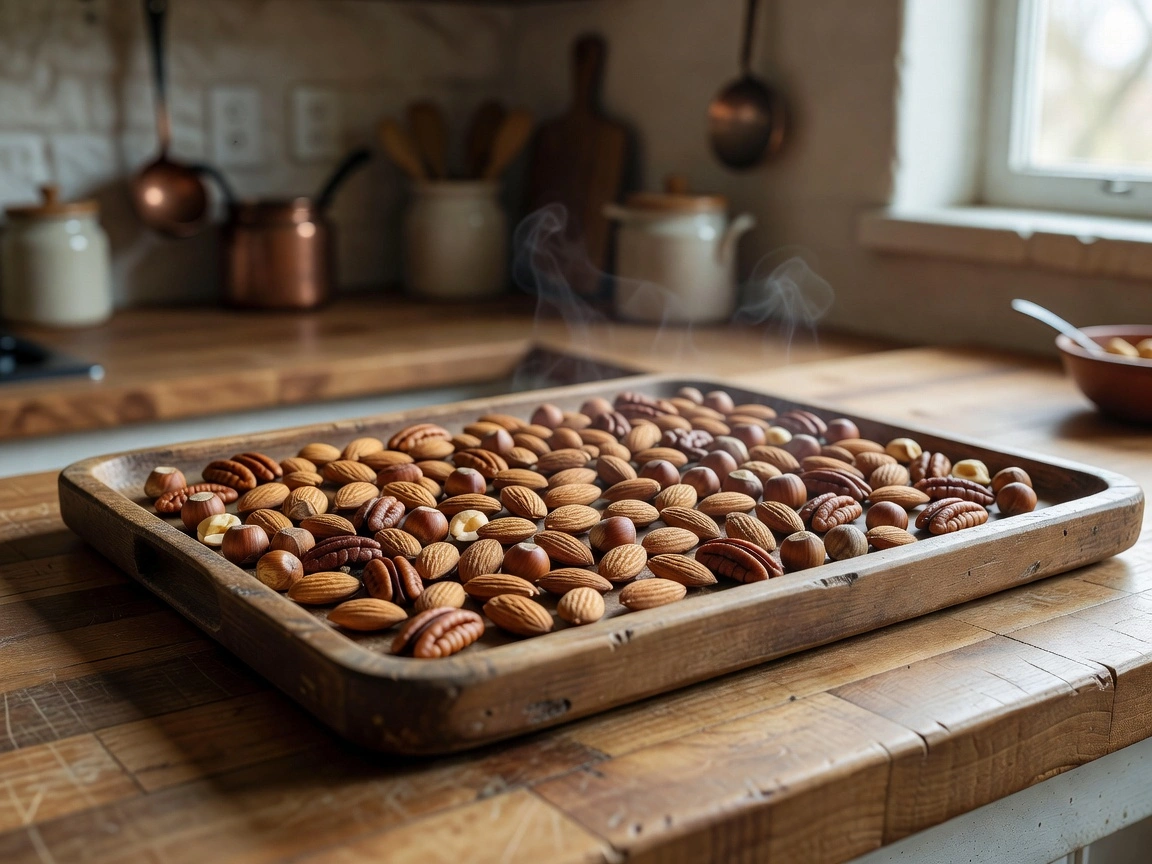
6) Cool them on a tray or plate
Spread the nuts out so steam can escape. If you leave them in a pile, trapped moisture can soften the surface. Cooling is part of the roasting process, not an afterthought.
Dry Roasting vs. Using Oil
Both methods work. The better choice depends on how you plan to use the nuts.
Dry roasting
Dry roasting is the simplest approach. It keeps the flavor clean and lets the natural nut taste come through. This is a good option when you want:
- Plain snack nuts
- Nuts for baking
- A neutral base for later seasoning
Dry roasting also reduces the chance of sticky residue in the basket.
Using a little oil
A light coating of oil can help seasonings cling more evenly. It also gives savory spices a better chance to coat the surface instead of falling off after cooling.
Use oil sparingly. Too much can make the nuts feel greasy and may encourage uneven browning. A thin film is enough for most home-kitchen uses.
Which method is better?
If you want the cleanest flavor and easiest cleanup, dry roasting is the simpler path. If you want spices or salt to stick more reliably, a small amount of oil is useful. For sweet coatings, oil alone is not the main issue; the bigger concern is when to add sugar so it does not scorch.
How to Season Sweet or Savory Nuts Without Burning Them
Seasoning is where many air fryer nuts go wrong. Salt and spices are forgiving. Sugar, honey, maple syrup, and other sweet coatings are not.
Savory seasoning
For savory nuts, it is usually safest to season after roasting or toss them with a little oil and seasoning near the end. Salt, garlic powder, smoked paprika, rosemary, and similar dry seasonings all work well when added after the main roasting step.
A practical example: roast pecans plain, then toss them with a pinch of salt and a small amount of melted butter or oil while they are still warm. The heat helps the seasoning stick without forcing the nuts to sit in the air fryer long enough to scorch.
Sweet seasoning
Sweet coatings need the most care. Sugar-based mixtures can brown too fast and turn bitter. If you want cinnamon sugar, maple-style seasoning, or a glazed finish, add it after roasting or only very near the end if the coating is designed for heat.
For a simple sweet finish, toss warm nuts with a little cinnamon and sugar after they come out of the basket. The residual warmth helps the coating adhere without exposing it to prolonged high heat.
A useful rule
If the seasoning contains sugar, treat it as a finishing ingredient unless you know the coating is designed for roasting. That one rule prevents a lot of burnt batches.
Common Mistakes to Avoid
Air fryer nuts are simple, but the margin for error is narrow. These are the mistakes that most often ruin a batch.
Overcrowding the basket
This is the fastest route to uneven browning. Nuts need room for air to move around them. When the basket is too full, the batch toasts unevenly and takes longer, which increases the risk of scorching.
Using one timing rule for every nut
Walnuts and pecans do not behave like almonds or peanuts. Treating all nuts the same is one of the most common causes of burnt spots. Match the timing to the nut type.
Walking away
Nuts can change quickly in an air fryer. Even a short distraction can be enough for the batch to go from toasted to too dark. Stay nearby, especially the first time you test a new nut or a new air fryer setting.
Adding sugar too early
Sugar-heavy coatings burn fast. If the goal is sweet roasted nuts, finish the roasting first and season after.
Storing them before they cool
Warm nuts can trap steam in the container. That trapped moisture softens the surface and dulls the crunch.
How to Cool and Store Roasted Nuts
Once the nuts are done, the job is not finished until they have cooled properly.
Spread them out in a thin layer and leave them alone until they are fully cool. This helps the surface set and preserves the crunch. If you plan to season them, do that while they are still warm enough to absorb the flavor, then let them cool completely.
For storage, use an airtight container once the nuts are fully cool. A glass jar, sealed tin, or tight-lidded container all work well. Keep them in a cool, dry place away from direct light and heat.
Roasted nuts usually keep for about 1 to 2 weeks at room temperature when stored properly. For longer storage, refrigerate them for a longer shelf life or freeze them if you want to keep them for an extended period. Let frozen nuts come back to room temperature before serving so they regain their best texture.
If you make a large batch, divide it into smaller containers so you only open what you need. That reduces repeated exposure to air, which helps the nuts stay crisp longer.
Air Fryer Roasting vs. Oven Roasting
The air fryer is not the only way to roast nuts, but it is often the fastest and most convenient for small batches.
When the air fryer wins
- You want a quick snack batch
- You are making a small amount
- You want faster browning without heating the oven
- You like close control and frequent checking
When the oven may be better
- You are roasting a larger quantity
- You want more room for even spreading
- You prefer a little more forgiveness with delicate nuts
In practice, the oven is often better for bigger batches, while the air fryer is better for speed and convenience. If you only need enough nuts for a salad, topping, or snack jar, the air fryer is hard to beat.
FAQs
Can I roast mixed nuts together in an air fryer?
Yes, but mixed nuts usually roast unevenly because different nuts brown at different rates. If you want the most consistent result, roast one type at a time.
Do I need oil to roast nuts in an air fryer?
No. Oil is optional. Dry roasting is often the simplest approach, while a small amount of oil helps seasonings stick more evenly.
Should I preheat the air fryer?
Preheating can help if your air fryer usually benefits from it, but it is not always necessary. The main goal is steady, controlled browning.
How do I know when the nuts are done?
Look for a deeper color, a toasted aroma, and a dry surface. The smell is often the best cue, especially with nuts that darken quickly.
Can I season nuts before roasting?
You can, but it is usually safer to season after roasting or near the end. Sugar-heavy coatings are especially likely to scorch if they go in too early.
How long do roasted nuts stay fresh?
When stored in an airtight container after cooling, roasted nuts usually keep for about 1 to 2 weeks at room temperature. Refrigeration or freezing can extend their shelf life.
Can I roast salted nuts?
Yes, but raw nuts give you more control. Salted nuts can be reheated or lightly toasted, though the final flavor will be less flexible.
Why did my nuts burn so fast?
The air fryer moves hot air quickly, and nuts brown fast to begin with. A basket that is too full, a heat setting that is too high, or a sugar-based coating added too early can all lead to burning.

