
Baking Soda and Vinegar Reaction Explained Simply
The baking soda and vinegar reaction happens when an acid and a base combine to release carbon dioxide gas, creating fizz and foam. In baking, that gas can help lift a batter, but only if the recipe is balanced and baked promptly.
The baking soda and vinegar reaction is one of the easiest chemistry examples to understand, and it shows up in both kitchen science and baking. In simple terms, it is the fast release of carbon dioxide gas when an acid and a base meet.
- Reaction basics: Baking soda and vinegar make carbon dioxide, water, and sodium acetate.
- Baking use: The gas can help lighten batters when the recipe is formulated for it.
- Timing matters: Mix and bake quickly so the gas does not escape before the oven sets.
- Balance matters: Too much baking soda or acid can hurt flavor, color, and texture.
- Safety first: Use open containers, supervise demos, and avoid sealing the reaction in a closed jar.
What the Baking Soda and Vinegar Reaction Actually Is
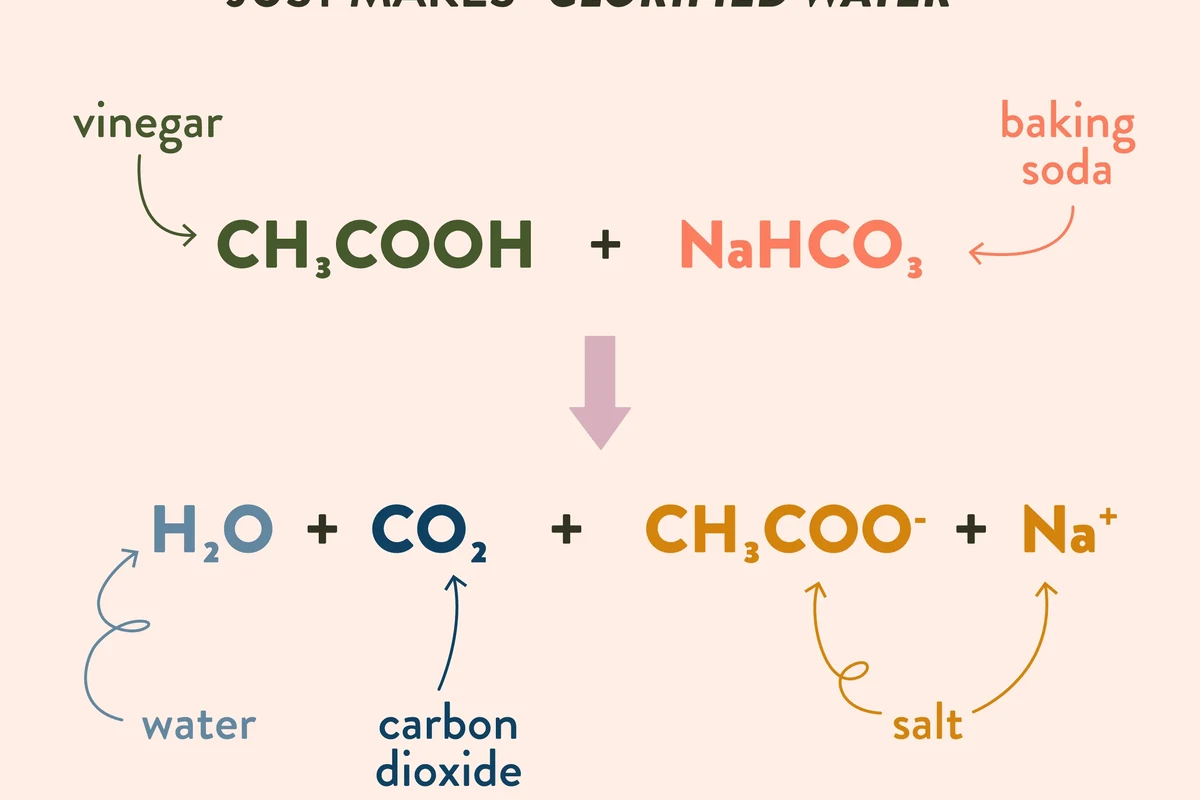
Baking soda is sodium bicarbonate, which acts as a base. Vinegar is a diluted acid, usually acetic acid in water. When the two combine, they form carbon dioxide gas, water, and sodium acetate.
The simple chemistry behind carbon dioxide, water, and sodium acetate
The gas is the part you see first because it escapes as bubbles and foam. The liquid and dissolved salt remain behind after the fizz slows down. That is why the reaction looks dramatic even though the chemistry is straightforward.
The fizz is not “air” being created. It is carbon dioxide gas released from a chemical reaction, which is the same basic gas that helps many baked goods rise.
Why the reaction looks dramatic even though it is easy to explain
The reaction feels bigger than it is because gas expands quickly and foam traps the bubbles for a short time. If the container is narrow, the foam rises even more visibly. In a bowl or cup, that sudden movement can make a simple reaction seem almost explosive.
The reaction is fast, but it is not the same thing as a long, controlled rise in yeast dough. In baking, timing and mixing matter because the gas can escape before the batter reaches the oven.
How the Reaction Works in Baking and Everyday Kitchen Use
In baking, baking soda needs an acid to react well. Vinegar can provide that acid, but so can buttermilk, yogurt, lemon juice, brown sugar, molasses, or natural cocoa in some recipes. When acid and base meet, they start producing gas immediately.
What happens when acid and base meet in a batter or dough
Once mixed, tiny bubbles form throughout the batter. If the batter is thick enough, those bubbles stay trapped long enough to help the structure set in the oven. If the batter is thin or overmixed, the gas can escape too quickly for much benefit.
How the reaction creates lift, bubbles, and a lighter texture
Carbon dioxide expands when heated, so the bubbles grow in the oven. At the same time, proteins and starches begin to set, which helps hold the new shape. That combination is what gives cakes, muffins, and quick breads a lighter crumb.
Common kitchen examples that help make the science memorable
You may see this reaction in quick pancakes, chocolate cakes made with natural cocoa, or homemade science demos. It is also similar to what happens in some drain-cleaning or cleaning experiments, though those uses are separate from food and should be handled carefully. If you are also comparing kitchen appliances for other tasks, our article on why air fryers need preheating shows another example of how timing affects results.
Ingredient Roles, Ratios, and What Changes the Reaction
The exact amount of baking soda depends on the recipe and how much acid is present. Too little soda may leave the batter dense, while too much can create a soapy or bitter taste. For baking, the goal is not maximum fizz; it is balanced leavening.
How much baking soda is needed and why too much causes problems
Baking soda is powerful, so even a small measuring error can matter. If there is not enough acid, some baking soda stays unreacted and can affect flavor and browning. If there is too much acid, the batter may not brown as well and can taste sharp.
Do not assume more fizz means better baking. In most recipes, extra baking soda can harm flavor, color, and texture even when the batter looks active.
Why vinegar strength, temperature, and mixing speed affect results
Household vinegar is usually around the same general strength, but brands can vary slightly. Warmer ingredients tend to react a bit faster, while cold ingredients may slow the visible fizz. Mixing speed also matters because once the acid and base combine, the gas starts escaping right away.
The batter fizzes briefly, then seems to go flat before baking.
Mix the batter only as long as needed, then get it into the oven promptly so the trapped gas can help with lift.
How moisture and other acidic ingredients can change the outcome
Moisture helps the ingredients move and react, but too much liquid can weaken structure. Other acidic ingredients may reduce or replace the need for vinegar, which is why recipes are often written around a specific ingredient balance. For a broader look at kitchen equipment timing and heat, see our guide on whether air fryer cooking dries out chicken, where moisture control is also the key issue.
- Measure baking soda carefully.
- Use the acid the recipe expects.
- Preheat the oven if the recipe calls for it.
- Do not let the batter sit too long after mixing.
Step-by-Step Examples That Show the Reaction in Action
The easiest way to understand the baking soda and vinegar reaction is to see it once in a simple setup. A small demo can teach the basics without turning the kitchen into a mess. The same principle then becomes easier to recognize in real recipes.
A simple countertop demonstration for understanding the basics
Place a spoonful of baking soda in a cup or bowl that can handle foam.
Pour in a small amount and watch the bubbles form right away.
Notice how the reaction is strongest at first, then slows as one ingredient is used up.
A baking example where the reaction helps a batter rise
In a quick bread or muffin batter that includes an acid, the reaction begins as soon as the wet and dry ingredients meet. The batter should go into the pan and then into the oven without unnecessary delay. That timing helps the gas stay inside the batter long enough to improve the crumb.
Measure ingredients accurately and combine only when ready to bake.
The heat expands the gas and sets the structure.
The baked item firms up and finishes setting as steam escapes.
How to observe the reaction without overcomplicating the process
Watch for three signs: bubbling, foaming, and a brief rise in volume. Do not confuse a lot of foam with a better final bake, because the oven still has to set the structure. If you want a kitchen comparison point, our article on whether air fryers toast bread also shows how visible browning or activity does not always tell the full story about final texture.
Common Mistakes That Lead to Weak or Overactive Results
Most problems come from balance, timing, or misunderstanding what the reaction is supposed to do. The goal is controlled leavening, not the biggest possible fizz. A careful recipe usually gives better results than a stronger reaction.
Using the wrong amount of acid or baking soda
If the recipe depends on vinegar, the ratio matters. Too little vinegar may leave some baking soda unreacted, while too much vinegar can make the batter too sharp or too wet. Always follow the recipe first, then adjust only if you understand the formula.
- Measure ingredients accurately.
- Use the acid level the recipe was designed for.
- Adding extra baking soda for more lift.
- Guessing at vinegar amounts in a baked recipe.
Waiting too long before baking after the reaction starts
Once the reaction begins, the gas does not wait around forever. If a batter sits on the counter too long, some of the bubbles escape before the oven can set the structure. This is one reason quick breads and muffins often bake best when mixed and baked promptly.
Confusing visual fizz with effective leavening
Big bubbles in a cup are easy to see, but baking is different from a science demo. In a cake or muffin, the real test is the final crumb, height, and tenderness after baking. A batter can fizz loudly and still bake poorly if the formula is unbalanced.
Safety, Cleanup, and Storage Considerations
The baking soda and vinegar reaction is generally safe for home kitchen demonstrations when used in small amounts. Still, foam can overflow, and vinegar can irritate eyes or skin if splashed. Keep children supervised and use a stable work surface.
What is safe for home kitchens, kids, and classroom demos
Small, supervised experiments are usually manageable, especially with a bowl or tray underneath. Use enough container space for the foam to expand. If the demo is for a classroom, keep food and science materials separate so no one confuses the experiment with an edible recipe.
Never seal baking soda and vinegar in a closed container. Gas pressure can build quickly and may cause the container to burst or spray contents.
How to handle spills, foam overflow, and messy surfaces
Wipe up spills promptly with a damp cloth, then dry the surface to avoid sticky residue. If foam spills over, let it settle before cleaning so you do not spread it around. For sinks and counters, plain water is usually enough for cleanup after a small demo.
How to store baking soda and vinegar so they stay usable
Store baking soda in a tightly closed container away from moisture and strong odors. Vinegar should also be capped and kept in a cool place. Moisture can weaken baking soda over time, and open containers may let odors or contaminants affect quality.
If you use baking soda for both baking and cleaning, keep a separate container for food use so you do not risk cross-contamination.
When to Use Baking Soda and Vinegar—and When Not To
This reaction is useful when you want a fast, visible chemical change or a quick leavening boost in a recipe that includes acid. It is also a simple way to teach basic food science. But it is not the best choice for every baking job.
Best use cases for baking, cleaning, and simple science demonstrations
Use baking soda and vinegar for small science demos, some quick breads, and recipes that are built around acidic ingredients. In cleaning, the fizz can help loosen light debris, though it is not a universal cleaner. For baking, the reaction works best when the recipe is written to balance the ingredients from the start.
Good when the recipe includes an acid and needs a fast rise without yeast.
Ideal for showing gas release in a simple, memorable way.
Useful for foam action on surfaces, but not a substitute for proper cleaning methods.
Situations where other leavening agents or methods work better
For cakes, cookies, and pastries, baking powder, yeast, whipped eggs, or steam may be a better fit depending on the recipe. Baking powder already contains both acid and base, so it is more predictable in many formulas. If you are comparing kitchen tools and methods, our article on whether air fryers are worth it is another example of choosing the right method for the result you want.
Final recap on choosing the right reaction for the right purpose
The baking soda and vinegar reaction is easy to explain: acid and base meet, carbon dioxide forms, and bubbles appear. In baking, that same gas can help create lift, but only if the recipe, timing, and ingredient balance are right. Use the reaction when it fits the formula, and choose a different leavening method when consistency matters more than a dramatic fizz.
For beginners, the best approach is to treat baking soda and vinegar as a teaching tool first and a baking tool second. Follow the recipe closely, bake promptly, and remember that visible fizz is only useful when the batter can trap it until the oven sets the crumb.
Frequently Asked Questions
Baking soda is a base and vinegar is an acid, so they react as soon as they touch. That reaction releases carbon dioxide gas, which causes the fizz and foam.
Not usually. Baking powder is formulated to provide both acid and base in a controlled way, while baking soda needs the right acidic ingredient in the recipe.
That usually means there was too much baking soda or not enough acid to balance it. Unreacted baking soda can leave a soapy or bitter taste.
Yes, but the reaction may look a little slower. Temperature can affect how quickly the ingredients mix and react, though the recipe balance matters more than temperature.
Usually not long. Once the reaction starts, the gas begins escaping, so batters that rely on this reaction should go into the oven promptly.
Small, supervised demos are generally safe, but use an open container and avoid sealing it. Keep vinegar out of eyes and clean spills promptly.
