
Baking Soda for Shoes Cleaning Easy Freshness Tips

Baking soda can freshen shoes by absorbing moisture and reducing odor, especially in sneakers and fabric shoes. Use it lightly, keep shoes dry, and switch to a material-specific cleaner for suede, leather, or mildew problems.
Baking soda can be a simple, low-cost way to freshen shoes and help lift light buildup when odors come from sweat, moisture, and everyday wear. Used the right way, it works best as a deodorizer and mild cleaner, not as a cure-all for every stain or material.
- Best use: Baking soda works well for odor control and light freshness, not heavy restoration.
- Material matters: Canvas and mesh are easier to treat than suede, nubuck, or delicate leather.
- Drying is critical: Shoes must dry fully or the smell can come back.
- Use less product: A thin layer or small paste is safer than overloading the shoe.
- Know the limit: Mildew, peeling glue, and deep stains usually need another cleaner.
Why Baking Soda Helps Clean Shoes and Neutralize Odors
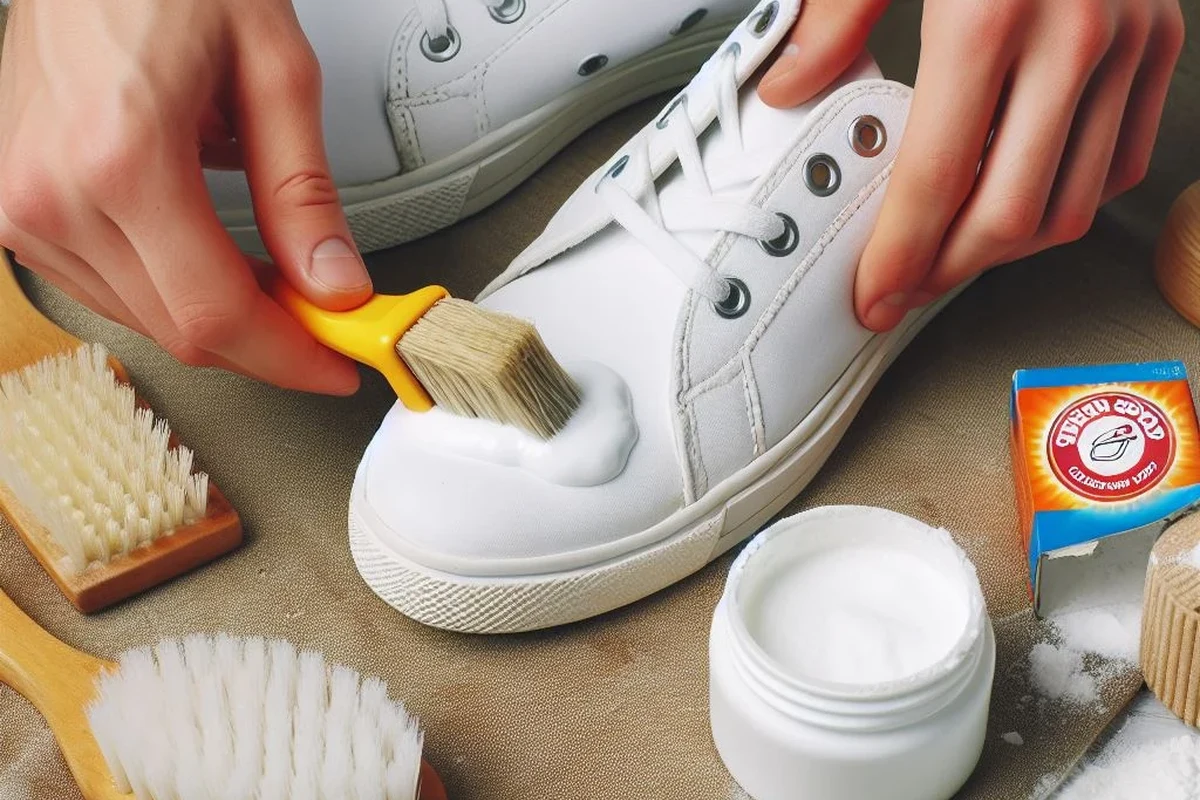
Baking soda is mildly alkaline, which means it can help reduce the sour smell caused by acidic sweat and trapped moisture. It also absorbs some odor and moisture from the inside of shoes, especially when shoes have been worn for long hours or stored before fully drying.
That makes baking soda for shoes cleaning especially useful for gym shoes, daily sneakers, and other pairs that pick up foot odor quickly. It is a practical option when you want freshness without using strong fragrances that only cover the smell.
How baking soda works on sweat, moisture, and trapped smells
When shoes stay damp, bacteria and odor compounds build up faster. Baking soda helps by drawing in moisture and reducing the intensity of odor molecules, so the smell is less noticeable after treatment.
It works best on surface odor and light buildup. If the inside of the shoe is soaked, moldy, or heavily stained, baking soda may help a little, but it will not replace a deeper cleaning method.
Which shoe materials respond best to baking soda treatment
Canvas, mesh, fabric sneakers, athletic shoes, and many removable insoles usually respond well to baking soda. These materials can handle a gentle dry treatment or a light paste if you avoid over-wetting them.
Leather, suede, nubuck, and shoes with specialty coatings need more caution. Baking soda can leave residue on smooth finishes and may mark delicate surfaces if rubbed in too aggressively.
Baking soda is often used in kitchens for odor control because it can help absorb smells without adding a strong scent of its own. The same basic idea makes it useful for freshening shoes.
Before You Start: Shoe Type, Material, and Safety Checks
A few quick checks can prevent damage. Before using baking soda, look at the shoe label, inspect the stitching and glue lines, and decide whether the pair needs deodorizing, spot cleaning, or a different cleaner altogether.
This matters because some shoes are built with adhesives, foam, or decorative trims that do not like excess moisture or heavy scrubbing. A gentle method is usually safer than a wet one.
Canvas, mesh, leather, suede, and athletic shoe considerations
Canvas and mesh are usually the easiest to treat because they are breathable and often tolerate light brushing. Athletic shoes with removable insoles are also good candidates, since you can clean the insole separately and let it dry fully.
Leather shoes need a more careful approach. Use baking soda sparingly, keep it away from polished finishes when possible, and follow up with a leather-safe conditioner if the manufacturer recommends it.
Suede and nubuck are the most delicate here. Dry baking soda may be safer than a wet paste, but even then, test a hidden area first and avoid rubbing the nap flat.
When baking soda may damage finishes, glue, or delicate trims
Baking soda can become abrasive if you scrub it hard into the shoe surface. That can dull shine, rough up delicate fibers, or leave a chalky film in seams and textured parts.
It can also create problems if you use too much liquid. Water can weaken glue lines, soak padding, or push odor deeper into the shoe if the pair does not dry completely.
Always check the care label or manufacturer instructions first, especially for leather, suede, waterproof finishes, and specialty sports shoes. If a shoe maker advises against wet cleaning, follow that guidance to avoid permanent damage.
Step-by-Step Methods for Using Baking Soda on Shoes
There are a few good ways to use baking soda, and the best one depends on the problem. For odor only, a dry treatment is usually enough. For visible buildup, a paste or gentle spot clean may work better.
Dry deodorizing method for overnight freshness
Tap the shoes together outside and brush off dust, crumbs, or dried mud so the baking soda can reach the odor-prone areas.
Add a thin layer of baking soda into each shoe, focusing on the toe box and footbed. You want a light coating, not a pile.
Leave the shoes in a dry, ventilated place for several hours or overnight, then shake out the powder before wearing.
This method is best when the shoes smell stale but do not need a full wash. It is also useful for regular upkeep between deeper cleanings.
Paste method for visible stains and inside lining buildup
For light stains or grime on the inside lining, mix a small amount of baking soda with just enough water to form a spreadable paste. The paste should be thick enough to stay in place, not run into seams.
Apply it with a soft brush or cloth, work gently, and avoid soaking the shoe. After a short dwell time, wipe the area with a clean damp cloth and let it dry fully.
If the lining is very dark, heavily textured, or made from delicate microfiber, test the paste on a hidden area first. Some materials show residue more easily than others.
Using baking soda with vinegar, soap, or gentle brushing when appropriate
For shoes with a little more buildup, a small amount of mild soap can help break down surface grime before or after baking soda treatment. Soap helps lift dirt; baking soda helps with odor, so the two can work well in separate steps.
Vinegar is sometimes used for odor control, but it should be used carefully. If you combine vinegar and baking soda directly, they mostly foam and lose some of their cleaning strength, so it is usually better to use them one after the other rather than mixed together in the same bowl.
Gentle brushing matters more than force. A soft brush loosens dirt from seams and textured soles without shredding fabric or pushing residue deeper into the shoe.
- Use a light hand and small amounts of product
- Spot-test delicate materials first
- Let shoes dry in open air after cleaning
- Soaking shoes unless the care label allows it
- Scrubbing hard on suede or coated surfaces
- Wearing shoes while they still feel damp inside
Common Cleaning Mistakes That Leave Shoes Worse
Most shoe-cleaning problems come from doing too much, too fast. Baking soda is helpful, but it still needs the right amount of moisture, the right drying time, and the right level of pressure.
Using too much moisture and creating lingering odor
Too much water can trap dampness inside the padding and foam. When that happens, the shoe may smell worse later because moisture lingers in the areas you cannot easily see.
If you use a paste or soap solution, keep it controlled and remove excess liquid with a cloth. The goal is to clean the surface without turning the inside of the shoe into a damp enclosure.
Scrubbing too hard and spreading stains or weakening fabric
Hard scrubbing can push dirt around instead of lifting it. On mesh or canvas, it may also fuzz the fibers or spread a stain into a wider patch.
Use short, gentle strokes and stop when the residue starts lifting. If a stain does not budge, a different cleaner or a more material-specific method is usually safer than increasing pressure.
Skipping full drying time before wearing or storing shoes
Drying is not optional. Even if the surface feels fine, hidden moisture can stay in the footbed, insole, or tongue area and cause odor to return.
Let shoes air-dry completely before wearing them again or putting them in a closed closet. If needed, stuff them loosely with plain paper towels or clean paper to help them keep their shape while drying.
Keep baking soda, vinegar, and cleaning liquids away from electrical outlets, chargers, and powered shoe dryers. Use only in a ventilated area and never mix cleaning products unless the label says it is safe.
How to Clean Different Shoe Areas for Best Results
Different parts of a shoe collect different kinds of dirt. The inside usually needs odor control, while the outside often needs spot cleaning and gentle scuff removal.
Inside insoles, toe boxes, and odor-prone footbeds
The toe box and footbed are the main odor zones because they hold sweat, heat, and pressure. A dry baking soda treatment works well here, especially if you remove the insoles first.
If the insoles are removable, sprinkle them lightly on both sides, wait several hours, and brush off the powder before reinserting them. For fixed insoles, use less product so residue does not build up in the shoe.
Outsoles, midsoles, and exterior scuff marks
Baking soda can help with light scuffs on midsoles and soles when paired with a damp cloth or soft brush. It is useful for everyday grime, but it is not a heavy-duty whitening treatment for deep discoloration.
For rubber outsoles, a slightly stronger paste may help lift dirt from grooves. Keep the paste off decorative uppers when possible, especially on shoes with mixed materials.
Laces and removable inserts
Laces can usually be cleaned separately in warm water with mild soap, then dried flat. If they smell musty, a light baking soda soak or dry dusting can help before washing.
Removable inserts are often the easiest part to freshen because you can treat them outside the shoe. Just make sure they are fully dry before putting them back, or the odor can return quickly.
Best for overnight freshness, regular upkeep, and shoes that only smell stale.
Best for visible buildup on durable fabric or removable insoles.
Best for dirt and surface grime when odor is only part of the problem.
Best for suede, leather, or shoes with special finishes that need gentler care.
Drying, Storage, and Odor Prevention After Cleaning
Good drying and storage habits matter as much as the cleaning itself. If shoes go back into a closed space while still damp, the odor problem usually returns.
Air-drying methods that protect shape and materials
Air-dry shoes at room temperature in a well-ventilated place. Keep them out of direct high heat, since radiators, hair dryers, and hot sunlight can warp materials, weaken glue, or crack some finishes.
If the shoes need help holding their shape, use paper or a shoe tree that fits the material. Replace damp paper if necessary so the inside keeps drying instead of staying humid.
How often to repeat baking soda treatments for active shoes
For frequently worn athletic shoes, a light deodorizing treatment may be useful after heavy workouts or once odor starts to return. The right frequency depends on how much you sweat, how well the shoes breathe, and how long they take to dry.
There is no single schedule that fits every pair. If you notice powder residue building up, cut back and use a lighter application.
Storage habits that reduce future odor buildup
Store shoes only after they are fully dry. Give them space to breathe instead of sealing them in a tight bag right after wear.
Rotating pairs also helps. A shoe that gets a full day to dry between wears is less likely to hold odor than one worn repeatedly without a break.
For regular freshness, treat the inside of shoes like a damp kitchen towel: if it stays closed up and wet, odor builds fast. Open airflow is one of the simplest fixes.
When Baking Soda Is Enough and When You Need a Different Cleaner
Baking soda is a good first choice for light odor, mild buildup, and routine maintenance. It is less effective when the problem is deep staining, mildew, or material damage.
Best use cases for quick freshness and light cleaning
Use baking soda when shoes smell stale but still look mostly clean. It is also a smart option for a quick refresh before storing seasonal shoes or after a sweaty day.
If the shoes are otherwise in good shape, this simple method can extend the time between deeper cleanings. It is especially useful for people who wear the same pair often and want an easy reset.
Signs that stains, mildew, or material damage need another approach
If you see fuzzy growth, a strong musty smell that returns quickly, or stains that spread after treatment, the issue may be mildew or deeper contamination. In that case, follow the shoe maker’s care instructions or use a cleaner made for that material.
When the glue is lifting, the lining is peeling, or the shoe has a specialty finish, baking soda may not be the right tool. A gentler material-specific product is usually the safer choice.
- Low-cost and easy to find
- Good for odor control and light freshness
- Works well on many fabric shoes and insoles
- Can leave residue if overused
- Not ideal for suede or delicate finishes
- Does not solve mildew or major stains by itself
Final Recommendation: Choosing the Right Baking Soda Shoe-Cleaning Routine
The best baking soda for shoes cleaning routine is the one that matches the shoe material and the level of odor. For a quick refresh, the dry method is usually enough. For visible buildup, use a light paste or a gentle soap-and-brush approach, then dry the shoes completely.
A simple decision guide works well in 2026: choose dry baking soda for everyday freshness, use a careful spot treatment for durable fabric shoes, and switch to a material-specific cleaner when the pair is suede, leather, or visibly damaged. If you want more home-care ideas that use the same practical mindset, you may also like our guides on air fryer preheating basics, air fryer liner safety, and dishwasher-safe basket care.
Keep the method gentle, keep the shoes dry, and stop short of overcleaning. That is the most reliable way to keep shoes fresher longer without wearing out the materials.
Frequently Asked Questions
For odor control, leave baking soda in shoes overnight or for several hours. The exact time depends on how strong the smell is and how much airflow the shoes get while drying.
It can if you scrub too hard, use too much moisture, or apply it to delicate materials like suede without testing first. Always check the care label and use a light hand.
You can use them in separate steps, but mixing them directly mostly creates foam and reduces cleaning strength. For many shoes, mild soap and gentle brushing are safer and more effective.
It often reduces odor a lot, especially for sweaty athletic shoes and fabric sneakers. If the smell comes from mildew, deep moisture, or damaged lining, you may need a different cleaner.
Use caution with leather and be very careful with suede or nubuck. Test a hidden area first, use minimal product, and follow the shoe maker’s care instructions.
Let shoes dry fully after each wear, rotate pairs when possible, and store them in a ventilated space. Regular airing out is one of the best ways to prevent odor from building up again.