The baking soda trick is using baking soda in a recipe to improve rise, browning, texture, or flavor balance. It works best when the recipe has enough acid and the amount is measured carefully.
The baking soda trick usually means using baking soda in a specific way to change texture, color, rise, or flavor in a recipe. In baking, it works best when you understand what it is reacting with and why the timing matters.
- It is chemistry: Baking soda reacts with acid and moisture to release carbon dioxide.
- Balance matters: Too much or too little can cause off-flavors or poor rise.
- Best uses: Cookies, muffins, pancakes, and quick breads often benefit from it.
- Timing matters: Mix and bake according to the recipe so gas is not lost before oven.
What People Mean by “the Baking Soda Trick” in Baking and Home Use
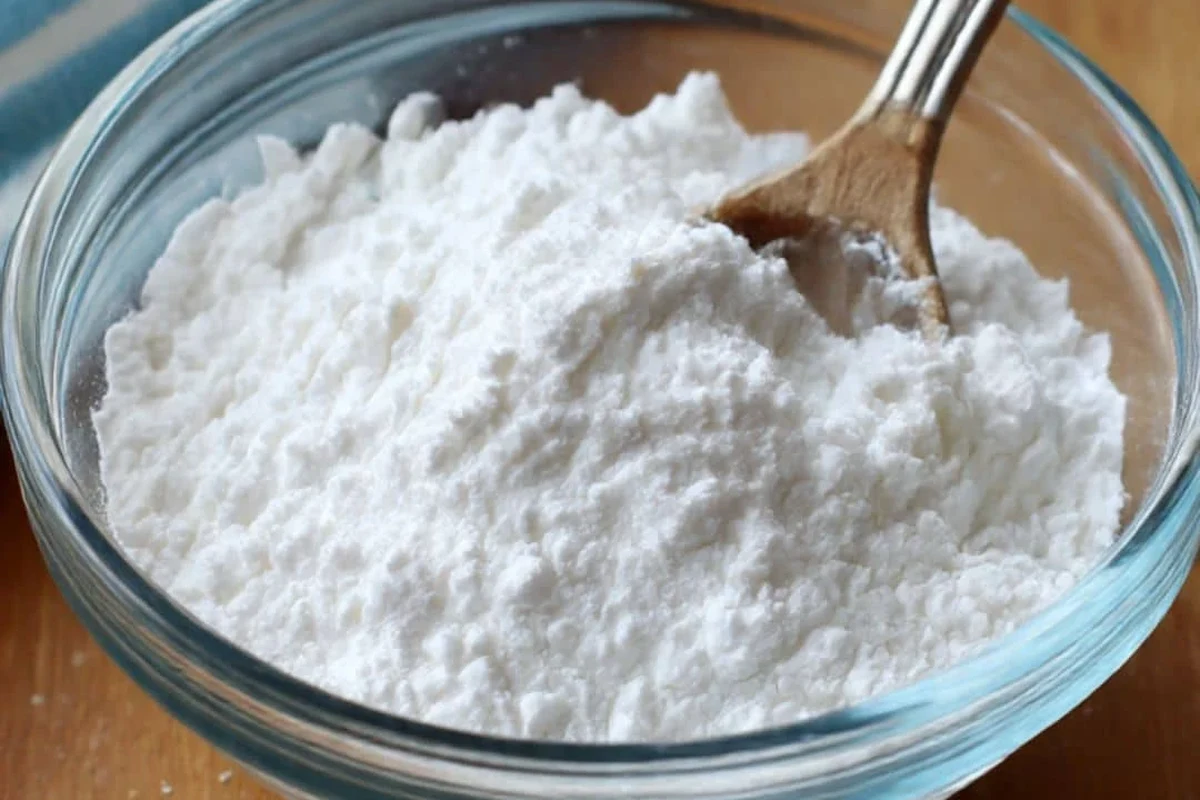
People use the phrase “the baking soda trick” for several different methods, which is why it can be confusing. In one kitchen, it may mean using baking soda to help a cookie brown more deeply; in another, it may mean deodorizing a fridge or softening beans. The same ingredient can do very different jobs because baking soda is both alkaline and reactive.
Why the phrase is used for different methods and results
In baking, the “trick” usually refers to a deliberate formula adjustment, not a magic shortcut. It may mean adding a small amount to boost spread, reduce sourness, or help a batter rise faster. Outside baking, the phrase often points to cleaning, odor control, or tenderizing, where the goal is to change the surface or chemical balance of an ingredient or space.
If you see the phrase online, look at the context first. A recipe discussion is usually about leavening or browning, while a home-use post may be about cleaning or deodorizing. That distinction matters because the amount, timing, and safety concerns are not the same.
How to tell whether the topic is leavening, cleaning, deodorizing, or tenderizing
If the discussion mentions flour, eggs, buttermilk, muffins, or cookies, it is probably about baking. If it mentions sinks, carpets, shoes, or refrigerators, it is likely about cleaning or odor control. If it mentions meat, beans, or fruit, the topic may be tenderizing or softening.
In pastry and baking school kitchens, the safest way to think about the baking soda trick is as a formula tool. It changes chemistry, so it should be measured and matched to the recipe, not added casually.
How Baking Soda Works Chemically in Doughs, Batters, and Quick Breads
Baking soda is sodium bicarbonate. When it meets an acid and moisture, it releases carbon dioxide gas, which helps batter or dough expand. Heat then sets the structure, trapping that gas and creating lift.
Acid-base reaction, carbon dioxide release, and timing
The reaction starts as soon as baking soda touches enough moisture and acid. That is why some batters need to go into the oven quickly after mixing. If the gas escapes before baking begins, the final rise can be weaker.
This timing issue is one reason the trick works better in recipes designed for it. A batter with buttermilk, yogurt, citrus juice, molasses, natural cocoa, or brown sugar may have enough acidity to activate baking soda properly. A batter without enough acid may not get the same lift, and the flavor can turn flat or slightly alkaline.
Why measurement matters: too little, too much, or no acid present
Too little baking soda may leave the recipe dense, pale, or overly acidic. Too much can create a soapy or metallic taste, darken the crumb too quickly, and weaken structure. If there is not enough acid in the formula, some of the baking soda may stay unreacted and affect flavor.
Baking soda is not just a leavener. In small amounts, it can also raise pH, which changes browning, flavor perception, and how some proteins set during baking.
How baking soda differs from baking powder in real-world baking
Baking soda needs an acid in the recipe to work well. Baking powder already contains both an acid and a base, so it can create lift on its own when mixed with moisture and heat. That is why baking powder is often more forgiving in recipes that are not naturally acidic.
In practice, the choice affects flavor and texture. Baking soda can produce stronger browning and a more distinct crumb when the formula is balanced. Baking powder is often used when the recipe needs lift without adding extra alkalinity.
Common Baking Soda Tricks Used in Pastry and Baking School Kitchens
In professional training kitchens, baking soda is usually used for a reason tied to structure, color, or flavor balance. It is not a universal fix, but it can improve a formula when the recipe is built around it. For students learning technique, it is helpful to treat baking soda as part of the recipe design, not a rescue ingredient.
Improving browning and spreading in cookies
Cookies often benefit from a small amount of baking soda because it encourages spread and deeper browning. That can create thinner edges, a more caramelized surface, and a softer center depending on the rest of the formula. The effect is stronger in recipes with brown sugar, molasses, or chocolate.
If you are comparing cookie styles, this is one reason a “chewier” cookie may rely on baking soda while a more cakey cookie may use more baking powder or a different balance of both. The choice changes how quickly the dough sets and how much the cookie expands before firming up.
Reducing acidity in chocolate, molasses, or fruit-based batters
Baking soda can calm sharp acidity in ingredients like natural cocoa, molasses, sour cream, buttermilk, citrus, or tart fruit purées. That does not remove flavor; it rounds it out. In the right amount, the result tastes smoother and less harsh.
This is especially useful in quick breads and muffins where too much tang can make the crumb taste unbalanced. It can also help darker ingredients taste fuller and more rounded. For more on formula balance in hot-air baking, see our guide on why preheating matters in fast-cooking appliances, since timing and heat readiness affect rise in a similar way.
Softening textures in certain cakes, muffins, and quick breads
A small amount of baking soda can help some cakes and muffins feel softer because it changes the batter’s chemistry and gas release. This is not the same as making a recipe “lighter” in every case. The final texture still depends on mixing, flour choice, fat content, and oven heat.
In quick breads, the trick often works best when the batter is mixed just enough to combine. Overmixing develops gluten and can make the crumb tough, which offsets the benefit of the leavener. Students often learn that the ingredient is only one part of the texture equation.
When the “trick” is actually a controlled technique, not a shortcut
The phrase can sound like a hack, but in a baking school kitchen it is better understood as controlled chemistry. You are adjusting pH, gas production, and browning on purpose. That is why a recipe that uses baking soda well is usually carefully balanced from the start.
Do not add baking soda to a recipe just because you want more rise. If the formula does not have enough acid or if the amount is off, the result can taste bitter, collapse, or brown too fast.
How to Use the Baking Soda Trick Correctly Without Ruining Texture or Flavor
The safest way to use baking soda well is to measure carefully and match it to the recipe’s ingredients. Small differences in brand, humidity, pan size, and oven calibration can change the result. That is why professional bakers often measure by weight when possible.
Measuring by weight versus volume for consistent results
Weight is more consistent because a teaspoon can vary depending on how the powder is packed or scooped. A scale helps reduce guesswork, especially in small-batch baking where a tiny error has a bigger effect. If you are following a school-style formula, weight is usually the most reliable method.
Balancing baking soda with acidic ingredients like buttermilk, yogurt, citrus, or brown sugar
Baking soda works best when the recipe contains enough acid to activate it. Buttermilk and yogurt are common examples, and citrus juice or sour dairy can also help. Brown sugar and molasses add acidity too, which is why they often appear in recipes that use baking soda.
- Improves browning and flavor balance
- Helps lift acidic batters and doughs
- Can soften texture when used correctly
- Too much causes off-flavors
- Needs the right acid level to work
- Can fail if mixed or baked too slowly
Mixing order, resting time, and oven timing that affect lift
Once baking soda is mixed with wet ingredients, the reaction begins. That means the batter should not sit longer than the recipe intends before baking. If a formula requires resting, it should be because the recipe was designed for that step, not because the batter was forgotten.
Oven timing matters too. If the oven is not fully ready, the gas can escape before the structure sets. That is one reason bakers check oven temperature and rack position carefully, especially with quick breads and cookies.
Practical example: what changes in a cookie, muffin, or pancake formula
In cookies, baking soda often increases spread and browning. In muffins, it can create a softer crumb and lighter rise when paired with buttermilk or yogurt. In pancakes, it can help the batter puff quickly and taste less sour.
Measure the soda accurately and combine it with the acidic ingredients only when you are close to baking.
Put the batter or dough into a properly preheated oven so the gas is trapped as the structure sets.
Let the baked item finish setting before judging texture, since some crumb changes appear after cooling.
Signs the Baking Soda Trick Is Working and Signs It Failed
Good baking soda results are visible and sensory. You should see some lift, even browning, and a flavor that tastes balanced rather than sharp or chemical. The crumb should also match the recipe style, whether that means tender, chewy, or soft.
Visual and sensory cues: rise, color, crumb, and flavor
When the trick works, baked goods often brown more evenly and may spread in a controlled way. The crumb may look open and tender instead of tight and heavy. Flavor should be rounded, not aggressively sour and not strangely alkaline.
In cookies, a successful formula often gives crisp edges and a soft center. In muffins, it may produce a domed top and a moist crumb. In pancakes, the surface may show bubbles that set into a light, airy interior.
Common mistakes: metallic taste, over-browning, collapse, or soapy aftertaste
A metallic or soapy taste usually means too much baking soda or not enough acid. Over-browning can happen when the pH is too high, since alkaline batters brown faster. Collapse can happen if the structure never sets well enough to hold the gas.
The baked good tastes bitter, soapy, or metallic.
Reduce the baking soda, check whether the recipe has enough acidic ingredients, and verify that your measuring spoon or scale is accurate.
How ingredient age and storage affect performance
Baking soda can lose effectiveness if it absorbs odors or moisture during storage. It should be kept tightly sealed in a cool, dry place. If you use the same box for both baking and cleaning, contamination can also affect flavor and safety.
Safety, Storage, and Ingredient Quality Considerations
Baking soda is common and generally safe for normal culinary use, but it still needs sensible handling. Storage, freshness, and cross-use with cleaning products all matter. For food safety and ingredient handling, it is always wise to follow package directions and recognized guidance from official food safety sources such as the FDA or USDA when applicable.
How to store baking soda to maintain freshness and odor control
Store baking soda in a sealed container away from strong odors and moisture. A pantry shelf is usually better than a humid cabinet near the stove. If a box has been opened for a long time, check whether it still smells clean and neutral before using it in baking.
Keep baking soda used for baking separate from baking soda used for cleaning. Even small amounts of cleaner residue can affect flavor or contaminate food-contact surfaces.
When baking soda is not a safe substitute for other ingredients
Baking soda is not a replacement for baking powder in every recipe, and it is not a substitute for yeast in bread. It also should not be used as a stand-in for salt, flour, or sugar. Each ingredient does a different job, and changing one can alter the entire formula.
For example, if a recipe depends on yeast fermentation for flavor and structure, baking soda will not create the same result. If you need a different baking method, it may be better to reformulate the recipe rather than force a substitute. If you are comparing kitchen equipment that changes heat and airflow, our article on whether air fryers are dangerous may also help you think about safe appliance use in busy kitchens.
Food-contact and cleaning-use crossover: avoiding contamination
Do not use the same spoon, scoop, or container for cleaning tasks and food preparation. Cleaning products can leave residues that are not meant to be eaten. This is a simple but important habit in both home kitchens and training kitchens.
When the Baking Soda Trick Is Worth Using and When to Skip It
The baking soda trick is worth using when the recipe needs browning, acidity balance, or a quick chemical lift. It is less useful when the recipe already has enough structure from another leavener or when the flavor balance would be thrown off. Good bakers decide based on the formula, not on the trend.
Best use cases for home bakers, pastry students, and small-batch production
Home bakers may find baking soda especially helpful in cookies, pancakes, muffins, and quick breads. Pastry students use it to learn how pH changes flavor and texture. Small-batch production benefits from it when consistency matters and the recipe has been tested in a controlled way.
Baking soda helps deepen color and encourage spread when paired with cocoa and brown sugar.
The acid in buttermilk activates the soda and can create a soft, tender crumb.
Citrus and soda can balance tang and create a lighter texture when mixed and cooked promptly.
Situations where baking powder, yeast, or recipe reformulation is the better choice
If a recipe is not acidic enough, baking powder may be the better leavener. If the goal is fermented flavor, structure, and a bread-like crumb, yeast is usually the right choice. If baking soda is causing off-flavors or uneven browning, the better fix may be to change the recipe balance rather than add more soda.
- Match baking soda to acidic ingredients
- Measure carefully by weight when possible
- Bake soon after mixing if the recipe calls for it
- Adding extra soda for “more lift”
- Using old or contaminated ingredient containers
- Expecting baking soda to replace yeast or baking powder in every recipe
Final recap: deciding whether the baking soda trick fits your recipe and goal
So, what is the baking soda trick? It is the controlled use of baking soda to change rise, browning, texture, and flavor in a recipe. It works because of a simple acid-base reaction, but it only works well when the formula, timing, and measurements are right.
If you are baking at home or training in pastry school, use baking soda when you want a specific chemical effect and the recipe supports it. Skip it when the recipe needs a different leavener or when the balance is already delicate. In baking, the best “trick” is usually careful technique, not guesswork.
Frequently Asked Questions
It usually means using baking soda in a recipe to improve browning, lift, or texture. The trick works best when the recipe includes enough acid to activate it.
Use baking soda when the recipe has acidic ingredients such as buttermilk, yogurt, molasses, or citrus. Use baking powder when the recipe needs lift without enough natural acidity.
Usually no. Too much baking soda can create a soapy taste, excess browning, or a weak structure that collapses.
Baking soda raises pH, which can increase browning and spread while changing how the dough sets. That is why it often affects chewiness, color, and edge crispness.
Keep it sealed in a cool, dry place away from strong odors. Replace it if it has absorbed moisture, smells off, or may have been contaminated by cleaning use.
No. Baking soda, baking powder, and yeast work in different ways, so the best choice depends on the recipe’s ingredients and the texture you want.
