
Baking Soda for Spaghetti Sauce Tips for Better Flavor

Baking soda can reduce the acidity in spaghetti sauce, but only a tiny amount should be used. The best results come from adding it slowly, tasting often, and still relying on good tomatoes and proper simmering.
Baking soda for spaghetti sauce can be a useful fix when tomato acidity tastes sharp, but it works best in tiny amounts and with careful tasting. Used well, it can smooth the sauce without making it flat or “baked.”
- Use sparingly: A small pinch is usually enough to soften sharp tomato acidity.
- Taste between additions: Wait for the foam to settle before deciding if more is needed.
- Add near the end: Final simmering gives you a better read on the finished flavor.
- Watch for overuse: Flat, soapy, or dull sauce usually means too much baking soda.
- Consider alternatives: Longer cooking, sweeter tomatoes, and a richer finish often work better.
Why Baking Soda Changes the Flavor of Spaghetti Sauce
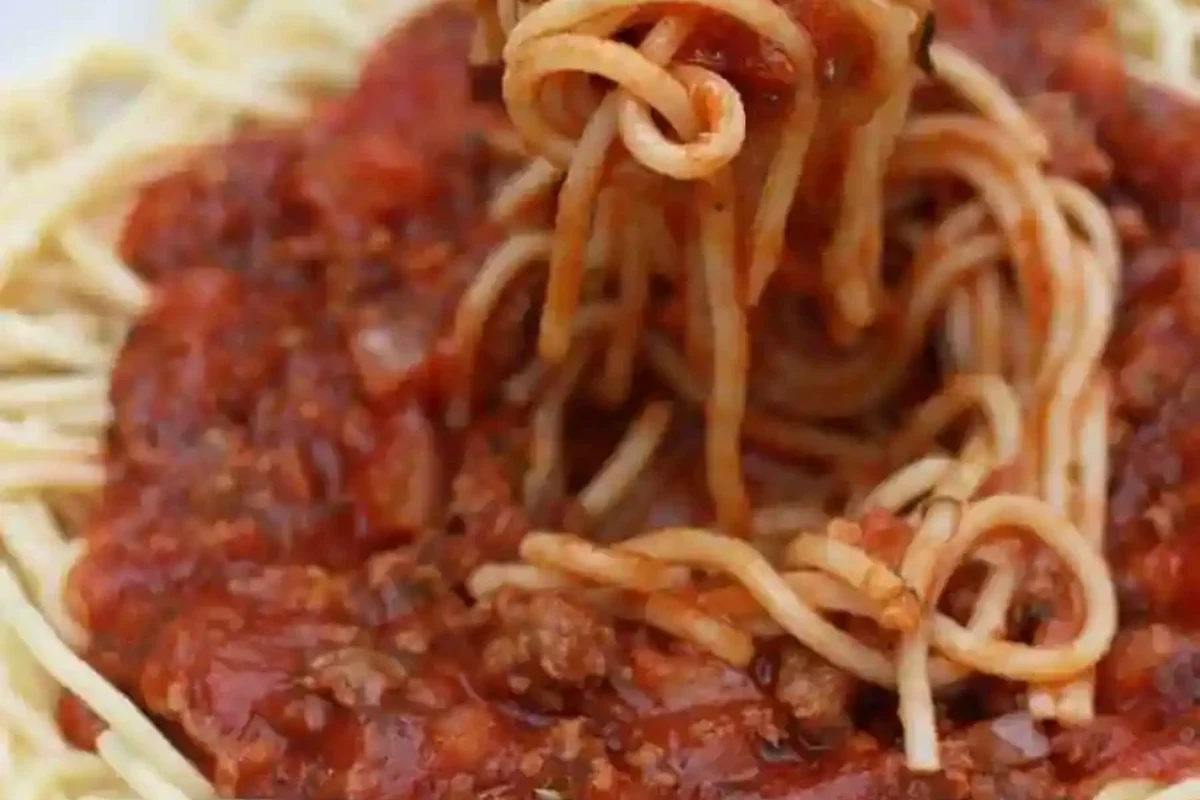
Tomatoes naturally contain acids, and that bright tang is part of what makes spaghetti sauce taste lively. When the sauce is very acidic, though, the sharpness can dominate the rest of the ingredients and leave the sauce tasting harsh on the tongue.
Baking soda is a mild base, so it reacts with some of that acid and nudges the pH upward. That can soften the sour edge, reduce the sting on the palate, and make the sauce feel smoother and rounder.
The goal is not to erase tomato flavor. It is to bring the sauce into balance so the sweetness, herbs, garlic, and olive oil can come through more clearly.
How acidity in tomato sauce affects taste and mouthfeel
Acid changes more than flavor. It can also make a sauce feel thin, overly bright, or slightly astringent, especially if the tomatoes are very tart or the sauce has not simmered long enough.
In a finished sauce, high acidity may show up as a lingering sour note at the back of the throat. Some cooks mistake that for “needs more salt,” but salt and acid are different problems.
What baking soda actually does when added to simmering sauce
When baking soda hits acidic sauce, it neutralizes part of the acid and releases carbon dioxide. That is why the sauce may foam or bubble more than usual for a minute or two.
After the reaction settles, the sauce usually tastes less sharp. If too much is added, however, the sauce can lose its fresh tomato character and start to taste dull or slightly alkaline.
When the goal is balance, not making the sauce taste “baked”
Used carefully, baking soda should fade into the background. You should notice less harshness, not a distinct baking soda flavor.
Even a small amount of baking soda can change sauce perception quickly because you are adjusting acidity, not adding more seasoning volume.
How Much Baking Soda to Use Without Flattening the Sauce
There is no single perfect amount for every pot of sauce. Tomato brand, ripeness, cooking time, and added ingredients all change how much acid is present.
A careful cook starts with a tiny pinch, lets the sauce react, then tastes again before adding more. That slow approach is the safest way to use baking soda for spaghetti sauce without losing brightness.
Starting with tiny amounts and tasting between additions
Add a small pinch at a time, stir well, and wait for the foaming to calm down before tasting. A little can make a noticeable difference, so it is better to under-correct than to over-correct.
If you are unsure, dissolve the baking soda in a spoonful of warm sauce first, then stir that back into the pot. This helps it distribute more evenly and prevents a pocket of strong alkaline taste.
Think in pinches, not spoonfuls. For most home cooks, the right adjustment is usually much smaller than expected.
How sauce volume, tomato variety, and acidity change the dose
A large pot of sauce made with sweet, ripe tomatoes may need little or no adjustment. A small batch made with canned tomatoes or concentrated paste may need more, especially if the sauce tastes sharp even after simmering.
Different tomato products vary a lot by brand and harvest. That is why recipe instructions for acidity correction should always be treated as a starting point, not a fixed rule.
Signs you have added too much and how to correct it
If the sauce tastes flat, slightly soapy, or strangely muted, you may have gone too far. The tomato flavor may seem less vivid, and the sauce can feel oddly hollow.
To correct that, add more tomato product, a little acid such as lemon juice or vinegar in very small amounts, or more seasoned sauce base if the recipe allows it. Taste after each change so you do not swing too far in the opposite direction.
Do not keep adding baking soda to “fix” a sauce that is still sour. Once the balance shifts too far, the sauce can lose flavor quality faster than it improves.
Best Times to Add Baking Soda During Cooking
Timing matters because the sauce changes as it simmers. Early in cooking, tomatoes can taste sharper; later, natural sugars and reduction often soften the edge on their own.
That means baking soda is best used as a finishing adjustment or near the end of simmering, unless the sauce is extremely acidic from the start.
Early simmering versus final adjustment near the end
If you add baking soda early, you may correct acidity before the sauce develops, but you also risk overdoing it before the flavors have concentrated. Waiting until the end gives you a clearer picture of the finished taste.
For most home cooks, the final 10 to 15 minutes of simmering is a sensible time to evaluate. The sauce should already have some body and the tomato flavor should be more settled.
How long to let the sauce bubble after adding it
After adding baking soda, let the sauce bubble gently for a minute or two until the foaming settles. Then simmer a bit longer so the flavor evens out.
If you taste too soon, the sauce may seem odd or fizzy. Give it a little time to blend before deciding whether it needs more adjustment.
Why foaming happens and what it means for the cook
Foaming is a normal sign that the baking soda is reacting with acid. It does not mean the sauce has failed; it means the chemistry is working.
Use a pot with enough headspace when you add baking soda to a hot sauce. The bubbling can rise quickly, and a crowded pan may overflow.
Ingredient Roles That Affect Whether Baking Soda Is a Good Fix
Not every sauce needs the same correction. Some ingredients naturally soften acidity, while others make the sauce sharper or more concentrated.
Before reaching for baking soda, it helps to understand what is already in the pot and how those ingredients are shaping flavor.
Canned tomatoes, tomato paste, and fresh tomatoes compared
Canned tomatoes are convenient and consistent, but they can taste more acidic than fresh ripe tomatoes. Tomato paste is even more concentrated, so it can intensify both sweetness and sharpness depending on how it is cooked.
Fresh tomatoes vary the most. A ripe summer tomato may need little help, while out-of-season tomatoes can taste watery and tart.
How sugar, onions, garlic, and herbs can soften acidity naturally
Slow-cooked onions add sweetness and body, which can reduce the need for baking soda. Garlic, basil, oregano, and bay leaf help build a fuller sauce profile, but they do not neutralize acid the way baking soda does.
A small amount of sugar can soften sharpness too, though it works by balancing flavor rather than changing acidity. That can be a better first step if the sauce is only slightly tart.
When dairy, wine, or stock changes the need for baking soda
Butter, cream, or cheese can round out a sauce and make acidity feel less aggressive. Wine adds complexity, but if it is not cooked down enough, it can contribute more sharpness.
Stock may add savoriness and depth, though it will not directly fix sourness. If a sauce already includes richer ingredients, you may need less baking soda than a very lean tomato sauce would.
If your sauce includes dairy, add baking soda carefully and keep the heat gentle. Sudden changes in acidity and heat can affect texture, especially in creamier sauces.
Common Mistakes Home Cooks Make With Baking Soda in Spaghetti Sauce
Most problems come from speed. A cook tastes a sharp sauce, adds too much baking soda, and then finds the flavor has gone dull before the pot has had time to settle.
Another common issue is using baking soda as a shortcut instead of addressing the sauce itself. It can help, but it cannot turn weak tomatoes into great sauce.
Using too much and creating a dull or soapy flavor
Too much baking soda strips away the bright edge that makes tomato sauce taste fresh. The result can be flat, chalky, or faintly soapy.
If that happens, the sauce usually needs more tomato flavor, more seasoning, or a small amount of acid to bring the profile back into focus.
Adding it to a nearly finished sauce without enough time to blend
If you stir baking soda into sauce right before serving, the reaction may not fully settle. The sauce can taste uneven, with one bite balanced and the next still sharp.
Give the sauce a short simmer after adjustment so the flavor evens out. That extra time helps the seasoning feel integrated instead of patched together.
Expecting baking soda to replace low-quality tomatoes
Baking soda can reduce sourness, but it cannot create deep tomato flavor where none exists. If the base tastes watery, metallic, or bland, the better fix is usually a better tomato product or longer cooking.
If you are comparing sauce methods and kitchen tools more broadly, you may also find it helpful to read about why preheating matters in cooking and how timing changes the final result. The same idea applies here: process affects flavor as much as ingredients do.
Safer, Better Flavor-Balancing Alternatives to Compare
Baking soda is only one tool. In many kitchens, a slower or more ingredient-focused approach gives a better flavor than chemical correction.
These alternatives are especially useful when the sauce is only mildly sharp or when you want a more natural tomato taste.
Simmering longer to reduce sharpness and deepen sweetness
Longer simmering evaporates water and concentrates natural sugars. That often softens acidity on its own and gives the sauce a fuller, richer taste.
This method works well, but it takes time and can over-reduce the sauce if the heat is too high. Stir often and keep the simmer gentle.
Choosing sweeter tomato products or blending in carrots
Some canned tomatoes are naturally sweeter or less acidic than others, so product choice matters. A smoother tomato puree or a less tart brand may need less adjustment from the start.
Finely grated or blended carrots can add gentle sweetness and body without making the sauce taste sugary. This is a common old-school technique when a cook wants balance rather than a quick chemical fix.
Using butter, olive oil, or cheese to round out acidity
Fat softens sharp flavors by coating the palate and making the sauce feel richer. A little butter, good olive oil, or a finishing sprinkle of cheese can make tomato acidity seem less aggressive.
These ingredients do not remove acid, but they can make the sauce more pleasant to eat. For many home cooks, that is enough.
- Fast way to reduce sharp tomato acidity
- Useful when the sauce is already cooked and needs a quick fix
- Can help balance a small batch without changing the recipe much
- Easy to overdo and flatten the flavor
- Does not improve weak tomato quality
- Can create foaming and an alkaline aftertaste if misused
Troubleshooting Spaghetti Sauce After It Has Been Adjusted
Once the sauce has been changed, the next step is to taste it calmly and decide whether it needs more depth, sweetness, salt, or acid. Small corrections are safer than big ones.
Remember that sauce flavor often changes after resting, reheating, or chilling overnight.
How to recover sauce that tastes flat after too much baking soda
If the sauce tastes dull, start by adding more tomato base or a little salt to wake up the flavor. Then add a tiny amount of acid, such as vinegar or lemon juice, if needed.
Work slowly. You are trying to restore balance, not push the sauce into another extreme.
What to do if the sauce still tastes too acidic after one adjustment
If one small addition of baking soda did not help enough, do not jump straight to a large second dose. Taste first after a brief simmer, because the sauce may mellow naturally as it cooks.
If it is still too sharp, consider whether the pot needs more reduction, a sweeter ingredient, or a richer finish such as butter or cheese.
The sauce is still sour after a tiny baking soda adjustment.
Simmer longer, then reassess. If needed, add another very small pinch, or balance with sweetness, fat, or a better tomato base instead of relying only on baking soda.
How storage, reheating, and next-day flavor can change the result
Tomato sauces often taste better the next day because the flavors meld in the fridge. After reheating, acidity can seem slightly different, so a sauce that felt sharp on day one may taste smoother later.
Store sauce safely in the refrigerator within common food-safety guidance, and reheat it thoroughly before serving. If you are unsure about safe cooling or storage times for leftovers, follow recognized food safety guidance from USDA or FDA resources.
If you are also interested in other kitchen equipment and cooking behavior, you may want to compare how heat and airflow affect cooking safety. Different tools create different results, but the principle is the same: control the process, not just the ingredients.
Final Verdict: When Baking Soda for Spaghetti Sauce Makes Sense
Baking soda for spaghetti sauce makes sense when the sauce is clearly too acidic, the tomatoes are already cooked, and you need a fast, practical adjustment. It is especially useful for busy home cooks, recipe testers, and anyone working with canned tomatoes that taste sharper than expected.
It is less useful when the sauce is bland, watery, or made with poor-quality tomatoes. In those cases, longer simmering, better tomato products, or a richer finish usually gives a better result than chemical correction.
Best-use scenarios for busy home cooks and recipe testers
Use baking soda when you need to rescue a pot that is already in progress. It can save time and keep dinner moving, especially when there is no time to start over.
It is also helpful during recipe testing, when you want to understand how much acidity a sauce has before final seasoning.
When to skip it and rely on ingredient quality or longer cooking
Skip baking soda if the sauce needs more depth, not less acid. A longer simmer, sweeter tomatoes, or a better balance of onion, garlic, herbs, and fat may produce a more satisfying sauce.
For many cooks, that slower approach is the more reliable path to a polished result.
Practical recap for achieving a smoother, better-balanced sauce
Start small, taste often, and let the sauce simmer after each adjustment. If you use baking soda carefully, it can soften harsh acidity without making the sauce taste flat.
The best spaghetti sauce usually comes from balance: good tomatoes, enough cooking time, and only a light hand with baking soda when it is truly needed.
Use baking soda as a precise finishing tool, not a cure-all. When the sauce is only too sharp, a tiny pinch can help; when the base is weak, better ingredients and longer cooking are the smarter fix.
Frequently Asked Questions
Start with a tiny pinch and taste after the sauce settles. The right amount depends on the tomato brand, batch size, and how acidic the sauce tastes.
The best time is usually near the end of simmering, after the sauce has reduced and the flavor is easier to judge. Add it early only if the sauce is extremely sharp and you still plan to cook it longer.
Foaming happens because baking soda reacts with acid in the tomato sauce and releases carbon dioxide. A brief burst of foam is normal, but use a large enough pot to prevent overflow.
If the sauce tastes flat or soapy, add more tomato base, a little salt, or a small amount of acid to bring the flavor back. Make changes slowly so you do not overshoot again.
It can reduce sharpness, but it cannot create rich tomato flavor from weak ingredients. Better tomatoes, longer simmering, or a sweeter vegetable like carrot usually help more.
Yes, as long as you cool, store, and reheat the sauce using standard food safety practices. Follow USDA or FDA guidance for leftovers if you are unsure about timing or storage.