Baking soda can help remove sweat stains by loosening residue and reducing odor before washing. It works best on washable fabrics, while older yellow stains may need a stronger follow-up treatment.
Baking soda can help lift fresh sweat stains, reduce odor, and loosen buildup before a normal wash. Used correctly, it is a simple, low-cost laundry helper for many everyday clothes.
- Best first step: Use a baking soda paste or soak before the wash.
- Water choice matters: Start with cool or lukewarm water to avoid setting stains.
- Fabric limits: Delicates and dry-clean-only items need extra caution.
- Prevention helps: Wash sweat-prone clothing quickly and avoid heat-drying stains.
Why Baking Soda Helps Remove Sweat Stains from Clothes
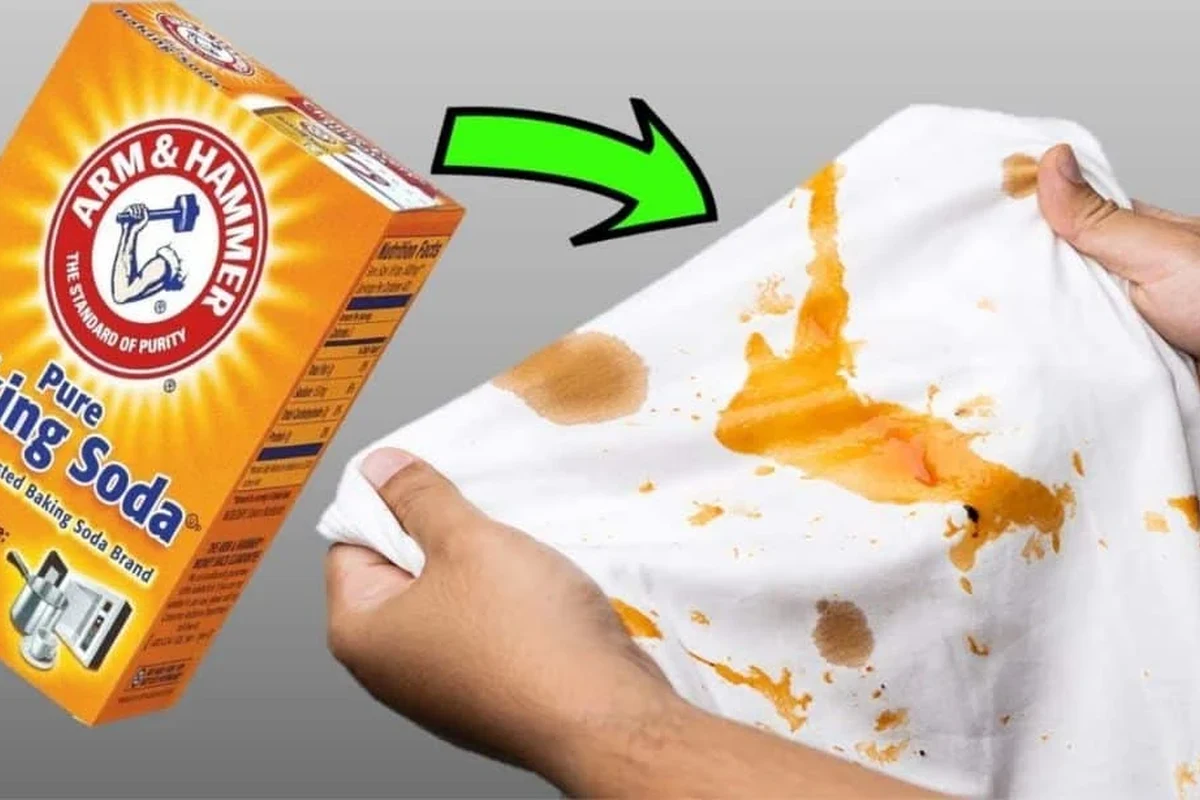
Sweat stains are usually a mix of body oils, salts, deodorant residue, and moisture that can settle into fabric fibers. Baking soda helps by acting as a mild alkaline cleaner, which can loosen oily residue and neutralize some odor-causing compounds.
It is especially useful when the stain also has a smell. That is why many people reach for baking soda for sweat stains before trying stronger stain removers.
How baking soda works on odor, oil, and yellowing
Baking soda is not a bleach, so it does not “whiten” in the same way oxygen bleach does. Instead, it helps break down surface buildup and can make the stain easier to wash away in the next cycle.
For yellow underarm marks, the problem is often long-term buildup from sweat and deodorant reacting with fabric and time. Baking soda may improve light discoloration, but older yellow stains usually need longer dwell time or a stronger follow-up treatment.
Baking soda works best as a pre-treatment helper, not as a magic one-step fix. The soaking or resting time often matters more than adding extra product.
Which fabric types usually respond best
Cotton T-shirts, athletic wear, uniforms, and many cotton-poly blends usually respond well because they can handle gentle rubbing and a normal wash afterward. These fabrics often trap sweat in the underarm area, so a paste or soak can help dislodge residue.
Delicate fabrics such as silk, wool, rayon, or embellished garments need more caution. On those items, it is safer to spot-test first or choose a cleaner recommended on the care label.
What You Need Before Treating Sweat Stains
Before you start, check the garment care label and look at the stain in good light. Fresh stains are easier to treat than set-in yellow marks, and dark clothing may show residue if too much paste is left behind.
Choosing the right baking soda paste, soak, or pre-treatment setup
A paste is best for underarm spots that are visible and concentrated. A soak is better when the odor is widespread or the stain has been sitting for a while. A wash-cycle booster works best for routine laundry care, especially when the clothing is only lightly affected.
If you are unsure, start with the gentlest method that still gives the fabric enough contact time. In stain care, more product is not always better; better contact and enough dwell time usually matter more.
Helpful add-ons: water temperature, soft brush, detergent, and white vinegar
Cool or lukewarm water is usually the safest starting point for sweat stains. Hot water can set protein-based residue and make the mark harder to remove, especially if the stain is still fresh.
A soft brush helps move the paste into the fibers without roughing up the fabric surface. Detergent can help remove the loosened residue during the wash, while white vinegar may help with odor in some cases, though it should be used carefully and never mixed with bleach.
Do not use white vinegar and chlorine bleach together. That combination can create dangerous fumes. If a garment has an unknown stain history, rinse well before switching products.
Safety notes for delicate fabrics, dark clothing, and dry-clean-only items
Always spot-test in an inside seam or hidden area first, especially on dark clothes. Baking soda can leave a pale residue if it dries on the surface, and that residue may be more visible on black or navy fabric.
Dry-clean-only items should usually stay out of home stain treatment unless the care label specifically allows spot cleaning. When in doubt, professional cleaning is the safer choice, especially for structured garments, wool coats, or special finishes.
Step-by-Step Methods for Using Baking Soda on Sweat Stains
The right method depends on how old the stain is and how much odor is trapped in the fabric. For many everyday garments, one of the simple methods below is enough to improve the result before washing.
Mix baking soda with a small amount of water until it forms a spreadable paste. Apply it directly to the stained area, gently work it in with your fingers or a soft brush, and let it sit for about 15 to 30 minutes before washing.
Dissolve baking soda in a basin of cool or lukewarm water and soak the garment for 30 minutes to several hours, depending on fabric and stain age. After soaking, rub the underarm area lightly, then wash as usual with detergent.
Add a small amount of baking soda to the wash with your normal detergent when clothing has a mild odor or light buildup. This works best as a maintenance step rather than a fix for older yellow stains.
Basic baking soda paste method for underarm stains
For a shirt collar or underarm area, the paste method is the most targeted option. Apply enough paste to coat the stain without soaking the whole garment, then let it sit until the area looks slightly damp and the paste begins to dry at the edges.
After the wait, rinse the area or place the garment directly into the wash depending on the fabric and stain severity. If the stain remains, repeat the pre-treatment instead of scrubbing harder.
The stain looks lighter at first but returns after drying.
That usually means residue was loosened but not fully removed. Re-treat the spot, use detergent in the wash, and avoid machine drying until the stain is gone.
Soak method for set-in stains and lingering odor
A soak gives baking soda more time to work through trapped odor and buildup. This is especially helpful for gym shirts, work uniforms, and clothes that were worn in warm weather.
If the fabric is sturdy, you can let it soak longer, but check it periodically. If the water turns cloudy or smells stronger, that often means the loosened residue is coming out of the fibers.
Wash-cycle booster method for routine laundry care
This method is best when the clothing is not badly stained but tends to hold odor. Add baking soda along with detergent, then wash according to the garment label and machine instructions.
For best results, do not overload the washer. Clothes need room to move so water and detergent can reach the underarm area and carry away loosened residue.
How Much Baking Soda to Use and When to Adjust the Amount
There is no single perfect measurement because fabric type, stain age, and washer size all matter. Start small, then adjust if the stain is still visible after the first treatment.
Common measurement ranges for shirts, uniforms, and activewear
For one shirt, a small paste made from a few spoonfuls of baking soda and enough water to form a spreadable texture is usually enough. For a soak, a modest amount dissolved in a basin of water is often better than packing on a thick layer.
For activewear or multiple items, use only enough baking soda to lightly support the cleaning process. Too much can leave a powdery film that is harder to rinse out, especially on synthetic fabrics.
Measuring by fabric coverage is often more useful than measuring by exact grams. The goal is even contact, not a thick crust of product.
When to increase dwell time instead of adding more product
If the stain is still there after a short treatment, try leaving the paste on a little longer before adding more baking soda. Extra dwell time gives the alkaline cleaner more opportunity to loosen residue.
This is often the better move for older sweat stains. Adding more product without enough contact time can create buildup instead of cleaning power.
How to avoid residue from using too much baking soda
Excess baking soda can cling to fibers and leave a chalky mark after drying. That risk is higher on black clothing, performance fabrics, and tightly woven cotton.
To avoid residue, use a thin layer, rinse well, and wash fully before air-drying or machine-drying. If you can still feel grit after washing, the garment likely needs another rinse.
Common Mistakes That Make Sweat Stains Harder to Remove
Most stain-care failures come from rushing the process or using the wrong water temperature. Sweat stains need a gentle but patient approach.
Using hot water too early on protein-based stains
Hot water can cause the protein portion of sweat to bind more firmly to fabric. Once that happens, the stain can become more visible and harder to lift.
Start with cool or lukewarm water unless the care label says otherwise. This is a simple step, but it often makes the biggest difference.
Scrubbing too aggressively on cotton, silk, or blends
Heavy scrubbing can rough up cotton fibers, distort blends, and damage delicate weaves. On silk or wool, aggressive rubbing may leave a dull patch even if the stain lightens.
Use a soft brush and light pressure instead. Let the baking soda do the work over time rather than forcing the stain out with friction.
Letting stains sit too long before treatment
Fresh sweat is much easier to remove than a yellow mark that has been through several wear-and-wash cycles. Once heat from drying sets the stain, it usually takes more patience and more than one treatment.
If you notice a stain, treat it before it goes into the dryer. Heat can lock in residue and make even a mild stain much more stubborn.
How Baking Soda Compares with Other Sweat-Stain Treatments
Baking soda is a useful first step, but it is not always the strongest option. The best choice depends on whether the main issue is odor, discoloration, or a deep set-in buildup.
Baking soda versus vinegar for odor and discoloration
Baking soda is often better for lifting odor and loosening oily buildup. White vinegar can help with some smells and mineral-like residue, but it is not always the best choice for every fabric or stain type.
If odor is the main problem, either can help in the right situation. If yellowing is the main problem, baking soda may be a mild helper, but it may need support from detergent or oxygen bleach.
- Good for odor and light buildup
- Usually gentle on many washable fabrics
- Easy to use as a pre-treatment
- May not remove deep yellowing alone
- Can leave residue if overused
- Not suitable for every delicate item
When laundry detergent or oxygen bleach may work better
Detergent is often the most important cleaning product because it is designed to remove soil from fabric in a full wash. For stains that are already set, oxygen bleach may be more effective than baking soda, especially on white or colorfast clothing.
Always follow the product label and the garment care label. If you are cleaning a specialty item, check the fabric manufacturer’s guidance first, much like you would verify appliance instructions before using a new kitchen tool such as the ones discussed in our guide to air fryer basket care.
Best use cases for each method based on stain age and fabric
Baking soda works best for fresh to moderately set sweat stains on washable clothes. Detergent is the everyday baseline, while oxygen bleach is often stronger for long-standing discoloration on safe fabrics.
For delicate items, the safest option may be professional cleaning rather than home treatment. For gym clothes and work shirts, a baking soda pre-soak can be a practical first pass before the wash.
Preventing Future Sweat Stains on Everyday Clothing
Prevention is often easier than stain removal. A few laundry and wardrobe habits can reduce buildup in the underarm area and help clothing last longer.
Laundry habits that reduce buildup in collars and underarms
Wash sweat-prone clothing promptly instead of letting it sit in a hamper for days. The longer sweat and deodorant residue stay on fabric, the more likely they are to set.
Turn shirts inside out before washing so the underarm area gets better water and detergent contact. If the clothes are heavily worn, avoid overloading the machine so the wash can move freely.
Deodorant and fabric-care choices that can help limit yellowing
Some deodorants and antiperspirants leave more visible residue than others, especially when layered on thick. Letting deodorant dry before dressing can also reduce transfer to fabric.
Choose fabric-care products that match the garment type. Performance fabrics, for example, often do better with simpler detergent routines and less heavy fabric softener buildup.
Storage and repeat-wear tips for gym clothes and work shirts
Do not store sweaty clothing damp in a closed bag for long periods. That can intensify odor and make the stain harder to remove later.
If you repeat-wear work shirts or gym tops, air them out fully between uses and inspect the underarm area before putting them away. A quick pre-treatment is much easier than trying to fix a deeply set stain later.
Keep laundry chemicals separate from food prep areas and wash your hands after handling stained clothing. If you use a brush or basin, rinse it well before it touches anything used for cooking or baking.
When Baking Soda Is Not Enough and What to Do Next
If the stain is old, dark, or still visible after repeated gentle treatment, baking soda may not be enough on its own. At that point, a stronger stain remover or professional cleaning may be the better route.
Signs a stain has become permanent or needs stronger treatment
If the fabric still looks yellow after washing and air-drying, or if the mark feels stiff and textured, the buildup may be deeply set. Stains that have been dried on high heat are especially difficult to reverse.
When a stain resists two or three careful treatments, it may be time to switch methods rather than continue scrubbing.
When to stop and follow the garment care label or seek professional cleaning
Stop home treatment if the care label says dry clean only, if the fabric is very delicate, or if the item has trims, embroidery, or special finishes. Those details can be damaged by moisture, brushing, or repeated soaking.
If the garment is important, expensive, or sentimental, professional cleaning is often the safest next step. That is especially true when the stain is on wool, silk, structured jackets, or formalwear.
Final recap for choosing the safest and most effective cleaning approach
Baking soda for sweat stains works best as a gentle first-line treatment for washable clothes. Start with a paste, soak, or wash booster, use cool or lukewarm water, and give the fabric enough time to release the residue.
If the stain is old or stubborn, move to a stronger approved cleaner instead of over-scrubbing. The safest approach is usually the one that matches the fabric, the stain age, and the care label.
Frequently Asked Questions
It can help lift fresh sweat stains and reduce odor, especially on washable cotton and blends. Older yellow stains may need longer treatment or a stronger cleaner.
Cool or lukewarm water is usually the safer choice at first. Hot water can set protein-based residue and make the stain harder to remove.
A paste is often left on for about 15 to 30 minutes, while a soak may take longer depending on the fabric and stain age. If the stain is old, longer dwell time is often better than adding more product.
Yes, but use a thin layer and rinse well because residue can show on dark fabric. Spot-test first if the garment is delicate or color-sensitive.
Those fabrics need extra caution, and baking soda may not be the best choice. Check the care label first and consider professional cleaning for delicate items.
Do not machine-dry the item until the stain is gone, because heat can set it. Re-treat gently or switch to a stronger cleaner such as detergent-based stain treatment or oxygen bleach if the care label allows it.
