
What Does Baking Soda Do in Cookies and Why It Matters
Baking soda helps cookies spread, brown, and bake up tender by reacting with acids in the dough. If the amount is off, cookies can turn flat, pale, bitter, or soapy.
When you ask what does baking soda do in cookies, the short answer is that it helps cookies spread, brown, and bake up with a lighter, more tender texture. It also changes flavor and color in ways that can make one cookie recipe taste very different from another.
- Start accurately: Check measurements, equipment, and the intended result.
- Expect variation: Ovens, pans, ingredients, appliances, and local conditions can change outcomes.
- Use safe guidance: Follow food-safety and manufacturer instructions where relevant.
- Verify changing details: Confirm current prices, specifications, tuition, and accreditation on official sources.
What Baking Soda Actually Does in Cookies: The Science Behind the Lift
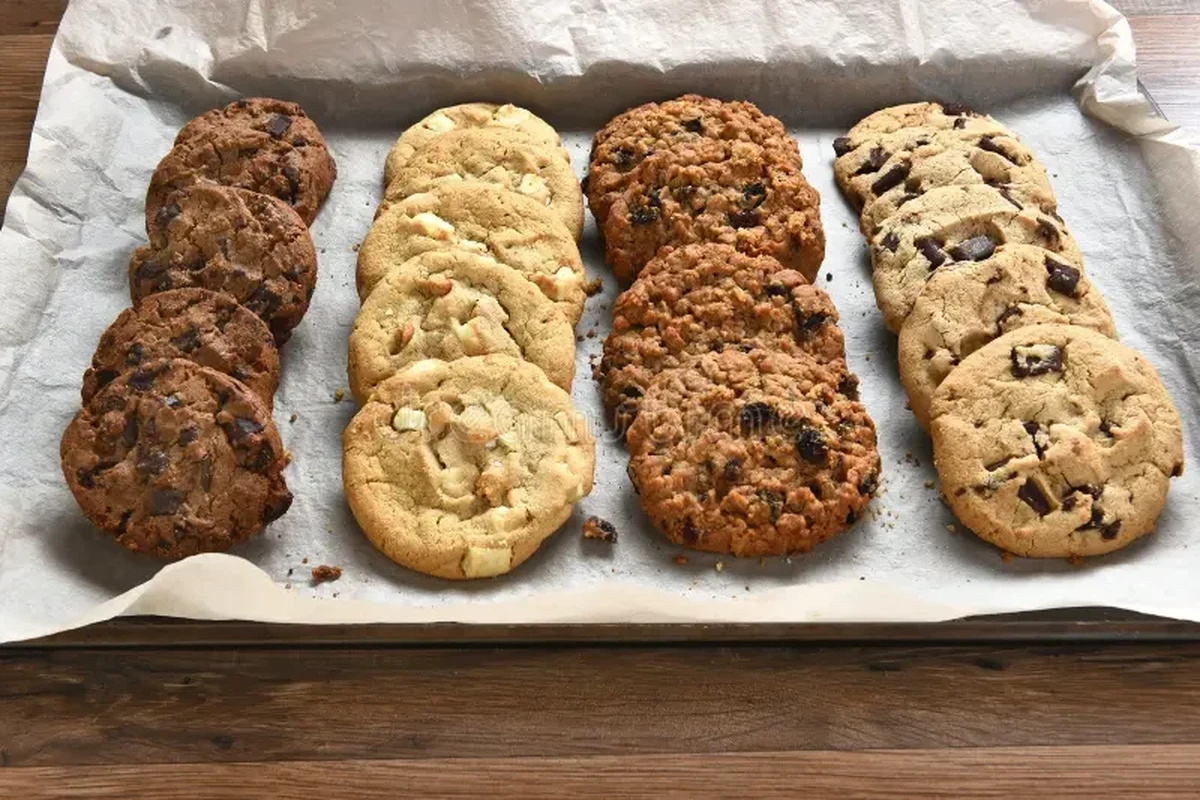
Baking soda is sodium bicarbonate, a base that needs an acid to create carbon dioxide gas. In cookie dough, that gas helps the dough expand in the oven, but baking soda also affects pH, which changes browning, flavor, and texture.
Unlike yeast, baking soda works fast and does not need time to ferment. That makes it useful in cookies, where the goal is usually a quick rise, controlled spread, and a finished texture that is crisp at the edges or soft in the center, depending on the recipe.
How baking soda creates spread, browning, and a tender bite
As cookie dough heats, butter melts, sugar dissolves, and the gas from baking soda expands. That combination encourages spread before the dough sets, which is why many baking soda cookies look flatter and wider than cookies made with other leaveners.
Baking soda also raises the dough’s pH, which speeds up browning through the Maillard reaction. That is why cookies with baking soda often develop deeper golden edges and a richer, more toasted flavor.
It can also make cookies feel more tender. A slightly higher pH weakens gluten development a bit and changes how proteins set, which often gives cookies a softer bite rather than a bready one.
Why cookies taste different when baking soda is present
Baking soda does more than add lift. It can reduce sharp acidity in the dough, so flavors like chocolate, spice, caramel, and molasses may taste rounder and more balanced.
When used well, baking soda can make a cookie taste fuller and more complex. When used poorly or in excess, it can leave a soapy, metallic, or alkaline taste that stands out right away.
Baking soda is stronger than baking powder by weight, so small measurement errors can change cookie spread, color, and flavor much more than many home bakers expect.
How Baking Soda Interacts with Common Cookie Ingredients
Cookie dough is a system, not a single ingredient. Baking soda behaves differently depending on the amount of acid, fat, sugar, eggs, and flour in the recipe.
Acids in cookie dough: brown sugar, molasses, yogurt, citrus, and chocolate
Acidic ingredients help baking soda do its job. Brown sugar, molasses, yogurt, sour cream, citrus juice, natural cocoa, and some chocolates can all provide the acid needed to activate it.
That is why ginger cookies, chocolate cookies, and molasses cookies often use baking soda. Their ingredients naturally support the chemical reaction that produces lift and browning.
If a dough has very little acid, baking soda may not fully react. The result can be a cookie that tastes flat or slightly bitter because some unreacted soda remains in the dough.
Why fat, sugar, eggs, and flour change the way baking soda performs
Butter and shortening affect how quickly cookies spread before they set. More fat usually means more spread, and baking soda can amplify that effect because the dough expands earlier in the bake.
Sugar also matters. White sugar encourages spread and crispness, while brown sugar holds more moisture and often creates a softer, thicker cookie. Eggs add structure and moisture, which can reduce excessive spread and help the cookie set more evenly.
Flour provides the structure that holds the gas bubbles in place. Too little flour can make a cookie collapse, while too much flour can make it dry and dense even if the baking soda is correct.
Examples of cookie styles that rely on baking soda versus other leaveners
Classic chocolate chip cookies, ginger cookies, molasses cookies, and many peanut butter cookies often rely on baking soda for spread and browning. Their texture usually benefits from a faster reaction and a more pronounced golden color.
Some cakier cookies, like certain sugar cookies or frosted drop cookies, may use baking powder instead, or a mix of both. Baking powder brings its own acid, so it can create lift even when the dough has little natural acidity.
Many recipes use both baking soda and baking powder. That is not a mistake; it is often a way to balance spread, height, and browning in the finished cookie.
How Much Baking Soda to Use in Cookies and Why Measurement Matters
The right amount depends on the recipe, but cookie formulas usually use a small quantity because baking soda is powerful. Too little can leave cookies pale and tight; too much can make them taste odd and spread too far.
Typical ratios and what happens when the amount is too low or too high
Many cookie recipes use a fraction of a teaspoon to about one teaspoon of baking soda per batch, depending on the yield and the acidity of the dough. The exact amount should come from the recipe rather than a guess.
If the amount is too low, cookies may bake up pale, thick, and underbrowned. If the amount is too high, they may spread aggressively, develop a coarse texture, or leave a soapy aftertaste.
How to measure baking soda accurately in home baking
Use a level measuring spoon, not a heaping one. Baking soda is light and compactable, so scooping loosely or packing it down can change the amount more than you think.
If a recipe is scaled up or down, recalculate carefully instead of guessing. Small differences matter more with baking soda than with many other dry ingredients.
Stir baking soda into the dry ingredients before adding them to the wet mixture. This helps distribute it evenly so you do not get bitter pockets in the baked cookies.
Signs a recipe has an imbalance in leavening
Uneven leavening often shows up in the cookie’s shape and color. A dough that spreads too much, browns too fast, or tastes alkaline may have too much baking soda or too little acid.
If the cookies stay unusually thick, look underbaked in the center, and remain pale even after enough time in the oven, the recipe may not have enough leavening or the oven may be too cool.
What Happens When You Omit Baking Soda or Swap It for Baking Powder
Replacing baking soda is not always a one-to-one change. The cookie may still bake, but the texture, color, and flavor can shift enough that the recipe no longer behaves the same way.
Texture, color, and spread changes to expect
Without baking soda, cookies often spread less and brown more slowly. They can end up thicker, lighter in color, and sometimes more cake-like or bready than intended.
If you swap in baking powder, the cookie may rise more and spread less, especially if the recipe originally depended on baking soda’s stronger alkalinity. That can be useful in some doughs, but it can also make a classic cookie taste and look different from the original.
When baking powder can work and when it changes the cookie too much
Baking powder can work when a recipe has little natural acid and you want a softer, puffier cookie. It is often more forgiving in recipes that need a gentler rise.
It is less ideal when the goal is a deeply browned, chewy cookie with noticeable spread. In those cases, replacing baking soda can mute flavor development and alter the final texture more than expected.
Do not swap leaveners blindly in a recipe that was developed with a specific balance of acid and base. A direct swap can change both flavor and structure, not just rise.
Practical examples from classic chocolate chip, ginger, and snickerdoodle-style cookies
Chocolate chip cookies often rely on baking soda for spread, chew, and a deeper golden edge. If you remove it, the cookie may stay thicker and taste less caramelized.
Ginger and molasses cookies usually need baking soda because the dough contains acidic ingredients that help create the desired dark color and soft chew. Without it, the cookies can look dull and taste less lively.
Snickerdoodles commonly use baking soda for a tangy, tender crumb and a characteristic spread. Baking powder can make them puffier and less classic in both texture and flavor.
Common Baking Soda Mistakes That Affect Cookie Results
Many cookie problems are not caused by the oven alone. Baking soda mistakes can show up as flavor defects, poor color, or strange texture even when the rest of the recipe is sound.
Using expired or poorly stored baking soda
Baking soda does not “go bad” in the same way fresh dairy does, but it can lose performance if it picks up moisture or odors from the pantry. Old product may also be less reliable if it has been open for a long time.
Store it sealed in a dry cabinet, away from strong-smelling foods. Because it absorbs odors, it can affect flavor if it sits uncovered near spices, onions, or other pungent items.
Mixing errors that leave bitter spots or uneven rise
If baking soda is not mixed evenly into the flour, one part of the dough may get more than another. That can cause blotchy browning, uneven spread, or a bitter bite in isolated spots.
Overmixing after adding flour can also be a problem. It can strengthen gluten too much, which makes the cookie tougher and can mask the tenderizing effect baking soda usually provides.
Use clean, dry measuring spoons and keep baking soda away from raw dough that contains eggs or flour you plan to eat uncooked. Raw flour and raw eggs can carry food safety risks, so follow recognized guidance and bake cookies fully before serving.
Overbaking, underbaking, and how leavening can hide or worsen those issues
Baking soda can make a cookie look done before it is fully set, especially if the edges brown quickly. That can tempt bakers to pull the tray too early or too late depending on the visual cue they trust most.
Underbaked cookies may look soft but collapse as they cool. Overbaked cookies can become dry and hard, and the strong browning from baking soda may hide that dryness until the first bite.
How to Troubleshoot Flat, Pale, Puffy, or Soapy Cookies
Cookie appearance gives useful clues. Spread, color, and texture usually tell you whether the issue is the leavener, the dough balance, or the baking method.
Reading cookie spread, color, and texture as clues
Flat and very brown cookies often point to too much baking soda, too much sugar, warm dough, or a pan that is too hot. Thick and pale cookies may mean not enough baking soda, too much flour, or an oven that runs cool.
Puffy cookies that do not spread much can mean the dough is too cold, the flour is too high, or baking powder is doing most of the work. Soapy flavor is one of the clearest signs that the baking soda level is too high for the recipe’s acid content.
Cookies spread too much and taste slightly bitter.
Check whether the recipe has enough acid, measure the baking soda carefully, and confirm that the butter was not overly soft before mixing.
Adjustments for altitude, oven temperature, and ingredient changes
At higher altitude, cookies may spread and dry out faster because air pressure changes how steam and gas behave. Bakers often need small recipe adjustments, but the best fix depends on the specific altitude and recipe style.
Oven temperature matters too. A cooler oven can let cookies spread too long before setting, while a hotter oven can brown the outside before the center finishes.
Ingredient changes also matter. Different brands of flour, cocoa, butter, and brown sugar can alter moisture and acidity, which changes how baking soda performs.
When the issue is baking soda and when it is the method
If the dough is mixed unevenly, chilled too long, or baked on a dark pan, those factors can look like a leavening problem. Before changing the recipe, check the method, oven calibration, and pan material.
If the same recipe keeps turning out bitter, flat, or oddly pale even after method fixes, then the balance of baking soda to acid may be the real issue.
Storage, Freshness, and Kitchen Safety for Baking Soda in Cookie Baking
Good storage and simple freshness checks help prevent wasted batches. They also make it easier to trust the recipe’s results from one bake to the next.
How to test baking soda for freshness before baking
A quick freshness test is to add a small amount of baking soda to vinegar or another acidic liquid. If it fizzes immediately, it is still active enough for basic baking checks.
This test does not measure exact strength, but it can help you spot a product that has absorbed moisture or lost reliability. If the reaction is weak, replace the box before baking cookies you care about.
Best storage practices for pantry performance and odor control
Keep baking soda in a tightly closed container in a cool, dry place. If you use it for both baking and deodorizing, store the food-grade box separately so it does not pick up unwanted smells.
Label opened boxes with a date if your pantry is busy. That makes it easier to track freshness and avoid confusion with baking powder or other white powders in the kitchen.
Safe handling and avoiding confusion with baking powder
Baking soda and baking powder look similar, but they are not interchangeable in every recipe. Read the label every time, especially if you keep both products near each other.
For home bakers, the main safety issue is simple mix-ups and poor storage, not the ingredient itself. Keep packages clearly labeled and out of reach of children if your kitchen setup calls for it.
Final Verdict: When Baking Soda Is the Right Choice for Better Cookies
Baking soda is the right choice when you want cookies that spread, brown well, and taste balanced rather than flat. It is especially useful in recipes with acidic ingredients or in styles where chew, caramelization, and a tender bite matter most.
If you are adjusting a recipe, start by keeping the baking soda amount as written and changing only one variable at a time. That approach makes it much easier to tell whether the issue is the leavener, the mixing method, or the oven.
For readers exploring baking technique more broadly, it can also help to understand how other kitchen tools affect heat and texture. If you are comparing countertop appliances for different cooking tasks, our guides on air fryer preheating and air fryer electricity use show how timing and heat control shape results in a different kind of baking environment.
In the end, baking soda is not just a lift ingredient. It is a texture tool, a browning helper, and a flavor shaper, which is why it matters so much in cookies.
Use baking soda when you want better spread, stronger browning, and a more tender cookie, especially in recipes with acidic ingredients. Keep it measured carefully, stored well, and matched to the recipe rather than swapping it casually.
Frequently Asked Questions
You can, but the cookies will usually spread less, brown less, and taste different. The exact result depends on the recipe and whether it already has another leavener.
Sometimes, but it is not a perfect swap. Baking powder can make cookies puffier and less browned, so the texture may change a lot.
Soapy flavor usually means there is too much baking soda for the amount of acid in the dough. It can also happen if the soda was not mixed evenly.
Mix a little with vinegar or another acid and look for a strong fizz. If the reaction is weak, replace it before baking.
Flat cookies can happen if the butter is too soft, the dough is warm, the flour is too low, or the oven runs hot. Baking soda is only one part of the spread equation.
Yes, when it is used in the right amount and the cookies are baked fully. For safety, follow food guidance on raw flour and eggs and avoid eating uncooked dough.
