
Can You Brush Your Teeth with Baking Soda Safely

Yes, you can brush your teeth with baking soda occasionally, but it should not replace fluoride toothpaste. Use it gently and stop if you notice sensitivity or irritation.
Yes, you can brush your teeth with baking soda in some situations, but it should be treated as an occasional helper, not a full replacement for toothpaste. The safest approach is to understand what it can do, what it cannot do, and when to stop.
- Occasional use only: Baking soda can help lift surface stains, but it is not a daily toothpaste.
- Gentle technique matters: A soft brush and light pressure reduce the chance of enamel wear and gum.
- Fluoride still matters: Daily fluoride toothpaste remains the standard for cavity prevention.
- Not a whitening cure: Baking soda may brighten teeth a little, but it will not match professional whitening.
- Watch for warning signs: Sensitivity, bleeding, or pain means it is time to stop and ask a dentist.
Can You Brush Your Teeth with Baking Soda Safely in 2026?
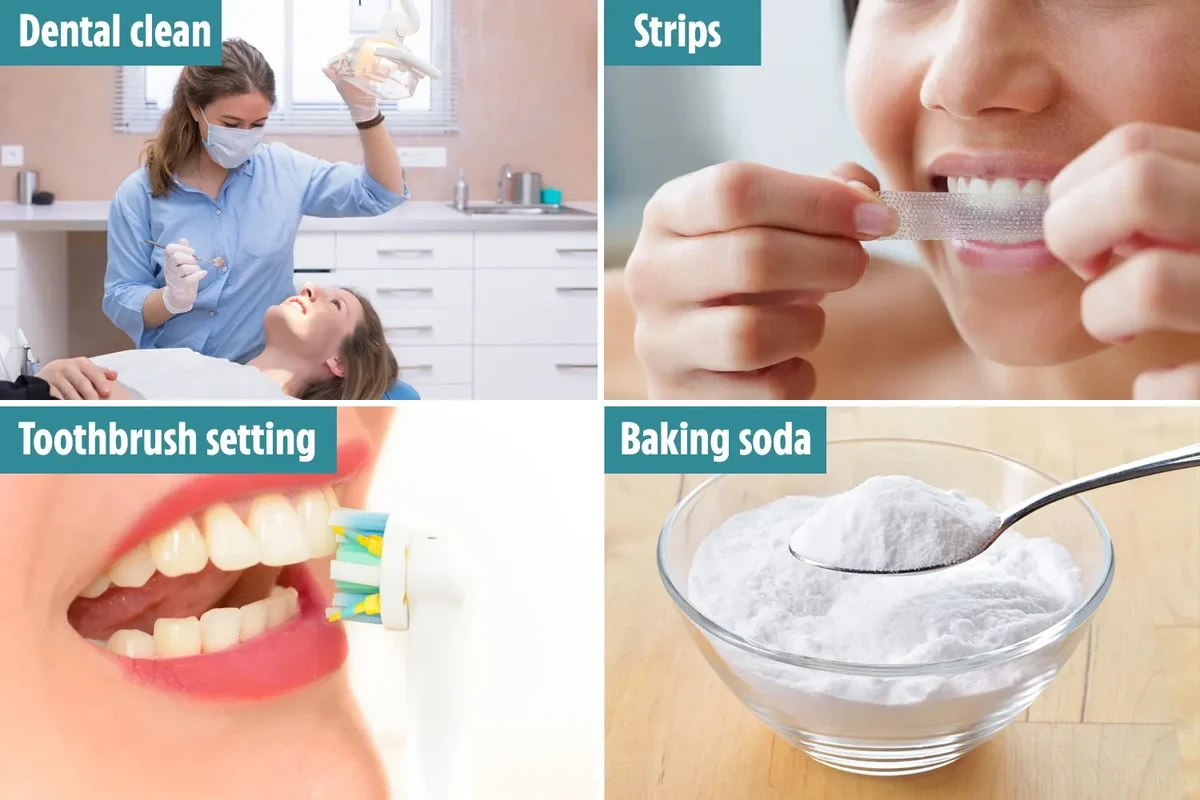
Baking soda still shows up in oral-care searches because it is inexpensive, easy to find, and often mentioned as a simple whitening trick. People also like the idea of using one pantry ingredient for multiple jobs, which fits the same practical mindset behind many home-care topics we cover at Baking Pastry Schools, from kitchen shortcuts to product comparisons like whether air fryers are worth it.
Why this question is still popular in oral-care searches
The question stays popular because baking soda has a reputation for cleaning power without sounding harsh. It is also easy to mix with water and use right away, so it feels like a low-cost alternative to commercial products.
That said, “popular” does not always mean “best for daily use.” A simple ingredient can still have limits, especially when it touches enamel and gums every day.
What “safe” means for short-term vs. long-term use
In the short term, baking soda is generally considered mild compared with many gritty homemade scrubs. For occasional use, it may help lift surface stains and freshen the mouth.
Long-term safety is a different question. Daily brushing with baking soda alone can leave out fluoride protection and may become too abrasive for some people if they brush hard or use it too often.
If you have tooth pain, bleeding gums, loose teeth, or strong sensitivity, do not rely on baking soda to solve the problem. Those symptoms can point to decay, gum disease, or enamel loss that needs dental care.
How Baking Soda Works on Teeth and Plaque
Baking soda works mainly through gentle abrasion and chemistry. It is not a magic whitening agent, but it can change the mouth environment in ways that help with cleaning.
Mild abrasiveness and surface stain removal
Baking soda is mildly abrasive, which means it can help scrub away some surface stains from coffee, tea, wine, and food. Think of it like a very fine cleaning powder rather than a polish.
That can make teeth look a little brighter, especially if the discoloration is only on the surface. It will not change the natural color of enamel or remove deeper stains inside the tooth.
Alkalinity and its effect on mouth acidity
Baking soda is alkaline, so it can help neutralize acids in the mouth after eating or drinking. That matters because frequent acid exposure can soften enamel and make teeth more vulnerable to wear.
By reducing acidity, baking soda may make the mouth feel cleaner and less sharp after acidic foods. Still, it is not a substitute for regular brushing, flossing, and dental checkups.
What baking soda can and cannot do compared with toothpaste
Baking soda can help with surface cleaning, but toothpaste is designed to do more. Most daily toothpastes include fluoride, and fluoride helps strengthen enamel and lower cavity risk.
Many whitening toothpastes rely on mild abrasives and chemistry, not bleach. That is one reason baking soda can seem effective at first, even though it does not behave like professional whitening treatment.
Benefits People Look For When Using Baking Soda
People usually reach for baking soda because they want a cheaper, simpler way to improve the look and feel of their teeth. The appeal is understandable, especially when the goal is minor stain support rather than major cosmetic change.
Whitening expectations vs. realistic stain reduction
The biggest benefit people hope for is whiter teeth. In reality, baking soda is better at reducing surface stains than producing dramatic whitening.
If your teeth look dull from coffee or tea, you may notice a modest improvement. If the color change is deeper or uneven, baking soda is unlikely to deliver the result you want.
Freshening breath and reducing odor
Baking soda may help freshen breath because it can reduce acidity and loosen residue that feeds odor. That can make the mouth feel cleaner for a short time.
However, bad breath that keeps coming back may be linked to dry mouth, gum disease, cavities, or digestive issues. In those cases, a powder rinse is only a temporary fix.
Budget-friendly use and simple ingredient appeal
Another reason baking soda stays popular is cost. Many households already keep it in the kitchen, so it feels easy to try without buying a special product.
The ingredient is also straightforward. There are no long labels to decode, which appeals to people who prefer simple routines and clear ingredients.
Simple does not always mean better for every mouth. Teeth with thin enamel, exposed roots, or sensitivity often need gentler daily care than a homemade abrasive can provide.
Risks, Side Effects, and When It Can Be Too Abrasive
The main concern with baking soda is not that it is automatically dangerous. The concern is that it can become too much if it is used too often, too aggressively, or in place of a complete toothpaste routine.
Enamel wear, gum irritation, and sensitivity concerns
Even mild abrasives can wear on teeth over time if the brushing technique is rough. That is especially true if you use a hard-bristled brush, scrub in a hurry, or brush right after acidic foods when enamel is temporarily softer.
Some people also notice gum irritation or increased sensitivity. If your teeth feel squeaky, tender, or “thin” after use, that is a sign to scale back.
Overbrushing, frequency mistakes, and dry-mouth issues
Using baking soda too often can create a false sense of cleanliness while skipping fluoride protection. Overbrushing is another common mistake, and it can be just as problematic as the ingredient itself.
Dry mouth can also make the mouth more vulnerable to decay and discomfort. If you already struggle with low saliva, ask a dentist before turning baking soda into a regular habit.
Who should avoid DIY brushing with baking soda
People with sensitive teeth, receding gums, braces, dental restorations, or active oral health problems should be cautious. Baking soda may be too rough for some mouths, especially if the enamel surface is already compromised.
If you are treating a child’s teeth, a cosmetic issue, or an ongoing dental concern, it is better to use a dentist-approved product instead of guessing at a home remedy.
Do not mix baking soda with harsh acids, bleach, or other household cleaners for oral use. A kitchen ingredient is not automatically safe once it is combined with something stronger.
How to Use Baking Soda More Safely If You Choose to Try It
If you want to try baking soda, keep the approach gentle and occasional. The goal is to reduce surface stain buildup, not to scrub your teeth like a pan.
Proper amount, brushing method, and timing
Use a small amount and a soft toothbrush. Light pressure matters more than speed, because heavy scrubbing increases the chance of enamel wear and gum irritation.
It is usually smarter to brush after a meal has passed and the mouth is not freshly exposed to acid. If you have just had citrus, soda, vinegar-heavy foods, or wine, wait before brushing.
How often to use it without replacing fluoride toothpaste
Baking soda should not become your only toothpaste. Fluoride toothpaste remains the daily standard for cavity prevention, and that is the part baking soda does not replace.
If you use baking soda at all, keep it occasional and continue regular brushing with fluoride toothpaste the rest of the time. For many people, that means baking soda is a backup, not the main routine.
Practical examples of safer at-home routines
A safer routine might be to brush with fluoride toothpaste twice a day and use baking soda only now and then for surface stain support. Another option is to ask your dentist whether a whitening toothpaste or sensitivity formula would fit your needs better.
If you want a simple comparison mindset, think about it the way you would compare whether air fryers are healthy versus what they replace. The question is not only whether something works, but whether it works well enough to justify using it often.
- Use a soft toothbrush.
- Apply very light pressure.
- Avoid brushing right after acidic foods.
- Keep fluoride toothpaste in your daily routine.
What Dentists Recommend Instead of Making Baking Soda Your Main Toothpaste
For everyday oral care, dentists generally rely on fluoride toothpaste because it protects enamel while cleaning. Baking soda can help in certain cases, but it is not the full package.
Fluoride toothpaste as the daily standard
Fluoride toothpaste is designed for daily cavity prevention and routine cleaning. It gives you a more complete approach than baking soda alone, especially if your diet includes frequent snacks, coffee, or acidic drinks.
That is why most people should think of baking soda as optional, not foundational. The daily foundation should still be a toothpaste that fits your dental needs.
When dentist-guided whitening or sensitivity products make more sense
If your main goal is whitening, dentist-guided whitening products or approved whitening toothpastes may be a better fit. They are made for a more predictable result than a pantry ingredient.
If your main concern is sensitivity, a dentist may suggest a product made for that issue rather than a scrub that could make it worse.
How to compare DIY methods with approved oral-care products
DIY methods are attractive because they are cheap and simple, but approved products are usually tested for a specific use. That matters when the goal is not just a cleaner feel, but long-term oral health.
If you are comparing options, choose the one that matches your actual problem: stain control, cavity prevention, breath freshness, or sensitivity relief.
- Low cost
- Simple ingredient
- Can help with surface stains
- No fluoride protection
- Can be abrasive if overused
- Not a true whitening treatment
Common Mistakes People Make with Baking Soda Oral Care
Most problems come from overconfidence. Baking soda is easy to use, so it is also easy to misuse.
Mixing it with harsh ingredients or using too much pressure
One common mistake is adding rough scrubbing, extra powders, or strong ingredients to “boost” the effect. That usually increases irritation instead of improving results.
Another mistake is pressing harder because the mouth does not feel clean fast enough. In oral care, more force is rarely the answer.
Assuming it whitens like professional treatment
Baking soda may brighten teeth a little, but it does not act like a professional whitening system. If you expect a dramatic color change, you may overuse it and cause damage while chasing a result it cannot deliver.
That gap between expectation and reality is where many DIY routines go wrong.
Ignoring cavities, gum disease, or ongoing sensitivity
If you keep using baking soda while ignoring pain, bleeding, or sensitivity, you may delay proper treatment. A cosmetic shortcut should never replace care for a real dental issue.
For persistent symptoms, the right move is a dental exam, not a stronger homemade mix.
Final Verdict: Should You Brush Your Teeth with Baking Soda?
For occasional stain support, yes, baking soda can be used carefully by some people. For daily oral care, it should not replace fluoride toothpaste or professional guidance.
Best-use summary for occasional stain support
The best use is light, occasional brushing with a soft brush and gentle pressure. That keeps the method closer to a surface-cleaning helper than a full-time routine.
When to stop and ask a dental professional
Stop if you notice sensitivity, gum irritation, or a rough feeling on your teeth. Ask a dental professional if you have pain, bleeding, dry mouth, or stains that do not improve.
Editorial Team recap on safe, realistic use
Our Baking Pastry Schools Editorial Team recommends treating baking soda like a backup tool: useful in small doses, but not a replacement for the standard daily routine. If you use it, keep it gentle, occasional, and paired with fluoride toothpaste for the long term.
Can you brush your teeth with baking soda safely? Yes, sometimes, but only as an occasional stain helper and not as your main toothpaste. For most people, the smarter choice is fluoride toothpaste every day and dentist-guided care when whitening or sensitivity is the real goal.
Frequently Asked Questions
No. Baking soda can help with surface cleaning, but it does not provide the fluoride protection most people need for daily cavity prevention.
Occasional use is the safer approach for most people. If you want to use it more often, ask a dentist whether it fits your teeth and gums.
It can reduce some surface stains and make teeth look a little brighter. It does not bleach teeth or change the natural tooth color.
It can contribute to wear if you brush too hard or use it too often. The risk is higher if your enamel is already sensitive or worn.
Stop using it and switch back to a gentler fluoride toothpaste. If the sensitivity continues, schedule a dental checkup.
No. People with gum recession, sensitivity, braces, or ongoing dental problems should be cautious and get personalized advice from a dental professional.