
Are Air Fryers Bad for Health? What the Evidence Actually Says
If you own an air fryer or are thinking about buying one, here’s the short answer: air fryers are not inherently bad for health. In most kitchens, they’re best understood as a better alternative to deep frying, not a magic health appliance.
Can air fryers cause cancer? There is no good evidence that the appliance itself causes cancer; the concern is that high-heat cooking of some foods can create browning compounds such as acrylamide, especially in starchy foods that are cooked very dark.
What matters most is what you cook, how hot you cook it, and how browned it gets. Air frying can lower oil use and cut fat compared with deep frying, but it can still create unwanted compounds in some foods if you overcook them or push them too far toward dark browning.
So the real question is not “Are air fryers dangerous?” It’s “How do I use one in a way that makes sense for health?”
How Air Fryers Work and Why They’re Different from Deep Frying
An air fryer cooks food by moving hot air quickly around it. That circulation helps food brown and crisp without needing a lot of oil. In practice, it sits somewhere between a small convection oven and a very fast roasting setup.
That’s why an air fryer usually behaves differently from:
- Deep frying, where food is submerged in oil
- Pan frying, where food sits in a layer of oil or fat
- Oven baking or roasting, where dry heat is used more slowly and less aggressively
The biggest health difference comes from how much oil the food absorbs. Deep-fried foods often end up much higher in fat and calories than the same food air fried with just a light coating of oil, or none at all. But air frying does not automatically make food healthy if the base food is highly processed.
A basket of frozen breaded snacks is still a basket of frozen breaded snacks. The air fryer may be a better cooking method than deep frying, but it does not change the ingredient list.
The Main Health Benefits: Less Oil, Less Fat, Fewer Calories
The strongest case for air fryers is simple: they can help you cook with less oil.
That matters most when you’re replacing deep-fried foods. For example:
- Air-fried potato wedges can be much lighter than fries cooked in a deep fryer
- Air-fried chicken strips usually need far less oil than pan-fried versions
- Air-fried frozen foods often come out crisp enough without extra oil at all
For parents, that can be a practical win. If your child wants nuggets or fries, an air fryer may let you serve a familiar food with less oil than takeout or deep frying at home.
There’s also a convenience benefit. When food is crisp without being oily, people often find it easier to keep portions reasonable. That doesn’t turn fries into a health food, but it can make everyday meals less heavy.
The trade-off is worth keeping in mind: less oil does not always mean more nutrition. Air frying a highly processed frozen snack is still different from air frying vegetables or fish.
Potential Health Concerns: Acrylamide, Overbrowning, and High Heat
This is the part that worries most people, and it’s worth taking seriously without overreacting.
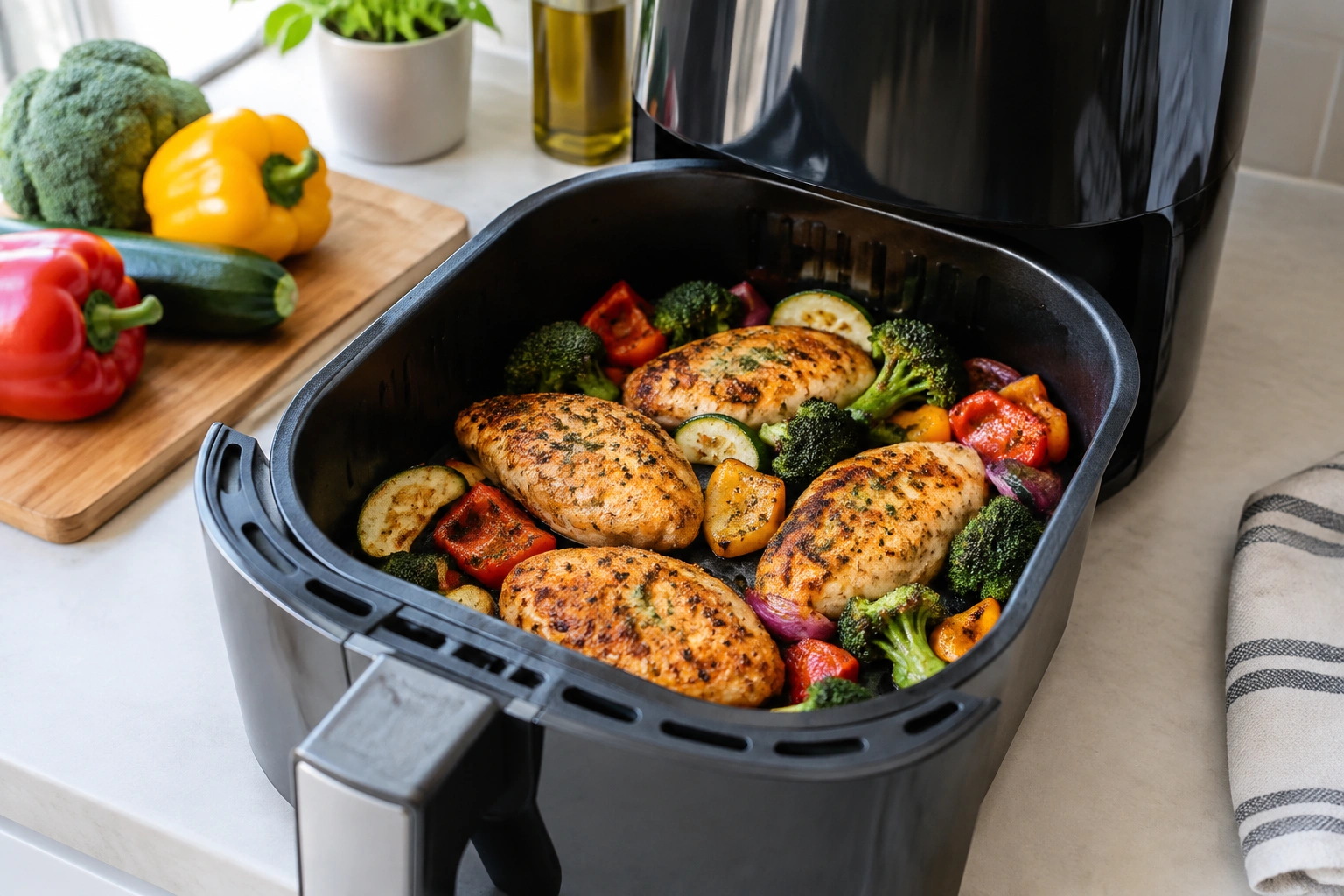
Acrylamide in starchy foods
Acrylamide can form when starchy foods are cooked at high temperatures, especially when they become very browned. That includes foods like:
- Potatoes
- French fries
- Potato wedges
- Breaded snacks
- Some baked goods
The issue is not unique to air fryers. Acrylamide can also form in baked, roasted, or fried foods. The concern is mostly about high heat plus browning, not the appliance itself.
The U.S. FDA advises reducing acrylamide by avoiding overly dark browning and following smart cooking practices for starchy foods. Their guidance is useful whether you bake, roast, or air fry. You can read the FDA’s advice on acrylamide in foods if you want the official overview.
The practical takeaway is straightforward: golden is better than dark brown, and dark brown is better than blackened. If potato wedges or fries are coming out very dark, you’re probably cooking them longer or hotter than needed.
Overbrowning and charring
Air fryers are very good at browning food quickly. That’s part of the appeal, but it also means they can overshoot fast.
I’ve seen this happen most often with:
– Thin potato slices
– Breaded foods
– Small vegetables
– Lean meats with sugary marinades
If the outside is getting too dark before the inside is done, lower the temperature a bit and cook longer. That usually gives you a better result than blasting the food at the highest setting.
PAHs and other high-heat compounds
Some studies have looked at whether polycyclic aromatic hydrocarbons (PAHs) can form during air frying, but the evidence is limited and indirect, so it’s better to treat this as a possible high-heat cooking concern rather than a settled air-fryer-specific risk.
The bigger pattern is the same: the more smoke, charring, and overheating you get, the more you invite unwanted compounds.
Does Air Frying Damage Nutrients or Food Quality?
Air frying can affect food quality, but it’s not accurate to say it “destroys nutrients” across the board.
Most cooking methods change food somewhat. Heat can reduce certain vitamins in vegetables, and that includes baking, roasting, steaming, and air frying. In a side-by-side comparison, steaming often preserves the most water-soluble nutrients, while air frying, baking, and roasting are usually in a similar range depending on time and temperature.
In everyday cooking, the more practical concerns are usually:
- Texture: Some foods dry out faster in an air fryer
- Moisture: Lean meats can become less juicy if overcooked
- Surface browning: Great for flavor, but too much browning is not ideal
- Specific compounds: Some high-heat byproducts may increase if you cook too aggressively
For many foods, the nutrition difference between air frying and oven roasting is small. If you’re air frying broccoli, salmon, or chicken thighs, you’re not suddenly turning them into unhealthy foods. The main issue is whether you cook them gently enough to keep quality high.
One thing I do in my own kitchen: if a food is already delicate, I check it early rather than relying on the full timer. That’s especially true for fish, thin-cut chicken, and vegetables with a lot of surface area.
Air Fryer vs Deep Fryer vs Oven Baking vs Roasting vs Pan Frying
Here’s a simple comparison to help put the health question in context.
| Cooking method | Fat use | Acrylamide / browning concern | Nutrient retention | Best fit |
|---|---|---|---|---|
| Air fryer | Low | Can be an issue with starchy foods if overbrowned | Generally reasonable | Crispy foods with less oil |
| Deep fryer | High | Can also produce browning compounds; more oil exposure | Often less favorable because of absorbed oil | Traditional fried foods |
| Oven baking | Low to moderate | Similar browning concerns at high heat | Usually good | Larger batches, hands-off cooking |
| Roasting | Low to moderate | Similar to baking; depends on temperature and time | Usually good | Vegetables, meats, tray meals |
| Pan frying | Moderate to high | Can brown quickly; oil level matters | Depends on heat and oil amount | Quick-cook foods and searing |
The biggest takeaway is this: air frying is usually healthier than deep frying, but it is not automatically better than baking or roasting.
For example:
– Air-fried chicken wings may be lighter than deep-fried wings
– Oven-roasted vegetables may be very similar to air-fried vegetables
– Pan-fried fish in a lot of oil may be less ideal than air-fried fish
– A carefully baked potato can be just as sensible as an air-fried one
So if you already bake or roast well, an air fryer may be more about convenience and texture than a major health upgrade.
What Foods Are Best to Cook in an Air Fryer—and What to Limit
Some foods are simply better suited to air frying than others.
Better choices
These tend to work well:
– Vegetables like Brussels sprouts, cauliflower, zucchini, and carrots
– Salmon and other fish fillets
– Chicken pieces
– Homemade potato wedges with modest oil
– Reheated leftovers that need crisping
– Tofu and tempeh
These foods benefit from the air fryer because they can brown nicely without needing much oil.
Foods to limit or watch carefully
These are more likely to become a problem if you cook them too often or too aggressively:
– Very starchy foods cooked until dark brown
– Heavily breaded frozen snacks
– Foods with sugary marinades that burn easily
– Very fatty foods that smoke a lot
– Anything you regularly cook until blackened
That doesn’t mean you can never air fry fries or breaded chicken. It means those foods deserve more attention to time and temperature. If your fries are always coming out dark, that’s a sign to adjust the method, not just keep pushing through.
How to Use an Air Fryer in the Healthiest Way
A few practical habits make the biggest difference.
Aim for golden, not dark
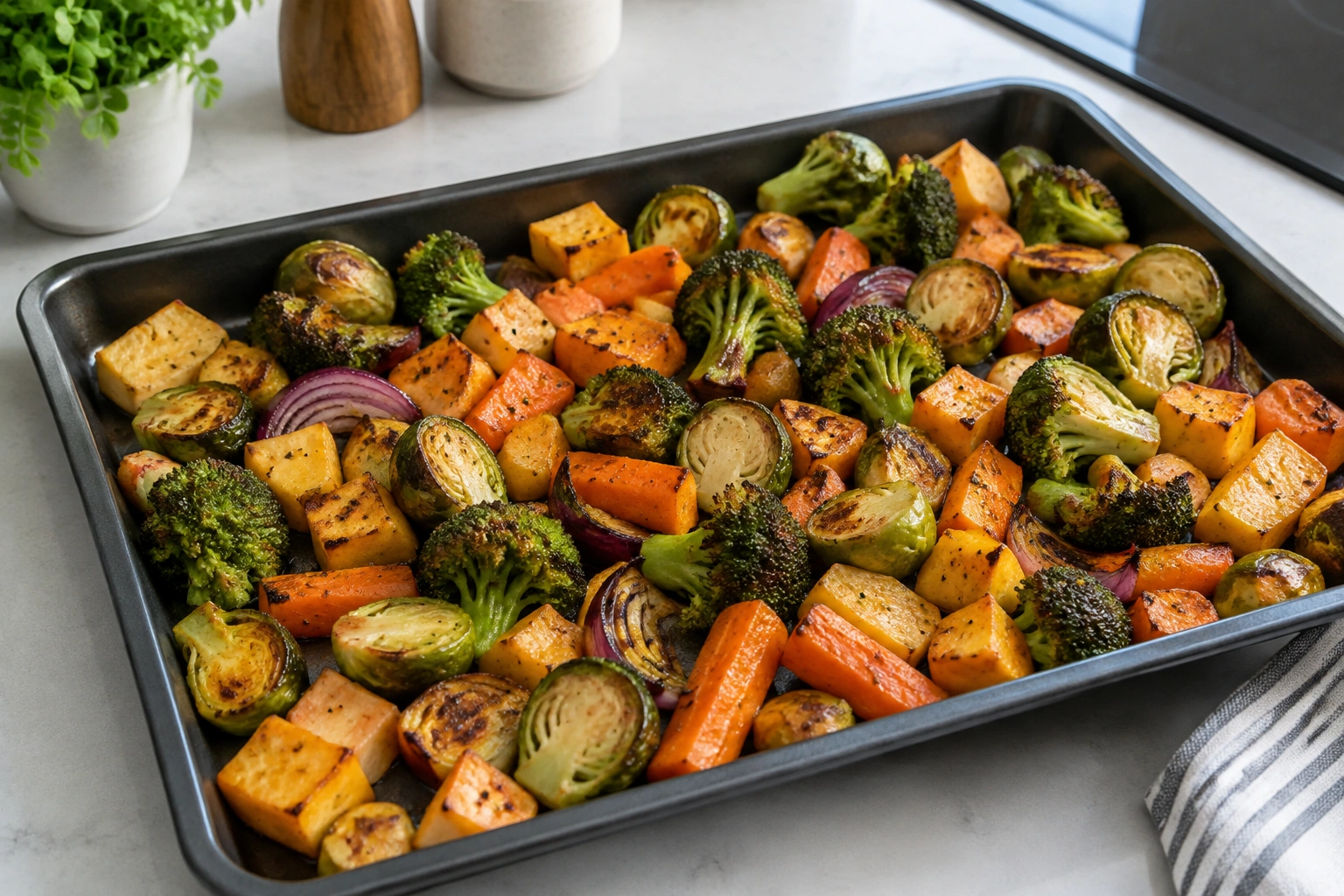
This is the simplest rule. If food is getting very dark, reduce the temperature next time or shorten the cook time. That matters most for potatoes, breaded items, and anything with sugar in the coating or marinade.
Use only a light amount of oil
A small amount of oil can improve texture and help food brown more evenly. You usually do not need much. Too much oil can cause smoking or make the food heavier than necessary.
Don’t overcrowd the basket
When the basket is packed too tightly, food cooks unevenly. That can leave one side underdone and the other side overbrowned. Give food room so the hot air can do its job.
Check food earlier than the timer suggests
Air fryers vary a lot by brand and size. A batch that takes 14 minutes in one unit may take 10 or 12 in another. I always recommend checking early the first time you make a new recipe.
Use simple time and temperature ranges as a starting point
These are only rough starting points, but they can help:
– Potatoes: about 375–400°F for wedges or fries, checking often so they stay golden rather than dark
– Vegetables: about 350–400°F for most cut vegetables, depending on size and how tender you want them
– Poultry: often around 360–400°F, but the exact setting should follow the recipe and safe internal temperature guidance
A good rule of thumb: cook hot enough to brown, but not so hot that the outside darkens before the inside is done.
Keep an eye on sugary or breaded coatings
These burn faster than plain foods. If you’re cooking chicken with a sweet glaze or breaded vegetables, lower the temperature a bit and watch the color closely.
Use official food-safety guidance for raw foods
If you’re cooking raw chicken, fish, or pork, food safety still matters. The air fryer is not a shortcut around safe internal temperatures. The USDA’s food safety basics are a good reference if you want a reliable standard for safe cooking.
Are Nonstick Baskets and Coatings Safe?
This is a fair question, especially for parents.
Most air fryers use a nonstick basket or tray, and that makes cleanup easier. In normal use, the main concern is not that the surface is nonstick by default, but that the coating can wear down or be overheated if the appliance is used carelessly.
A few sensible rules help:
– Follow the manufacturer’s instructions and heat limits
– Don’t use abrasive scrubbers on the coating
– Replace baskets or trays that are badly scratched, peeling, flaking, or damaged
– Avoid using the appliance in ways that make it smoke excessively
Some brands use different materials or coatings, and that may matter if you are specifically trying to avoid worn nonstick surfaces. But the most practical safety step is still simple: keep the basket in good condition and use the appliance as intended.
If a basket is flaking, warped, or badly worn, I would replace it rather than keep using it.
Should You Keep Using an Air Fryer?
For most people, yes — especially if it helps you replace deep frying or cut back on oil.
An air fryer is a good fit if you:
– Want crisp food with less oil
– Cook frozen foods, vegetables, fish, or chicken often
– Prefer a faster option than the oven
– Are willing to watch browning and avoid overcooking
It offers less benefit if you:
– Mostly use it for heavily processed snacks
– Regularly cook foods until very dark
– Already roast and bake efficiently in a standard oven
– Expect it to make unhealthy ingredients healthy
That’s the real reality check. The appliance can support healthier cooking, but it cannot fix the food itself. A basket of vegetables is a better use case than a basket of ultra-processed snacks.
FAQ
Can air fryers cause cancer?
There’s no good evidence that the air fryer itself causes cancer; the concern is about high-heat cooking of some foods, especially when starchy foods are browned very dark and compounds like acrylamide may form.
Is air frying healthier than baking or roasting?
Not always. Air frying is often healthier than deep frying because it uses less oil, but compared with baking or roasting, the difference is usually small and mostly about texture, convenience, and how much browning you get.
What’s the safest way to use an air fryer?
Keep foods golden rather than dark, avoid overcrowding, use only a light amount of oil, and follow the manufacturer’s heat limits and food-safety guidance for raw meats.
When to Consult a Professional
If you have specific health concerns — such as a heart condition, cancer-related dietary questions, or a medically prescribed diet — it’s worth checking with a registered dietitian or your healthcare provider. They can help you decide how much high-heat cooking, fried food, or processed food fits your situation.
Bottom Line
Air fryers are not bad for health when used sensibly. They’re often a practical improvement over deep frying because they use less oil and can reduce fat and calories. The main health concerns come from high heat, overbrowning, and the foods you choose, not from the appliance itself.
If you keep food golden instead of dark, avoid overcrowding, and use the air fryer for whole foods more often than processed snacks, it can be a useful part of a healthier kitchen.

