
Baking Soda for Yellow Stains Easy Ways to Remove Them

Baking soda can help remove many yellow stains by loosening residue, neutralizing odors, and giving gentle scrubbing action. It works best on washable fabrics and hard surfaces, but delicate materials and set-in stains may need a stronger or more targeted cleaner.
Yellow stains can make shirts, pillowcases, containers, and bathroom surfaces look older than they are. In many cases, baking soda for yellow stains is a simple, low-cost first step because it helps loosen buildup and lift discoloration without harsh fumes.
- Best first step: Use baking soda on fresh yellow stains before heat sets them in.
- Safe use: Patch test delicate fabrics and avoid heavy scrubbing on coated surfaces.
- Most effective methods: Spot paste, soaking, and gentle scrub-and-rinse cleaning cover most cases.
- Main limit: Rust, mineral buildup, and old heat-set stains often need another cleaner.
What Causes Yellow Stains and Why Baking Soda Works on Them
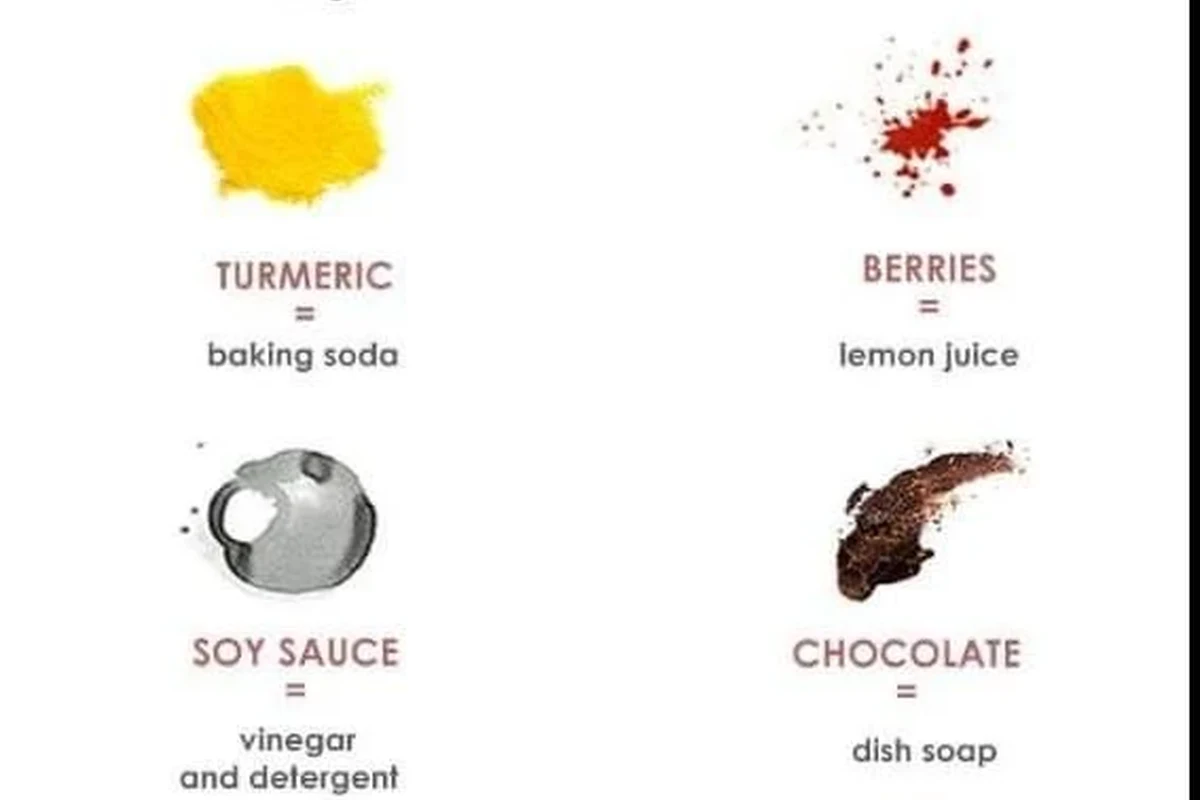
Yellowing usually happens when residue sits on a surface long enough to oxidize, trap oils, or collect minerals. On fabric, that often means sweat, body oils, deodorant, detergent buildup, or heat that has “set” the stain deeper into the fibers.
Common sources of yellowing on fabrics, collars, pillows, and plastic surfaces
White shirts often yellow under the arms and around collars because those areas get repeated contact with sweat and skin oils. Pillowcases and towels can yellow from body oils, hair products, hard water, and laundry products that do not rinse fully.
On plastic containers, sink rims, and grout, yellow marks may come from food pigments, soap scum, grease, or mineral residue. In kitchens and bathrooms, the stain is often a mix of grime and discoloration rather than a single cause.
How baking soda helps lift discoloration, neutralize odors, and loosen residue
Baking soda is mildly alkaline, which helps break down greasy residue and some odor-causing buildup. Its fine texture also gives gentle scrubbing power, so it can help lift surface staining without the harshness of stronger abrasives.
It does not bleach like chlorine, so it is best viewed as a cleaning aid rather than a miracle whitener. That said, it often works well on fresh or moderate yellowing, especially when paired with time, moisture, and light agitation.
Baking soda works best when it has time to sit on the stain. Short contact time may clean the surface, but longer contact can help loosen residue trapped in fabric fibers or grout lines.
Best Surfaces and Fabrics to Treat with Baking Soda for Yellow Stains
The safest uses are on washable, colorfast materials and on hard surfaces that can handle light scrubbing. If you are unsure, start with the gentlest method and test in a hidden spot first.
Cotton, polyester, and everyday washable materials
Cotton T-shirts, pillowcases, towels, and many polyester blends are good candidates for baking soda treatment. These fabrics usually tolerate a paste or soak as long as you do not scrub so hard that you rough up the fibers.
For everyday laundry, baking soda can be especially helpful when yellowing is caused by deodorant residue, sweat, or stale odors. It is also a practical option when you want to refresh items before switching to a stronger stain remover.
When to be cautious with silk, wool, leather, and delicate finishes
Delicate fabrics such as silk and wool can react poorly to soaking, rubbing, or alkaline cleaners. Leather and specialty finishes may dry out, discolor, or lose their coating if treated with a baking soda paste.
Do not treat an item as safe just because it looks sturdy. If the care label says dry clean only, or if the surface has a special coating, check the manufacturer’s care instructions before using baking soda.
Yellow stains on sink rims, grout, containers, and other household surfaces
Baking soda is often a better fit for hard surfaces than for fragile textiles. It can help on sink rims, shower edges, tile grout, refrigerator shelves, lunch containers, and other areas where residue sits on the surface.
For plastic food containers, it may reduce yellowing from tomato sauce, curry, or oil stains, though deep staining can remain. For grout and bathroom surfaces, the result usually depends on how long the stain has been there and whether mold, soap scum, or mineral buildup is also involved.
How to Use Baking Soda for Yellow Stains Step by Step
The method you choose depends on the surface. Spot treatment works well for small marks, soaking is better for larger fabric stains, and a scrub-and-rinse approach is usually best for hard surfaces.
Dry paste method for spot treatment
Mix baking soda with a small amount of water until you get a spreadable paste. Apply a thin layer directly to the yellow stain and let it sit for 15 to 30 minutes before gently rubbing with a damp cloth or soft brush.
This method is useful for collars, underarm areas, and small marks on washable fabrics. If the stain is older, you may need to repeat the process instead of scrubbing harder.
Use about 3 parts baking soda to 1 part water, adjusting until it clings without dripping.
Cover the yellow area lightly and extend just beyond the edge of the stain.
Wait 15 to 30 minutes, then lift the paste with a damp cloth and rinse well.
Soaking method for larger or older stains
For shirts, towels, and pillowcases, dissolve baking soda in a basin of lukewarm water and soak the item for 30 minutes to a few hours. The exact time depends on fabric type, stain age, and how much residue is present.
After soaking, gently rub the stained area before laundering as usual. If the stain remains, air-dry only after you are sure it has improved; heat can make remaining discoloration harder to remove.
For laundry items, baking soda is often most effective when used as a pre-treatment before a normal wash. It can help loosen buildup, but it is not always enough by itself on heavy underarm staining.
Scrub-and-rinse method for hard surfaces
For sink rims, grout, and plastic containers, sprinkle baking soda onto a damp sponge or make a thicker paste. Gently scrub the yellow area in small circles, then rinse and wipe dry.
Use light pressure first. If the surface is textured, a soft-bristle brush can reach grooves without scratching as easily as a rough pad.
Recommended measurements, contact time, and rinsing tips
A practical starting point is 2 to 3 tablespoons of baking soda mixed with enough water to form a paste for spot cleaning. For soaking, use enough baking soda to lightly cloud the water rather than turning it into a thick slurry.
Always rinse thoroughly after treatment. Leftover powder can leave a chalky film on fabric or hard surfaces, and residue may attract more dirt over time.
The stain looks lighter but still shows after the first try.
Repeat the treatment once or twice, or switch to a stronger stain remover if the yellowing is old, oily, or mineral-based.
Common Mistakes That Make Yellow Stains Harder to Remove
Yellow stains often become more stubborn because of the cleanup method, not just the stain itself. A careful approach usually works better than aggressive scrubbing.
Using too much abrasion on fragile fabrics and finishes
Hard scrubbing can rough up fibers, fade printed areas, and wear down protective coatings. On clothing, this may make the spot look fuzzier or more noticeable even if some discoloration comes out.
Applying heat before the stain is fully gone
Dryers and hot irons can set remaining yellowing into fabric. If a stain is still visible after washing, let the item air-dry and inspect it before using heat.
For containers and kitchen surfaces, rinse away all cleaner residue before food contact. If you use any follow-up cleaner, avoid mixing products unless the label specifically says it is safe.
Mixing baking soda with the wrong cleaners or expecting instant results
Baking soda is often paired with water, but it should not be mixed casually with other cleaners if you do not know the reaction. It is also easy to expect instant whitening, when in reality the stain may need soaking, repetition, or a different product.
- Low cost and easy to find
- Gentle enough for many washable items
- Helps with odor and surface residue
- Not strong enough for every set-in stain
- Can be too abrasive on delicate finishes
- May need repeat applications
When Baking Soda Is Enough and When You Need a Stronger Approach
Baking soda is a good first option for light to moderate yellowing, especially when the stain is fresh. It is less reliable on stains that have been exposed to heat, age, or heavy buildup.
Fresh stains versus set-in yellowing
Fresh stains are usually easier because the residue has not fully bonded with the fibers or surface. Set-in yellowing often needs a longer soak, repeated treatment, or a different cleaner designed for the stain source.
Signs the stain is caused by sweat, oil, rust, or detergent buildup
Sweat stains often appear on collars and underarms, while oil stains may feel slightly greasy or spread in a soft-edged patch. Rust usually leaves a more orange-yellow tone, and detergent buildup can make fabric look dull rather than sharply stained.
If the stain smells musty or sour, odor-causing residue may also be involved. That is one reason baking soda can help: it addresses both odor and some of the buildup that holds the discoloration in place.
Safe backup options when baking soda alone does not work
If baking soda does not fully remove the stain, a stain remover matched to the material may be the next step. For laundry, follow the garment care label and the product instructions, and check official fabric-care or laundry guidance when in doubt.
For household surfaces, a cleaner made for soap scum, mineral deposits, or food residue may work better than a general paste. If you are dealing with a valuable garment or delicate item, professional cleaning may be the safest choice.
Safety, Fabric Care, and Surface Testing Before You Start
Testing first saves time and prevents accidental damage. That matters most on dyed fabrics, coated finishes, and surfaces that can scratch or dull easily.
Patch testing on hidden areas
Apply a small amount of paste or diluted solution to a hidden seam, hem, or corner. Wait, rinse, and check for color change, texture change, or residue before treating the full stain.
Ventilation, gloves, and avoiding color damage
Baking soda itself is not harsh, but good ventilation still helps when you are cleaning in a closed bathroom or using follow-up products. Gloves are useful if you have sensitive skin or if you are cleaning multiple items and do not want your hands to dry out.
How to protect seams, trims, coatings, and printed surfaces
Be careful around embroidery, elastic, heat-transfer prints, glued trims, and waterproof coatings. These areas can react differently from the main fabric, so keep the treatment light and avoid soaking beyond the stained zone.
- Check the care label or surface instructions
- Test in a hidden spot first
- Use gentle pressure, not heavy scrubbing
- Rinse fully before drying or heating
Practical Examples for Real-World Yellow Stain Problems
Seeing how the method changes by item makes it easier to choose the right approach. The best results usually come from matching the cleaner to the stain source and the surface type.
Underarm yellowing on white shirts and uniforms
For white cotton shirts, start with a baking soda paste on the underarm area and collar. Let it sit, rub gently, and then wash in the warmest water the care label allows.
If the shirt still looks yellow after washing, do not dry it in heat yet. Repeating the pre-treatment once may help more than scrubbing harder the first time.
Discoloration on pillowcases, towels, and baby items
Pillowcases and towels often respond well to a baking soda soak because the stain is spread across a larger area. For baby items, use only care-label-safe methods, rinse thoroughly, and avoid any product that leaves a strong residue or fragrance.
Yellow marks on plastic food containers and bathroom surfaces
For food containers, a baking soda paste can help lift surface staining from sauces and oils. For bathroom surfaces, it can reduce soap scum and yellow film on sink rims or grout, though deep mineral staining may need a specialized cleaner.
If you also clean appliance or kitchen surfaces regularly, it helps to use the right tool for the job. For example, a surface-specific approach is often safer than guessing, whether you are cleaning a container or checking air fryer basket care or reading about air fryer liner use for cleanup habits that affect residue buildup.
Final Verdict: The Best Way to Decide If Baking Soda Is the Right Fix
Baking soda for yellow stains is usually the simplest low-cost solution when the stain is fresh, light, and on a washable or hard surface. It is especially useful when you want a gentle first step before moving to a stronger cleaner.
When baking soda is the simplest low-cost solution
Choose it first for collars, pillowcases, towels, containers, sink rims, and similar items that can handle moisture and light scrubbing. It is a practical option when the stain seems tied to sweat, oil, or surface residue.
When to choose another cleaner or professional cleaning method
Use something stronger when the stain is old, rust-colored, heat-set, or still visible after repeat treatment. Delicate fabrics, specialty coatings, and valuable garments may be better handled by a professional cleaner than by repeated home treatment.
Recap of the safest and most effective approach for different stain types
Start with a patch test, use a paste or soak based on the surface, rinse well, and avoid heat until the stain is gone. That steady approach gives baking soda the best chance to work while protecting the fabric or finish underneath.
Baking soda is a smart first choice for many yellow stains because it is gentle, inexpensive, and easy to use. When the stain is set in, oily, or caused by rust or minerals, switch to a more targeted cleaner instead of over-scrubbing the item.
Frequently Asked Questions
It can help with fresh or moderate yellowing, especially from sweat and residue. Older stains may need repeat treatment or a stronger stain remover.
A common starting point is 15 to 30 minutes for spot treatment. Larger or older stains may benefit from a longer soak, depending on the fabric and stain source.
Use caution with silk, wool, leather, and coated finishes. Patch test first and follow the care label, since some delicate materials can be damaged by soaking or scrubbing.
Do not use heat until you are sure the stain is gone. Air-dry first so you can check whether the yellowing remains before putting the item in a dryer or under an iron.
Yes, it can help lift surface staining from foods and oils on many plastic containers. Deep staining may remain, so repeat treatment or a targeted cleaner may be needed.
The stain may be set in, rust-based, oily, or caused by mineral buildup. In that case, use a cleaner matched to the stain type or consider professional cleaning for delicate items.