Does Air Fryer Need Oil to Make Crispy and Healthy Meals

Wondering if your air fryer needs oil to get that perfect crispy texture? While air fryers use hot air to cook food, adding a small amount of oil often helps achieve the best crunch and flavor. Using less oil makes meals healthier without sacrificing taste.
Key Takeaways
- Air fryers use hot air, not deep oil, to cook food: They rely on rapid air circulation to crisp up meals with minimal or no oil.
- Small amounts of oil enhance crispiness: Light oil coating can improve texture and flavor without adding many calories.
- You can cook oil-free in an air fryer: Many foods crisp up well without added oil, especially frozen items.
- Oil choice matters for health and taste: Use healthy oils like olive or avocado oil for best results.
- Less oil means healthier meals: Air frying reduces fat compared to traditional frying methods.
- Proper technique maximizes results: Preheating, shaking the basket, and not overcrowding help create crispy dishes.
- Experiment with recipes and oils: Each food may require different oil amounts or none at all to reach your ideal crispiness.
📑 Table of Contents
- Does Air Fryer Need Oil to Make Crispy and Healthy Meals?
- How Does an Air Fryer Work?
- Does Air Fryer Need Oil to Get Crispy?
- How Much Oil Should You Use in an Air Fryer?
- Tips for Making Crispy and Healthy Meals in an Air Fryer
- Health Benefits of Using Less Oil in Air Frying
- Common Mistakes to Avoid When Using Oil in Your Air Fryer
- Conclusion
Does Air Fryer Need Oil to Make Crispy and Healthy Meals?
If you’ve recently bought an air fryer or are thinking about getting one, you might be wondering, “Does an air fryer need oil?” It’s a common question since air fryers promise crispy, fried-like food with less fat. The truth is, air fryers use hot air circulation to cook food, which means they don’t require as much oil as traditional frying. But does this mean you don’t need any oil at all? Let’s dive into how air fryers work and how oil fits into making your meals crispy and healthy.
Air frying is popular because it offers a way to enjoy your favorite fried foods without drowning them in oil. But a key part of getting that satisfying crunch often comes from the right amount of oil. Too much oil can make the meal greasy, while too little might leave your food dry or dull. Finding the right balance is important for both taste and health.
How Does an Air Fryer Work?
Hot Air Circulation
An air fryer cooks food by rapidly circulating hot air around the ingredients. This airflow creates a crispy outer layer similar to frying but with far less oil. The convection heat cooks the food evenly on all sides, which helps achieve that golden, crunchy texture.

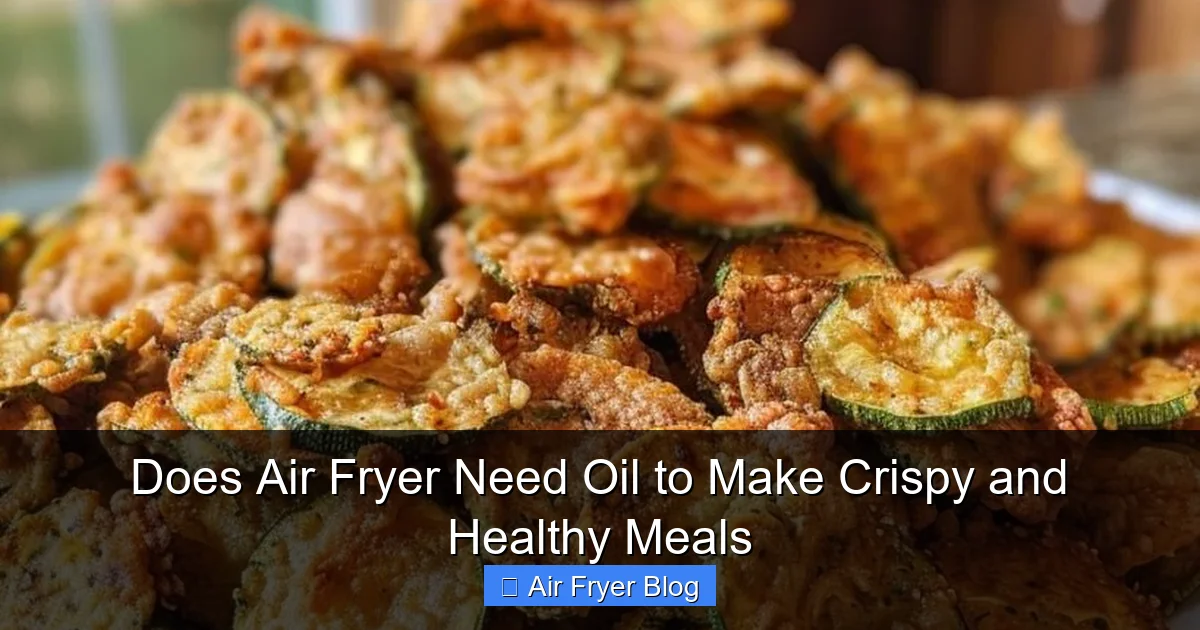
Visual guide about Does Air Fryer Need Oil to Make Crispy and Healthy Meals
Image source: optimalrecipes.com
Minimal Oil Usage
Because air fryers rely on hot air, they require much less oil than deep frying. While deep frying fully submerges food in oil, air frying only needs a thin coating—or sometimes none at all—to cook food effectively.
Does Air Fryer Need Oil to Get Crispy?
The Role of Oil in Crisping
Oil helps transfer heat more efficiently and promotes browning through a chemical reaction called the Maillard reaction. This reaction is what gives fried food its appealing color and flavor. A tiny amount of oil helps enhance crispiness by encouraging this process.
When Oil is Necessary
For foods like homemade fries, vegetables, or chicken wings, brushing or spraying a small amount of oil (about 1 teaspoon) can make a big difference in texture and taste. Without oil, these items might not crisp up as nicely or could dry out.
Foods That Don’t Need Oil
Frozen foods like pre-packaged fries, nuggets, or fish sticks often already contain some oil. These usually crisp up well without adding extra oil. You can air fry them straight from the freezer for convenience and less fat.
How Much Oil Should You Use in an Air Fryer?
Start Small
When using oil in your air fryer, start with a light spray or a teaspoon of oil tossed with your food. This amount is enough to get a crispy finish without adding unnecessary calories.
Types of Oils to Use
Choose oils with high smoke points and health benefits. Olive oil, avocado oil, and grapeseed oil are excellent choices. These oils provide good flavor and withstand the high heat of air frying.
Applying Oil Evenly
Use a spray bottle or brush to coat food evenly. Avoid pouring oil directly, which can cause soggy spots. Even coverage ensures your food crisps uniformly.
Tips for Making Crispy and Healthy Meals in an Air Fryer
Preheat Your Air Fryer
Preheating ensures the air fryer is hot when you add food, which helps develop crispiness faster. Most models take 3-5 minutes to preheat.
Don’t Overcrowd the Basket
Give your food space to allow air to circulate properly. Crowding traps moisture and leads to soggy results.
Shake or Flip Food Midway
For even cooking and crispiness, shake the basket or flip pieces halfway through the cooking time.
Pat Foods Dry
Removing excess moisture from fresh or thawed foods before air frying helps them crisp better. Use paper towels to dry surfaces.
Health Benefits of Using Less Oil in Air Frying
Lower Fat and Calories
Traditional frying can add up to 30-50% more fat due to oil absorption. Air frying uses 70-80% less oil, making your meals lighter and healthier.
Reduced Risk of Harmful Compounds
Deep frying at high temperatures can create harmful compounds like acrylamide. Air frying reduces these risks because it uses less oil and cooks faster.
Retains Nutrients
Air frying preserves more nutrients compared to boiling or deep frying because cooking times are shorter and oil exposure is minimal.
Common Mistakes to Avoid When Using Oil in Your Air Fryer
Using Too Much Oil
Excess oil can cause smoke, greasy food, and difficult clean-up. Always measure and use oil sparingly.
Not Shaking or Flipping Food
Failing to move food during cooking can result in uneven texture. Remember to shake or flip to get consistent crispiness.
Ignoring Food Type
Different foods require different oil amounts. For example, delicate vegetables need less oil than thick-cut fries. Adjust accordingly.
Conclusion
So, does an air fryer need oil? The simple answer is: not always, but a small amount of oil often helps make your meals crispier and tastier. Using minimal oil in an air fryer strikes the perfect balance between enjoying delicious fried-style foods and keeping them healthy. By choosing the right oils, applying them evenly, and following cooking tips, you can create crispy, flavorful meals without the excess fat and calories of traditional frying.
If you want to explore more about air fryers, from recipes to detailed guides, check out our Air Fryer Blog for helpful tips and inspiration. Happy air frying!
🎥 Related Video: Fish Fry in Air Fryer | fry fish without any oil #fishfry #fish #airfryer #airfryerrecipes #shorts
📺 Travel & Taste with Gyanu
healthyfood #fishrecipe #sidedishrecipe #sidedish #snacks #snacksrecipe.
Frequently Asked Questions
Does an air fryer need oil to cook food?
Not necessarily. Air fryers cook food using hot air circulation, so you can often cook without oil. However, a small amount of oil helps improve crispiness and flavor for many dishes.
Can I air fry without any oil?
Yes, many frozen or naturally fatty foods crisp up well without added oil. But for homemade fries, vegetables, or lean meats, a light oil coating usually yields better results.
What kind of oil is best for air frying?
Oils with high smoke points like avocado oil, olive oil, and grapeseed oil are best. They withstand high heat and add healthy fats and flavor to your meals.
How much oil should I use in an air fryer?
Start with about 1 teaspoon or a light spray per batch. This is enough to enhance crispiness without making food greasy.
Does air frying make food healthier than deep frying?
Yes, air frying uses significantly less oil, reducing fat and calorie intake. It also lowers the risk of harmful compounds formed during deep frying.
Can I cook any food in an air fryer without oil?
Most foods can be air fried without oil, especially frozen items. However, some fresh foods may benefit from a small amount of oil to improve texture and flavor.