How to Keep Bread Rolls Soft Overnight Without Losing Freshness
If you want bread rolls to stay soft until tomorrow, the simplest rule is this: cool them fully, then store them in a sealed container or bag at room temperature for the night. That keeps air from drying the crumb out too quickly, which is the main reason rolls turn firm by morning.
For plain dinner rolls, that is usually the best default. For enriched rolls like brioche, the same approach works well, with a little extra care because those rolls are especially tender. For crustier rolls, you can still protect the interior softness overnight, but expect the crust to soften a bit in the process.
The key is to match the storage method to the roll you baked or bought. A soft roll and a crusty roll do not age the same way, and they should not be stored the same way either.
The best overnight method for soft rolls
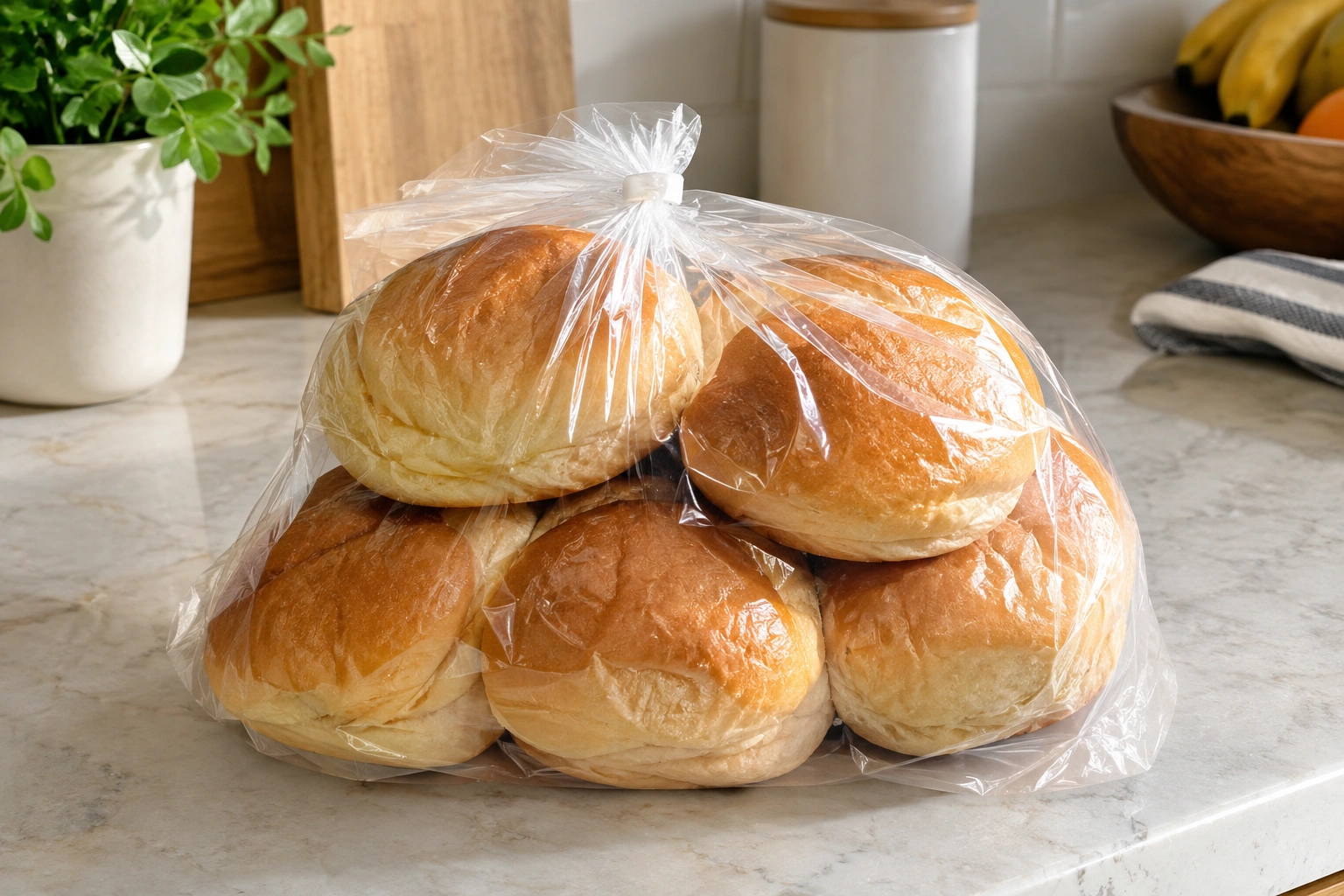
For most soft bread rolls, room-temperature storage is the most practical choice for one night. Put the completely cooled rolls into a plastic bag, airtight container, or wrap them tightly in plastic wrap so they are exposed to as little air as possible.
That matters because bread stales mainly from moisture moving out of the crumb and the starches firming up over time. You are not trying to “dry” the rolls; you are trying to slow that process down.
A few examples:
- Homemade dinner rolls for a holiday meal: cool them, then seal them in a bag once they are no longer warm.
- Store-bought soft rolls for sandwiches the next day: keep them wrapped tightly in their original packaging if it seals well, or move them to a zip-top bag.
- Brioche rolls for brunch: store them in an airtight container so they stay tender and do not pick up fridge odors.
For make-ahead yeast rolls, some bakers refrigerate the unbaked rolls overnight and bake them fresh the next day, which is a different strategy from storing already baked rolls. Baker Bettie’s make-ahead soft yeast rolls are an example of that approach for unbaked dough, not a storage recommendation for baked rolls. Baker Bettie’s make-ahead soft yeast rolls
Choose the storage method by roll type
Not every roll benefits from the same treatment. The texture you want to preserve should guide the decision.
Soft dinner rolls
These are the easiest to keep soft overnight. They already have a tender crumb and usually do best in a sealed bag or airtight container at room temperature.
If the rolls are homemade and still slightly warm, let them cool first. Sealing them too soon traps steam and can make the surface gummy.
Brioche and enriched rolls
Brioche, milk rolls, and other enriched doughs tend to stay plush longer than lean rolls because fat and sugar help keep the crumb tender. They still dry out if left exposed, though.
An airtight container is often a better choice than a loose wrap here, especially if you want to protect the soft texture without crushing the rolls.
Crusty rolls
Crusty rolls are trickier. If you store them in a fully sealed bag, the crust will soften overnight. That may be fine if your priority is a tender bite, but it will not preserve the crisp exterior.
If you care more about keeping the crust intact than keeping the roll soft, room-temperature storage in a paper bag or loosely wrapped cloth can help the crust stay drier. If you want the interior soft and do not mind a softer crust, use a sealed bag.
Room temperature, refrigerator, or freezer?
Here is the short version: room temperature is usually best for one night, the refrigerator is usually the wrong choice for soft rolls, and the freezer is best when you need longer storage.
| Storage method | Best for | Container or wrap | Softness result | Trade-off |
|---|---|---|---|---|
| Room temperature | Rolls to be eaten the next day | Plastic bag, airtight container, or tight plastic wrap | Usually best for overnight softness | Not ideal for very warm or humid kitchens if rolls sit too long |
| Refrigerator | Rare cases where food safety or filling requires it | Well-wrapped airtight packaging | Often firms rolls faster | Can speed staling and dry texture |
| Freezer | Rolls you will not serve tomorrow | Freezer bag or airtight freezer-safe wrap | Preserves quality better for longer storage | Requires thawing and gentle reheating |
Refrigeration is the option many people reach for first, but for plain bread rolls it usually works against you. Cold temperatures tend to make bread firm faster, so the rolls may feel stale even if they are still safe to eat.
If you know you will not use the rolls within a day or two, freezing is the better call. It pauses the staling process much more effectively than leaving them in the fridge.
For longer storage, the USDA’s food safety guidance on freezing and thawing is a useful reference point for handling leftovers safely. USDA food safety basics
How to wrap rolls so they stay soft
The best wrap is the one that blocks air without crushing the rolls.
Plastic bag
This is the most practical option for most home kitchens. A zip-top bag or bread bag limits air exposure well, which helps the rolls stay soft overnight. Squeeze out extra air before sealing.
Use this when:
– you have several rolls to store together,
– the rolls are soft dinner rolls or brioche,
– you want the simplest method with the best softness retention.
Airtight container
An airtight container works especially well for delicate rolls that you do not want squashed. It is also useful if the rolls have a glossy, enriched finish.
Use this when:
– the rolls are soft and tender,
– you want to protect shape,
– you are stacking only one layer or separating layers with parchment.
Plastic wrap
Plastic wrap is useful if you need a tight seal around a small batch, but it is less convenient than a bag or container. It can work well for individual rolls or a small tray.
Use this when:
– you are wrapping a few rolls one by one,
– you want to keep them from drying out before serving,
– the rolls are already arranged on a tray.
Foil
Foil protects against drying, but it is usually not as effective as a sealed bag for keeping rolls soft overnight. It can be helpful as an extra layer, especially for rolls that will be reheated later.
Use this when:
– you plan to warm the rolls the next day,
– you want to wrap a batch before moving them into a bag,
– you are protecting crusty rolls from becoming too dry.
A practical combo for next-day serving is foil plus a zip-top bag. That gives you a tighter barrier than foil alone while still making reheating easier later.
What to do before you store them
Let the rolls cool completely before sealing them. That is the step many people skip.
If warm rolls go straight into a bag or container, the trapped steam condenses on the surface. The result is not just softness; it can become a damp, sticky crust and a slightly gummy top.
A simple rule works well:
- Soft rolls: cool until no warmth remains in the center.
- Crusty rolls: cool fully before any tight wrapping, or the crust will soften more than you probably want.
If the rolls were brushed with butter after baking, give them a little extra cooling time so the surface fat sets before packaging.
How kitchen temperature and humidity change the outcome
Your kitchen matters more than people sometimes expect.
In a cool, dry room, rolls can sit wrapped at room temperature overnight with very little trouble. The main threat is air exposure, so sealing them well is enough.
In a warm kitchen, rolls dry out faster and can also become less pleasant if they sit out too long uncovered. As a practical rule, if the room feels uncomfortably warm for storing baked goods — for example, near a hot oven, on a summer day, or in a kitchen that stays warm well into the evening — package the rolls as soon as they are fully cooled and consider freezing if they will not be used soon.
In a humid kitchen, rolls are less likely to feel dry, but they may pick up surface moisture more easily. That makes proper cooling even more important. If you seal warm rolls in a humid room, condensation can turn into soggy spots.
If your kitchen is warm and humid at the same time, or the rolls have toppings that need extra care, freezing is often the safer backup plan. Plain bread rolls, though, are usually best stored at room temperature for one night.
How to reheat rolls without drying them out
If you want warm rolls at serving time, reheat gently. High heat for too long is what turns soft rolls tough.
A reliable approach is:
1. Keep the rolls covered or lightly wrapped while reheating.
2. Warm them briefly until the centers are just heated through.
3. Serve right away.
For oven reheating, set the oven to 300°F to 350°F and warm the rolls for about 5 to 10 minutes if they are room temperature, or 10 to 15 minutes if they came from the freezer and have been thawed first. If they are very dry, loosely tent them with foil so the outside does not overbrown before the inside is warm.
For microwave reheating, use short bursts of 10 to 20 seconds per roll, then check the texture. Stop as soon as they feel warm; microwaving for too long can make bread rubbery. If possible, wrap the rolls in a barely damp paper towel for the brief warm-up, then let them sit for a minute before serving.
How to refresh rolls that are slightly stale
If the rolls are only a bit firm by morning, they are often still salvageable.
The easiest rescue is gentle reheating with a touch of moisture. Wrap the rolls loosely, warm them briefly, and let the steam soften the crumb. This works best when the rolls are dry but not hard all the way through.
For rolls that are merely a little firm, this usually brings them back enough for serving. For rolls that are very dry, hard in the center, or leathery on the outside, reheating may improve them only a little, not fully restore them.
For rolls that have gone a little further:
– split them and toast them lightly for sandwiches,
– turn them into bread pudding or savory strata,
– use them for stuffing or crumbs.
Once rolls are dry enough that the center feels tough or the crust has become leathery, reheating will not fully restore the original texture. At that point, repurposing is usually the better use of your time.
Common mistakes that make rolls hard
A few storage errors show up again and again.
Leaving rolls uncovered
Even one night uncovered on the counter can leave rolls noticeably firmer by morning. Air exposure is the enemy of softness.
Refrigerating plain rolls without a reason
The fridge is not a softness-preserving tool for bread. Unless the rolls contain something that truly requires cold storage, refrigeration usually makes them stale faster.
Wrapping them while still hot
This traps steam and creates a damp surface. Wait until they are fully cooled.
Using a loose wrap
A loose sheet of foil or a bag left open lets moisture escape. If the goal is softness, the seal matters.
Overheating during reheating
A few extra minutes in the oven can take rolls from tender to dry. Warm them just enough to take the chill off.
When rolls are too stale to save
If the rolls are hard through the center, very dry, or showing visible mold, do not try to rescue them for serving.
Visible mold, off smells, or unusual texture are signs to discard them rather than refresh them. If the rolls are simply stale but still clean and dry, repurpose them instead of forcing them back into a soft-roll role they can no longer fill.
A useful rule: if you would not happily eat the roll plain after reheating, it is probably better as breadcrumbs, stuffing, croutons, or a baked bread dish.
A simple overnight plan that works
If you want the shortest possible decision path, use this:
- Soft dinner rolls for tomorrow: cool fully, seal in a plastic bag or airtight container, and leave at room temperature.
- Brioche or enriched rolls: do the same, but use an airtight container if you want to protect the shape.
- Crusty rolls: decide whether you want softness or crust; a sealed bag favors softness, while looser storage preserves more crust.
- Need them longer than overnight: freeze them instead of relying on the fridge.
That approach gives you the best chance of serving rolls that still feel fresh, tender, and worth putting on the table.
FAQs
Can I leave bread rolls out overnight?
Yes, if they are plain baked rolls and you store them properly. Keep them fully cooled and sealed in a bag or container. If the rolls contain perishable fillings or toppings, use a safer storage method based on the ingredients.
Is a plastic bag better than foil for soft rolls?
Usually, yes. A sealed plastic bag blocks air more effectively than foil alone, so it tends to do a better job of keeping rolls soft overnight.
Why did my rolls get hard even though I wrapped them?
They may have been wrapped while still warm, stored too loosely, or kept in the fridge. Any of those can work against softness.
How do I keep store-bought rolls soft overnight?
Leave them in their original sealed packaging if it is intact. If not, move them to a zip-top bag or airtight container once they are fully cooled.
Should I reheat rolls before serving?
Only if you want them warm. If you do reheat them, keep the heat gentle and brief so they do not dry out.
What if my rolls are soft but the crust turned too soft?
That is common after sealed storage. A short warm-up in the oven can help restore some surface texture, but the crust will not be exactly the same as when freshly baked.
How do I know if room-temperature storage is still okay?
Room temperature is usually fine for plain rolls that will be eaten the next day, especially in a cool, dry kitchen. If the room is hot, humid, or the rolls have perishable toppings or fillings, use a safer storage method.