
Why Chilling Cookie Dough Changes Cookie Texture: A Baker’s Guide to Better Cookies
Cookie dough looks simple on the surface, but a short rest in the refrigerator can change the final cookie more than many bakers expect. If your cookies sometimes spread too much, bake up thin, or taste flat, chilling is one of the most useful controls you have.
The reason is not just that cold dough goes into the oven colder. Chilling affects how the fat behaves, how the flour hydrates, and how the dough holds its shape during baking. Those changes show up in the finished cookie as thickness, spread, chew, tenderness, and even flavor.
Chilling is not a magic fix for every cookie problem, but it can make a clear difference when you want more control.
Why chilled cookie dough bakes differently
The biggest change comes from the fat in the dough, usually butter. When dough is chilled, the fat firms up. That means it melts more slowly once the cookies enter the oven. Slower melting gives the dough more time to set before it spreads too far.
That matters because a cookie’s shape is partly determined in the first minutes of baking. If the fat softens too quickly, the dough can spread before the edges have a chance to set. If the fat stays firmer a little longer, the cookie usually keeps more height and a neater outline.
Chilling also gives flour and other dry ingredients more time to absorb moisture. That can make the dough less sticky and more cohesive. In practical terms, the dough may scoop more cleanly, portion more evenly, and bake into a cookie with a slightly better structure.
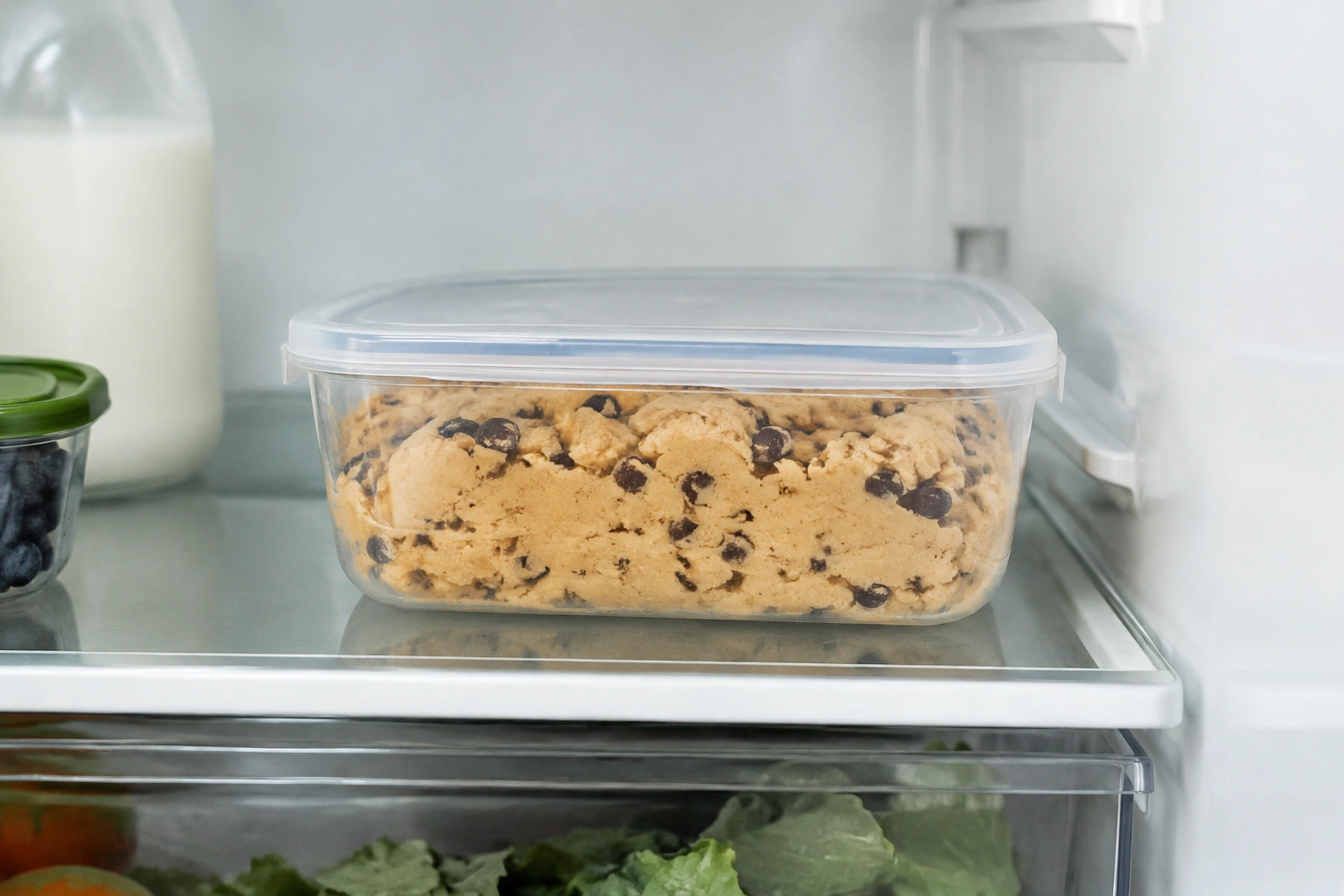
There is also a flavor effect. During the rest, ingredients have time to meld, and that can make the dough taste more developed after baking.
For a broader look at how recipe balance affects texture, see how to double a cookie recipe without changing texture.
What chilling changes in the final cookie
Chilling changes more than one texture trait at once, which is why bakers notice it so quickly.
Less spread
Cold dough usually spreads less in the oven. That often gives you cookies with a more defined edge and a more even round shape. If your cookies tend to become thin puddles, chilling is often the first adjustment to try.
More thickness
Because the dough melts more gradually, it often sets before it can flatten completely. The result is usually a thicker cookie with a softer center and more noticeable lift.
Chewier texture
A chilled dough can help preserve a chewy texture by limiting excess spread. It does not create chewiness on its own, but it can support the result when the recipe is already built for it.
More tender, less fragile crumb
When flour has time to hydrate, the dough can bake more evenly. That may lead to a cookie that feels less fragile and more cohesive when you bite into it.
Cleaner edges
Chilled dough often gives sharper edges and a more polished shape. This is useful for drop cookies, cutout-style cookies, and any recipe where appearance matters as much as texture.
How chilling time affects texture
Not all chilling works the same way. A brief rest and an overnight rest can both help, but they do not usually produce identical results.
30 minutes to 1 hour: light firming and easier handling
This range is useful when dough feels soft, sticky, or hard to scoop. You may get slightly less spread and a little more structure, but the change is usually modest. It is a good starting point for recipes that are already fairly balanced.
1 to 2 hours: stronger control over spread
With a longer rest, the dough usually firms up more noticeably and hydrates more fully. That often gives you cleaner scoops, better shape, and a thicker cookie with a more defined edge.
Overnight: the most noticeable change for many recipes
An overnight chill often gives the dough its firmest texture and the most developed flavor. Cookies often bake thicker and hold their shape better after a longer rest. This is a common choice for chocolate chip cookie dough when you want both structure and a more developed taste.
That said, longer is not automatically better. Some doughs can become too firm to portion neatly, especially if they are very cold straight from the refrigerator. In that case, let the dough sit briefly at room temperature before scooping.
Which cookie doughs benefit most from chilling
Some doughs need chilling more than others, and for some styles it is optional.
Essential: soft, butter-rich, or high-spread doughs
If a dough is soft, glossy, or heavy on butter and sugar, chilling is often essential for keeping the cookies from spreading too much. This is especially true for many chocolate chip, oatmeal, and spice cookie doughs.
Helpful but not always required: shaped or slice-and-bake doughs
For slice-and-bake doughs and shaped cookies, chilling is usually helpful because it makes the dough easier to handle and slice cleanly. It also helps the cookies keep a neat shape in the oven.
Optional: crisp, thin, or recipe-driven cookies
Some cookies are designed to bake thin and crisp, so chilling may be optional rather than necessary. If the recipe already produces the texture you want, extra chilling may only make a small difference.
A useful rule: if the recipe depends on butter for flavor and structure, chilling is more likely to matter. If the recipe is built for a thinner, crisper result, chilling may be optional or less important.
Refrigerating vs freezing cookie dough
Refrigerating and freezing both slow the dough down, but they serve different purposes.
Refrigerating: best for near-term baking
Refrigeration is the better choice when you plan to bake within a day or two. It firms the dough enough to improve handling and often improves texture without adding much extra work before baking.
Freezing: best for convenience and longer storage
Freezing is useful when you want cookie dough ready for later. Portioning dough into balls before freezing makes it easy to bake a few cookies at a time. Frozen dough usually needs a longer bake time than refrigerated dough, so expect a slightly different workflow.
Refrigerated dough vs frozen dough
Refrigerated dough is easier to scoop and bake soon. Frozen dough is more convenient for long-term storage, but it is less flexible if you want to adjust the dough after chilling. If you know you want fresh cookies on demand, freezing shaped portions is often the smarter choice.
For safe storage guidance, check the FDA’s food safety basics and keep dough refrigerated or frozen as appropriate, especially when eggs or dairy are involved.
How to chill cookie dough for the best results
How you chill the dough matters almost as much as how long you chill it.
Chill the full batch when the dough is very soft
If the dough is loose, sticky, or difficult to portion, chill the whole batch first. This firms it enough to handle cleanly and can help prevent uneven scooping.
Portion first when you want convenience later
If you already know how many cookies you want, scoop the dough into portions before chilling. That gives you ready-to-bake pieces and more consistent cookie size. It also helps the cookies bake more evenly because every portion starts at roughly the same shape. Chilling shaped dough balls instead of the full batch usually makes portioning easier later, while still giving you the same basic benefit in the oven.
Cover the dough well
Cookie dough picks up refrigerator odors and can dry out at the surface if left uncovered. Press plastic wrap directly onto the dough or store it in a sealed container.
Let very cold dough soften slightly before scooping
If chilled dough becomes too firm, give it a short rest at room temperature before portioning. This is especially helpful with doughs that include a lot of butter or mix-ins.
Adjust your expectations for bake time
Chilled or frozen dough often needs a little more time in the oven than room-temperature dough. Watch the cookies for visual cues: edges set, centers still slightly soft, and color developing evenly.
If oven performance is part of the problem, this guide on comparing oven temperatures for better cookie results can help you separate dough issues from oven issues.
What to do if chilled dough still spreads too much
If chilled dough still spreads too much, the problem is often with dough temperature or formula balance rather than chilling time alone. Re-chill portioned dough balls before baking if they warm up while scooping, and check whether the butter was too soft when mixed or whether the recipe has too much fat and not enough flour. A cool baking sheet can also help, but if the dough keeps spreading, the ingredient balance may need adjustment.
Common mistakes when chilling cookie dough
A few avoidable errors can cancel out the benefits of chilling.
Under-chilling
If the dough only sits long enough to feel cool on the outside, you may not see much texture change. The center of the dough needs time to firm and hydrate too.
Overchilling without planning ahead
Very cold dough can be hard to scoop and may crack when portioned. If you chill it deeply, give yourself a little time to let it soften just enough for clean handling.
Using chilling to compensate for poor measuring
Too much butter, too little flour, or a heavy hand with sugar can all cause spread. Chilling helps, but it will not fully correct a formula that is out of balance.
Forgetting that different cookie styles behave differently
A thin, crisp cookie and a thick, chewy cookie do not need the same chilling approach. Match the rest time to the style you want.
Quick comparison: which chilling approach fits your cookie?
| Cookie style | Best chilling approach | Expected texture result |
|---|---|---|
| Soft chocolate chip cookies | Refrigerate the dough, often longer than a brief rest | Thicker cookies with less spread and a chewier bite |
| Butter-heavy drop cookies | Chill until firm enough to scoop cleanly | Better shape and cleaner edges |
| Slice-and-bake dough | Shape first, then chill or freeze | Neat slices and controlled spread |
| Cookies baked for crispness | Short chill or no chill if the recipe is designed that way | More modest change; texture depends on the formula |
| Dough for later use | Freeze in portions | Convenient baking later with slightly longer bake time |
When to consult a pastry chef
If a cookie recipe keeps failing even after proper chilling, the issue may be deeper than resting time. That can happen with formulas that are heavily tested for commercial production, doughs that are scaled incorrectly, or recipes that need reformulation for your kitchen conditions.
A pastry chef can help you evaluate whether the problem is the dough, the mixing method, the oven, or the way the cookies are portioned. That kind of troubleshooting is especially useful when you want to turn one reliable cookie into a signature recipe.
Conclusion
Chilling cookie dough changes texture because it changes how the dough behaves in the oven. Firmer fat slows spread, hydration improves cohesion, and the finished cookie often becomes thicker and easier to shape.
If you want better cookies, think of chilling as part of the recipe, not an afterthought. Use it to match the style you want: less spread, cleaner edges, or a dough that is easier to bake on your schedule.

