Yes, baking soda can be harmful to cats if they swallow enough of it or inhale a lot of dust. Small accidental contact is usually less serious, but any noticeable ingestion or symptoms should be checked by a veterinarian right away.
If you are asking is baking soda harmful to cats, the short answer is yes, it can be if a cat eats enough of it or inhales a lot of dust. Small accidental contact is usually less serious than swallowing a larger amount, but cat owners should still treat exposure carefully and act quickly when needed.
- Ingestion matters most: A larger swallowed amount is more dangerous than a tiny spill on fur.
- Dust can still irritate: Baking soda can bother a cat’s nose, eyes, or airways if cleanup is sloppy.
- Watch for symptoms: Vomiting, drooling, weakness, tremors, or breathing trouble need prompt help.
- Cleanup is prevention: Seal containers, remove residue, and keep cats away during cleaning.
What Baking Soda Is and Why Cats Encounter It at Home
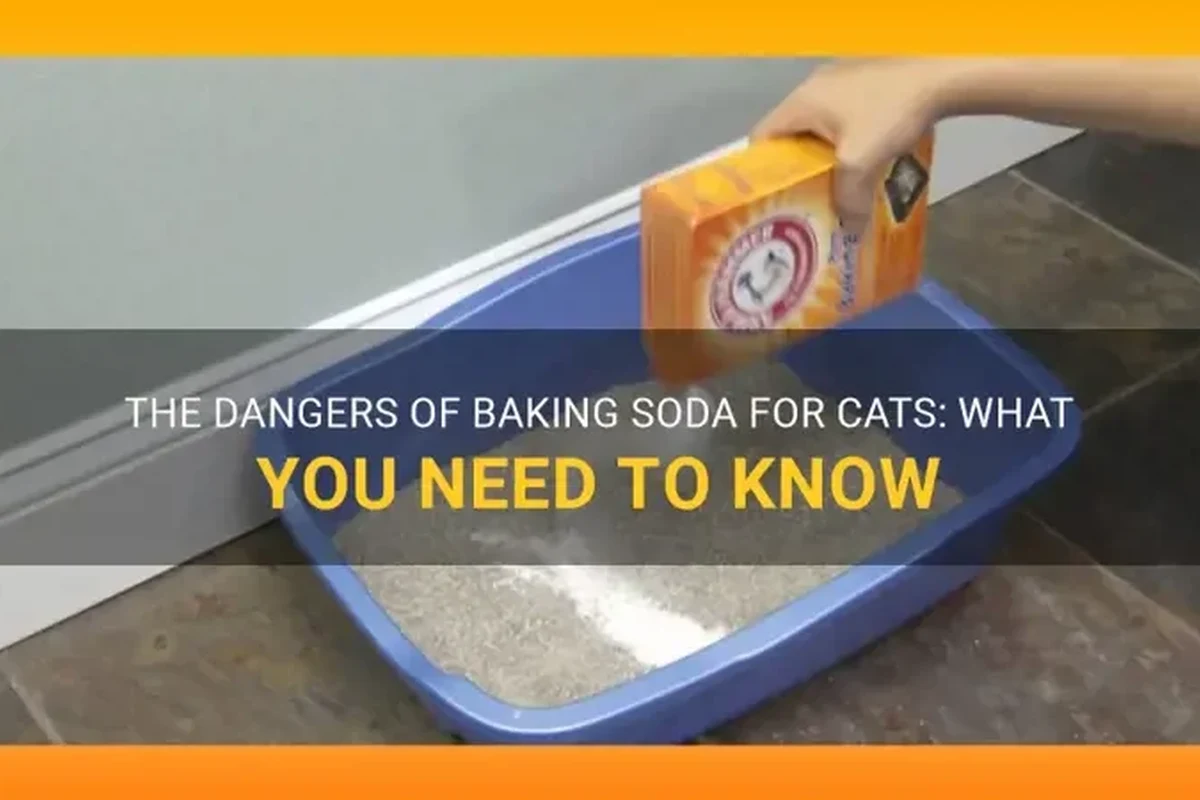
Baking soda is sodium bicarbonate, a common household ingredient used for baking, deodorizing, and light cleaning. In a home with pets, it often appears in places cats naturally explore, which is why accidental exposure happens more often than many owners expect.
Common household uses that create accidental exposure risks
People use baking soda to freshen carpets, clean sinks, remove odors from litter areas, and boost laundry. Those uses can leave powder on floors, rugs, furniture, or inside open containers where curious cats may lick, paw, or breathe it in.
It is also common in baking kitchens, where a spilled spoonful may look harmless but can be tempting to a cat investigating counters. If you want a deeper look at how it behaves in cleaning, our guide to baking soda vinegar cleaning ovens explains why residue and cleanup matter in tight spaces.
Why cat owners often keep baking soda in kitchens, laundry areas, and litter spaces
Cat owners often keep baking soda nearby because it is inexpensive, versatile, and useful for odor control. Kitchens, laundry rooms, and litter box areas are also high-traffic spots for pets, which means storage and cleanup habits matter more than the product itself.
A cat does not need to eat a large pile to get into trouble. A dusty paw, a lick from a treated surface, or a spill near food and water bowls can still create avoidable risk.
Is Baking Soda Harmful to Cats? Understanding the Real Risk
Yes, baking soda can be harmful to cats, but the level of risk depends on how much was exposed and how. A tiny bit of dust on fur is very different from a cat eating a spoonful or more, and the symptoms can range from mild stomach upset to a true emergency.
How much exposure matters: tiny accidental contact vs. larger ingestion
Small skin or fur contact is often less concerning if it is cleaned off promptly. Larger ingestion is the bigger problem because baking soda can affect the stomach and alter the body’s sodium and acid-base balance.
That balance issue is one reason pet poison guidance treats ingestion seriously even when the product seems ordinary. If you are comparing common pantry ingredients, our article on is baking soda and baking powder the same can help clarify why this ingredient behaves differently from other leaveners.
Why baking soda can be dangerous to a cat’s digestive and metabolic system
Baking soda is alkaline, so when a cat swallows too much, it can irritate the digestive tract and contribute to vomiting or diarrhea. In larger amounts, sodium bicarbonate can also raise sodium levels and disturb the body’s normal chemistry, which may affect muscles, nerves, and hydration.
Cats are smaller than people, so a dose that seems minor to an owner can be much more significant for a pet. This is why official pet poison and veterinary guidance generally recommends calling quickly rather than waiting to “see what happens.”
Situations that raise concern in 2026 pet households
Current homes often combine open-plan kitchens, robot vacuums, litter deodorizing products, and multi-pet households, which can spread powder more easily. Cats may also encounter baking soda through DIY cleaning routines, fabric refresh sprays, or containers left open after cooking.
Risk rises when a cat has access to a freshly treated carpet, a laundry hamper with residue, or a litter area that was heavily dusted. Households with kittens, older cats, or cats with kidney or heart issues should be even more cautious because those pets may have less reserve if an exposure occurs.
If you suspect your cat swallowed baking soda, contact your veterinarian or a pet poison hotline right away. Do not wait for severe symptoms, because the safest next step depends on the amount, the cat’s size, and any other products involved.
Signs Your Cat May Have Eaten or Inhaled Baking Soda
Symptoms can appear quickly or develop over a few hours, depending on the exposure. Watch for changes in behavior, appetite, breathing, and digestion, especially after cleaning, baking, or deodorizing projects.
Early symptoms owners may notice after licking, chewing, or dust exposure
Early signs may include drooling, pawing at the mouth, mild vomiting, reduced appetite, or loose stool. If the cat inhaled dust, you may notice sneezing, coughing, or brief irritation around the nose and eyes.
A cat that only got a little on the fur may simply groom more than usual. Even then, it is smart to wipe the area clean so the cat does not ingest more while grooming.
Warning signs that suggest a more serious reaction
More serious warning signs include repeated vomiting, weakness, tremors, trouble walking, unusual lethargy, a swollen abdomen, or labored breathing. These signs suggest the cat may be dealing with a larger exposure or a more significant internal reaction.
Any collapse, seizure, or breathing difficulty should be treated as an emergency. If the product was mixed with something else, such as vinegar, bleach, detergent, or essential oils, the situation may be more complex than baking soda alone.
How symptoms can look different in kittens, seniors, or cats with health conditions
Kittens may show symptoms faster because they are small and still developing. Senior cats or cats with kidney, heart, or digestive disease may also react more strongly, and their recovery may be slower.
That is one reason pet owners should not assume “natural” means harmless. For more on how common pantry products can be misunderstood, see our explanation of baking soda and vinegar reaction explained simply.
Baking soda is often used to neutralize odors, but odor control does not mean pet safety. A cat can still be exposed through dust, residue, or direct ingestion even when the product is being used for a “clean” purpose.
What to Do Immediately if Your Cat Is Exposed
Stay calm and act methodically. The right response depends on whether the powder touched the skin, got in the eyes, was inhaled, or was swallowed.
Safe first steps for skin, fur, eye, or paw contact
If baking soda is on the fur or paws, brush off excess powder first and then wipe the area with a slightly damp cloth. If it is on the skin, gently rinse with lukewarm water and dry the cat thoroughly so it does not chill.
If powder gets in the eyes, flush carefully with clean lukewarm water if the cat will allow it, then call a veterinarian for guidance. Avoid rubbing, because that can irritate the eye further.
When to call a veterinarian or pet poison hotline right away
Call immediately if you think your cat ate a noticeable amount, has symptoms, is very young or old, or has another medical condition. Also call if the exposure involved another cleaner or if you are unsure how much was eaten.
Official veterinary and poison-control guidance is especially important when the amount is unknown. If you are comparing product choices for the home, our baking soda in laundry benefits article shows how easily a common cleaner can be useful in one room and risky in another.
What not to do: common mistakes that can worsen the situation
Do not force vomiting unless a veterinarian or poison professional tells you to do so. Do not give home remedies, human medications, or food meant to “absorb” the baking soda unless you have specific veterinary advice.
Also avoid using more cleaning products to “fix” the spill, especially scented sprays or bleach. Extra chemicals can create a second hazard and make it harder to know what the cat was exposed to.
Keep the cat in a safe, closed room while you clean the spill so you do not spread powder through the house. If the cat is coughing, drooling, or acting weak, skip extra handling and get veterinary help first.
Everyday Baking Soda Uses Around Cats: Safe Practices and Hidden Hazards
Baking soda can still be useful in a cat home, but only when it is handled with care. The goal is to control odor and clean surfaces without leaving behind powder that a cat can lick, inhale, or track across the house.
Cleaning spills, deodorizing litter areas, and freshening fabrics without endangering pets
For spills, use a damp cloth or vacuum designed for dry debris, then wipe the area again so no residue remains. For fabrics, make sure any baking soda you use is fully removed before letting a cat back onto the surface.
Litter areas deserve extra caution because cats spend time close to the floor and may dig, sniff, or groom after stepping in dust. If you are using baking soda near laundry or fabric refresh projects, keep pets away until the area is fully cleaned and dry.
Risks from open containers, dusty surfaces, and treated carpets or upholstery
An open container on a counter can be knocked over, and a cat may walk through the powder and later lick it from its paws. Treated carpets and upholstered furniture can also hold fine particles that are easy to miss during cleanup.
Dust is the hidden hazard here. Even a small visible spill can spread into a larger, less obvious layer that gets onto fur, paws, and nearby bowls or toys.
Practical examples of safer storage and cleanup routines for cat households
Store baking soda in a sealed container inside a cabinet or high pantry shelf. After any cleaning job, check the floor edge, baseboards, and under appliances for residue before letting your cat return to the room.
When possible, clean while the cat is in another area and reintroduce the space only after surfaces are dry and odor-free. If you regularly use kitchen ingredients for cleaning, it may help to keep a separate container for household use so you do not confuse it with food ingredients.
How Baking Soda Compares with Other Common Household Products Around Pets
Many household products look similar because they are white powders or “natural” cleaners, but their risks are not the same. The safest choice depends on the product, the surface, and whether a pet can reach it afterward.
Why “natural” does not always mean pet-safe
Natural ingredients can still irritate the stomach, eyes, nose, or skin. Baking soda is a good example: it is common and useful, but it is not meant to be a pet treat or a free-range surface coating.
This same logic applies to many pantry and cleaning items. If you are curious about another common home-use product, our post on can you use baking soda instead of baking powder safely explains why ingredient purpose matters, even in the kitchen.
Differences between baking soda, baking powder, vinegar, bleach, and scented deodorizers
Baking soda is generally less harsh than bleach, but it can still be harmful if swallowed in enough quantity. Baking powder is not the same thing, and vinegar may irritate eyes and airways if used heavily, while bleach and many scented deodorizers can be far more dangerous around pets.
Mixing products is another issue. Baking soda with vinegar creates fizz, but that reaction does not make the mixture safer for pets, and it does not remove the need for careful cleanup.
Choosing cat-safe alternatives for odor control and cleaning
For odor control, the safest option is often frequent litter scooping, laundry washing, ventilation, and prompt spot cleaning. For surfaces, use a cleaner that the manufacturer labels as pet-safe and follow the contact time and rinsing directions exactly.
If you want a simple rule, choose the least complicated product that still does the job, and keep pets away until the surface is dry. When in doubt, verify the label and ask your veterinarian if your cat has a history of sensitivity.
Preventing Future Exposure in a Cat-Friendly Home
Prevention is easier than emergency cleanup. A few storage habits and household rules can greatly reduce the chance that a cat will ever contact baking soda in the first place.
Storage habits that reduce accidental access in kitchens, bathrooms, and laundry rooms
Keep baking soda in a closed container with a tight lid, not in an open box on a counter or floor. Store it above cat height or behind a cabinet door so it cannot be tipped over during play or jumping.
Bathrooms and laundry rooms are easy places for spills to go unnoticed. A quick check after cleaning can prevent a cat from stepping in residue and grooming it off later.
Household rules for cleaning, baking, and litter maintenance when cats are present
Make a habit of putting ingredients away before you leave the room. During baking, avoid leaving measuring cups or open boxes near the edge of the counter, especially if your cat likes to jump up.
For litter maintenance, use only products you know are safe for pets and avoid heavy dusting near the box. If you use baking soda at all, keep it light, targeted, and fully removed before the cat returns.
How to train family members and visitors to avoid risky handling
Everyone in the home should know that cleaning powders and food ingredients are not toys or floor decorations. Visitors may not realize a cat can reach a countertop, so it helps to put ingredients away immediately after use.
Children should be taught not to sprinkle powders where pets walk or sleep. Simple house rules reduce accidents more effectively than trying to clean up after the fact.
- Store baking soda in a sealed container
- Clean all residue before letting the cat return
- Keep a veterinarian or poison hotline number handy
- Use pet-safe cleaners when possible
Final Verdict for Cat Owners: When Baking Soda Is Useful and When It Is Unsafe
Baking soda is useful around the house, but it is not risk-free for cats. Small accidental contact is usually less serious than ingestion, yet a larger amount can upset the digestive system and may become an emergency.
Balanced recap of acceptable uses, caution zones, and emergency thresholds
Acceptable uses are limited to carefully controlled cleaning, odor control, or baking tasks where the product is stored securely and fully cleaned up afterward. Caution zones include litter spaces, carpets, upholstery, open containers, and any area where a cat can lick residue from fur or paws.
Emergency thresholds include repeated vomiting, weakness, tremors, breathing trouble, collapse, or any ingestion of an unknown amount. When those signs appear, do not wait for them to pass on their own.
Decision guidance for owners who want to keep baking soda in the home responsibly
If you want to keep baking soda in your home, treat it like any other cleaning ingredient: useful when controlled, risky when accessible. Store it well, clean it thoroughly, and keep an eye on curious cats after any spill or deodorizing project.
For owners who prefer a simpler routine, choose cat-safe cleaning products and rely on ventilation, washing, and regular litter care first. That approach usually reduces odor without adding unnecessary exposure risks.
Baking soda can be helpful in a cat household, but it is unsafe when a cat swallows enough of it or breathes in a heavy amount of dust. Use it only with careful storage, thorough cleanup, and fast veterinary advice if exposure seems significant.
Frequently Asked Questions
A tiny accidental contact is often less serious than swallowing a larger amount, but it can still irritate a cat if it gets on the fur, paws, eyes, or into the mouth. If your cat ate any noticeable amount, call a veterinarian for advice.
Wipe or rinse off any powder on the fur or paws and watch for vomiting, drooling, or unusual behavior. If the cat swallowed more than a trace amount or seems unwell, contact a veterinarian or pet poison hotline right away.
It can be used carefully for odor control, but residue and dust should be fully cleaned so the cat cannot lick or inhale it. Keep the area dry, avoid heavy dusting, and do not let the cat back in until cleanup is complete.
Repeated vomiting, weakness, tremors, trouble breathing, collapse, or seizures need urgent veterinary care. These signs can mean a larger exposure or a serious reaction.
Yes, dust can irritate the nose and airways, especially if a cat inhales a lot of it during cleaning or from a treated surface. Keep cats away from the area until the powder is removed and the room is settled.
No, they are not the same ingredient, but both should be kept away from pets. Baking soda is the main concern in this article, and any suspected ingestion should be discussed with a veterinarian.
