
Baking Soda in Laundry 7 Benefits You Need to Know

Baking soda in laundry is a helpful booster for odors, freshness, and light buildup, but it does not replace detergent or stain removers. Use it in modest amounts and match it to the fabric, washer type, and stain level.
Baking soda in laundry is still a useful, low-cost helper for everyday wash problems like odor, dullness, and detergent buildup. It will not replace detergent, but used correctly, it can make laundry smell fresher and look cleaner with very little effort.
- Odor help: Baking soda is most useful for sweaty, musty, or stale-smelling laundry.
- Mild booster: It supports detergent, but it is not a full cleaner on its own.
- Use carefully: Dose matters, especially in HE machines and delicate fabrics.
- Best for routine loads: Towels, bedding, and gym clothes are common good fits.
What Baking Soda Does in Laundry and Why It Still Matters in 2026
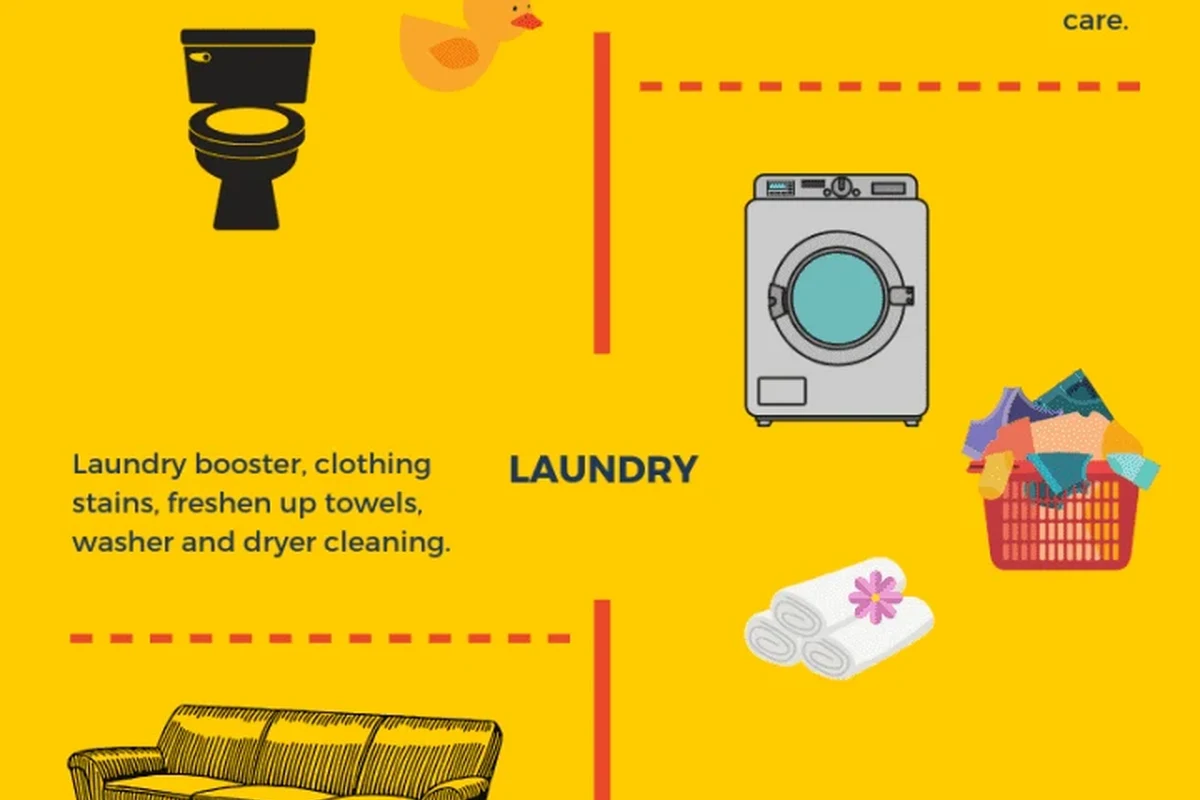
Baking soda, or sodium bicarbonate, is a mild alkaline powder. In laundry, that matters because many common problems are acidic or odor-based, and a small shift in pH can help reduce smells and loosen some soils so detergent can do its job more effectively.
How sodium bicarbonate works on odors, stains, and water balance
Odors often cling to fibers after sweat, body oils, damp storage, or repeated wear. Baking soda helps by neutralizing some of those odor-causing compounds rather than just masking them with scent.
It can also help with light surface soil and dingy buildup, especially when fabrics have been washed many times with too much detergent or not enough rinse action. In some wash conditions, it may also slightly support water balance, which can improve how evenly detergent spreads through the load.
Baking soda is not a disinfectant. If you need sanitizing or germ control, follow the product label or recognized guidance such as USDA or FDA recommendations for the specific laundry situation.
Why it remains relevant alongside modern detergents and HE machines
Modern detergents are stronger and more targeted than older formulas, and HE washers use less water by design. Even so, baking soda still has a place because it is simple, inexpensive, and easy to use as a booster when laundry needs odor help or a mild refresh.
That said, it works best as an add-on, not as the main cleaner. If a load is heavily soiled, greasy, or stained, detergent and the right stain treatment still matter more than any single booster.
The 7 Benefits of Using Baking Soda in Laundry
These are the most practical reasons people keep baking soda in the laundry room. The benefits are modest but useful, especially for fabrics that smell stale or need a little extra freshness.
Neutralizing odors in workout clothes, towels, and bedding
Sweaty gym clothes, damp towels, and bedding that sat too long in a hamper often carry stubborn odor. Baking soda can help reduce that smell before or during the wash, which is one reason it remains a common laundry helper.
Helping lift light stains and freshen fabrics before washing
For light, everyday marks, baking soda can support the cleaning process by loosening surface buildup. It is most helpful on fresh or mild stains, not on deeply set grease, ink, or dye transfer.
Supporting brighter-looking whites without harsh bleach use
Whites that look gray or tired often need a reset from residue and soil rather than aggressive whitening. Baking soda can help fabrics look cleaner and less dull, especially when the issue is buildup instead of permanent discoloration.
Reducing detergent residue and improving rinse performance
If clothes feel stiff, look cloudy, or hold onto a soapy smell, the problem may be residue. Baking soda can help support a cleaner rinse in some loads, especially when too much detergent has been used in the past.
Softening hard water effects in some wash conditions
Hard water can make detergent less effective and leave fabrics looking flat or rough. Baking soda may help in some situations, but it is not a full water softener, so results depend on how hard the water is and what detergent you use.
Freshening laundry between washes and in storage items
Some households use baking soda to help freshen items that are stored in bins, closets, or drawers. It can reduce stale smells in fabric that has not been worn or washed recently, especially in humid spaces.
Offering a low-cost, multiuse laundry booster for households
One of the biggest advantages is convenience. A box of baking soda is inexpensive, easy to store, and useful in more than one area of the home, which makes it a practical backup for routine laundry care.
If a load smells but does not look dirty, baking soda is often more useful than adding extra detergent. Too much detergent can leave residue and make odor problems worse over time.
How to Use Baking Soda in Laundry Correctly
The best results usually come from simple use, not heavy use. Think of baking soda as a helper that supports detergent, rinse action, and odor control.
Recommended amounts for top-loaders, front-loaders, and small loads
There is no single perfect amount because washer size, water level, and load type all matter. A common approach is to use a small scoop for a regular load and less for compact or small loads, but always check your washer manual and detergent directions if you are unsure.
For HE machines, moderation is especially important. These washers use less water, so adding too much powder can create unnecessary residue or interfere with the wash balance.
Where to add it: drum, dispenser, or pre-soak bucket
You can add baking soda directly to the drum with the laundry, place it in the detergent compartment if your machine manual allows it, or dissolve it in a pre-soak bucket. If you are pre-soaking, make sure the items are fully submerged and then wash them normally afterward.
Best use cases for towels, gym clothes, baby items, and bedding
Towels and bedding often benefit from odor control and a fresher feel. Gym clothes are another strong use case because sweat odor can linger in synthetic fibers, and baby items may need a gentle freshness boost when used with a safe detergent and proper washing instructions.
Combining baking soda with detergent, vinegar, or oxygen bleach safely
Baking soda usually works well with regular detergent. It can also be used in the same laundry routine as oxygen bleach when the product label allows it, but check instructions first because formulas vary.
Vinegar is a different story. It is not usually a good idea to mix vinegar and baking soda together in the same step and expect a stronger cleaning result, because they neutralize each other quickly. If you use both, separate them by cycle stage only when the washer manufacturer and product labels support that method.
Always follow garment care labels and washer instructions. Delicate fabrics, specialty finishes, and some stain treatments can be damaged by the wrong additive or the wrong cycle.
Common Laundry Mistakes That Limit Results
Baking soda can help, but only if it is used for the right job. Many disappointing results come from expecting one simple powder to do everything.
Using too much baking soda and expecting stain removal alone
More is not better here. Heavy use does not turn baking soda into a deep stain remover, and too much can leave powdery residue or make rinsing less effective.
Mixing it with the wrong products or adding it at the wrong cycle stage
Some additives work best at different points in the wash. If baking soda is dumped in without checking the cycle, it may not dissolve or distribute as evenly as you want.
Assuming it replaces detergent, disinfectants, or stain removers
Detergent is still the main cleaner. Baking soda supports cleaning, but it does not replace a proper stain remover for protein, grease, or dye stains, and it does not replace disinfecting products when sanitation is required.
Overusing it on delicate fabrics, wool, silk, or specialty finishes
Delicate fibers need more caution. Wool, silk, and specialty finishes can react poorly to repeated alkaline treatment, so use the care label first and skip baking soda when the fabric calls for mild, specific handling.
Clothes still smell or look dull after washing with baking soda.
The load may need less detergent, a longer rinse, a pre-soak, or a stronger stain treatment. If the fabric is delicate or heavily stained, choose a different method instead of adding more baking soda.
Fabric Types, Washer Compatibility, and Safety Considerations
Before using baking soda regularly, it helps to think about fabric type and machine type. The right choice depends on the item, the stain, and how your washer is designed.
Which fabrics handle baking soda well and which need caution
Most everyday cottons, polyesters, towels, and bedding tolerate baking soda well. Use more caution with wool, silk, rayon, embellished garments, and anything with a special finish, because those items can be more sensitive to pH changes and repeated agitation.
Compatibility with HE washers, septic systems, and cold-water cycles
Baking soda is generally compatible with HE washers when used in modest amounts. It is also commonly considered manageable for septic systems in normal household use, but if you have a sensitive system or local concerns, follow the system guidance you were given.
Cold-water cycles can still work, but powder may dissolve more slowly in colder water. If that is a concern, pre-dissolve it or place it where the water flow will help distribute it better.
When baking soda is not the best choice for colorfastness or deep stains
If you are dealing with deep grease, set-in dye transfer, or a colorfastness concern, baking soda alone is usually not enough. A targeted stain remover or oxygen-based treatment may be more effective, provided the garment label allows it.
Storage and handling tips for keeping baking soda dry and effective
Store baking soda in a sealed container away from moisture. If it clumps or picks up a stale smell from the laundry room, it may still be usable, but dry powder is easier to measure and distribute.
Keep laundry products away from children and pets. Even common household powders can be unsafe if swallowed or inhaled in large amounts, and they should never be mixed casually with cleaners that the label warns against.
Practical Laundry Examples for Home Use
Real laundry problems are usually simple and repetitive. Baking soda is most helpful when you want a cleaner-smelling load without a harsh treatment.
Smelly gym clothes after repeated wear
Workout clothes often trap sweat in synthetic fibers, especially around the underarms and back. A pre-soak or wash boost with baking soda can help reduce the stale smell before the main wash.
Musty towels and bedding from humid storage
Towels and sheets stored in a damp closet can pick up a musty odor even if they look clean. Baking soda can help freshen them, but if the smell is strong, you may also need better drying, airflow, or a second wash.
Lightly dingy whites that need a refresh rather than a full treatment
When whites are only a little dull, baking soda can be a useful maintenance step. It is better suited to refresh work than to rescue heavily yellowed fabrics.
Pre-soak scenarios for food spills, sweat marks, and everyday odor buildup
For everyday messes, a pre-soak can help loosen the problem before the washer starts. This is especially useful when the item smells more than it looks stained, or when you want to give detergent a better starting point.
- Check the garment care label.
- Confirm your washer manual allows added powders in the chosen compartment.
- Use a modest amount first, not a heavy dose.
- Match the method to the problem: odor, buildup, or light soil.
Baking Soda vs. Other Laundry Additives
Baking soda is only one option, and it is not always the strongest one. Choosing the right additive depends on whether you need odor control, whitening support, stain removal, or fragrance.
How it compares with vinegar, oxygen bleach, and scent boosters
Vinegar can help with some residue issues, but it is not a universal cleaner and should not be mixed carelessly with other products. Oxygen bleach is usually stronger for whitening and stain support, while scent boosters mainly add fragrance rather than cleaning power.
When a laundry booster is enough and when a specialty product works better
If the issue is mild odor, light dullness, or a freshening need, baking soda may be enough. If the stain is set-in, the fabric is delicate, or the load needs sanitizing or heavy whitening, a specialty product is usually the better choice.
Cost, convenience, and eco-minded tradeoffs for everyday households
Baking soda is attractive because it is affordable and easy to keep on hand. The tradeoff is that it is a gentle helper, so you may need something stronger for difficult laundry problems.
- Low cost and easy to find
- Helps with odor and freshness
- Works as a simple laundry booster
- Not a full stain remover
- Not a disinfectant
- Can be overused in delicate or HE loads
Should You Use Baking Soda in Laundry? Final Verdict for 2026
Yes, baking soda in laundry still makes sense in 2026 for the right jobs. It is best as a low-cost odor helper, a mild freshness booster, and a support step for routine loads that are not heavily soiled.
Best situations for using it regularly
Use it regularly for towels, bedding, gym clothes, storage-freshening, and loads that need odor control more than deep stain removal. It is also useful when you want a simple add-on that does not rely on strong fragrance.
When to skip it and choose a different laundry solution
Skip it when the fabric is delicate, the stain is severe, or you need disinfecting or strong whitening. In those cases, a targeted detergent, stain remover, oxygen bleach, or manufacturer-approved method is usually the better path.
Simple recap for choosing the right method by fabric, stain, and washer type
If the item is sturdy, the problem is mild, and the washer manual allows it, baking soda is a practical choice. If the fabric is sensitive, the stain is deep, or the machine requires special care, choose a more specific laundry solution instead.
For many households, the smartest approach is to keep baking soda as a backup tool rather than a cure-all. Used with the right expectations, it can make laundry smell fresher, feel cleaner, and run a little more smoothly without adding much cost or complexity.
For readers who also want to think carefully about appliance safety and energy use, it can help to review related guidance such as are air fryers dangerous, do air fryers need to preheat, and do air fryers use a lot of electricity when comparing everyday kitchen and laundry habits.
Frequently Asked Questions
Use a modest amount based on load size and your washer manual. Small loads need less, and HE machines usually work best with a lighter dose.
No, baking soda should not replace detergent. It works best as a booster for odor and freshness, while detergent does the main cleaning.
It is generally compatible with HE washers when used in small amounts. Always check the washer manual, since each model handles additives a little differently.
They should not be mixed together expecting extra cleaning power because they neutralize each other. If you use both, separate them only when the product labels and washer instructions allow it.
It can help with light soil and freshening, but it is not a strong deep-stain remover. Set-in grease, dye, or protein stains usually need a targeted stain treatment.
Use caution with wool, silk, rayon, embellished items, and specialty finishes. Check the care label first because delicate fabrics can react poorly to repeated alkaline treatment.