
Is Baking Soda Toxic to Cats What Every Owner Should Know
Baking soda can be harmful to cats if they eat enough of it, but tiny accidental exposures are often less serious than large ones. Watch for vomiting, drooling, weakness, or wobbliness, and call a veterinarian if your cat has symptoms or the amount is unknown.
If you’re wondering is baking soda toxic to cats, the short answer is that it can be harmful if a cat eats enough of it, but a tiny accidental exposure is often less serious than people fear. The real concern is not just the ingredient itself, but how much was eaten, how your cat was exposed, and whether symptoms start afterward.
- Risk depends on dose: Small residue is different from a cat eating a noticeable amount.
- Watch for symptoms: Drooling, vomiting, diarrhea, weakness, and wobbliness matter most.
- Do not force home treatment: Avoid inducing vomiting or giving human remedies.
- Prevent repeat exposure: Store baking soda closed and clean residue thoroughly.
- Call early if unsure: Mixed ingredients or serious symptoms need veterinary guidance fast.
Is Baking Soda Toxic to Cats? Understanding the Real Risk
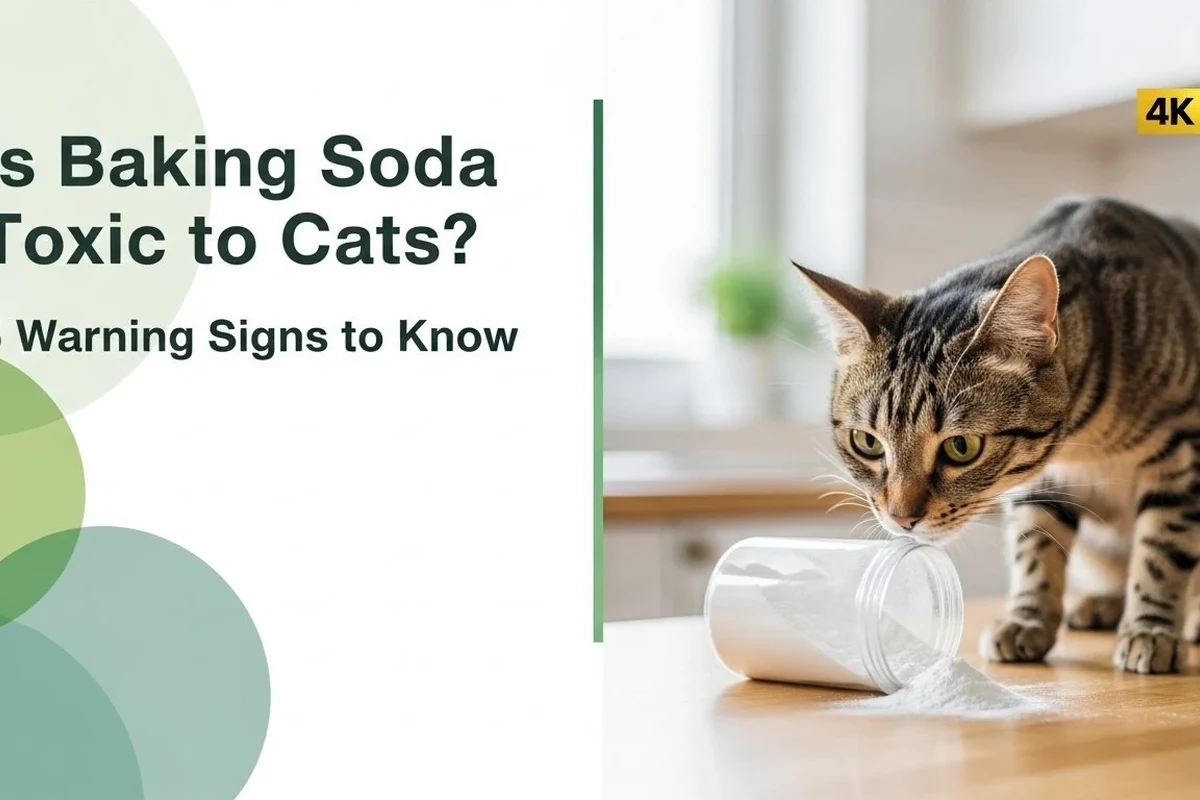
Baking soda is sodium bicarbonate, a common leavening and cleaning ingredient. In cats, the main risk comes from too much sodium and from irritation in the mouth, stomach, and digestive tract if it is swallowed.
A small lick from a dusty paw or a light residue on fur may cause little or no reaction, while a larger amount can lead to vomiting, diarrhea, weakness, and more serious electrolyte problems. If you want a simple kitchen comparison, it helps to think of baking soda as safe in the right baking context but not something a pet should regularly ingest, much like understanding the difference between baking soda and baking powder matters in recipes because the ingredients behave very differently.
How baking soda can affect a cat’s body if eaten, inhaled, or licked off fur
If a cat eats baking soda, the sodium load can upset the body’s fluid and mineral balance. That can irritate the stomach first, then affect nerves and muscles if exposure is larger or the cat is small, young, older, or already ill.
Inhalation is less common as a major poisoning route, but fine powder can irritate the nose and airways, especially if a cat sniffs a spill or a deodorizing dust cloud. If it gets on fur, cats may lick it off while grooming, which turns a surface exposure into a swallowed one.
Why small exposures and large exposures are not treated the same way
Not every exposure needs an emergency visit, but every exposure should be taken seriously. A few grains on a paw are very different from a cat eating from an open container or getting into a baking project.
Veterinarians care about the amount, the cat’s size, and the time since exposure because those details help estimate risk. A teaspoon may be trivial for one cat and more concerning for another, especially if there are repeated exposures or other ingredients mixed in.
If your cat has trouble breathing, collapses, has repeated vomiting, seems unable to stand, or acts severely disoriented after exposure, treat it as an urgent veterinary problem.
Common Ways Cats Get Exposed to Baking Soda at Home
Most cat exposures happen in ordinary home settings, not dramatic accidents. Baking soda is easy to leave within reach because it is used for baking, cleaning, deodorizing, and quick household fixes.
Kitchen spills, open containers, and baking projects
Open boxes on the counter, scoops left in pantry bins, and spilled measuring cups are the most obvious risks. Cats are curious about new smells and may paw at powder, especially if it looks like flour or sugar.
During baking, a cat can also step into loose powder and then groom it off later. That is one reason a tidy prep area matters, especially when multiple dry ingredients are out at once.
Keep baking soda containers closed and return them to a high shelf or cabinet as soon as you finish measuring. A quick cleanup now is easier than trying to manage a curious cat later.
Litter boxes, carpets, upholstery, and DIY deodorizing uses
Baking soda is often sprinkled on carpets, pet bedding, or near litter boxes to reduce odor. The problem is that loose powder can cling to paws, settle into fabric, and remain available for licking later.
It can also be tracked from one room to another. If you use it for deodorizing, vacuuming thoroughly matters, because leftover residue is one of the most common ways pets keep getting exposed.
Hidden exposure from treats, doughs, cleaning pastes, and mixed ingredients
The biggest risk is not always plain baking soda. It may be mixed into dough, batter, homemade cleaning pastes, or other kitchen mixtures that contain salt, yeast, chocolate, onions, xylitol, or other ingredients that are more dangerous to cats.
That is why a “small amount” is not always simple to judge. A cat that gets into a baking bowl may be exposed to multiple ingredients, not just sodium bicarbonate.
When a cat eats a mixed kitchen item, the other ingredients can matter more than the baking soda itself. If you are unsure what was in the food, tell the veterinarian the full recipe or ingredient list if possible.
Signs a Cat May Have Reactions After Baking Soda Exposure
Symptoms can appear quickly or over a few hours, depending on how much was swallowed and whether the cat is sensitive. Mild signs may look like stomach upset, while more serious signs suggest the body is struggling to handle the sodium load.
Digestive signs: drooling, vomiting, diarrhea, and loss of appetite
Drooling can happen if the mouth tastes bitter or irritated. Vomiting and diarrhea are common early signs that the stomach and intestines are reacting to something they should not have swallowed.
A cat that suddenly refuses food may simply feel nauseated. If appetite loss lasts or comes with vomiting, that is a stronger warning sign than a single missed meal.
Behavioral and physical signs: lethargy, wobbliness, bloating, or distress
Lethargy may look like hiding, sleeping more than usual, or not responding normally to interaction. Wobbliness, weakness, or trembling can suggest a more serious internal imbalance.
Bloating, a tense belly, or obvious distress should not be ignored. If your cat seems painful, restless, or unable to settle, that is a sign to call a veterinarian quickly.
When symptoms may point to a more serious emergency
Emergency signs include repeated vomiting, severe weakness, seizures, collapse, trouble breathing, or a cat that is too unsteady to walk. These symptoms can mean the exposure is affecting more than the stomach.
If your cat has heart disease, kidney disease, or another chronic condition, call sooner rather than later. Cats with medical problems may handle sodium changes less well than healthy adults.
If you see your cat actively eating baking soda, remove the container first and then contact your veterinarian or a pet poison resource for next steps. Do not wait for symptoms to appear before asking for help.
What To Do Right Away If Your Cat Ate Baking Soda
The first goal is to stop further exposure without making the situation worse. Calm, simple action is usually better than trying a home remedy that could add risk.
Safe first steps at home before calling a veterinarian
Move the baking soda out of reach and gently wipe any powder from your cat’s fur or paws with a dry or slightly damp cloth. If there is visible powder around the mouth, you can carefully remove what you can without forcing anything into the cat’s mouth.
Then watch your cat closely and note whether symptoms begin. If the cat seems normal after a tiny exposure, you still may want to call your veterinarian for guidance, especially if your cat is young, small, or medically fragile.
What not to do, including forcing water, inducing vomiting, or giving human remedies
Do not force water into your cat’s mouth, and do not try to make your cat vomit unless a veterinarian specifically instructs you to do so. Cats can inhale liquid or become more stressed, which can make the situation worse.
Also avoid giving human antacids, oils, milk, or other home treatments unless your vet tells you to. If you often read ingredient labels for baking projects, the same careful approach applies here; don’t guess, and don’t substitute a kitchen fix for medical advice. For a related example of why ingredient behavior matters, see our guide on baking soda vinegar cleaning ovens, where the reaction is useful in a controlled setting but not something to improvise around pets.
Information to have ready for the vet: amount, timing, and your cat’s weight
Try to estimate how much baking soda was involved, when the exposure happened, and whether your cat ate, licked, or inhaled it. Your cat’s approximate weight also helps the vet judge risk.
If the exposure came from a mixed item, save the package, recipe, or ingredient list. That information can matter as much as the baking soda itself.
How Veterinarians Evaluate and Treat Baking Soda Exposure in Cats
Veterinary care depends on the dose, the symptoms, and how long ago the exposure happened. Some cats only need observation and supportive care, while others need lab work and treatment for electrolyte changes.
What the clinic may check: hydration, electrolytes, and overall condition
A veterinarian may assess hydration, heart rate, gum color, body temperature, and neurological signs such as weakness or wobbliness. Bloodwork may be used to check sodium and other electrolytes if the exposure is significant.
They may also ask about any other substances involved. This is important because the treatment plan changes if the cat ate a cleaning paste, dough, or another mixed product.
Possible treatments for mild versus severe cases
Mild cases may be managed with monitoring, fluid support, and instructions for home observation. If the cat is stable and the exposure was small, the vet may simply want you to watch for delayed vomiting or behavior changes.
More serious cases can require intravenous fluids, anti-nausea medication, and treatment for electrolyte imbalance. The exact care depends on the exam findings, and timing matters because earlier treatment is usually simpler than waiting for symptoms to worsen.
Why early contact can reduce complications
Calling early gives the clinic a chance to triage the situation before symptoms escalate. That can save time, reduce stress for the cat, and help you avoid unsafe home treatments.
In many kitchen-related accidents, the hardest part is deciding whether the problem is “big enough” to call. With cats, it is usually better to ask sooner, especially if the amount is unknown.
Powdered ingredients can seem harmless because they are common in baking, but cats are much smaller than people, so a small spoonful can represent a much bigger dose relative to body size.
Safe Baking Soda Use Around Cats in the Home
You do not necessarily need to ban baking soda from a pet household. The safer approach is to store it properly, use it carefully, and clean up residue so your cat cannot reach it later.
Cleaning and deodorizing practices that reduce accidental access
Use the smallest effective amount, and keep pets out of the area until the surface is cleaned and dry. If you sprinkle it on carpet or fabric, vacuum thoroughly and check corners, seams, and edges where powder can hide.
For litter areas, avoid heavy application. A light dusting may seem helpful, but excess powder can become airborne or stick to paws.
Storage and handling tips for baking ingredients in pet households
Store baking soda in a closed container, not an open box left on the counter. Keep it with other pantry ingredients rather than on low shelves where a cat can knock it over.
When baking, put ingredients away as soon as you are done measuring. This is a simple habit, but it prevents spills from becoming a pet problem.
Safer alternatives when you need odor control or surface cleaning near pets
Sometimes the safest choice is to skip loose powder entirely and use pet-safe cleaning methods recommended by the product label or your veterinarian. For odor control, ventilation, regular washing, and prompt cleanup are often better than heavy deodorizing.
If you are comparing household cleaning methods, remember that “natural” does not automatically mean safe for cats. A product can be common in the kitchen and still be a poor choice around pets if it is easy to ingest.
- Close baking soda containers after every use
- Vacuum or wipe up any visible residue
- Keep cats out of the room during cleaning
- Save the ingredient list if a mixed food was involved
- Call a vet if symptoms appear or the amount was large
Common Mistakes Cat Owners Make With Baking Soda
Most problems come from convenience. Baking soda is inexpensive and useful, so it is easy to forget that a pet can reach it in ways people do not expect.
Using too much on carpets, bedding, or litter areas
More powder does not always mean better odor control. Too much can leave a dusty layer behind, and that residue can become a grooming hazard.
It can also be irritating to sensitive noses. If you can smell a strong powder cloud, your cat probably can too.
Leaving residue behind after cleaning or deodorizing
One of the biggest mistakes is assuming the job is done once the visible mess is gone. Fine powder can sink into fibers, corners, and cracks where paws and tongues can still reach it.
After any use near pets, inspect the area from a cat’s point of view. Low spots, baseboards, and under furniture are easy places to miss.
Assuming natural products are automatically pet-safe
“Natural” is not a safety rating. Baking soda can be useful in the kitchen, but usefulness does not equal harmlessness for cats.
The same caution applies to many DIY mixtures. If a product is intended for cleaning, deodorizing, or baking, check how it is used and whether pets need to be kept away until the area is fully cleaned.
- Store baking soda securely
- Clean up spills right away
- Watch for vomiting, wobbliness, or weakness
- Call your veterinarian with exposure details
- Do not force home treatments
- Do not leave open containers near pets
- Do not assume a tiny spill is always harmless
- Do not ignore mixed-ingredient exposures
Final Verdict: How Worried Should Cat Owners Be About Baking Soda?
For most homes, baking soda is a low-risk ingredient when it stays in the pantry and is used carefully. It becomes a concern when a cat eats a noticeable amount, licks large residue from fur or paws, or gets into a mixed product with other potentially harmful ingredients.
As a practical rule, keep it stored away, clean up spills fully, and call a veterinarian if your cat shows vomiting, weakness, wobbliness, or any sudden change in behavior. When in doubt, early advice is better than waiting, because cats can hide illness until they are already quite uncomfortable.
Baking soda is not something to panic over in every tiny exposure, but it should never be treated as pet-safe just because it is common in the kitchen. Use it carefully, keep it stored securely, and seek veterinary help quickly if your cat eats a larger amount or develops symptoms.
Can I still bake with baking soda if I have cats at home?
Yes, as long as you keep ingredients sealed, clean spills promptly, and do not leave bowls or open boxes unattended. The key is preventing access during and after baking, when powder can end up on counters, floors, or your cat’s fur.
Frequently Asked Questions
The risk depends on the cat’s size, health, and how much was eaten. Even a small amount can matter for a small cat, so it’s best to call a veterinarian if the amount is unknown.
A tiny lick may cause little or no problem, but repeated licking can still lead to stomach upset. Watch for drooling, vomiting, diarrhea, or unusual behavior and call your vet if symptoms appear.
Do not force water into your cat’s mouth. Forced fluids can cause choking or stress, so contact a veterinarian for advice instead.
It can if too much residue is left behind and the cat licks it from paws or fur. Vacuum and clean thoroughly before letting your cat back into the area.
Repeated vomiting, severe weakness, collapse, seizures, trouble breathing, or extreme wobbliness need urgent veterinary care. These signs can mean the exposure is more serious than a mild stomach upset.
It can be used carefully, but loose powder should be kept away from pets and cleaned up well afterward. Safer use depends on good storage, low residue, and preventing access.
