Baking soda is alkaline, with a typical pH of about 8.3 in water, and that alkalinity helps it react with acids in baking. It affects rise, browning, flavor, and texture, so the right balance matters for reliable results.
What is the pH of baking soda, and why does it matter in baking? In simple terms, baking soda is alkaline, and that alkalinity is a big part of how it reacts with acids, browns baked goods, and affects flavor and texture.
- Typical pH: Baking soda is alkaline and usually reads around pH 8.3 in water.
- Recipe role: It neutralizes acids and releases gas that helps baked goods rise.
- Best use: It works best in recipes with buttermilk, yogurt, molasses, citrus, or cocoa.
- Common mistake: Too much soda can cause bitterness, excess browning, and collapse.
- Practical habit: Store it dry, measure it level, and match it to the recipe’s acidity.
What Is the pH of Baking Soda? A Clear Definition for Bakers
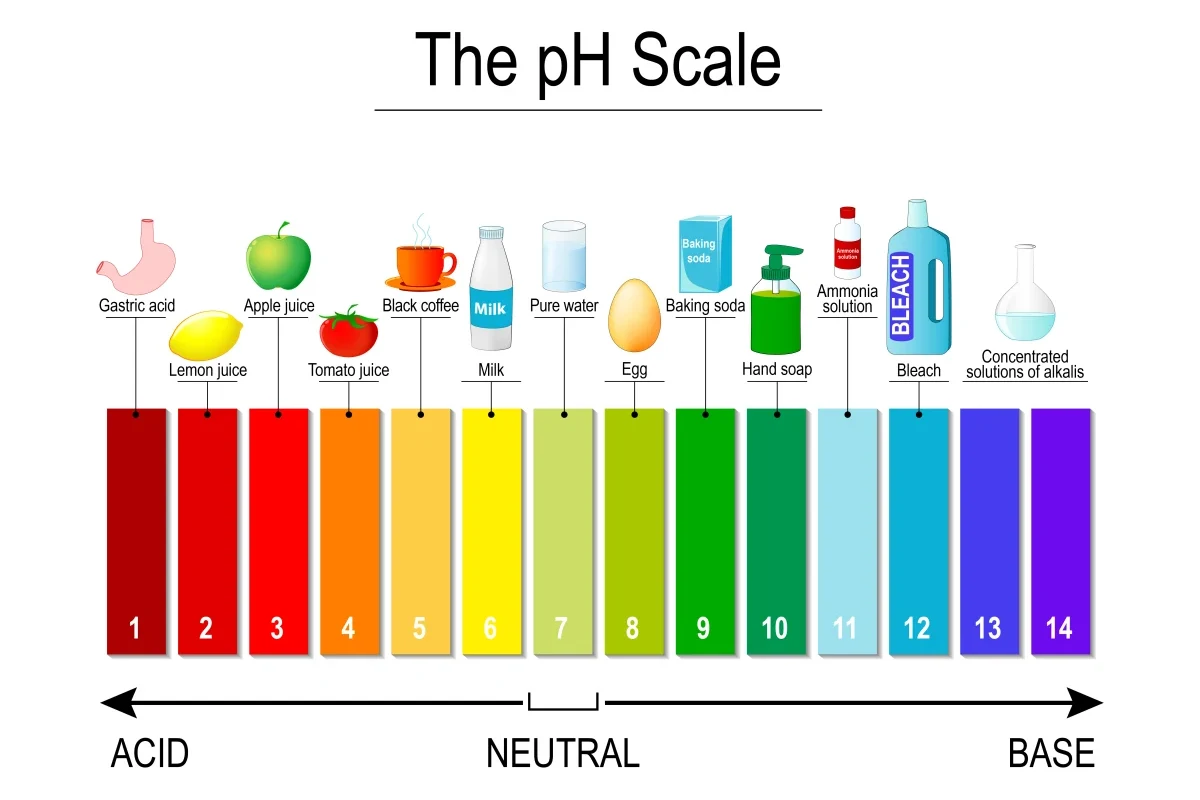
Baking soda is sodium bicarbonate, a basic ingredient with a high pH. In water, its pH is usually around 8.3, though the exact reading can vary a little depending on concentration and how the solution is made.
The typical pH range of sodium bicarbonate in water
For baking purposes, the important point is that baking soda is distinctly alkaline rather than neutral. A water solution of baking soda is commonly described as mildly to moderately basic, which is why it can neutralize acidic ingredients in a recipe.
pH is a scale that measures how acidic or alkaline something is. Lower numbers are more acidic, 7 is neutral, and higher numbers are more alkaline.
Why pH is measured differently in dry ingredients versus solutions
pH is measured in liquids, not dry powders, so dry baking soda does not have a meaningful pH reading on its own. Once it dissolves and mixes with moisture, the alkaline nature becomes active and can interact with acids, heat, and other ingredients.
This is why bakers think about pH in the finished batter or dough, not just in the jar. The surrounding ingredients, especially acidic ones, determine how much of the baking soda is actually used up during mixing and baking.
How Baking Soda’s Alkalinity Affects Doughs, Batters, and Browning
Baking soda does more than create lift. Its alkalinity changes the chemistry of a batter or dough, which can influence how quickly it browns, how tangy flavors soften, and how the crumb sets in the oven.
Neutralizing acids in buttermilk, yogurt, molasses, and citrus
Baking soda reacts with acidic ingredients such as buttermilk, yogurt, molasses, brown sugar, sour cream, lemon juice, and vinegar. That reaction produces carbon dioxide gas, which helps baked goods rise, but it also reduces sharp acidity in the final flavor.
That is why recipes with enough acid can use baking soda alone as the main leavener. If the recipe has too little acid, some soda may remain unreacted and leave a bitter or soapy aftertaste.
Acid strength and amount vary by brand and ingredient type. Natural cocoa, Dutch-process cocoa, cultured dairy, and different sweeteners can all change how much baking soda a recipe needs.
Supporting Maillard browning and color development in baked goods
Alkalinity encourages Maillard browning, the reaction that helps cookies, muffins, and quick breads develop deeper color and a more toasted flavor. In practical terms, this is why a cookie made with baking soda often spreads and browns more than one made with only baking powder.
That extra browning can be desirable, but it can also become a problem if the recipe is imbalanced. Too much alkalinity can make the surface darken before the interior is fully baked.
How pH influences flavor, texture, and rise
pH affects more than color. A slightly alkaline batter may taste smoother and less sharp, while an overly alkaline one can taste dull, metallic, or soapy.
Texture changes too. Baking soda can help create a tender crumb in the right formula, but if the gas release happens too early or too aggressively, the structure may collapse before the bake sets.
When a recipe includes baking soda, mix and bake without long delays unless the formula is designed for resting. The gas-producing reaction begins as soon as soda meets moisture and acid.
When Baking Soda Works Best: Ingredient Pairings and Real-World Examples
Baking soda works best when a recipe contains enough acidity to activate it. If the formula is built around acidic dairy, fruit, cocoa, or syrups, soda can provide both lift and a better final flavor.
Cookies, quick breads, and cakes that rely on acidic ingredients
Common examples include chocolate chip cookies with brown sugar, gingerbread, banana bread, carrot cake, and muffins made with buttermilk or yogurt. These recipes often benefit from baking soda because the ingredient balance supports both leavening and browning.
For more on ingredient swaps, see our guide on using baking soda instead of baking powder safely. The short version is that substitution only works when the recipe has enough acid to support it.
Why some formulas use baking soda alone while others combine it with baking powder
Some formulas use baking soda alone because the acid level is enough to activate it fully. Others combine baking soda and baking powder to get a controlled rise plus extra browning or flavor adjustment.
Baking powder already contains its own acid, so it does not depend on the recipe’s acidity in the same way. That makes it useful when a batter is not acidic enough for baking soda alone.
The acidity supports baking soda, giving lift and a tender crumb with good browning.
Natural cocoa and brown sugar often pair well with soda for spread, color, and flavor.
Practical examples of successful and unsuccessful substitutions
A successful substitution usually keeps the acid-base balance intact. For example, a recipe with yogurt or lemon juice may handle baking soda well because there is enough acidity to react.
An unsuccessful substitution often happens when baking soda is swapped in for baking powder without adding acid. The result may be poor lift, uneven browning, or a harsh taste. If you want the chemistry behind another common reaction, our article on baking soda and vinegar reaction explained simply covers how gas formation works in a different setting.
How to Measure Baking Soda Correctly for Reliable Results
Because baking soda is strong, small measuring errors can change the outcome more than many beginners expect. A little too much or too little can shift rise, color, and flavor.
Common measurement mistakes that affect pH balance and leavening
One common mistake is packing baking soda into the spoon, which can add too much. Another is using a heaping spoon when the recipe calls for a level measure.
Measuring by volume is sensitive to how you scoop, so a small kitchen scale can improve consistency when a formula is very precise. That matters most in pastries, cakes, and cookies where texture is noticeable.
How freshness, humidity, and storage can change performance
Baking soda is shelf-stable, but storage still matters. Humidity can cause clumping, and an open container may pick up odors from the pantry or fridge.
While clumping does not always mean the soda is unusable, it can make measuring less accurate and may suggest the product has been exposed to moisture. If you are unsure about age or performance, our article on whether baking soda expires and when to replace it explains how to judge freshness more confidently.
Signs that baking soda may be too old or clumped to use confidently
If the powder is hard, damp, or has absorbed strong odors, it is worth replacing. Baking soda that has been stored poorly may still look normal but perform inconsistently in a recipe.
A quick pantry check helps prevent surprises. When in doubt, replace it rather than risk flat cookies or a strange aftertaste.
What Happens When the pH Balance Is Off in a Recipe
The best baking soda results come from balance. When the recipe is too alkaline or not alkaline enough, the signs usually show up in color, flavor, and structure.
Too much baking soda: soapy taste, excess browning, and collapse
Too much baking soda can leave a soapy, bitter, or metallic taste. It can also push browning too far, making the outside dark before the inside is fully set.
In some cakes and quick breads, excess soda can create a fast initial rise followed by collapse. The crumb may look coarse or tunneled because the structure could not support the gas release.
The baked good tastes bitter or looks too dark on the outside.
Reduce the baking soda slightly, confirm the recipe has enough acid, and check that measuring is level and accurate.
Too little baking soda: weak lift, pale color, and dense texture
Too little baking soda can leave a batter under-aerated and pale. The final product may feel heavy, tight, or dull in flavor.
This is especially noticeable in recipes that depend on soda for both rise and browning. If the acid is present but the soda is insufficient, the recipe may taste overly tangy while still baking up dense.
How to troubleshoot acidic and alkaline imbalance in baked goods
Start by checking the recipe type and ingredient list. If it contains buttermilk, yogurt, molasses, brown sugar, cocoa, or citrus, baking soda may be appropriate; if not, baking powder may be doing the main leavening work.
Then look at the symptoms. Bitter taste points toward too much soda, while a flat and pale bake often points toward too little leavening or an ingredient mismatch. For a broader comparison, see whether baking soda and baking powder are the same, since the two ingredients are often confused.
Baking Soda Safety, Storage, and Handling in a Professional or Home Kitchen
Baking soda is common and generally simple to handle, but good kitchen habits still matter. Clean storage and clear labeling help protect both food quality and safety.
Safe storage conditions to preserve potency
Store baking soda in a tightly closed container in a cool, dry place. Keep it away from steam, sink splashes, and strong-smelling ingredients.
If your kitchen is humid, consider transferring it to a sealed container after opening. This helps prevent clumping and keeps measuring more reliable.
Do not use the same unlabeled container for cleaning products and food ingredients. In a shared kitchen, clear labels help prevent accidental misuse.
Cross-contamination and labeling concerns in shared kitchens
In home and professional kitchens, shared storage can create cross-contamination risks. Baking soda used for food should be kept separate from baking soda used for cleaning.
This is especially important in kitchens that handle allergens or multiple cleaning tasks. Always verify labels and keep food-grade ingredients in their original packaging or in clearly marked containers.
When baking soda is used for cleaning versus food preparation
Baking soda has many cleaning uses, but that does not make every container suitable for baking. A box kept under the sink or used with cleaning sprays should never be assumed safe for food use.
If you are cleaning with baking soda, you may find our guide on baking soda and vinegar for cleaning ovens helpful, but keep that product separate from what goes into recipes.
Final Recap: Why the pH of Baking Soda Matters for Better Baking Decisions
The pH of baking soda matters because it explains how the ingredient behaves in a recipe. Its alkalinity helps neutralize acids, improve browning, and create lift, but only when the formula is balanced.
Choosing the right leavening based on recipe acidity and desired outcome
If your recipe includes acidic ingredients like buttermilk, yogurt, citrus, cocoa, or molasses, baking soda may be the right choice. If the recipe is not acidic enough, baking powder or a combination of leaveners may work better.
- Helps neutralize acid
- Improves browning
- Can create a tender crumb
- Too much can taste bitter
- Needs the right acid balance
- Can weaken structure if misused
How understanding pH helps bakers avoid guesswork and improve consistency
Once you understand what is the pH of baking soda and how it affects a batter, you can read recipes more accurately and troubleshoot them with less guesswork. That leads to better color, better texture, and fewer flat or soapy results.
For bakers, the practical takeaway is simple: match the leavener to the ingredients, measure carefully, and pay attention to how the recipe behaves in the bowl and in the oven. If you want more confidence, verify ingredient freshness, use level measurements, and adjust only one variable at a time.
Recipe results can vary with ingredient brand, oven calibration, pan size, humidity, altitude, and mixing method. When a formula is sensitive, make changes slowly and test one adjustment at a time.
Frequently Asked Questions
Baking soda in water is usually around pH 8.3, though the exact reading can vary with concentration and how the solution is mixed. The key point is that it is alkaline, not neutral.
Baking soda reacts with acids to create carbon dioxide gas, which helps baked goods rise. Without enough acid, some soda may stay unreacted and cause a bitter or soapy taste.
Sometimes, but only if the recipe has enough acidic ingredients to activate the baking soda. If it does not, the bake may turn out flat, pale, or taste off.
Common signs include a soapy or metallic taste, excess browning, and a crumb that rises fast and then collapses. Level measuring and recipe balance help prevent this.
It may still work, but moisture, clumping, and odor absorption can affect reliability. If it is hard, damp, or stored poorly, replacing it is the safer choice.
Keep it tightly sealed in a cool, dry place away from steam and strong odors. In shared kitchens, label it clearly and keep food-use baking soda separate from cleaning supplies.
