
Does Baking Soda Expire How to Tell and When to Replace

Baking soda can lose strength over time, so yes, it effectively expires for baking even though it is usually still safe. Test old baking soda with vinegar and replace it when the fizz is weak or storage has been poor.
If you have ever found an old box in the pantry and wondered, “does baking soda expire,” the short answer is yes, it can lose strength over time. It is usually not a safety problem, but it can absolutely affect how well your cakes, cookies, and quick breads rise.
- Expiration meaning: Baking soda usually loses performance before it becomes unsafe.
- Best test: A strong vinegar fizz is the simplest freshness check.
- Storage matters: Heat, humidity, and odors shorten usefulness.
- Recipe impact: Weak baking soda can flatten cookies, cakes, and quick breads.
- Smart habit: Date opened boxes and replace them before important bakes.
Does Baking Soda Expire? What “Expired” Really Means in a Baking Kitchen
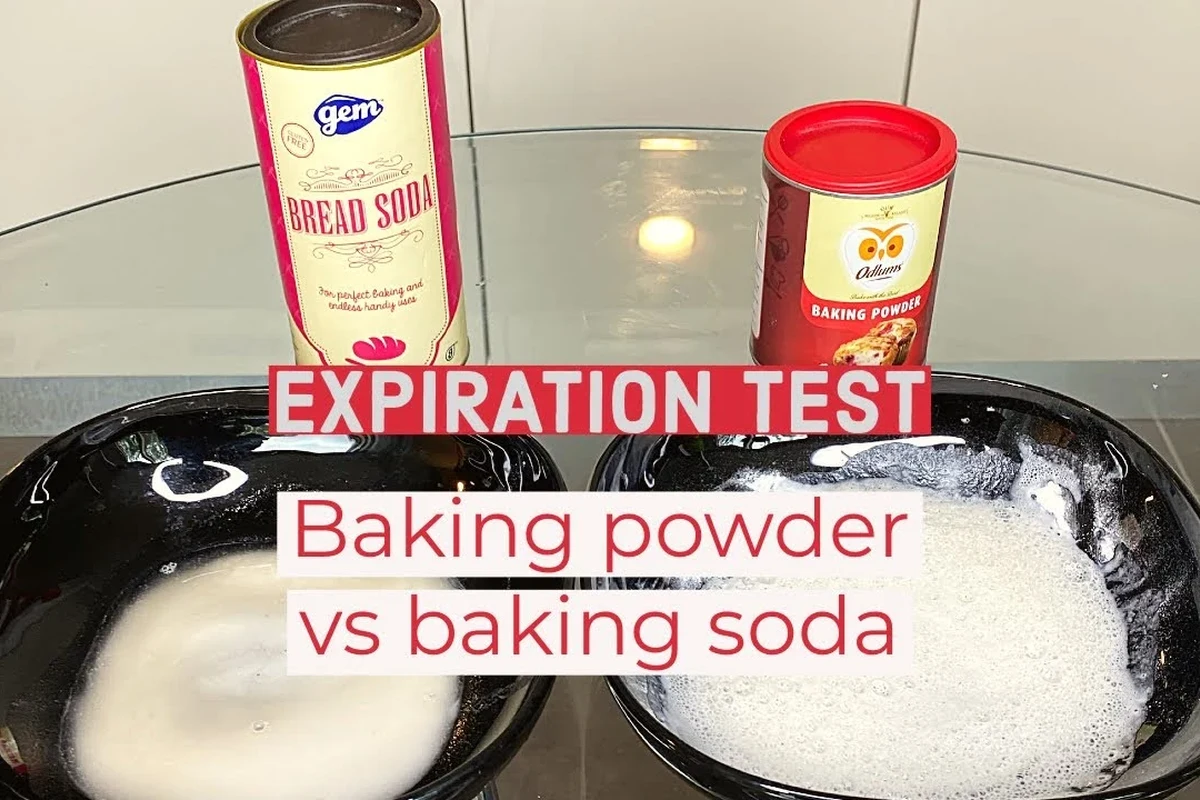
Baking soda does not usually “spoil” in the way milk or meat does. What changes is its chemical strength, especially if it has been exposed to air, moisture, or strong odors in the pantry. For bakers, that means an old box may still look fine while performing poorly in the oven.
The date printed on the package is best treated as a quality guide. It tells you when the manufacturer expects the product to work at its best, not a hard safety deadline like you would see on highly perishable foods.
How baking soda loses strength over time
Baking soda is sodium bicarbonate, a base that reacts with acids in a batter or dough to create carbon dioxide gas. That gas is what helps lift and lighten baked goods. If the product absorbs moisture or reacts slowly with environmental acids, less of that active ingredient is available when you bake.
In a busy kitchen, the biggest enemies are humidity and poor sealing. Even a box that is only partly used can weaken if it sits open near the stove, dishwasher steam, or a damp sink area.
Why the date on the box is a quality guide, not a safety deadline
A boxed leavener can often remain usable past its printed date if it has been stored well. The date is there to help you expect reliable performance, especially in recipes where rise matters. That is why many bakers test an older container before trusting it in a batch that needs precision.
Unlike food safety dates on highly perishable items, the printed date on baking soda is mainly about performance. A box past date may still work, but it may not work strongly enough for consistent results.
How to Tell If Baking Soda Is Still Active
The easiest way to judge an older box is to check whether it still reacts strongly with acid. That matters because baking soda only creates lift when a recipe includes something acidic, such as buttermilk, yogurt, brown sugar, lemon juice, vinegar, or natural cocoa in some formulas.
The vinegar test: what a strong fizz means
To test, put a small spoonful of baking soda in a bowl and add a little vinegar. If it fizzes immediately and vigorously, the soda is still active enough for most baking needs. A weak reaction, delayed bubbling, or no reaction at all suggests it has lost potency.
Signs of weak or inactive baking soda in everyday baking
In actual recipes, stale baking soda often shows up as flatter cookies, denser muffins, or quick breads with a tight crumb. You may also notice less browning in some recipes, because baking soda helps with both lift and pH balance. If a batter seems normal but the finished bake feels heavy or compact, the leavener is worth checking.
Baking soda reacts as soon as it meets acid and moisture, so recipes with a long wait before baking can lose some lift even when the soda itself is fresh.
When the test can be misleading
The vinegar test is useful, but it is not perfect. A small amount of fizz does not always guarantee ideal performance in a delicate cake, and a strong fizz does not fix a recipe that lacks enough acid to activate the soda properly.
It can also be misleading if you test baking soda that is contaminated with other pantry odors or moisture. In that case, the reaction may happen, but the flavor or texture in a finished bake may still be off.
When to Replace Baking Soda in 2026
If you bake regularly, it helps to think in terms of usefulness rather than a strict expiration date. The right replacement time depends on how the product was stored, how often it was opened, and how important lift is in your recipes.
Typical shelf life in unopened and opened containers
Unopened baking soda often stays usable for a long time when kept cool and dry. Once opened, it is more exposed to humidity and odor transfer, so performance can decline faster, especially in a warm or damp kitchen. For home bakers, a practical rule is to test any box that is past its date or has been open for many months.
Storage conditions that shorten usefulness
Heat, moisture, and air exposure are the main reasons baking soda weakens early. Storing it in a decorative jar with a loose lid is convenient, but it may not protect the ingredient as well as the original sealed package or a truly airtight container.
Odor absorption is another issue. Baking soda can pick up smells from onions, spices, cleaning products, or nearby ingredients, which is why it should not be stored next to strong-smelling items.
Practical replacement rules for home bakers and students
If you are baking for class, a catering job, or a recipe that depends on a precise crumb, replace baking soda sooner rather than later. If the box is old, has been open for a long time, or fails the fizz test, do not gamble on it for a graded project or a paid order.
For casual home baking, you can sometimes use an older box in a recipe you know well, but only if the test shows a strong reaction and the ingredient smells neutral. When in doubt, replace it; baking soda is inexpensive compared with the cost of a failed batch.
What Happens in Recipes When Baking Soda Is Past Its Prime
When baking soda loses strength, the batter may still mix normally, but the oven results change. That is because leavening affects how gas cells form, expand, and hold structure before the crumb sets.
How leavening affects rise, spread, and texture
Fresh baking soda helps create quick gas release, which supports lift and spread control. If it is weak, the dough or batter may not expand enough before the structure sets, so the final product can feel compact or uneven. In cookies, that can mean less spread and a thicker center; in cakes, it can mean a tighter crumb.
Common failures in cookies, cakes, and quick breads
Cookies made with stale baking soda may bake up dull, dense, and less browned than expected. Cakes can lose volume and feel heavy even when mixed correctly. Quick breads such as banana bread or muffins may rise unevenly, then sink slightly after baking if the structure never had enough gas support.
Cookies look pale and stay squat instead of spreading and browning evenly.
Check the baking soda with vinegar, replace weak product, and confirm the recipe has enough acidic ingredients to activate it.
How to spot underperformance before serving
Watch for visual clues as the bake finishes. If the edges set but the center barely rises, or if a quick bread smells done but looks unusually compact, the leavener may be the issue. Texture is the final clue: a fresh batch should feel appropriately light for the recipe, not heavy or gummy unless the formula is meant to be dense.
Do not assume a flat result is always caused by old baking soda. Overmixing, wrong pan size, oven temperature errors, and expired baking powder can create similar problems.
How to Store Baking Soda for Maximum Freshness
Good storage keeps baking soda useful longer and saves you from repeated testing. The goal is simple: keep out moisture, limit air exposure, and prevent odor transfer.
Best container choices and moisture control
The original unopened package is often fine until you are ready to use it. After opening, transfer only if you have a truly airtight container, and make sure the container is clean and completely dry before filling it. Even a little trapped moisture can shorten shelf life.
Pantry placement, humidity, and odor absorption issues
Keep baking soda in a cool, dry pantry away from the stove, dishwasher, and sink. Avoid shelves that get hot or humid during cooking, because temperature swings can create condensation inside the container. If your kitchen is especially humid, consider buying smaller amounts more often.
Separating baking, deodorizing, and cleaning uses
One smart habit is to keep a dedicated box for baking only. Baking soda used for deodorizing the fridge or cleaning the sink should not be the same container you measure into cakes and cookies. That separation helps prevent contamination and keeps flavor neutral.
Never use baking soda that may have contacted cleaning chemicals, grime, or food odors in a recipe. If the container was used for household cleaning, discard it for baking purposes.
How Baking Soda Compares With Baking Powder in Expiration and Use
Baking soda and baking powder are related, but they age and behave differently. Knowing the difference helps you choose the right leavener and avoid flat bakes.
Why these leaveners age differently
Baking soda is a single ingredient, so its main weakness is moisture exposure and contamination. Baking powder contains baking soda plus acid salts and usually a starch, so it can lose power if moisture gets in or if the acid component weakens over time. Both need dry storage, but baking powder is often more sensitive to age in practical baking.
- Baking soda gives strong lift when the recipe already has acid.
- Baking powder is useful when the recipe needs built-in leavening.
- Baking soda will not work well without enough acid.
- Baking powder can lose potency if stored poorly or too long.
Substitution mistakes that cause flat bakes
Swapping one for the other without adjusting the recipe is a common mistake. Baking soda is stronger and needs acid to activate, while baking powder is formulated to work on its own. If you substitute carelessly, you may get a bitter taste, poor rise, or an odd texture.
Choosing the right leavener for the recipe’s acid balance
Use baking soda when the formula includes enough acid to react, such as buttermilk, sour cream, yogurt, molasses, or natural cocoa in some recipes. Use baking powder when the recipe does not have much acid and needs a more self-contained lift. If a recipe uses both, each ingredient is doing a different job.
Baking soda helps neutralize acidity and gives a quick, tender lift.
Baking powder often provides the more reliable rise when there is little acid.
Practical Replacement Checklist for Bakers and Baking Students
A simple routine keeps you from discovering a weak leavener halfway through a project. This matters in school kitchens, where timing and consistency are part of the grade, and in home kitchens where you want predictable results.
Labeling open dates and rotation habits
Write the date you open a box on the container or package. Then use the oldest box first, just as you would with other pantry staples. That habit makes it easier to know when a container has been sitting around long enough to retest or replace.
- Check the printed date and the open date, if you wrote one.
- Smell the product briefly; it should be neutral, not musty or perfumed.
- Run a quick vinegar test if the box is old or has been open for months.
- Confirm the recipe needs baking soda, not baking powder.
Checking bulk pantry supplies before class or production
If you keep bulk ingredients for class assignments or production baking, inspect them before the workday starts. A large container may look full while still being weak if it was stored badly. Testing a small sample before mixing a full batch can save time, ingredients, and frustration.
This is especially helpful for recipes that are hard to troubleshoot after baking, such as layered cakes, sandwich loaves, or plated desserts. If you are also comparing equipment choices for a student kitchen, it can help to review practical gear guides like best air fryer for students when planning compact kitchen setups.
When to discard, repurpose, or replace with confidence
Discard baking soda for baking if it fails the fizz test, smells off, or was stored near moisture or cleaning products. You can still repurpose baking soda for non-food cleaning tasks if it is clean and uncontaminated, but keep a separate baking supply for recipes. Replace it before an important bake if you want reliable rise and consistent browning.
Final Verdict: Safe to Use or Time to Toss?
Most of the time, old baking soda is a quality question rather than a safety emergency. The real decision depends on age, storage, and whether the product still reacts strongly with acid.
Decision cues based on age, storage, and test results
If the box is unopened, stored dry, and within its date, it is usually a safe bet for baking. If it is opened, old, or exposed to humidity, test it before using it in anything important. If the vinegar reaction is weak, replace it.
Real-world examples of when old baking soda is still acceptable
An older box may still be fine for a forgiving recipe like rustic muffins or a casual batch of pancakes if it passes the fizz test and has been stored well. It may also be acceptable when the recipe includes a strong acid and you are not depending on a very delicate crumb. For a competition cake, a bakery order, or a class project, though, fresh product is the smarter choice.
Recap of the smartest replacement habit for consistent baking
The best habit is simple: date it, store it dry, test it when it ages, and replace it before it starts costing you good results. If you want dependable texture, rise, and flavor, fresh baking soda is one of the easiest pantry upgrades you can make.
Baking soda does expire in the practical sense that it can lose effectiveness, but it is usually not unsafe just because it is old. Test it, store it well, and replace it when the fizz is weak or the box has been open too long for dependable baking.
Frequently Asked Questions
Mix a small amount with vinegar and look for a strong, immediate fizz. Weak or slow bubbling usually means the baking soda has lost strength.
Expired baking soda is usually a quality issue, not a safety issue. It may still be safe if it has been stored cleanly, but it may not leaven well.
Not without adjusting the recipe. Baking soda needs acid to react, while baking powder already contains its own acid components.
Keep it in a cool, dry pantry in a tightly sealed container. Avoid heat, humidity, and storage near strong odors or cleaning products.
Weak baking soda may not release enough gas to lift the dough properly. Flat cookies can also come from overmixing, warm dough, or an oven that is too cool.
Replace it when it is past its date, has been open for a long time, or fails the vinegar test. For important bakes, fresh product is the safest choice for reliable results.