
Can You Substitute Baking Soda for Powder in Recipes

Yes, but only when the recipe has enough acid or you add the right acidic ingredient. It is not a safe 1:1 swap in neutral batters that depend on baking powder for lift.
If you only have baking soda, you can sometimes use it in place of baking powder, but not as a straight 1:1 swap. The right answer depends on whether the recipe already includes acid, how much lift it needs, and how sensitive the final texture is.
- Not equal: Baking soda is stronger than baking powder, so the swap is not 1:1.
- Acid matters: Soda needs an acidic ingredient to create reliable rise.
- Recipe type matters: Neutral cakes and muffins usually need baking powder, not soda alone.
- Watch for failures: Bitter flavor, flat rise, and overbrowning often mean the balance was wrong.
Can You Substitute Baking Soda for Powder? The Short Answer and Why It Matters
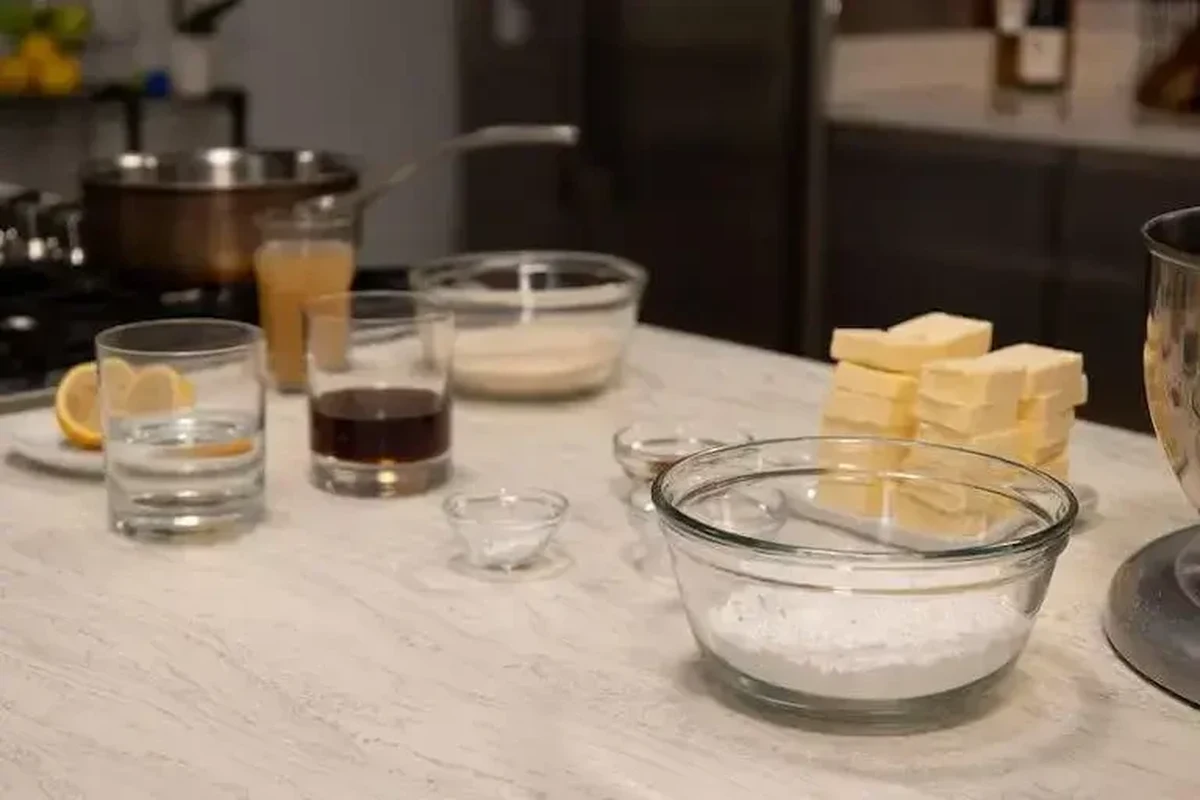
Baking soda and baking powder both help baked goods rise, but they do it in different ways. Baking soda needs an acid to react, while baking powder already contains acid plus a starch buffer, so the recipe chemistry changes as soon as you switch them.
What each leavening agent does in a recipe
Baking soda is sodium bicarbonate. In a batter, it reacts with acidic ingredients and releases carbon dioxide, which creates bubbles that expand in the oven.
Baking powder is a complete leavening system. It includes baking soda, one or more acid salts, and usually a drying starch so it can sit on the shelf without reacting too soon.
Why the substitution is not a simple 1:1 swap
Because baking powder contains less pure alkaline strength per teaspoon than baking soda, the two ingredients are not interchangeable in equal amounts. If you use too much baking soda, the batter can taste soapy or bitter and may overbrown before the center sets.
If you use too little, the recipe may stay flat and dense. That is why a substitution works only when you also adjust the acid balance and sometimes the liquid balance.
Double-acting baking powder is designed to release gas twice: once when mixed with liquid and again when heated. That timing helps many batters hold their rise until the oven sets the structure.
Baking Soda vs. Baking Powder: Ingredient Roles, Strength, and Acidity
Understanding the difference helps you judge whether a recipe can tolerate a swap. The issue is not just lift; it is also flavor, browning, and how quickly the batter starts to change after mixing.
How baking soda reacts with acidic ingredients
Baking soda works best when the batter contains acid such as buttermilk, yogurt, sour cream, molasses, brown sugar, citrus juice, cocoa that is naturally acidic, or vinegar. The acid neutralizes the soda and creates carbon dioxide gas.
When the acid is not enough, some soda remains unneutralized. That leftover soda can leave a harsh flavor and a darker, sometimes yellowish crumb.
If a recipe already includes an acidic ingredient, check whether the original formula uses baking powder only for lift or whether it also depends on soda for flavor balance and browning. That clue often tells you whether a swap is realistic.
What baking powder already contains and why it behaves differently
Baking powder is built to work without needing extra acid from the recipe. That makes it useful in recipes that use milk, water, or neutral ingredients where there is not enough natural acidity to activate baking soda by itself.
Because it already contains both the base and the acid, it tends to be more forgiving in neutral batters. It is still possible to overuse it, though, which can leave a metallic or bitter aftertaste.
How double-acting baking powder changes timing in the oven
Most modern baking powders are double acting, meaning they begin to react when wet and then react again with heat. This gives batters a second lift in the oven, which is especially helpful for cakes, muffins, and quick breads that need a steady rise.
Baking soda does not provide that same two-stage lift. Once the acid and soda meet, the reaction starts right away, so mixing and baking timing matter more.
When a Substitution Might Work and When It Usually Fails
Some recipes are flexible enough to handle a leavener swap. Others are built around a very specific acid-to-base ratio, and changing that balance can ruin the crumb or flavor.
Recipes that already contain enough acid for baking soda
Recipes with buttermilk, yogurt, sour cream, lemon juice, molasses, or natural cocoa often have enough acid to support baking soda. In those cases, soda may work if you adjust the amount carefully and keep the rest of the formula in balance.
If the recipe already uses baking soda, do not add more just because you ran out of powder. Extra soda can make the batter spread too much and taste off.
Recipes that depend on baking powder for lift and texture
Neutral cakes, many vanilla muffins, and some pancakes depend on baking powder because there is not enough acid in the batter to activate soda. These recipes often need the steady, controlled lift that baking powder provides.
If you replace powder with soda in a neutral batter without adding acid, the result is usually flat, heavy, and sometimes greasy-looking because the structure never gets enough gas before the batter sets.
Examples from cakes, muffins, pancakes, and quick breads
Layer cakes often suffer the most from a bad swap because they need fine, even crumb and reliable rise. Muffins and pancakes are a little more forgiving, but they can still turn dense, coarse, or overly browned if the chemistry is off.
Quick breads can sometimes handle a small adjustment better than cakes because they are already rustic. Even then, too much baking soda may create a tunnelled interior or a bitter aftertaste near the crust.
- Can save a recipe when you have no baking powder on hand
- May work well in acidic batters already built for soda
- Can produce good browning in the right formula
- Not a true 1:1 replacement
- Can cause flat, bitter, or overly browned bakes
- Often needs extra acid and careful measurement
How to Adjust a Recipe Safely if You Only Have Baking Soda
If you want to use baking soda instead of baking powder, the safest approach is to treat it as a formula adjustment, not a shortcut. The goal is to add enough acid to activate the soda without throwing off the batter’s moisture or flavor.
Converting baking powder amounts into baking soda with added acid
A common kitchen guideline is to use less baking soda than baking powder because soda is stronger. Exact conversions vary by recipe, but many bakers start by replacing baking powder with a smaller amount of soda and then adding an acid source to compensate.
Because recipes differ, this is not a guaranteed formula. Ingredient brand, measuring style, and oven calibration can all affect the outcome, so it is wise to test the recipe in a small batch first if the bake matters.
If the recipe already includes an acidic ingredient, you may only need a small soda adjustment. If it is a neutral batter, you usually need both soda and an added acid for the substitution to behave properly.
Choosing the right acidic partner: lemon juice, buttermilk, yogurt, or vinegar
Buttermilk and yogurt are common choices because they add acid and moisture at the same time. Lemon juice and vinegar are more concentrated, so they can work in small amounts, but too much may leave a sharp taste.
The best partner depends on the recipe. A vanilla muffin may tolerate buttermilk well, while a chocolate cake might pair better with the acid already present in cocoa and brown sugar.
Best for pancakes, biscuits, and tender cakes because it adds tang, moisture, and reliable acid for soda.
Best for small adjustments when you need a quick acid boost without adding much extra liquid flavor.
Why reducing other liquids or sugars may be necessary
Adding an acidic liquid can change the batter’s hydration. If you pour in more buttermilk, lemon juice, or vinegar without adjusting anything else, the batter may become too loose and bake up gummy or spread too much.
In some recipes, sugar also affects browning and spread. A wetter, sweeter batter can brown faster, which means the outside may look done before the center is fully set.
Use a small soda adjustment only if the recipe already contains sour cream, buttermilk, yogurt, molasses, or natural cocoa.
Add an acid source carefully, then reduce another liquid if needed so the batter does not thin out too much.
Signs the Swap Went Wrong: Texture, Color, Flavor, and Rise Problems
When a leavener swap fails, the clues usually show up before the first bite. Look at the crumb, the color, and the way the batter behaved in the oven.
Flat bakes, coarse crumb, or tunnel formation
A flat top or low volume usually means the batter did not produce or hold enough gas. A coarse crumb or large air tunnels can mean the batter rose too fast in spots and then collapsed or set unevenly.
These problems are common when baking soda is used without enough acid or when the batter sits too long before baking.
The cake or muffins look low, dense, or uneven after baking.
Check whether the recipe had enough acid for soda and whether the batter went into the oven promptly. If not, the leavener may have exhausted itself before the structure set.
Soapy, metallic, or bitter flavors from too much baking soda
These flavors usually mean the soda amount was too high for the acid in the recipe. You may also notice a darker or oddly yellow crumb, especially near the edges.
If the flavor is strongly alkaline, the recipe usually cannot be rescued after baking. The better fix is to rebalance the formula before the next batch.
Overbrowning, spreading, or dense centers as warning signs
Baking soda can encourage browning, which is useful in the right amount but easy to overdo. If cookies spread too much or cakes brown early while the center stays dense, the leavener balance may be off.
Dense centers can also happen when overmixing develops too much gluten or when the batter chemistry weakens the structure before it reaches the oven.
Ingredient Measurement, Mixing Method, and Doneness Checks
Even a correct substitution can fail if the measurements are sloppy or the batter is handled too aggressively. Leavening chemistry is sensitive, so precision matters more than it does in many savory recipes.
How to measure leaveners accurately in teaspoons and fractions
Use proper measuring spoons, level them off, and avoid guessing with kitchen spoons. Small differences matter because baking soda is potent, and a little extra can change the flavor and color fast.
If a recipe calls for fractions of a teaspoon, measure carefully rather than rounding up. That is especially important in small batches where one extra pinch can be a large percentage of the total.
Do not taste raw batter or dough that contains raw flour or raw eggs. Follow USDA food safety guidance for handling and baking foods that contain these ingredients.
Why overmixing can worsen a weak substitution
When a batter already has leavening trouble, overmixing can make the texture worse by developing gluten and knocking out trapped air. This is especially noticeable in muffins, pancakes, and quick breads.
Mix only until the dry ingredients disappear. A few small lumps are usually better than a batter that has been beaten smooth and tough.
Visual and internal doneness cues when the batter chemistry changes
Watch for a set center, springy top, and edges that pull slightly from the pan. A toothpick should come out with a few moist crumbs for many cakes and muffins, though the exact cue depends on the recipe.
Because a leavener swap can change browning, do not rely on color alone. If the top is dark but the center still jiggles or feels soft, the bake likely needs more time at a slightly lower rack position or better pan placement.
Measure leaveners carefully, mix gently, and get the batter into the pan without delay if soda has already met acid.
Look for steady rise, even browning, and a center that sets without sinking.
Let the structure finish setting before slicing, because a weak leavening swap can make a fresh bake seem more delicate than it really is.
Storage, Freshness, and Safety Tips for Better Results in 2026
Fresh leaveners matter because old or moisture-damaged products can fail even when the recipe is correct. If you are troubleshooting a bad rise, start by checking the ingredients before changing the whole formula.
How to test whether baking soda and baking powder are still active
Baking soda can be tested with a small splash of vinegar; it should fizz quickly. Baking powder can be tested with warm water; active powder should bubble, though the reaction may be less dramatic than soda and vinegar.
If there is little or no reaction, replace the product. For a broader refresher on shelf life and replacement timing, see does baking soda expire and when to replace it.
Proper storage to prevent moisture damage and clumping
Keep both leaveners tightly sealed in a cool, dry cabinet away from the stove, dishwasher steam, and open containers of wet ingredients. Moisture can trigger premature clumping and weaken performance over time.
If you often bake in a humid kitchen, label containers with the purchase date and replace them more often if they lose their fine, dry texture.
Food safety and label-reading cautions for specialty or aluminum-free powders
Some baking powders are labeled aluminum-free, which mainly affects flavor preference, not the basic need for proper substitution. Always read the ingredient list because brands may use different acid salts or starches, and those differences can change how a formula behaves.
Also check for allergen statements and cross-contact warnings if you are baking for someone with food allergies. Product labels and official food safety guidance are more reliable than assumptions when the recipe matters for health.
Do not assume every baking powder behaves exactly the same. Different brands may vary in acid strength, starch type, and labeling, so verify the package directions and ingredient list before making a substitution.
Final Verdict: When to Substitute, When to Wait, and What to Use Instead
Yes, you can sometimes substitute baking soda for powder in recipes, but only when the batter has enough acid or when you are willing to adjust the formula carefully. For neutral recipes, the safer choice is usually to wait until you have baking powder or to choose a recipe designed for baking soda.
Best decision based on recipe type and available ingredients
If the recipe already contains buttermilk, yogurt, sour cream, molasses, natural cocoa, or another acidic ingredient, a soda-based adjustment may work well. If the recipe is a neutral cake, biscuit, or muffin that depends on baking powder for balanced lift, the swap is more likely to fail.
For a clearer side-by-side explanation of the two ingredients, you may also want to read is baking soda and baking powder the same and can you use baking soda instead of baking powder safely.
Practical recap for home bakers choosing the right leavener
The best rule is simple: baking soda needs acid, baking powder brings its own acid, and the recipe decides which one you need. If you are unsure, use the leavener the recipe calls for, or make a tested recipe adjustment rather than a guess.
When in doubt, smaller experiments are safer than full-size bakes. That approach saves ingredients, reduces waste, and gives you a better read on how the chemistry is behaving before you commit to a whole cake or tray of muffins.
Substitute baking soda for baking powder only when the recipe has enough acid or you can add the right acidic partner. If the batter is neutral and the rise matters, the better choice is usually to use baking powder or a recipe written for soda.
Frequently Asked Questions
Sometimes, but only if the cake batter already has enough acid or you add an acidic ingredient. If the recipe is neutral, the cake may turn flat, bitter, or overly browned.
Baking soda is a single alkaline ingredient that needs acid to react. Baking powder already contains both the base and the acid, so it can work in more neutral recipes.
Recipes with buttermilk, yogurt, sour cream, molasses, lemon juice, vinegar, or natural cocoa often have enough acid. If the recipe uses plain milk or water, it usually relies more on baking powder.
Too much baking soda can cause a soapy or bitter flavor, darker browning, and a coarse or uneven crumb. It can also make baked goods spread too much.
Yes. Baking soda should fizz when mixed with vinegar, and baking powder should bubble when mixed with warm water. If the reaction is weak or absent, replace the product.
Often yes, because extra buttermilk, yogurt, or juice changes the batter’s hydration. You may need to reduce another liquid slightly so the batter does not become too thin.