
Baking Soda Bath for Thrush Benefits and How It Works

A baking soda bath for thrush may help ease itching and burning for a short time, but it does not treat the infection itself. Use it only as a gentle comfort measure and get medical advice if symptoms persist, worsen, or keep coming back.
A baking soda bath for thrush is a simple home soak some people use to ease irritation, itching, and burning for a short time. It may help make the area less comfortable for yeast, but it is not a replacement for antifungal treatment when an infection is active or keeps coming back.
- Comfort only: A baking soda bath may soothe irritation, but it is not an antifungal treatment.
- Keep it mild: Use lukewarm water and a small amount of baking soda to avoid extra dryness.
- Watch for limits: Persistent, severe, or recurrent symptoms need medical evaluation.
- Avoid irritants: Skip scented soaps, bubble bath, and harsh additives.
- Use caution: Pregnancy, diabetes, immune issues, and infant symptoms deserve extra care.
What a Baking Soda Bath for Thrush Is and Why People Search for It
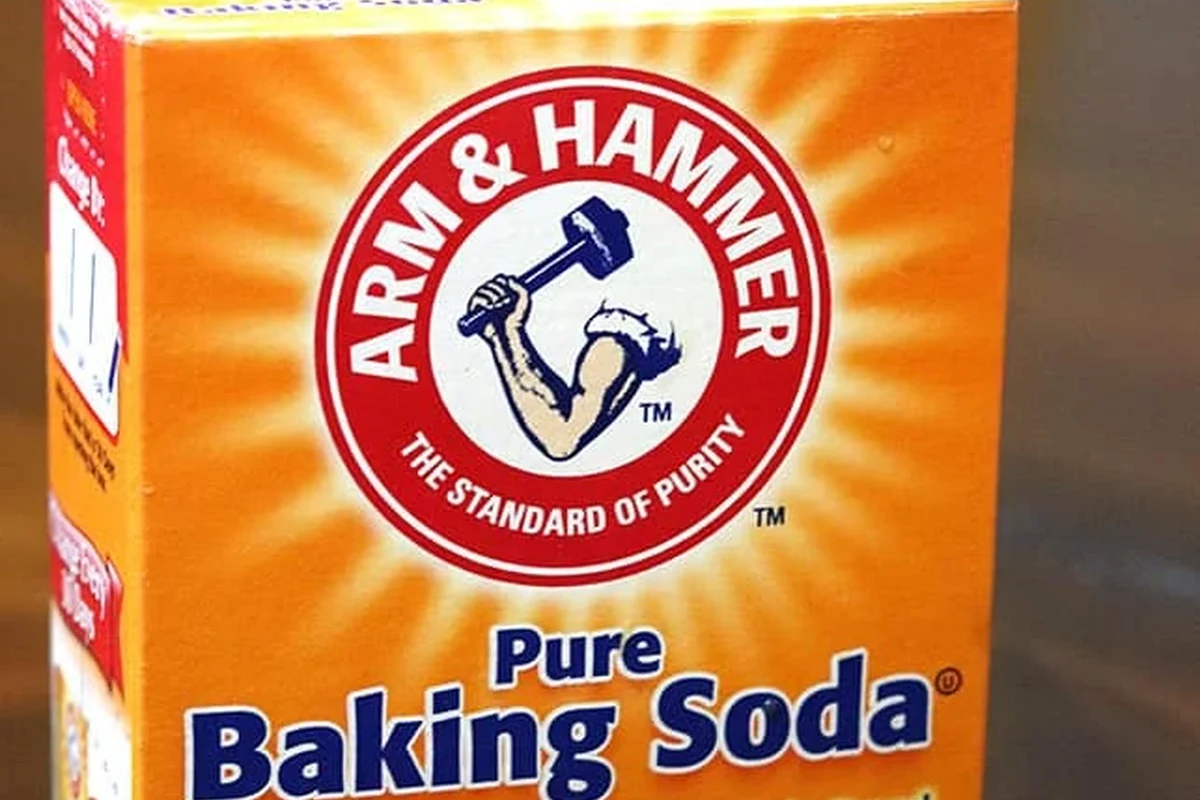
A baking soda bath for thrush usually means adding a small amount of sodium bicarbonate to bathwater or using it in a sitz bath to calm discomfort around the vulva, groin, or diaper area. People often search for it because they want something inexpensive, easy to find, and soothing while they wait for symptoms to improve.
In baking, baking soda changes the chemistry of a mixture by shifting pH. In the bathroom, that same alkaline effect is the reason some people try it for yeast-related irritation, though the body is not a cake batter and the results are much less predictable. If you want a broader explanation of the ingredient itself, our baking soda versus baking powder guide explains why baking soda behaves so differently from other leaveners.
Thrush symptoms this home remedy is usually meant to ease
Thrush can cause itching, redness, soreness, a burning feeling, and sometimes a thick white discharge or rash. In babies, it may show up as white patches in the mouth, fussiness during feeding, or diaper-area irritation. A baking soda bath is usually aimed at the external discomfort, not the infection itself.
That matters because the most annoying part of thrush is often the irritation, and a brief soak may feel calming on inflamed skin. Still, symptom relief alone does not tell you whether the yeast is gone, or whether something else is causing the problem.
How baking soda differs from antifungal treatment and when that matters
Antifungal medicines are designed to reduce or stop yeast growth. Baking soda does not work the same way, so it may soothe the area without clearing the infection.
That difference matters most when symptoms are severe, persistent, or recurring. If you are dealing with repeated thrush, diabetes, pregnancy, immune issues, or mouth thrush in a baby, medical advice is more important than a home soak.
How Baking Soda May Help: The Science Behind the Bath
Yeast tends to thrive in warm, moist, irritated areas. Baking soda may help by temporarily making the skin surface less acidic, which can make the environment less comfortable for yeast and can sometimes reduce the sting of inflamed skin.
Small changes in pH can affect how yeast behaves, but pH changes alone usually do not fully eliminate an established infection.
pH balance and why an alkaline rinse can make the area less friendly to yeast
Baking soda is mildly alkaline. When diluted in water, it can help shift the surface environment away from the acidity that some yeast prefer, which may make the area feel less irritated for a while.
Think of it like adjusting the environment instead of removing the cause. In the same way that a recipe can taste different when the balance of acid and base changes, the skin can feel different when the bathwater is too strong, too weak, or used for too long.
Why temporary symptom relief is not the same as clearing an infection
A soothing bath can reduce friction and wash away sweat or discharge that adds to irritation. But once the skin dries, the underlying yeast may still be present.
That is why a baking soda bath can be a comfort measure, not a cure. If you need a treatment that targets the cause, a clinician may recommend an antifungal cream, suppository, oral medicine, or a different plan depending on the location and severity of symptoms.
How to Prepare a Baking Soda Bath Safely
Safety comes down to dilution, water temperature, and time. Stronger is not better here, and a soak that is too concentrated can leave skin feeling drier or more irritated.
Common dilution ranges and why concentration matters
Many home-care instructions use a small amount of baking soda in a basin or bathtub rather than a heavy dose. Exact amounts can vary by age, body area, and the reason for the soak, so it is wise to follow clinician directions if you have them.
If you are making a sitz bath, the solution should feel mild, not slippery or strongly alkaline. Overconcentrated water can strip moisture from skin, which may leave the area tighter, drier, and more prone to burning afterward.
Do not use baking soda as a substitute for prescribed medicine when symptoms suggest an active yeast infection. If a clinician has given you specific directions, follow those instead of a generic home remedy.
Water temperature, soak time, and how often it is typically used
Lukewarm water is usually the safest choice because hot water can increase stinging and dryness. A short soak is generally more comfortable than a long one, especially if the skin is already inflamed.
Many people use a bath only once or a few times a day for brief relief, but the right frequency depends on skin sensitivity and the underlying cause. If the area feels more irritated after each soak, the bath is probably too strong or too frequent.
Practical examples for sitz baths, full baths, and localized soaks
A sitz bath is often the most practical option for external genital irritation because it targets the area without soaking the whole body. It is also easier to keep the water mild and the exposure short.
A full bath may feel relaxing, but it can be less efficient if the goal is only to soothe one area. A localized soak, such as for a diaper area or external skin fold, can also work if the water is clean, lukewarm, and the area is dried gently afterward.
If you are treating a baby or young child, get medical guidance before trying any bath remedy. Infant mouth thrush and diaper rash can look similar, but they are not always managed the same way.
Common Mistakes That Can Make Thrush Worse
Home remedies can backfire when the concentration is too strong, the soak is too long, or the wrong products are added. Thrush-prone skin is already sensitive, so small mistakes can create more burning instead of less.
Using too much baking soda or soaking too long
More baking soda does not mean better results. A strong mixture can leave the skin dry, tight, or irritated, especially if you repeat the bath often.
Long soaks can also soften skin too much, which may increase friction afterward. If the area feels raw after bathing, shorten the soak and reduce the amount used next time.
The bath stings or leaves the skin drier after use.
Use less baking soda, switch to lukewarm water, and cut the soak time. If irritation continues, stop the bath and seek medical advice.
Relying on the bath instead of medical treatment when symptoms persist
If symptoms linger, a bath may only mask the problem. That is especially true when thrush keeps returning, spreads, or does not improve after a few days of sensible home care.
For readers who like understanding how ingredients interact, our baking soda and vinegar reaction guide shows how baking soda behaves in a chemical reaction, which helps explain why it is useful in some settings and not in others. For non-food uses around the home, our baking soda in laundry benefits article offers another example of where dilution and contact time matter.
Using the wrong product, harsh soaps, or fragranced additives
Plain baking soda and plain water are the point. Scented bath oils, bubble bath, harsh soap, and fragranced additives can irritate already sensitive tissue and make thrush feel worse.
If you are cleaning a bath area beforehand, avoid mixing in extra chemicals unless you know they are safe for skin contact. In the kitchen, we often say the simplest setup is the easiest to control, and that idea applies here too.
Who Should Be Cautious Before Trying a Baking Soda Bath
Not every case of thrush is a good fit for home care. Some situations need a clinician’s input first because the cause may be more complicated, the skin may be more fragile, or treatment may need to be specific.
When pregnancy, diabetes, immune issues, or recurrent infections change the advice
Pregnancy can change which treatments are recommended, so it is better to ask a clinician before trying repeated home remedies. Diabetes and immune issues can also raise the risk of stubborn or recurrent yeast infections, which often need more than a bath.
If thrush keeps coming back, do not assume the remedy failed because the bath was wrong. The real issue may be an untreated trigger, a medication side effect, or a diagnosis that is not thrush at all.
Signs that require prompt medical evaluation rather than home care
Get checked promptly if you have fever, severe pain, spreading redness, open sores, foul-smelling discharge, trouble swallowing, or symptoms that are rapidly worsening. Mouth thrush in babies, nipple pain during breastfeeding, and any infection in a very young infant also deserve medical attention.
According to general safety guidance used by health agencies such as the CDC and FDA, persistent or worsening symptoms should not be managed by guesswork alone. A home soak is for comfort, not for delaying needed care.
Use a clean basin or tub, rinse it well, and never add cleaning agents to the bathwater. Skin irritation from leftover soap or sanitizer can be mistaken for worsening thrush.
What to Expect After Use: Relief, Limits, and Troubleshooting
Some people feel calmer or less itchy fairly soon after a soak, while others notice little change. The most realistic goal is short-term comfort, not a dramatic cure.
How quickly symptoms may feel better and what results are realistic
If the bath helps, the skin may feel less hot, less itchy, or less stingy within a short time after drying off. That relief can be useful when irritation is making it hard to rest or go about the day.
Still, the improvement may fade as the skin dries. That is normal for a comfort remedy, and it does not necessarily mean the bath “stopped working.”
- Use a mild dilution
- Pat the area dry gently
- Watch for symptom patterns
- Scrubbing the skin
- Using scented products
- Ignoring worsening symptoms
What to do if irritation, burning, or dryness appears
If the bath burns, stop using it. Rinse with clean lukewarm water, pat dry, and give the skin a break before trying anything else.
Dryness often means the solution was too strong, the soak was too long, or the skin simply does not tolerate baking soda well. In that case, a plain water rinse and medical advice may be the better next step.
How to tell whether the problem is truly thrush or something else
Thrush can resemble eczema, contact dermatitis, bacterial irritation, or another skin issue, especially when the area is red and uncomfortable. That is one reason self-diagnosis can be tricky.
If the problem does not behave like a typical yeast infection, a clinician can help sort out the cause. That is especially important if over-the-counter antifungals have not helped or the rash is in an unusual location.
Final Decision: When a Baking Soda Bath Makes Sense and When It Does Not
A baking soda bath for thrush makes sense when you want short-term soothing for mild external irritation and you are using it as a support step, not a cure. It is most useful when the skin is intact, the soak is brief, and the mixture is kept gentle.
It does not make sense as the main plan for persistent, severe, recurrent, or medically complicated thrush. In those cases, antifungal medication, clinician guidance, and a proper diagnosis are the better choice. If you are unsure, treat the bath like a small comfort tool and not the whole solution.
Best-use scenarios for short-term comfort support
Use it when itching or burning is mild, you need temporary relief, and you can keep the soak simple. It may also be reasonable while you are waiting for a prescribed treatment to take effect, if your clinician says home soothing is acceptable.
When antifungal medication, clinician guidance, or a different approach is the better choice
Choose medical treatment first when symptoms are persistent, severe, recurring, or affecting a baby, pregnant person, or anyone with higher health risk. If you are uncertain whether it is thrush, that uncertainty itself is a good reason to get checked rather than keep experimenting at home.
For readers who like understanding ingredient behavior, the same careful measuring mindset used in baking applies here: the right amount matters, the method matters, and more is not automatically better. When in doubt, choose the safest, simplest option and verify any treatment plan with a qualified clinician.
A baking soda bath can be a gentle short-term comfort measure for mild external thrush irritation, but it should not replace antifungal treatment when an infection is active or persistent.
Frequently Asked Questions
Use only a mild dilution and follow clinician guidance if you have it. Exact amounts can vary by age, body area, and symptom severity, so avoid making the bath strong.
No, baking soda may only help with short-term comfort. Antifungal medicine is usually needed to treat the infection itself.
Keep the soak brief and use lukewarm water. Long soaks can dry or irritate sensitive skin.
Pregnancy can change which treatments are recommended, so it is best to ask a clinician before using home remedies repeatedly. Do not rely on a bath alone if symptoms persist.
Stop using it, rinse with plain lukewarm water, and pat the area dry. Burning or dryness often means the mixture is too strong or the skin is too irritated for this remedy.
Thrush can look like other skin problems, including dermatitis or bacterial irritation. If symptoms are unusual, severe, or not improving, get a medical evaluation.