Baking soda can polish silverware safely when you use a gentle paste or foil bath and dry each piece right away. It works best on light to moderate tarnish and is not the right choice for fragile antiques or mixed-material pieces.
Polishing silverware with baking soda is a simple, low-cost way to lift tarnish and bring back a brighter finish. Used correctly, it can clean everyday flatware without the harsh feel of stronger abrasives.
- Gentle cleaning: Baking soda helps lift tarnish without heavy abrasion when used with a soft cloth.
- Best methods: Use a paste for light tarnish and a foil bath for heavier buildup.
- Finish matters: Rinse and dry completely to avoid cloudy residue and water spots.
- Know the limits: Avoid delicate antiques, glued parts, gemstones, and unknown mixed materials.
Why Baking Soda Works on Tarnished Silverware
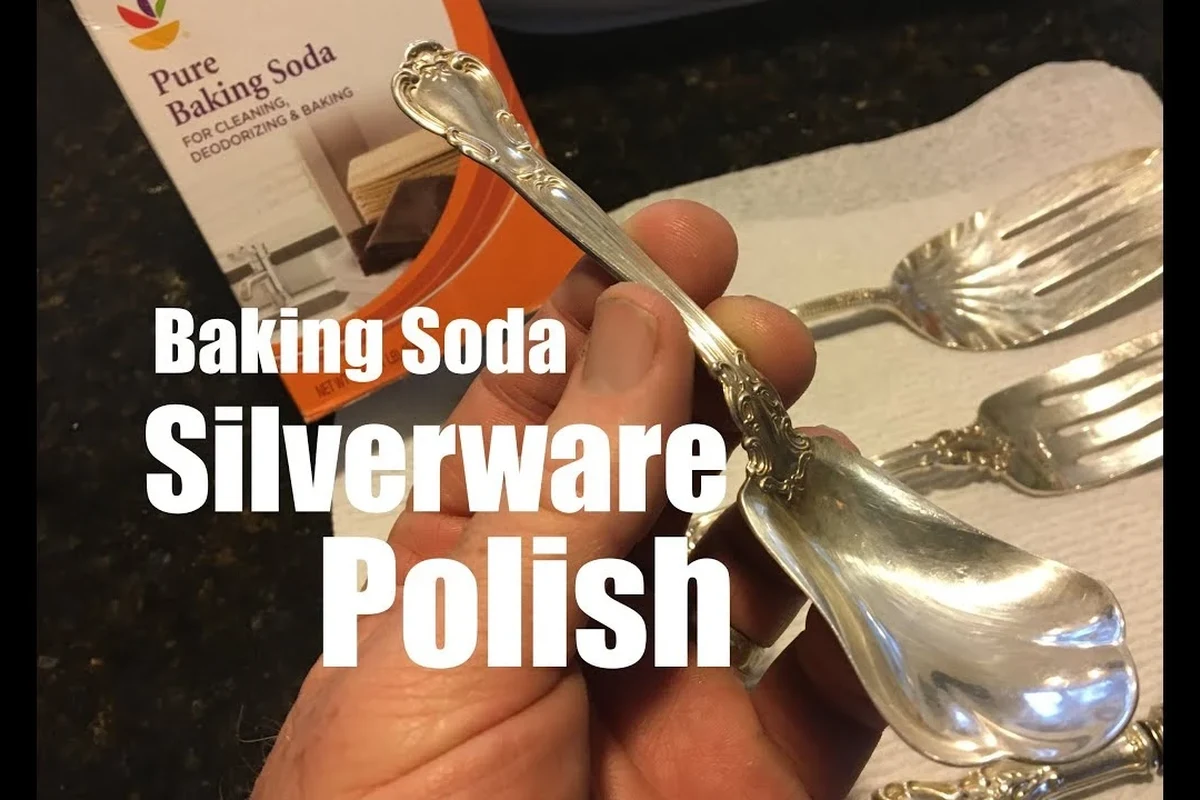
Tarnish on silver and silver-plated pieces is usually a surface layer created by oxidation and sulfur compounds in the air. Baking soda helps loosen that layer so it can be wiped away more easily, which is why it is a common choice for gentle cleaning in the kitchen. If you want to understand why it behaves differently from other pantry cleaners, our guide to the baking soda and vinegar reaction explains how baking soda changes when it meets another ingredient.
How baking soda lifts oxidation without harsh abrasion
Baking soda is mildly alkaline and only lightly abrasive, so it can help break up tarnish without grinding deeply into the metal when used with water and a soft cloth. That matters because silverware can scratch more easily than many people expect, especially if the finish is antique, engraved, or silver-plated rather than solid sterling. The goal is to loosen the dull film, not to scrub the surface until it feels rough.
Tarnish often starts in tiny patches first, then spreads into a gray or black cast. Catching it early usually means less scrubbing and a better final shine.
When silver-plated and sterling pieces respond best
Silverware that has light to moderate tarnish usually responds well to baking soda paste or a foil bath. Sterling silver often cleans up nicely because the surface is real silver, while silver plate can also improve if the plating is still in good condition. If the item is worn through, pitted, or already showing base metal, be gentler and test a small area first.
What You’ll Need Before You Start Polishing
Before you begin, gather the simplest possible setup. A calm, organized workspace helps you avoid over-scrubbing and makes it easier to rinse and dry pieces before water spots form.
Baking soda, water, soft cloths, and a non-reactive dish or pan
For the paste method, you only need baking soda and a little water. Use a soft cloth, cotton pad, or microfiber towel so you are lifting tarnish rather than grinding it around. A glass, ceramic, or stainless-steel dish is the safer choice for soaking or mixing, because reactive metals can affect the finish.
Optional helpers: aluminum foil, salt, mild dish soap, and microfiber towels
The foil-and-hot-water method uses aluminum foil to help move tarnish away from the silver and onto the foil, especially when combined with baking soda and hot water. A small amount of salt is sometimes used in that method, though you should keep the mixture controlled and avoid overdoing it. Mild dish soap is useful for a final wash if the silverware has food residue, and microfiber towels are helpful for drying and buffing.
Do not use harsh scouring powders, steel wool, or abrasive scrub pads on silverware. Those tools can leave permanent scratches, especially on polished or plated finishes.
Choosing the right setup for flatware, serving pieces, and antique items
Flatware is usually the easiest to clean because the shape is simple and the surface area is small. Serving pieces like ladles, tongs, and trays may need more careful handling around decorative edges and joints. Antique items deserve extra caution because patina, maker marks, and hand-applied details can be damaged by overly aggressive cleaning.
- Check whether the item is sterling silver, silver plate, or stainless steel with decorative coating.
- Look for gemstones, wood handles, glue joints, or engraved details.
- Set out a soft drying cloth before wet cleaning begins.
Step-by-Step Methods for Polishing Silverware with Baking Soda
The best method depends on how much tarnish you see. Light tarnish usually needs only a paste and gentle wiping, while darker buildup may respond better to a foil bath. If you are also comparing pantry cleaners for other jobs, our article on cleaning ovens with baking soda and vinegar shows how the ingredient behaves in a different cleaning task.
Mix baking soda with just enough water to form a spreadable paste. Rub it onto the silverware with a soft cloth using small, gentle motions, then let it sit briefly if needed before rinsing.
Line a non-reactive dish with aluminum foil, add the silverware so it touches the foil, sprinkle in baking soda, and cover with hot water. The tarnish should transfer during the soak, reducing the need for scrubbing.
Rinse away all residue, dry each piece fully, and finish with a clean microfiber towel for shine. Drying right away helps prevent water spots and streaks.
The paste method for light to moderate tarnish
This is the safest first choice for everyday flatware. Dab a small amount of paste onto the silverware and move with the grain of the finish if one is visible, rather than rubbing in circles with pressure. If the tarnish is lifting, the cloth may start to show gray residue, which is a normal sign that the surface film is coming off.
Work one piece at a time. That makes it easier to see progress, rinse before residue dries, and stop as soon as the shine returns.
The foil-and-hot-water method for heavily tarnished silverware
For dark or widespread tarnish, the foil method can be more efficient than hand rubbing. Place the silverware so it touches the foil, because the contact helps the reaction work across the surface. Use enough hot water to cover the pieces, but avoid boiling water unless the item is clearly heat-safe and free of glued parts or decorative materials.
This method can be helpful for large batches of flatware, but it is not ideal for pieces with wood handles, glued accents, pearls, gemstones, or fragile finishes.
How to rinse, dry, and buff for a streak-free finish
Rinsing matters as much as the cleaning step. Any baking soda left behind can dry into a powdery film, and any water left on the metal can become spots. Use a clean towel to dry each piece fully, then buff lightly with a microfiber cloth until the surface looks even and bright.
Common Mistakes That Can Scratch or Dull Silverware
Most polishing problems come from trying to speed up the process. Silverware usually looks worse when it is scrubbed too hard than when it is cleaned patiently with a mild paste or soak.
Using too much pressure, abrasive pads, or gritty mixtures
Pressing hard does not remove tarnish faster in a useful way; it mainly increases the chance of scratches. Avoid combining baking soda with coarse salt unless the method specifically calls for it, and never use gritty leftovers from the sink or counter. If the mixture feels sandy, it is too abrasive for a polished metal surface.
The silverware looks cloudy or scratched after cleaning.
Use less pressure, switch to a softer cloth, and stop scrubbing once the tarnish lifts. If the finish is already dull from prior abrasion, polishing may improve the shine only partially.
Leaving silver in contact with aluminum or salty solutions too long
The foil method depends on controlled contact, not a long soak that is forgotten on the counter. Leaving pieces too long in a salty or reactive solution can create uneven results or leave residue in seams and decorative grooves. Remove the items as soon as the tarnish has lifted, then rinse right away.
Skipping the final drying step and causing water spots
Even a perfect cleaning can look unfinished if the silverware air-dries with mineral-rich water on the surface. Dry every piece by hand, especially around handles, tines, and engraved edges where droplets hide. This is one of the easiest ways to keep the shine looking professional.
Hot water and freshly polished metal can both cause burns or slips. Handle pieces carefully, and keep the sink area clear so items do not fall while wet.
Safety, Material Compatibility, and When Not to Use Baking Soda
Not every shiny utensil is safe for the same treatment. Before you polish, identify the material and look for anything that could be damaged by moisture, heat, or mild abrasion.
Identifying sterling silver versus silver plate, stainless steel, and mixed-metal handles
Sterling silver is real silver alloy, while silver plate has a thin silver coating over another metal. Stainless steel does not tarnish in the same way, so baking soda is usually more useful for surface cleaning than for tarnish removal. Mixed-metal handles, decorative ferrules, or inlaid sections should be treated conservatively because one cleaning method may suit the bowl of the spoon but not the handle.
- Test a hidden area first when the material is uncertain.
- Use the mildest method that removes the tarnish.
- Read maker or care instructions when they are available.
- Assuming every shiny utensil is solid silver.
- Soaking mixed materials without checking compatibility.
- Using the same method on every antique piece.
Protecting delicate engravings, gemstones, wood, and glued decorative details
Fine engraving can trap residue, so it needs gentle rinsing and careful drying rather than harder scrubbing. Wood handles and glued decorations can loosen if soaked too long, and some gemstones can be damaged by heat or cleaning solutions. If a piece combines multiple materials, clean only the silver section when possible.
When antique, heirloom, or museum-quality pieces need professional care
Heirloom silverware often has value beyond appearance. If a piece is rare, heavily worn, or tied to family history, a professional conservator or qualified silversmith may be the better choice, especially when you are unsure how much original finish should remain. For very old items, less cleaning can sometimes preserve more character and value.
How to Handle Different Levels of Tarnish and Real-World Examples
Tarnish does not always look the same from one household to another. Humidity, storage habits, and how often the silverware is used all affect how much cleaning is needed.
Quick touch-ups for everyday flatware after regular use
If your forks and spoons only look slightly dull after a week of use, a quick paste cleaning is usually enough. Wipe the pieces, rinse, dry, and buff before putting them away. This kind of maintenance is often easier than waiting until the silver turns dark.
Restoring heavily tarnished serving utensils before a dinner event
For serving spoons, trays, and tongs that have sat unused for months, start with the foil method if the item is safe for soaking. That approach can save time when you have several pieces to prepare before guests arrive. If some spots remain after the soak, finish with a soft paste rather than jumping straight to a harsher cleaner.
What to do when cloudy residue remains after the first cleaning
Cloudiness usually means baking soda residue, hard-water minerals, or a thin film of tarnish that needs one more gentle pass. Rinse more thoroughly, dry carefully, and polish with a clean cloth. If the finish still looks hazy, stop and reassess the material before repeating the process, because repeated scrubbing can do more harm than good.
Paste cleaning works best for light tarnish, small batches, and delicate control.
Foil soaking works best for heavier tarnish, larger batches, and quick restoration.
Keeping Silverware Brighter for Longer After Polishing
Once the shine is back, storage and routine care matter just as much as the cleaning itself. Good habits can slow down tarnish and reduce how often you need to repeat the process.
Proper storage methods, anti-tarnish cloths, and low-humidity habits
Store silverware in a dry place, ideally wrapped or separated so pieces do not rub against each other. Anti-tarnish cloths and pouches can help limit exposure to air and moisture. If your kitchen is humid, keeping silver away from the sink area and dishwasher steam can make a noticeable difference over time.
Cleaning frequency for households that use silverware weekly or seasonally
There is no single schedule that fits every home. Weekly-use flatware may only need light cleaning and polishing as needed, while seasonal serving pieces may need a more thorough polish before holidays or gatherings. The right schedule depends on humidity, storage, and how quickly your silver naturally tarnishes.
Decision recap: when baking soda is the best choice and when another method is smarter
Baking soda is a smart first choice when the tarnish is light to moderate, the piece is made of sterling or sound silver plate, and you want a gentle method with common kitchen ingredients. It is less ideal for fragile antiques, mixed materials, or items that need specialized conservation. In those cases, a professional cleaner or maker-recommended product is the safer path.
For most everyday silverware, baking soda gives a practical balance of cleaning power and gentleness when you use it with soft cloths and careful drying. Start with the mildest method, stop as soon as the tarnish lifts, and treat valuable or delicate pieces with extra caution.
Frequently Asked Questions
Yes, for light tarnish and sound silver or silver plate, baking soda is a reasonable first choice. Use the mildest method that works and avoid over-scrubbing.
Usually yes, if the plating is intact and the piece does not have fragile decorative parts. Test a small hidden area first, because worn plating can be more delicate.
Cloudiness often comes from residue or hard-water spots. Rinse again, dry thoroughly, and buff with a clean microfiber cloth before repeating any cleaning method.
Hot water helps the foil method work, but avoid boiling water unless the item is clearly heat-safe. Skip this method for wood handles, glued parts, or delicate mixed materials.
Baking soda is mildly abrasive, so it can scratch if you use too much pressure or pair it with rough pads. Used gently with a soft cloth, it is much less aggressive than harsher cleaners.
Avoid DIY polishing for rare antiques, museum-quality pieces, or items with gemstones, wood, or fragile glue joints. Those pieces may need professional care to prevent damage.
