Baking soda can help reduce fresh cat urine odor by absorbing moisture and softening the smell on the surface. It works best after blotting, but old or deep spots usually need an enzyme cleaner.
Cat urine can linger fast, spread deeper than it looks, and leave behind a smell that seems to come back after cleaning. Baking soda can help absorb odor and support cleanup, but it works best when you use it at the right stage and on the right surface.
- Fresh spots: Blot first, then use a light layer of baking soda after most moisture is.
- Deep odors: Baking soda may mask smell briefly, but enzyme cleaners work better on embedded urine.
- Safety: Avoid heat, heavy scrubbing, and mixing cleaners that are not meant to be combined.
- Best use: Carpet, rugs, and some upholstery respond better than porous or damaged surfaces.
Why Baking Soda Is Used for Cat Urine Odor and Stain Control
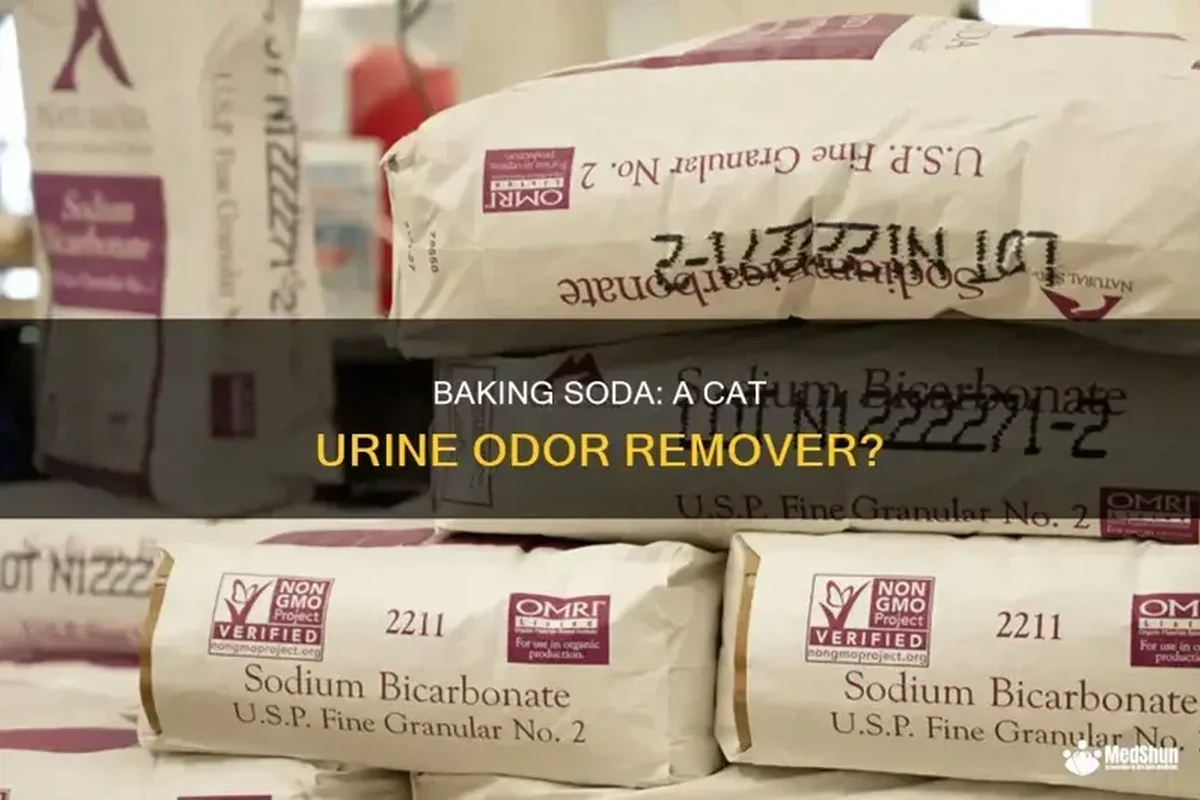
Baking soda is popular for baking soda cat urine cleanup because it is a mild alkaline powder that can help neutralize some acidic odors and absorb moisture from the surface. It does not “erase” a stain by itself, but it can reduce the sharp smell that often stays in carpet fibers, fabric weave, or grout lines.
For readers who want the chemistry behind it, the idea is similar to the way baking soda and vinegar reaction works in cleaning: one ingredient changes the environment, and that can affect odor. The difference is that baking soda is mostly an absorber and deodorizer, while vinegar is a liquid cleaner that can help loosen some residues.
How baking soda interacts with acidic urine odors
Fresh cat urine often contains compounds that become more noticeable as they break down. Baking soda can help by lowering the intensity of the odor at the surface and by soaking up dampness that feeds the smell.
Think of it as a deodorizing helper, not a full stain remover. If urine has already soaked into carpet padding, upholstery fill, or a mattress core, baking soda on top may only treat the top layer.
What it can and cannot do compared with enzymatic cleaners
Baking soda is useful for light odor control, spot treatment, and finishing a cleanup after the wet mess is removed. Enzymatic cleaners go further because they are made to break down the urine compounds that cause lingering odor.
If the accident is small and fresh, baking soda may be enough after blotting. If the spot is old, repeated, or still smells after drying, an enzyme cleaner is usually the better next step.
- Low-cost odor absorber
- Easy to use on many surfaces
- Helpful as a finishing step after blotting
- Does not fully break down urine proteins
- Weak on deep or old contamination
- Can leave residue if overapplied
First Response Steps When You Find Cat Urine on Carpet, Fabric, or Hard Floors
The first few minutes matter more than most people think. The goal is to remove as much liquid as possible before it spreads deeper into the material or dries into a stronger odor source.
Blotting, dilution, and removing excess moisture safely
Start by blotting with paper towels or a clean absorbent cloth. Press down gently and replace the towel as soon as it becomes damp so you are lifting liquid instead of pushing it around.
On washable fabric or hard flooring, a small amount of cool water can help dilute fresh urine before blotting again. Use only enough to loosen the surface residue; flooding the area can drive the liquid deeper into carpet backing or furniture padding.
Keep pets away from the wet area while you clean. Cats may return to the same spot if the odor remains, and wet cleaners can be irritating if they walk through them and groom their paws afterward.
When to avoid heat, steam, or scrubbing too hard
Do not use heat early in the process. Steam, hot water, or a heated upholstery tool can set odor into fibers and make the stain harder to remove later.
Avoid aggressive scrubbing too. Rubbing hard can spread the spot, damage carpet fibers, and drive contamination deeper into the backing. Patting and lifting are safer than grinding the stain into the surface.
For cleaning jobs like this, the best results usually come from patience, not force. Let each step do its job before adding the next one.
Step-by-Step Baking Soda Cat Urine Removal Method for Fresh Accidents
For a fresh accident, baking soda works best after you have removed the liquid and reduced the surface moisture. The method below is simple, but the order matters.
Surface preparation and safe cleanup sequence
Press with paper towels or cloths until little moisture transfers. Do not rub.
Use a small amount of cool water on carpet, upholstery, or fabric that can handle it, then blot again.
Cover the damp area with an even layer so the powder can absorb moisture and odor.
Leave it in place until the area is dry to the touch and the powder has done its work.
Remove the powder, then check the spot for any remaining smell before deciding whether to repeat or upgrade the cleaner.
How much baking soda to apply and how long to let it sit
Use enough baking soda to make a visible, even layer over the damp area, but not so much that it forms a thick crust. A light coating is usually easier to vacuum and less likely to leave residue in carpet pile or fabric texture.
The sit time depends on how wet the spot is and how much odor remains. For a small fresh accident, several hours may be enough; for a damp carpet area, overnight is often more practical. If the powder clumps quickly, that usually means it is pulling moisture from the surface.
Vacuuming, wiping, and checking for lingering odor
Vacuum the dry baking soda thoroughly. If the surface is hard flooring, wipe up the powder with a dry or slightly damp cloth after it has done its job, then dry the area well.
After cleaning, smell the area when it is completely dry. If the odor is still noticeable, the urine likely reached deeper than the top layer and may need an enzyme cleaner or repeat treatment.
Brand, carpet thickness, humidity, and airflow can change drying time. A room with poor ventilation may need much longer than a sunny, open space.
How to Treat Dried or Repeated Cat Urine Spots with Baking Soda
Old urine spots are harder because the liquid has already moved into fibers, backing, grout, or cushioning. Baking soda can still help, but it is usually part of a bigger cleanup plan rather than the whole solution.
Layering baking soda with vinegar or enzyme cleaner: when each makes sense
Vinegar can help loosen some residue on hard, washable surfaces, and a separate article on baking soda vinegar cleaning shows how these ingredients are often used as a cleaning pair. For cat urine, though, vinegar is not automatically the best first choice on every surface because too much liquid can push odor deeper into carpet or upholstery.
Enzyme cleaner makes more sense when the spot is old, repeated, or still smells after drying. Baking soda can be used after the area has been treated and dried to help with final odor control, but it should not replace the deeper cleaner when contamination has spread.
- Test any cleaner on a hidden spot first
- Use enzyme cleaner for recurring odor
- Let the area dry fully before judging the smell
- Soaking the area repeatedly
- Mixing cleaners in the same container
- Assuming the smell is gone while the spot is still damp
Dealing with deep carpet padding, upholstery, and mattress odors
When urine reaches padding or cushioning, surface cleanup can only do so much. In those cases, the top layer may look clean while the odor returns as the material warms up or humidity rises.
For upholstery and mattresses, use as little liquid as possible and focus on blotting, targeted treatment, and thorough drying. A fan, open window, or dehumidifier can help, but remember that airflow speeds drying; it does not remove contamination on its own.
Common mistakes that make old urine smell come back
One common mistake is cleaning only the visible stain and ignoring the larger perimeter. Urine often spreads farther than the center spot, especially on carpet and soft padding.
Another mistake is stopping too soon. If the smell returns after the area warms up, the contamination is still there. In that situation, repeat treatment or switch to a deeper cleaner instead of just adding more powder on top.
Do not mix baking soda with bleach or other strong cleaners. Incompatible mixtures can create unsafe fumes or reduce cleaning performance, and they are not worth the risk for a household spot.
Best Surfaces, Materials, and Situations for This Method
Baking soda cat urine cleanup works best on surfaces where you can remove the powder easily and where moisture has not soaked too far inside. The material matters as much as the cleaner.
Carpet, rugs, upholstery, litter box areas, and hard flooring
Carpet and rugs are common targets because baking soda can sit on the surface long enough to absorb odor before vacuuming. Upholstery can also benefit, but only if the fabric tolerates the small amount of moisture used in the first cleanup step.
On hard floors, baking soda may help with odor around litter box areas or minor accidents on sealed tile or vinyl. It is less useful on porous stone, unfinished wood, or damaged grout where liquid can seep below the surface.
When baking soda is a temporary fix versus a real odor solution
Baking soda is a temporary fix when the odor source is still active underneath the surface. It can make a room smell better for a while, but the smell may return if the urine has soaked into padding, seams, or subfloor layers.
It becomes a real odor solution only when the accident is fresh, shallow, and fully cleaned before it dries in. If you are dealing with a repeated marking spot, a stronger cleaner and better drying are usually necessary.
Odor often seems stronger after a room warms up because heat and humidity can release trapped smell molecules from fibers and padding.
Safety, Pet Health, and Cleaning Mistakes to Avoid in 2026
Safe cleanup matters as much as odor removal. Cats are sensitive to strong smells, wet residues, and repeated access to the same contaminated area.
Keeping cats away from wet cleaners and residue
Block off the cleaned area until it is fully dry and vacuumed. If a cat walks through wet baking soda or cleaner residue, it may track the material around the house and then lick it off during grooming.
That is especially important on soft surfaces where powder can settle into the pile. A clean, dry finish is better than leaving a visible white layer behind.
Risks of mixing baking soda with incompatible cleaners
Some cleaning combinations are fine only when used in separate steps, not mixed together at once. If you are using vinegar, enzyme cleaner, or another product, read the label and follow the manufacturer’s instructions.
For general household safety guidance, it is wise to follow recognized product-label directions and ventilation advice from official sources such as the EPA or FDA when relevant to the product type. When in doubt, keep the process simple and use one cleaner at a time.
How to spot damage, discoloration, or lingering contamination
Look for yellowing, darker edges, or a spot that reappears after drying. Those signs often mean the urine reached deeper than the top surface.
If the material feels stiff, smells stronger after vacuuming, or shows discoloration that spreads beyond the original mark, the surface may need deeper treatment or replacement. That is especially true for carpet pads and mattresses.
Preventing Future Cat Urine Accidents and Odor Build-Up
Cleaning is only part of the job. Preventing repeat accidents is what keeps the smell from becoming a cycle.
Litter box placement, cleaning habits, and odor control routines
Keep litter boxes easy to reach, quiet, and cleaned often enough for your household. Many cats avoid dirty boxes, cramped corners, or locations near loud appliances and heavy foot traffic.
Regular vacuuming, prompt spot cleanup, and fast drying help reduce odor buildup around the home. If you use baking soda near litter areas, keep it dry and away from places where a cat might inhale or track excessive powder.
Behavioral and medical reasons to investigate recurring accidents
Repeated accidents are not always a cleaning problem. Cats may urinate outside the box because of stress, litter box dislike, territory issues, or a medical concern that needs veterinary attention.
If accidents continue after you have cleaned thoroughly, it is worth checking with a veterinarian. A recurring pattern usually means the cause is still active, and odor removal alone will not solve it.
When a smell keeps returning, treat it like a layered problem: remove the liquid, clean the residue, dry the material, and then address the cat’s behavior or health trigger.
Final Verdict: When Baking Soda Cat Urine Cleanup Works and When to Upgrade Your Approach
Baking soda cat urine cleanup works best for fresh, small accidents and as a finishing deodorizer after you have already blotted and dried the area. It is helpful, affordable, and easy to use, but it is not strong enough to solve every old or deep urine problem.
Choosing between baking soda alone, enzyme cleaners, or professional help
If the spot is new and shallow, baking soda may be enough after immediate blotting. If the odor is old, repeated, or embedded in padding, an enzyme cleaner is usually the smarter choice.
For severe contamination, broad staining, or smells that return again and again, professional carpet or upholstery cleaning may be the most practical option. That is especially true in rental homes where hidden damage can affect deposits or move-out inspections.
Practical recap for homeowners, renters, and pet owners
Use baking soda as a support tool, not a magic fix. Blot first, avoid heat, apply a light layer, let it dry, and vacuum thoroughly before deciding if the odor is truly gone.
If the smell lingers after drying, upgrade to an enzyme cleaner or deeper treatment instead of repeating the same surface-only method. That simple decision can save time, protect fabrics, and keep cat urine from becoming a long-term odor problem.
Frequently Asked Questions
It can help with fresh, shallow accidents and reduce surface odor. For old or deep spots, an enzyme cleaner is usually needed for a more complete fix.
Let it sit until the area is fully dry, which may take several hours or overnight depending on moisture and airflow. The powder should be vacuumed up only after it has had time to absorb odor and dampness.
Yes, baking soda is commonly used on carpet when applied in a light layer and removed after drying. Avoid soaking the carpet first, and do not scrub hard or use heat.
Sometimes, but not as a universal fix. Vinegar can help on some surfaces, yet enzyme cleaners are usually better for old or repeated urine spots.
The urine may have soaked into padding, upholstery fill, or another hidden layer. Surface cleaning can make it seem better at first, but trapped contamination can release odor again as it dries or warms up.
Consider professional help if the stain is large, repeated, or embedded in carpet padding, mattresses, or subfloor areas. It is also a good option when the smell keeps returning after normal cleaning.
