
Baking Soda Foot Soak Benefits and Easy Recipe Guide

A baking soda foot soak can help with mild odor, comfort, and softening rough skin when used on healthy feet. It is simple to make, but it should not be used on open wounds, severe irritation, or suspected infection.
A baking soda foot soak is a simple home foot-care method that many people use for odor control, softening rough skin, and easing tired feet. It is easy to mix, inexpensive, and best used as a comfort routine rather than a cure-all.
- Best use: Mild odor, tired feet, and basic home foot care.
- Simple formula: Warm water plus a small amount of baking soda is usually enough.
- Safety first: Avoid use on cuts, cracked heels, or irritated skin.
- Short soak: Ten to 15 minutes is usually sufficient.
- Aftercare matters: Dry well and moisturize to prevent extra dryness.
Baking Soda Foot Soak: What It Is and Why People Use It
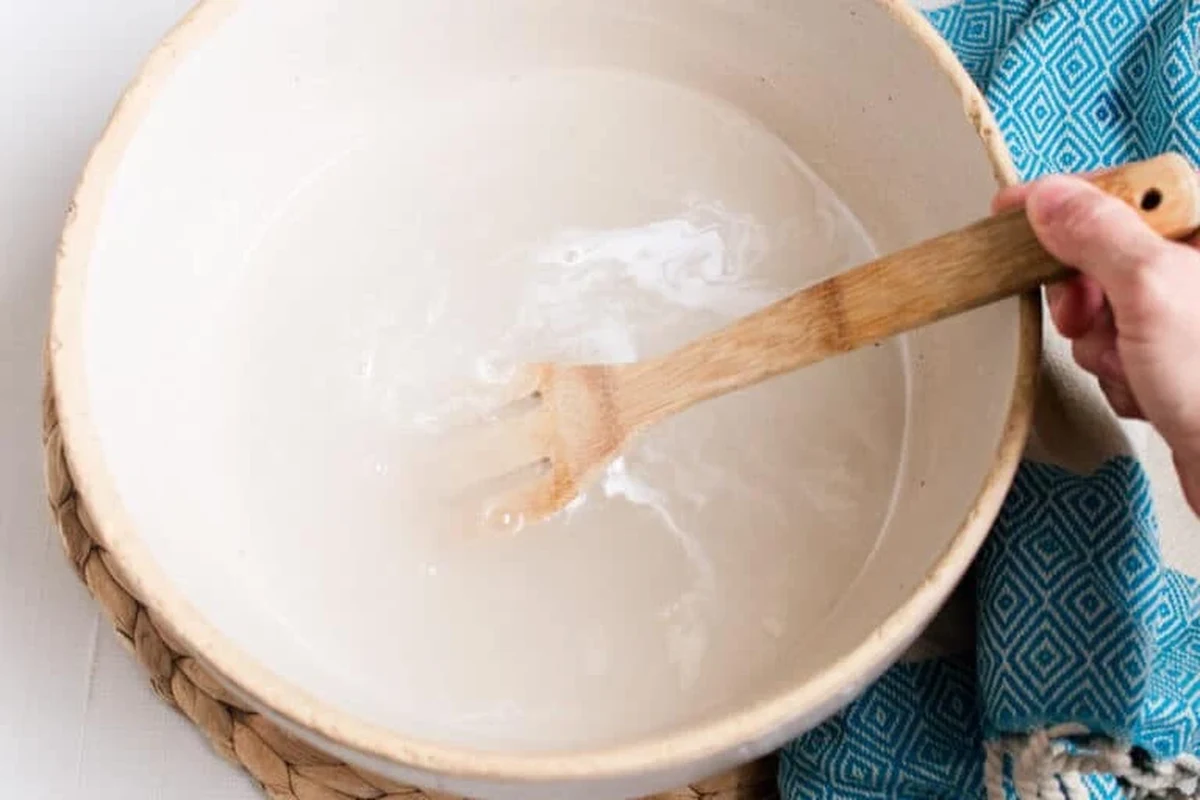
A baking soda foot soak is exactly what it sounds like: warm water mixed with baking soda, with the feet soaked for a short period. People usually turn to it when they want a quick, low-cost way to freshen feet and make skin feel less gritty after a long day.
In the kitchen, baking soda is known for its cleaning and odor-handling properties, which is why it shows up in everything from baking to household care. If you want a deeper look at how this ingredient behaves with acids, our guide to the baking soda and vinegar reaction explained simply is a helpful companion read.
How baking soda differs from Epsom salt, vinegar, and commercial foot soaks
Baking soda is alkaline, so it can help reduce some surface odors and leave skin feeling cleaner after a soak. Epsom salt is a magnesium sulfate product that is often used for relaxation-style soaks, while vinegar is acidic and can be harsher on sensitive or broken skin.
Commercial foot soaks may include fragrance, oils, salts, or exfoliating ingredients. Those blends can feel more luxurious, but they also vary a lot in strength, scent, and skin tolerance, so the right choice depends on your skin and your goal.
- Simple ingredient list
- Low cost and easy to find
- Useful for mild odor and comfort
- Not a treatment for infection
- Can irritate sensitive or cracked skin
- Results are temporary
Common reasons people search for a baking soda foot soak in 2026
Searches usually come from everyday problems: feet that smell after workouts, skin that feels rough from closed shoes, or tired feet after standing all day. Many people also want a fast home remedy before reaching for a more expensive product.
Another reason is convenience. A baking soda foot soak uses pantry-style ingredients and does not require special tools, which makes it appealing for a basic self-care routine.
Potential Baking Soda Foot Soak Benefits for Everyday Foot Care
The benefits are generally practical and cosmetic, not medical. A baking soda foot soak may help feet feel fresher, smoother, and more comfortable, especially when the issue is mild rather than severe.
Baking soda works best in simple, short-contact uses where the goal is neutralizing odor or loosening surface residue, not treating deep skin problems.
Odor control and deodorizing after workouts, long shifts, or hot weather
Foot odor often comes from sweat plus bacteria on the skin and inside shoes. Baking soda can help reduce the smell on the skin’s surface, which is why it is popular after sports, long shifts, or humid weather.
This is similar to how baking soda is used in other odor-focused cleaning tasks around the home. For example, readers who are interested in odor control in other spaces may also like our article on baking soda for smoke odors.
Softening rough skin and supporting a smoother foot-care routine
Warm water helps soften the outer layer of skin, and baking soda can support that process by loosening residue on the surface. After a soak, calluses and rough patches may feel easier to gently smooth with a towel or foot file.
That said, a soak is not the same as exfoliation with a scrub or pumice stone. It is best viewed as a prep step that makes the rest of your foot-care routine easier.
Calming tired feet after standing, walking, or wearing tight shoes
Warm soaking water can feel relaxing on its own because it encourages temporary comfort and helps tired muscles unwind. Baking soda does not create a dramatic physical “repair,” but the routine itself can feel soothing after a long day on your feet.
If your main goal is relaxation rather than odor control, a plain warm soak may be enough. Baking soda is most useful when you want a little extra deodorizing support.
When a Baking Soda Foot Soak May Help—and When It Should Not Be Used
This kind of soak is best for healthy skin and mild issues. It is not the right choice for every foot problem, and using it in the wrong situation can make irritation worse.
Best use cases for healthy skin, mild odor, and general comfort
A baking soda foot soak makes the most sense when the skin is intact and the issue is mild odor, light grime, or general foot fatigue. It can also fit well into a weekly self-care routine when you want a quick reset for your feet.
If you are comparing simple home methods, it helps to think the same way you would when comparing baking ingredients: the right choice depends on the job. Just as you would not swap one leavener for another without checking the result, it is smart to match the foot soak to the actual problem; our guide on using baking soda instead of baking powder safely shows how ingredient purpose matters.
Situations that need caution: cuts, cracked heels, diabetes, or sensitive skin
Do not use a baking soda foot soak on open cuts, raw skin, or deep cracks unless a qualified clinician tells you it is appropriate. Baking soda can sting or dry the area further, which may slow comfort and make the skin feel tighter.
People with diabetes, poor circulation, neuropathy, or a history of foot ulcers should check with a healthcare professional before trying home soaks. If your skin is very sensitive, test a short soak first or skip it entirely.
Persistent swelling, redness, drainage, warmth, or pain can point to infection or another medical issue. A foot soak should not delay proper medical care.
Signs to stop use and seek medical advice for persistent irritation or infection
Stop the soak if you notice burning, increased redness, itching, rash, or skin that becomes more dry and flaky after use. Those are signs that the mixture may be too strong for your skin or that the problem needs a different approach.
If odor is strong and persistent, or if you see peeling, thickening, or nail changes, the cause may be fungal or bacterial rather than simple sweat. In that case, a home soak may not be enough, and a medical or pharmacy-guided treatment may be more appropriate.
Easy Baking Soda Foot Soak Recipe Guide
This recipe is intentionally simple. The goal is a gentle soak that freshens feet without overcomplicating the process.
Basic ingredient list: baking soda, warm water, and optional add-ins
The basic version needs only baking soda and warm water. Optional add-ins can include a small amount of gentle soap, colloidal oatmeal, or Epsom salt, depending on your skin and goal.
If you like to understand ingredient roles, you can think of baking soda as the main functional ingredient, while the add-ins are supporting players. That same “what does each ingredient do?” approach is useful in baking too, including in our article on whether baking soda and baking powder are the same.
Recommended measurements for a single soak and for a basin or foot spa
For a standard basin, a common starting point is about 1 to 2 tablespoons of baking soda in enough warm water to cover the feet comfortably. For a larger foot spa, you may need a little more, but it is better to start lightly than make the water overly concentrated.
Exact amounts depend on basin size and personal skin tolerance. If you have dry or sensitive skin, begin with the lower end of the range and adjust only if needed.
- Check that your feet have no open cuts or raw cracks
- Use a clean basin and fresh water
- Keep a towel and moisturizer nearby
- Test the water temperature with your hand before soaking
Step-by-step soaking method, water temperature, and soak time
Add warm, not hot, water to a clean basin or foot spa. The water should feel comfortable on the skin, not steamy or sharp.
Stir in the baking soda until it mostly dissolves. A little cloudiness is normal.
Place feet in the water for about 10 to 15 minutes. Keep the soak short if your skin is dry or sensitive.
Rinse feet with clean water if desired, then dry carefully between the toes before moisturizing.
Use water that is warm enough to be soothing but not hot enough to cause burns. This matters even more if you have reduced sensation in your feet.
How to tell if the soak is working and what “done” looks like
You should notice a cleaner scent, softer skin feel, and a general sense of comfort after the soak. The water may look slightly cloudy, and the skin may feel less tight once the feet are dried.
“Done” does not mean the skin is wrinkled, white, or irritated. If the feet look overly dry or feel itchy afterward, the soak was likely too strong or too long.
Ingredient Roles, Add-Ins, and Safer Variations
Small changes can make a big difference in how a foot soak feels. Because skin is more sensitive than a countertop, simple is usually safer.
Why baking soda is the main ingredient and what it actually does
Baking soda is the main ingredient because it can help neutralize some odor and loosen surface residue. It also changes the water’s pH, which is one reason it feels different from plain warm water or acidic mixtures.
That pH shift is useful in moderation, but too much can leave skin feeling dry. Think of it like using the right amount of salt in dough: enough to help, not so much that it overwhelms the result.
Optional additions: gentle soap, oatmeal, essential oils, or Epsom salt
A small amount of gentle soap can help lift dirt from the skin, while oatmeal may make the soak feel softer and more comforting. Epsom salt is sometimes added for a different soaking feel, though it changes the formula and may not suit every skin type.
Essential oils should be used carefully and in very small amounts, if at all, because they can irritate skin. If you are unsure, skip them and keep the soak plain.
What to avoid mixing with baking soda to prevent skin discomfort
Avoid strong acids like vinegar in the same soak if your skin is sensitive, because the combination can be unpredictable and may sting. If you are curious about that chemistry, our article on apple cider vinegar and baking soda benefits and uses explains why those ingredients behave differently.
Also avoid harsh detergents, bleach, or heavily fragranced products. Those are for cleaning tasks, not for direct skin contact.
Common Baking Soda Foot Soak Mistakes and Troubleshooting
Most problems come from using too much product, too much heat, or expecting the soak to solve a bigger issue. A few careful adjustments usually make the routine more comfortable.
Using too much baking soda or soaking too long
More is not better here. A heavy concentration can make skin feel tight, chalky, or itchy, and a long soak can soften the skin too much without adding real benefit.
Feet feel dry, tight, or irritated after the soak.
Use less baking soda, shorten the soak time, and moisturize right after drying. If irritation continues, stop using the soak.
Water that is too hot, too cold, or not clean enough
Hot water can dry or irritate skin, while cold water may feel unpleasant and do little to relax tired feet. Dirty water or a basin that is not washed well can undo the point of the soak.
Use fresh water each time and clean the basin after use. This is a small step, but it matters for foot hygiene.
Why a foot soak may not solve odor, fungus, or severe dryness
If odor keeps coming back quickly, the cause may be shoes, socks, sweat level, or bacteria that need a broader routine. If fungus is involved, a soak alone usually will not be enough.
Severe dryness and cracking often need a richer moisturizer, a gentler wash routine, or professional advice. A baking soda foot soak can support care, but it is not a replacement for treatment when the problem is more serious.
Aftercare, Storage, and Foot-Care Routine Tips
What you do after the soak matters almost as much as the soak itself. Dryness, trapped moisture, and dirty tools can all undo the benefits.
Rinsing, drying, moisturizing, and nail care after the soak
After soaking, rinse the feet if needed, then dry them thoroughly, especially between the toes. Follow with a simple moisturizer to help lock in comfort and reduce the dry, tight feeling that can happen after alkaline soaks.
If you care for toenails, this is also a good time to trim them carefully and check for changes in color, thickness, or texture. Those changes can be a clue that the problem is more than basic odor.
How often to use a baking soda foot soak without overdoing it
For most people with healthy skin, occasional use is enough. A few times a week may be reasonable for short-term odor control, but daily soaking can be too much for some skin types.
- Use short soaks
- Moisturize afterward
- Adjust the strength to your skin
- Soaking broken skin
- Using very hot water
- Ignoring ongoing irritation
Storing baking soda and keeping your foot-soak setup hygienic
Store baking soda in a dry, sealed container so it stays fresh and free-flowing. If you want a general refresher on shelf life and replacement signs, see our guide on whether baking soda expires and when to replace it.
Keep the basin, foot spa, towel, and any scrub tools clean and dry between uses. Good hygiene makes the routine safer and more pleasant.
Final Verdict: Is a Baking Soda Foot Soak Worth Trying?
For many people, yes, especially if the goal is mild odor control, simple comfort, and a smoother-feeling foot-care routine. It is inexpensive, easy to prepare, and gentle enough when used correctly on healthy skin.
Who is most likely to benefit from this simple home foot-care method
People with mild foot odor, tired feet, or rough skin from everyday wear are the best candidates. It is also a good fit for someone who wants a low-effort routine before bed or after a long workday.
Practical recap for choosing between a baking soda soak and other options
Choose a baking soda foot soak when you want a simple deodorizing soak and your skin is intact. Choose a different option, or get medical guidance, if you have open skin, diabetes-related foot concerns, signs of infection, or odor that does not improve.
Used with realistic expectations, a baking soda foot soak can be a useful part of home foot care, but it works best as support, not as a cure.
Frequently Asked Questions
A common starting point is 1 to 2 tablespoons in a basin of warm water. If your skin is sensitive, begin with less and keep the soak short.
Yes, but keep add-ins gentle and minimal. Essential oils can irritate skin, so many people do better with a plain soak or a small amount of Epsom salt.
Ten to 15 minutes is usually enough for a simple home soak. Longer soaks can dry the skin and do not usually add much benefit.
Not usually if the skin is open, raw, or deeply cracked. Baking soda can sting and dry the area, so it is better to get medical guidance first.
No, it is not a treatment for fungal infection or bacterial infection. If you have persistent odor, peeling, redness, or pain, seek medical advice.
Occasional use is usually best for healthy skin. If you use it too often, the skin may become dry or irritated.