
Baking Soda Paste for Canker Sores Relief That Works

Baking soda paste can help calm the sting of a canker sore by reducing acidity and irritation. It is a simple comfort remedy, but it does not cure the sore or replace professional care for severe or persistent symptoms.
Baking soda paste for canker sores is a simple home remedy many people try to calm stinging and make eating a little easier. It is not a cure, but when mixed and used correctly, it can be a practical comfort option for mild mouth ulcers.
- Best use: Small, typical canker sores that sting after acidic or spicy foods.
- How to mix: Use plain baking soda and a few drops of water for a smooth paste.
- Main limit: It may soothe symptoms, but it does not treat the root cause.
- Watch for: Sores lasting longer than two weeks, getting larger, or causing fever.
- Use gently: Too much powder, rubbing, or frequent reapplication can worsen irritation.
What Baking Soda Paste for Canker Sores Is and Why People Use It
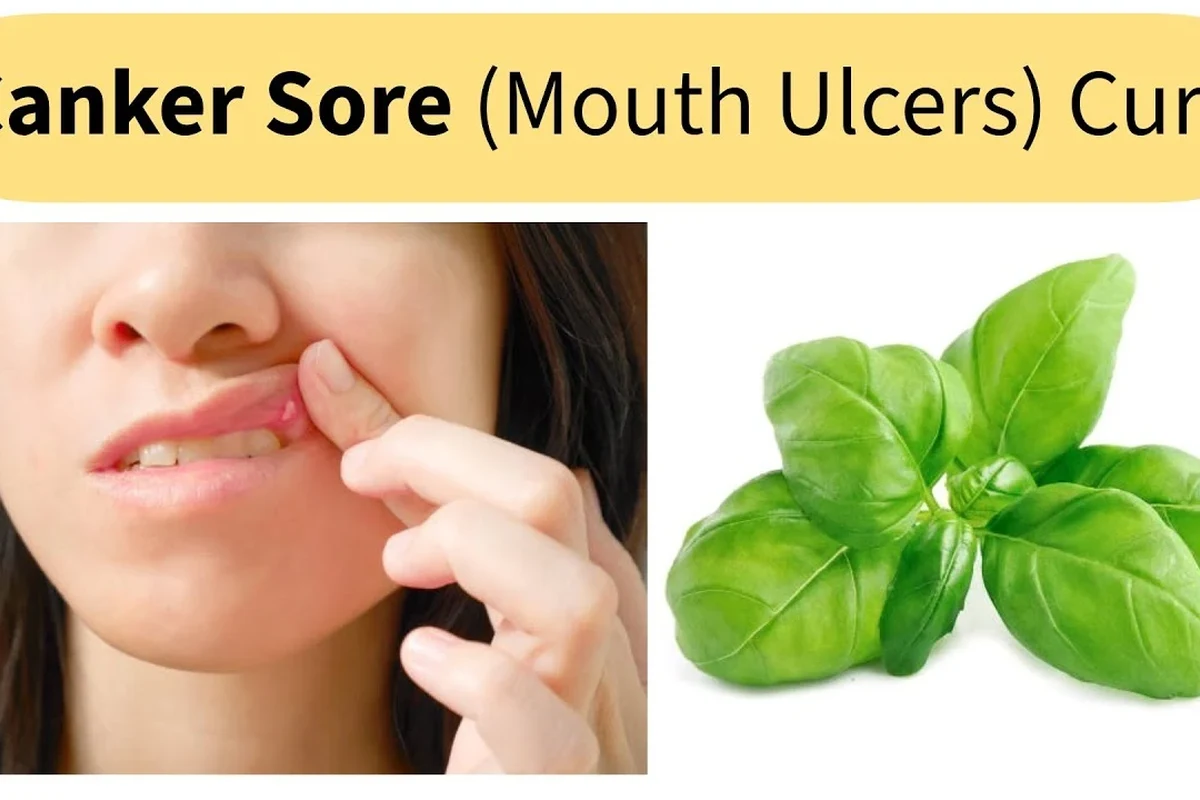
Baking soda paste is exactly what it sounds like: a small amount of sodium bicarbonate mixed with water until it forms a soft paste. People use it on canker sores because it may help reduce the sharp, acidic sting that often makes these ulcers feel worse.
The mouth naturally changes in acidity after meals, drinks, and even saliva flow. Baking soda can help buffer that environment, which is why it is often mentioned alongside other simple home remedies like saltwater rinses and gentle oral care. If you want a broader look at how this ingredient behaves in everyday use, our article on baking soda vinegar cleaning ovens shows how its mild alkaline nature is used in a different setting.
How baking soda can help neutralize mouth acidity and reduce irritation
A canker sore is sensitive tissue, and acidic foods or drinks can make it burn more. Baking soda is alkaline, so it may help neutralize some of that acidity and create a less irritating surface around the sore.
That buffering effect is one reason it is often preferred when the mouth feels raw after citrus, tomatoes, or spicy food. It is a comfort measure, not a treatment that removes the ulcer itself.
When a simple paste is more useful than a rinse or commercial gel
A paste stays in one spot longer than a rinse, which can be helpful when the sore is small and easy to reach. A rinse spreads the baking soda around the mouth, while a gel may be better for some people who want a protective coating.
For a single sore on the lip, cheek, or gum line, the paste can be a quick, low-cost option. It is especially useful when you want targeted contact without swishing around a full-mouth rinse.
Use a small amount first. With mouth sores, more product does not mean more comfort, and a thin layer is usually easier to tolerate than a thick, gritty one.
How to Make Baking Soda Paste Safely and Use the Right Consistency
The safest approach is to keep the mixture plain and mild. You only need baking soda and clean water, and the goal is a soft paste that spreads easily without feeling sandy or dry.
Basic ratio of baking soda to water for a thick, spreadable paste
A common starting point is about 1 teaspoon of baking soda mixed with a few drops of water, then adjusted slowly until it becomes a thick paste. Because brands and measuring methods vary, add water little by little rather than making it runny right away.
The texture should be smooth enough to dab on, but not so wet that it slides off immediately. If it feels abrasive, it is too dry; if it drips, it is too thin.
How to apply it to a canker sore without making the area more painful
Wash your hands first, then use a clean fingertip or cotton swab to place a tiny amount directly on the sore. Do not rub hard; a light dab is enough.
If the area is very tender, touch the paste to the edge of the sore first. That gentler contact can reduce the chance of a sharp sting from pressure alone.
Do not use a spoon, brush, or utensil that has touched raw food or dirty surfaces. Anything placed in the mouth should be clean to avoid adding bacteria or food residue to an already irritated area.
How long to leave it on and how often people typically reapply it
People usually leave the paste on briefly, then let saliva gradually remove it. There is no universal timing that works for everyone, so start with a short contact period and see how your mouth responds.
If you need to reapply, do so sparingly. Repeated use too often can make sensitive tissue feel drier or more irritated, especially if the paste is thick.
Because canker sores vary in size and location, the best timing depends on how your mouth feels after the first application. If the paste burns or increases soreness, stop using it.
What Relief to Expect and What Baking Soda Paste Cannot Do
This remedy is best thought of as symptom support. It may take the edge off the burning, but it does not repair the ulcer immediately or prevent every flare-up.
How it may reduce stinging, especially after acidic or spicy foods
If your sore flares after orange juice, salsa, vinegar-based foods, or hot seasoning, baking soda paste may calm the sting by reducing acidity at the surface. That is often the main reason people keep it in the kitchen cabinet for mouth discomfort.
The relief is usually temporary, but even short relief can make it easier to eat, talk, or brush more comfortably.
Why it can soothe symptoms but does not cure the underlying cause
Canker sores can be triggered by stress, friction, minor injury, certain foods, or other body-related factors. Baking soda does not address those causes directly.
Think of it like adjusting the environment around a problem spot. It may make the area less reactive, but the sore still needs time to heal on its own.
Examples of when the paste is likely to help less, such as deeper or larger ulcers
Very large sores, deeper ulcers, or sores in places that rub constantly may not respond well to a simple paste. The same is true if the sore is hard to reach, because the paste may not stay in place long enough to help.
If the pain is intense, the sore keeps growing, or multiple ulcers appear at once, home care may not be enough. In those cases, professional guidance is more useful than repeated self-treatment.
- Low cost and easy to make
- Can target one sore directly
- May reduce acid-related stinging
- Not a cure for the sore
- May irritate if too dry or overused
- Less helpful for larger or deeper ulcers
Common Mistakes That Make Canker Sores Feel Worse
Most problems come from using too much baking soda, making the paste too dry, or assuming that stronger is better. Mouth tissue is delicate, so a harsh application can backfire quickly.
Using too much baking soda or a paste that is too dry and abrasive
A paste that is heavy with powder can feel scratchy on an open sore. That roughness may increase stinging instead of easing it.
Start with less baking soda and add water slowly. The smoother the texture, the less likely it is to feel abrasive.
The paste burns or feels scratchy as soon as it touches the sore.
Use more water, apply a thinner layer, and avoid rubbing. If it still stings, stop and switch to a gentler option such as a saltwater rinse or a protective oral gel.
Applying it too often and irritating already sensitive tissue
Even a mild remedy can become irritating if it is used repeatedly throughout the day. Sensitive mouth tissue needs time between applications.
If you keep reapplying because the comfort fades quickly, that may be a sign that another approach would work better for your situation.
Mixing in ingredients that are not safe for mouth use
Do not add vinegar, essential oils, hydrogen peroxide, or strong flavorings to the paste. These ingredients may sting or irritate the sore, and some are not meant to be swallowed or held in the mouth.
Keep it simple. For mouth care, plain baking soda and water are the safest starting point.
When Baking Soda Paste Is Not the Best Choice
There are times when a different home care method is a better fit. The right choice depends on where the sore is, how painful it feels, and whether the symptoms seem typical.
Situations where saltwater rinses, oral gels, or protective pastes may be better
A saltwater rinse can be easier if the sore is in a hard-to-reach area or if you have several sore spots. Oral gels or protective pastes may be more helpful when you want a coating that stays on the tissue longer.
If your sore is being rubbed by braces, a dental edge, or a sharp bite point, a protective product may be more useful than a baking soda paste alone.
Signs that the sore may be something other than a typical canker sore
Not every mouth sore is a canker sore. Cold sores, traumatic ulcers, fungal irritation, and other conditions can look similar at first.
If the sore appears on the outside of the lip, comes with clusters of blisters, or has unusual color changes, it is worth having it checked rather than assuming baking soda will solve it.
Seek medical or dental advice if a mouth sore lasts longer than about two weeks, gets larger, keeps returning often, or is accompanied by swelling, trouble swallowing, or unexplained weight loss. Those signs need professional evaluation.
When pain, fever, or repeated outbreaks should prompt professional care
Fever, severe pain, dehydration, or repeated outbreaks can point to a broader issue that home remedies cannot address. Children, older adults, and people with weakened immune systems should be more cautious about persistent mouth sores.
For ongoing or severe symptoms, use home care only as a short-term comfort measure while you arrange professional advice. Official guidance from dental or medical providers is more reliable than trial-and-error when symptoms are not improving.
Safe Use Tips for Children, Sensitive Mouths, and Frequent Outbreaks
People with sensitive gums, braces, dry mouth, or frequent ulcers often need a gentler plan. The goal is comfort without adding friction, dryness, or extra irritation.
How to keep the paste mild for sensitive gums, braces, or cheek irritation
Make the paste looser rather than thicker, and apply it with a cotton swab instead of your finger if that feels cleaner and more precise. If braces or a wire are rubbing the sore, the paste may help only a little unless the source of friction is also addressed.
For cheek irritation, avoid pressing the paste across a wide area. A small dab is usually enough.
Precautions for children and people with dry mouth or oral lesions
Children should use any mouth remedy with adult supervision so they do not swallow too much paste or apply it too aggressively. People with dry mouth may find that a powdery mixture feels uncomfortable faster, so a softer consistency is important.
If there are multiple lesions, bleeding, or a history of oral health problems, it is smarter to get guidance before relying on home treatment alone.
How to pair home care with gentle oral hygiene and trigger avoidance
Use a soft toothbrush and avoid very acidic or spicy foods while the sore is healing. That simple step often matters as much as the remedy itself.
It can also help to review patterns. If certain foods, rough chips, stress, or accidental cheek biting show up before each flare-up, reducing those triggers may prevent some future sores.
Baking soda is often used in baking to change acidity, which affects how dough browns and rises. The same buffering idea is why it can feel soothing in a sore mouth, even though the purpose is very different.
Practical Examples of Using Baking Soda Paste in Everyday Situations
This remedy is most useful when you need quick, simple comfort and do not want a complicated routine. It fits naturally into everyday mouth care because the ingredients are already common and inexpensive.
After eating citrus, tomatoes, or spicy foods that trigger stinging
If a canker sore stings after lunch, a tiny dab of paste may calm the area before the burning builds. That can make the rest of the day easier, especially if you still need to speak in meetings or get through errands.
For people who know their triggers, applying it after eating can be more helpful than waiting until the pain becomes intense.
Before meals when a sore makes chewing and speaking uncomfortable
Some people use the paste before eating so the sore is less reactive when food touches it. This is most practical when the sore is in a spot that gets hit repeatedly by the tongue or cheek.
If talking hurts, a small amount before a meal or social event may make the mouth feel less raw for a short time.
- Use plain baking soda and clean water only
- Make a smooth paste, not a dry powdery mix
- Apply gently with a clean fingertip or swab
- Stop if the area burns or looks more irritated
During a flare-up when you need a simple, low-cost comfort option
When a sore appears unexpectedly, baking soda paste is easy to make without a special product run. That makes it a reasonable first try for mild symptoms.
Still, if the flare-up is severe or keeps coming back, the better move is to look beyond home care and ask a dentist or clinician what is driving the pattern.
Final Recap: Is Baking Soda Paste for Canker Sores Worth Trying?
For many people, baking soda paste for canker sores is worth trying because it is simple, inexpensive, and may reduce stinging fast enough to make eating more comfortable. It tends to work best on small, typical sores that are irritated by acidic foods or friction.
It is less useful when the ulcer is large, deep, unusually painful, or not clearly a canker sore. If symptoms last too long, return often, or come with fever or other warning signs, stop relying on home remedies and seek medical or dental advice.
For mild, short-term relief, though, this is one of the easiest comfort options to keep in mind. Use it gently, keep the mixture plain, and treat it as support while the sore heals naturally.
Frequently Asked Questions
Mix a small amount of baking soda with a few drops of clean water until it forms a smooth, spreadable paste. Keep it plain and avoid making it dry or gritty.
Use it sparingly and stop if the area becomes more irritated. The right frequency depends on how sensitive your mouth is and how well the paste is tolerated.
No, it may help soothe stinging and reduce irritation, but it does not cure the underlying cause. Canker sores usually heal on their own over time.
Avoid vinegar, essential oils, hydrogen peroxide, and other strong ingredients that can irritate the mouth. Plain baking soda and water are the safest basic option.
Get medical or dental advice if the sore lasts more than about two weeks, keeps returning, gets larger, or comes with fever, swelling, or trouble swallowing.
It can be used cautiously with adult supervision, but the paste should stay mild and plain. If a child has frequent or severe mouth sores, a clinician should evaluate the cause.