
Baking Powder and Soda Are Same Find the Truth Here

No, baking powder and baking soda are not the same. They both help baked goods rise, but they work differently and are not direct 1:1 substitutes.
Baking powder and baking soda are not the same ingredient, even though both help baked goods rise. If you swap them without adjusting the recipe, you can end up with flat cakes, bitter cookies, or a strange metallic aftertaste.
- Core difference: Baking soda needs acid to react, while baking powder already includes its own acid.
- Recipe impact: The wrong swap can change flavor, browning, rise, and crumb texture.
- Best use: Baking soda suits acidic batters; baking powder suits neutral batters.
- Common mistake: Same-amount substitutions often fail because the ingredients are not chemically equal.
- Best practice: Check freshness, measure carefully, and follow the recipe’s leavener choice.
Are Baking Powder and Baking Soda the Same Thing? The Short Answer and Why It Matters
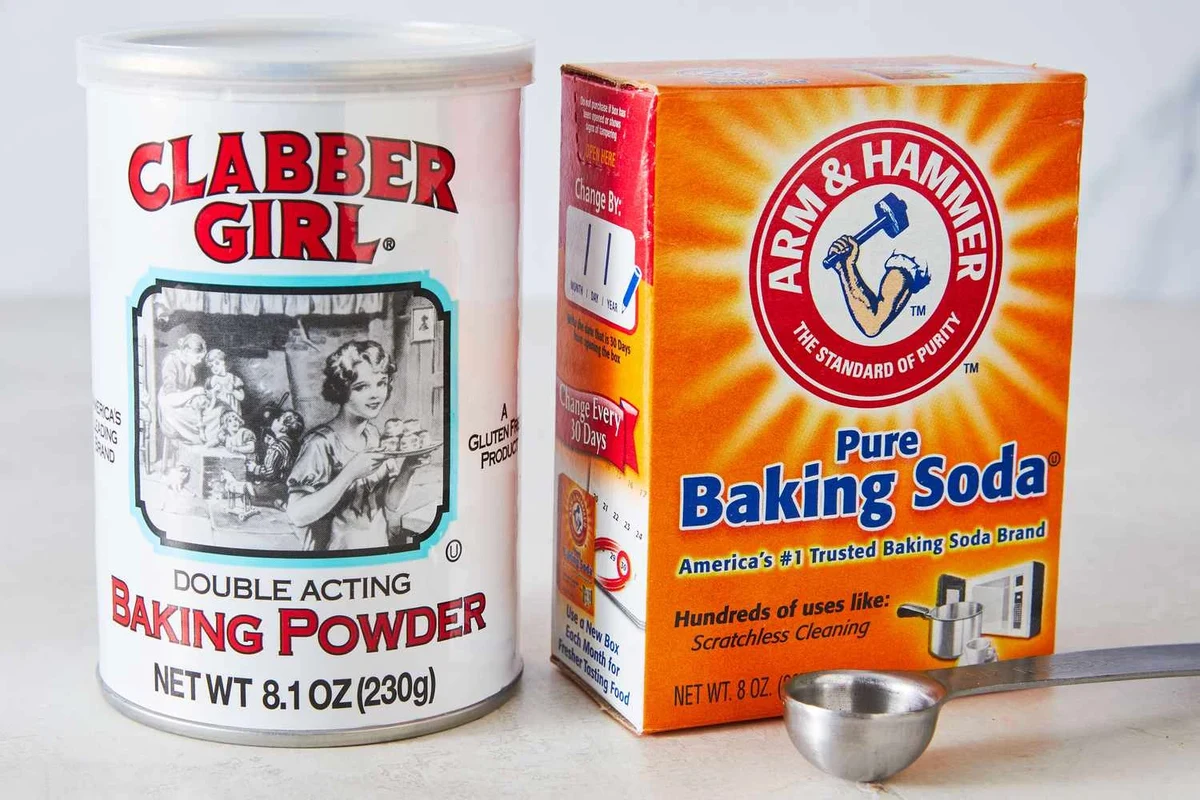
The short answer is no: baking powder and baking soda are not the same thing. They both create gas that lifts batter and dough, but they work in different ways and need different recipe conditions to perform well.
This matters because leavening is part chemistry and part structure. If the wrong ingredient is used, the batter may rise too fast, not enough, or at the wrong time, which changes crumb, color, and flavor.
Why the two ingredients are often confused in home baking
Home bakers often see both ingredients listed in quick breads, muffins, and cookies, so it is easy to assume they are interchangeable. The names also sound similar, and both come as white powders stored in the pantry.
Another reason for confusion is that both can make a batter puff up. But the result depends on what else is in the recipe, especially acid, moisture, and heat.
The core chemical difference between an acid-base leavener and a complete leavening blend
Baking soda is sodium bicarbonate, a base that needs an acid to react well. Baking powder already contains baking soda plus one or more acid salts, so it is a more complete leavening blend.
That difference is the heart of the issue. Baking soda needs help from ingredients like yogurt, buttermilk, lemon juice, vinegar, brown sugar, molasses, or cocoa that is naturally acidic, while baking powder can work even when the recipe has little acid.
Baking soda can also affect browning and flavor because it raises pH, which speeds some browning reactions and can soften acidic sharpness in the batter.
How Baking Soda Works in Batters and Doughs
Baking soda is powerful, but only when the recipe gives it the right environment. When it meets acid and liquid, it releases carbon dioxide gas, and that gas expands during baking.
If the batter has enough structure from eggs, flour, starch, or gluten, the gas gets trapped and the baked item rises. If not, the gas escapes and the result can be dense or uneven.
What baking soda needs to activate properly
For baking soda to work well, it needs moisture, acid, and heat. The acid starts the reaction, the liquid helps ingredients mix, and the oven sets the structure before the gas escapes.
Timing matters too. Once the soda reacts, the batter should usually get into the oven without delay, especially in recipes that depend on a quick lift.
Examples of recipes that depend on natural acidity
Recipes with buttermilk, sour cream, yogurt, molasses, natural cocoa, or brown sugar often use baking soda because those ingredients supply acidity. In many cases, the soda helps neutralize some acid while giving the bake a lighter texture and deeper color.
That is why some chocolate cakes, gingerbread, and tangy muffins rely on baking soda rather than baking powder. For more on ingredient behavior in kitchen chemistry, readers may also find our guide on baking soda and vinegar reaction explained simply helpful.
What happens when too much baking soda is used
Too much baking soda can leave a soapy, bitter, or metallic taste. It may also cause the batter to rise quickly and then collapse, especially if the structure is not strong enough to hold the gas.
Excess soda can darken the crumb too much and create a coarse texture. In cookies, it may spread more than expected; in cakes, it may leave large air pockets or an odd yellow-brown tone.
Do not assume more baking soda means more lift. Too much can throw off flavor and texture, and the finished bake may still be flat if the recipe does not have enough acid to balance it.
How Baking Powder Works and When It Is the Better Choice
Baking powder is useful when a recipe does not contain enough acid to activate baking soda on its own. It gives bakers a more predictable rise in cakes, muffins, biscuits, and some cookies.
Because it already includes both base and acid components, it is often the safer choice for neutral batters. Still, it is not a universal fix for every recipe.
Single-acting vs. double-acting baking powder
Single-acting baking powder releases gas as soon as it is mixed with liquid. Double-acting baking powder releases some gas when mixed and more when heated in the oven, which gives bakers a wider mixing window.
Most modern grocery-store baking powder is double-acting, but labels can vary by brand. Always check the package if the recipe depends on specific timing or a very delicate rise.
Brand formulas can differ slightly, so the same spoonful of baking powder may not behave exactly the same in every kitchen. Oven temperature accuracy, pan size, and batter thickness also affect the final rise.
How baking powder affects rise, texture, and browning
Baking powder tends to create a steadier rise in recipes without strong acidity. It can produce a softer crumb and a more even lift because the gas release is designed to happen in stages.
It also affects browning, though usually less aggressively than baking soda. Because it does not raise pH as much, the color may be lighter and the flavor more neutral.
When baking powder cannot fully replace baking soda
Baking powder cannot fully replace baking soda when the recipe depends on soda’s alkalinity for flavor, browning, or acid balance. A chocolate cookie that uses baking soda for spread and color will not behave the same if you switch to baking powder.
In recipes with a lot of acidic ingredients, baking powder alone may not neutralize the acidity enough. The result can be a tangy or overly sharp flavor, plus a weaker rise than expected.
Can You Substitute One for the Other? Real-World Baking Scenarios
Sometimes a substitution works in a pinch, but “same amount” swaps usually do not. The ingredients are chemically different, so the amount needed to produce the right amount of gas is different too.
If you want a deeper explanation of safe swapping logic, see our related guide on using baking soda instead of baking powder safely and our comparison article on whether baking soda and baking powder are the same.
What changes in flavor, color, and crumb when substitutions are made
Swapping baking soda for baking powder can make a recipe taste more alkaline, more browned, and sometimes more spread out. Swapping baking powder for baking soda can make the bake taste flatter, less complex, and sometimes more pale.
Crumb also changes. Baking soda often gives a more open, sometimes rustic texture, while baking powder often gives a finer, more even crumb.
Practical examples from cookies, cakes, muffins, and quick breads
In cookies, baking soda often encourages spread and helps with browning, especially in recipes with brown sugar or molasses. Baking powder can make cookies puffier and cakier, which is useful in some styles but not all.
In cakes, baking powder is often the main leavener unless the recipe includes a strong acid. In muffins and quick breads, both ingredients may appear together to balance lift, tenderness, and flavor.
If a recipe already has buttermilk or yogurt, it may need baking soda more than baking powder. If the batter is mostly neutral milk, flour, sugar, and fat, baking powder is often the better fit.
Why “same amount” substitutions usually fail
Using the same amount of one ingredient for the other ignores the way they are formulated. Baking powder contains less active base per spoonful because it is diluted with acid salts and starch, so a direct 1:1 swap usually changes the amount of gas released.
That is why a recipe can collapse, taste off, or bake unevenly after a simple swap. Good substitution requires checking the recipe structure, not just the label.
The cake rises too fast, then sinks in the center.
Check whether too much baking soda was used, whether the recipe has enough acid, and whether the oven was fully preheated before baking.
Common Mistakes Bakers Make When Using Baking Soda or Baking Powder
Most leavening mistakes are small on paper but obvious in the finished bake. A spoonful too much, an expired container, or the wrong flour can change the result more than many beginners expect.
Using expired leaveners and how freshness affects lift
Both ingredients can lose strength over time, especially baking powder. Baking soda is more stable, but it can still pick up odors or clump if stored poorly.
If a leavener is weak, the batter may rise slowly or not enough, and the finished item can feel heavy or gummy. For more detailed guidance on shelf life and replacement timing, our article on whether baking soda expires and when to replace it can help.
Measuring errors that lead to flat or metallic-tasting bakes
Too much baking powder can leave a bitter aftertaste, while too much baking soda can taste metallic or soapy. Too little of either can leave the bake dense, tight, or under-risen.
Use level measuring spoons and avoid packing the powder into the spoon unless the recipe says to. In baking, small measurement errors can show up as large texture changes.
Keep leavening agents away from flour dust, wet utensils, and steam during storage. Moisture can reduce performance and create clumps that are hard to measure accurately.
Confusing self-rising flour with baking powder
Self-rising flour is not the same as baking powder, though it usually contains flour, salt, and baking powder already blended together. If you use it without adjusting the recipe, you may add too much leavener or too much salt.
Always read the label. Self-rising flour can be useful in some biscuits and quick breads, but it is not a one-size-fits-all substitute for all-purpose flour plus baking powder.
- Check whether the recipe already contains acidic ingredients.
- Measure with level spoons and fresh ingredients.
- Read flour and leavener labels before swapping.
- Do not use a 1:1 swap without checking the recipe.
- Do not assume old powder will still give full lift.
- Do not confuse self-rising flour with plain flour plus leavener.
How to Test, Store, and Handle Leavening Agents Safely
Freshness and storage matter because leaveners are pantry workhorses. If they fail, the whole recipe can suffer even when the mixing and baking are correct.
Simple freshness tests for baking soda and baking powder
For baking soda, a simple test is to add a small spoonful to vinegar or another strong acid. A strong, immediate fizz usually shows it is still active.
For baking powder, mix a small amount with warm water. It should bubble noticeably if it is fresh enough for baking. If the reaction is weak, replace it.
- Check the expiration or best-by date.
- Test any container that has been open for a long time.
- Confirm the recipe’s acid balance before substituting.
Best storage conditions for pantry stability in 2026 kitchens
Store both ingredients in a cool, dry place with the lid tightly closed. Avoid the stove top, dishwasher area, or anywhere that gets repeated heat and humidity.
In busy kitchens, a labeled airtight container can help protect against moisture and cross-contact. This is especially useful in shared homes where multiple flours, nuts, or allergens may be in use.
Label reading and cross-contamination concerns in shared kitchens
Read ingredient labels carefully if you bake for someone with allergies or sensitivities. Baking powder formulas vary, and some products may include starches or other ingredients that matter for dietary needs.
For serious allergy concerns, follow product labels and consult qualified guidance. Baking Pastry Schools does not treat ingredient advice as medical advice, and cross-contact can happen in shared pans, scoops, or storage bins.
What This Means for Better Baking Decisions in 2026
The best choice is not about which ingredient is “better.” It is about matching the leavener to the recipe’s acidity, structure, and desired texture.
That is why experienced bakers read the ingredient list before they reach for the spoon. A good substitution starts with understanding what the batter needs to rise and what flavor it should have when baked.
Choosing the right leavener based on recipe structure and acidity
If the recipe contains acidic ingredients, baking soda may be the right tool. If the recipe is neutral or only lightly acidic, baking powder is often the more reliable choice.
Also consider the texture you want. Baking soda can encourage spread and browning, while baking powder can support a softer, more evenly risen crumb.
Signs your recipe needs adjustment instead of a direct swap
If the batter tastes too tangy, rises unevenly, or browns too slowly, the issue may be the recipe balance rather than the brand of leavener. If the texture is dense, the problem may be under-mixing, stale ingredients, or an oven that runs cool.
That is where careful troubleshooting matters. For example, if your oven calibration is off or your pan is too small, even the right leavener will not behave as expected.
Final recap: baking powder and baking soda are not the same
Baking powder and baking soda are not the same ingredient, and they should not be treated as direct equals. Baking soda needs acid to work properly, while baking powder is a built-in blend designed to rise on its own in many recipes.
For better results, match the leavener to the recipe instead of guessing. That simple habit improves flavor, texture, and consistency in cakes, cookies, muffins, and quick breads.
If your recipe has enough acidity, baking soda can be the best choice; if it does not, baking powder is usually the safer option. When in doubt, follow the recipe closely rather than swapping ingredients by equal amounts.
Frequently Asked Questions
Sometimes, but not always. Baking powder may work in a neutral recipe, but it will not give the same acidity balance, flavor, or browning as baking soda.
Baking soda is a base, so it needs acid to react and release carbon dioxide gas. Without enough acid, it may not lift the batter properly and can leave an off taste.
Too much baking soda can cause a bitter, soapy, or metallic flavor. It can also affect color and make the texture uneven or collapsed.
Mix a small amount with warm water and look for a strong bubble reaction. If the fizz is weak, the baking powder may be too old to trust in baking.
No. Self-rising flour is a flour blend that usually already includes baking powder and salt, so it cannot be treated as plain flour plus a separate leavener without adjusting the recipe.
They can lose strength over time, especially baking powder. Check dates, store them dry, and test older containers before baking important recipes.