Baking soda and water for drinking may offer short-term relief for occasional indigestion, but it is not a safe daily habit for most people. The main concerns are sodium load, side effects, medication interactions, and the risk of masking a real health problem.
Baking soda and water for drinking is a simple home remedy people still search for in 2026, but it is not a casual wellness trend to try without limits. It can help in some short-term situations, yet it also carries real risks, especially if you use it often or if you have certain health conditions.
- Short-term use only: It may calm acid briefly, but it is not a long-term fix.
- Watch the sodium: Baking soda can matter if you have blood pressure, kidney, or heart concerns.
- Measure carefully: Exact amounts matter more than vague online ratios.
- Know the red flags: Persistent pain, vomiting, chest symptoms, or recurring reflux need evaluation.
- Choose safer options: Diet changes, hydration, OTC products, or medical care may be better choices.
What Baking Soda and Water for Drinking Means in 2026
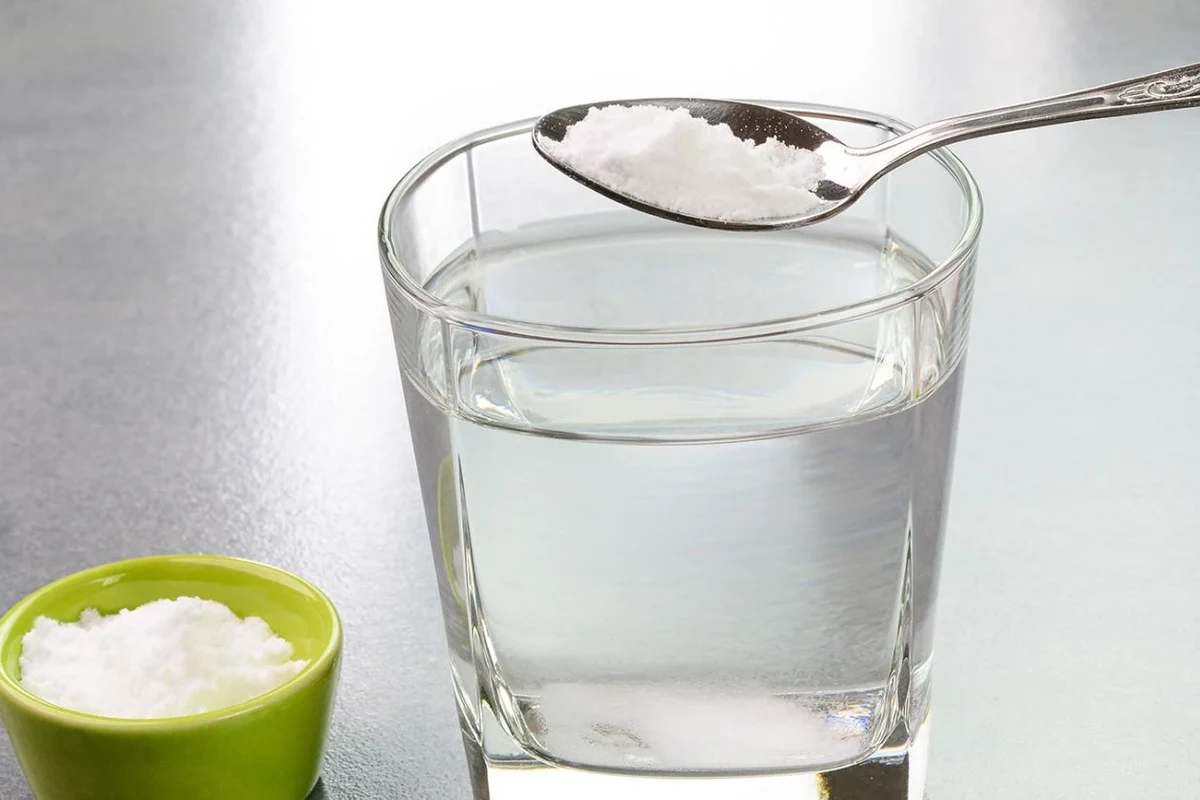
When people talk about baking soda and water for drinking, they usually mean a small amount of sodium bicarbonate dissolved in water and swallowed. The idea is to temporarily neutralize stomach acid or to use it as a quick self-care remedy for discomfort.
In 2026, the topic keeps showing up because social media, fitness forums, and search engines still push simple fixes. Some people also confuse kitchen use, cleaning use, and health use, even though those are very different contexts.
Why people search for this mixture now
Most searches come from people looking for fast relief from indigestion, sour stomach, or occasional heartburn. Others are trying to compare it with over-the-counter antacids, or they want to know whether it belongs in a wellness routine.
There is also a lot of curiosity around “natural” or inexpensive remedies. That interest is understandable, but a cheap ingredient is not automatically a safe one.
How this topic differs from baking, cleaning, and medical advice
In baking, baking soda is a leavening ingredient that reacts with acids to create carbon dioxide and help batter rise. In cleaning, it is used for odor control and mild abrasion. In drinking water, the goal is chemical neutralization inside the body, which is a much more sensitive use.
That is why advice from a recipe blog, a cleaning post, or a health forum should not be treated the same way. If symptoms are frequent, severe, or unusual, official medical guidance matters more than a home remedy.
Potential Benefits People Associate With Drinking Baking Soda Water
People often report that the mixture feels helpful because it can temporarily reduce stomach acidity. That short-lived effect is the main reason it remains popular.
Short-term relief claims for indigestion and acid reflux
Some people use it for occasional indigestion, burping, or mild heartburn after a heavy meal. Because baking soda is alkaline, it can neutralize acid in the stomach for a short time.
That said, “feels better for a little while” is not the same as treating the cause. If reflux is happening often, the trigger may be diet, timing of meals, medication use, or a medical condition that needs evaluation.
Why athletes and wellness communities still discuss it
Baking soda comes up in athletic conversations because sodium bicarbonate has been studied in some performance settings, especially for short bursts of intense effort. That does not mean it is a routine drink for everyone.
Wellness communities also like simple, low-cost ingredients, and this one is easy to find in a pantry. Still, a pantry ingredient can have side effects, and “popular online” does not equal “appropriate for daily use.”
What the evidence can and cannot support
The evidence can support limited, short-term acid neutralization in certain situations. It can also support the idea that sodium bicarbonate has specific uses in controlled contexts.
What the evidence cannot support is the claim that this mixture is a cure-all for digestion, detox, or general health. It should not replace diagnosis, especially if symptoms keep returning. For background on ingredient behavior in the kitchen, see our guide on how baking soda and baking powder differ.
In food and beverage use, the amount matters more than the “natural” label. A small kitchen measurement can still be too much if it is repeated often or if your body is sensitive to sodium.
Risks, Side Effects, and Who Should Avoid It
The main concern with baking soda and water for drinking is not just taste or comfort. It is the sodium load and the possibility of upsetting your body’s acid-base balance when used too often or in too much quantity.
Sodium overload, bloating, and blood pressure concerns
Baking soda contains sodium, so drinking it can add to your sodium intake. That may matter for people with high blood pressure, fluid retention, kidney concerns, or sodium-restricted diets.
Common side effects can include bloating, gas, nausea, and a chalky or salty aftertaste. If the mixture makes you feel more distended instead of relieved, that is a sign it may not be the right choice.
Do not treat this as a harmless daily drink. Regular use can create bigger problems than the symptom you were trying to calm, especially if you already have heart, kidney, or blood pressure concerns.
Interactions with medications and existing health conditions
Baking soda can affect how some medicines work or how quickly they are absorbed. It may also be a poor fit for people who have kidney disease, heart failure, uncontrolled hypertension, or conditions that require careful sodium control.
If you take prescription medication, ask a pharmacist or clinician before using it as a drink. This is especially important if you use medicines for blood pressure, diuretics, or stomach issues.
Signs that the mixture is no longer a safe self-care option
Stop using it and seek professional advice if you get vomiting, severe abdominal pain, chest pain, confusion, weakness, swelling, trouble breathing, or symptoms that keep returning. Those are not normal “adjustment” signs.
If heartburn is frequent, if pain wakes you at night, or if you have trouble swallowing, the issue needs proper evaluation. A home remedy is not the right tool for warning signs.
Never mix baking soda with acidic drinks like vinegar, citrus juice, or soda and then drink it casually. The reaction can create foam and gas, and it does not make the mixture safer for your body.
How Baking Soda Works in Water: Measurement, Mixing, and Safety
Once dissolved, baking soda separates into ions that can help neutralize acid. That chemistry is simple, but the health effect depends on dose, frequency, and your individual health status.
Why exact dosage matters more than the ratio people share online
Online advice often gives vague ratios like “a little in a glass of water.” That is not useful because cup size, spoon size, and ingredient density can vary a lot.
In home kitchens, even baking ingredients change by brand and how they are scooped. A level spoon, a packed spoon, and a heaped spoon are not the same. If you are comparing ingredient behavior in recipes, our article on using baking soda instead of baking powder safely explains why precision matters.
What happens when baking soda is dissolved in water
When baking soda dissolves, it creates a basic solution. That can reduce acidity in the stomach for a short period, which is why some people feel temporary relief.
But the body is not a mixing bowl. Stomach acid exists for a reason, and changing that environment too often can create new discomforts or hide a problem that should be checked.
In baking, baking soda needs an acid to produce gas effectively. In drinking water, the main action is neutralizing acid, not creating lift or texture.
Common mistakes: too much powder, frequent use, and mixing with acidic drinks
One common mistake is assuming more powder means faster relief. Too much can increase bloating, nausea, and sodium exposure instead of helping.
Another mistake is using it every day because it seemed to work once. Frequent use can mask symptoms and delay care. Mixing it with acidic drinks is also a bad idea because the reaction is unpredictable and can be uncomfortable to drink.
When People Try It and When They Should Not
This mixture is sometimes used as an occasional, short-term option. It is not meant to become a routine habit without guidance.
Occasional use versus repeated daily use
Occasional use may be the way some people handle a one-time bout of mild indigestion. Repeated daily use is a different situation and deserves caution.
If you find yourself reaching for it often, that pattern suggests the problem is recurring. At that point, the smarter move is to look at food triggers, meal timing, stress, medication side effects, or a medical cause.
Situations where symptoms need professional evaluation instead
Professional evaluation is a better choice if you have persistent reflux, unexplained weight loss, blood in vomit or stool, ongoing nausea, or pain that does not match ordinary indigestion. These are not typical “home remedy” symptoms.
It is also wise to get help if you are pregnant, have a chronic illness, or already follow a sodium-restricted plan. For safety information on digestive symptoms and when to seek care, recognized public health and medical sources are more reliable than trend posts.
Practical examples of when the remedy is being used for the wrong problem
If you are using baking soda water after every meal because you eat too quickly, the real issue may be eating habits rather than stomach acid alone. If you use it for chest pressure, that is not something to self-treat casually.
If you use it for every stomach ache, the problem could be anything from food intolerance to ulcer disease. Home remedies are poor substitutes when the symptom pattern is changing or getting worse.
- May provide short-term acid neutralization
- Simple and inexpensive in limited use
- Easy to measure when used carefully
- Can add a meaningful sodium load
- May cause bloating or nausea
- Not a solution for frequent or serious symptoms
How to Evaluate Online Claims About Baking Soda Water
Online health advice often sounds confident, but confidence is not the same as accuracy. The best approach is to check whether a claim explains limits, risks, and when to stop.
Red flags in social media advice and wellness trends
Be cautious if a post promises instant cures, “detox” benefits, or dramatic results without context. Another red flag is advice that ignores sodium, medication interactions, or underlying conditions.
Also watch for content that treats a kitchen ingredient like a miracle because it is familiar. Familiar ingredients can still be misused.
What credible sources usually say about benefits and limits
Credible sources usually describe baking soda as useful only in limited situations. They also emphasize dosage caution, side effects, and the need to ask for medical help when symptoms are persistent or severe.
That balanced tone is a good sign. If a source only lists benefits and never mentions risk, it is probably incomplete.
Questions to ask before following a home remedy recommendation
Ask what problem the remedy is supposed to solve, how much is being used, how often it is safe, and who should avoid it. Ask whether the claim applies to occasional discomfort or to a chronic symptom pattern.
You should also ask whether a better option exists, such as an over-the-counter product or a clinician visit. A good recommendation explains both the upside and the limit.
Safer Alternatives and Smarter Next Steps
For many people, the safer approach is to start with gentler habits before reaching for a sodium-based home remedy. Small changes can sometimes reduce discomfort without adding risk.
Food, hydration, and lifestyle approaches that may be gentler
Eating smaller meals, avoiding late-night eating, drinking enough water, and noticing trigger foods may help some people more than a quick fix. Slow down at meals if you tend to swallow air, because that can worsen bloating and pressure.
If you are comparing ingredient behavior in a broader kitchen context, our article on apple cider vinegar and baking soda benefits and uses shows why acid-base combinations are not automatically helpful just because they fizz.
When to choose over-the-counter products or medical care instead
For occasional heartburn, an over-the-counter antacid may be a more predictable choice, but it still should be used according to the label. If symptoms are frequent, a clinician can help identify the cause and the right treatment plan.
That is especially important if you have other health conditions or take daily medication. The right next step is the one that matches the cause, not just the symptom.
How to decide whether baking soda water belongs in your routine
Use baking soda and water for drinking only as an occasional, carefully considered option, not as a daily wellness habit. If you are unsure, if symptoms are recurring, or if you have any risk factors, skip the home remedy and get professional advice.
In a kitchen, precision keeps recipes reliable. In health matters, precision and caution matter even more. The safest rule is simple: treat this as a temporary measure, not a long-term solution.
If you are considering any home remedy for ongoing digestive symptoms, use recognized medical guidance and product labels first. Baking soda water may help a minor issue briefly, but it should never delay care for serious or persistent symptoms.
Frequently Asked Questions
It may provide short-term relief for occasional heartburn in some people. It should not be used often, and people with health conditions or medication concerns should check with a clinician first.
The safe amount depends on the person, the reason for use, and other health factors. Because sodium and medication interactions matter, follow qualified medical guidance rather than online ratios.
Daily use is not a good idea for most people. Repeated use can raise sodium intake and may hide a digestive problem that needs evaluation.
People with high blood pressure, kidney disease, heart failure, sodium restrictions, or medication concerns should be especially cautious. Pregnant people and anyone with persistent symptoms should ask a professional first.
No, it may only neutralize acid briefly. Long-term reflux usually needs trigger management or medical evaluation instead of a home remedy.
Stop using it if you feel bloated, nauseated, weak, or unwell. Seek medical advice if symptoms are severe, frequent, or unusual.
