
Cleansing Hair with Baking Soda Safe Tips and Benefits

Baking soda can remove buildup from hair in some cases, but it is harsher than normal shampoo and can dry or irritate the scalp. If you try it, keep it very dilute, use it rarely, and stop if your hair feels rough or brittle.
Cleansing hair with baking soda is a simple, low-cost idea that still gets attention in 2026, but it is not the same as using a regular shampoo. The method can remove buildup in some situations, yet it also carries real risks for dryness, roughness, and scalp irritation if it is used carelessly.
- Best use: Occasional buildup removal, not daily hair washing.
- Main risk: High pH can leave hair dry, rough, or tangled.
- Safer method: Use a very dilute mix, short contact time, and conditioner after rinsing.
- Who should skip it: People with dry, bleached, color-treated, sensitive, or damaged hair.
- Better alternative: Clarifying or chelating shampoos usually clean with less risk.
What Cleansing Hair with Baking Soda Actually Means in 2026
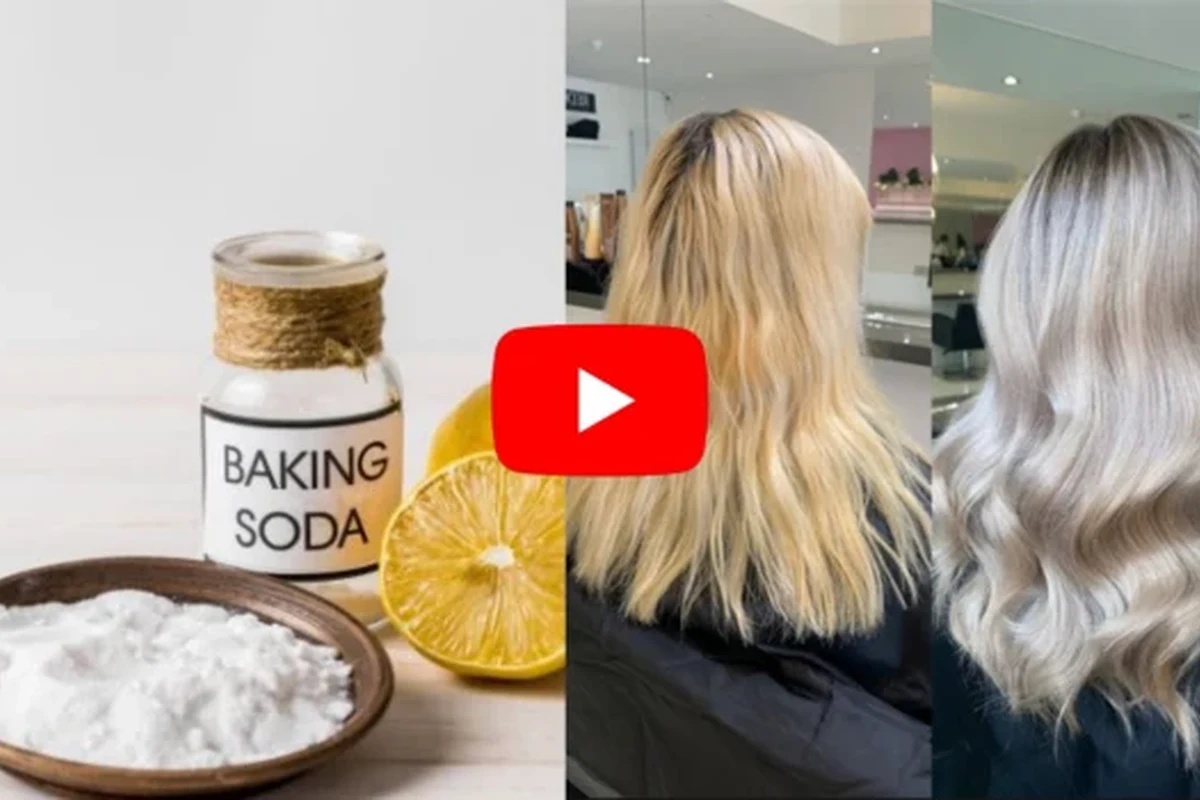
When people talk about cleansing hair with baking soda, they usually mean mixing sodium bicarbonate with water and using it as a temporary wash for the scalp and hair lengths. It is often part of a “no-poo” routine, where someone tries to reduce or skip traditional shampoo.
This is very different from shampoo, which is formulated to clean while also protecting the hair fiber as much as possible. Clarifying cleansers are stronger than everyday shampoos, but they are still designed for hair care, while baking soda is a household ingredient with a much higher pH than scalp-friendly products.
How the trend differs from shampoo, clarifying cleansers, and “no-poo” methods
Shampoo uses surfactants to lift oil and dirt so they can rinse away. Clarifying shampoos do that more aggressively to remove product residue, but they are usually balanced for hair and scalp use.
Baking soda does not work like a true cleanser in the cosmetic sense. It can loosen some residue, especially if hair is coated with oils, silicones, or hard-water minerals, but it does not replace the conditioning and pH control that most hair needs.
Why people still search for baking soda hair cleansing despite newer products
People still look for this method because baking soda is familiar, inexpensive, and easy to find. Some also like the idea of a minimal routine with fewer products.
The search interest remains high because a few people get a squeaky-clean feeling after using it, especially if they have heavy buildup. But that short-term result can hide longer-term damage, which is why the method needs caution and realistic expectations.
Hair and scalp products are usually designed to stay closer to the skin’s natural acidity, while baking soda is alkaline. That pH gap is one reason the method can feel effective but still be harsh.
Potential Benefits and What Baking Soda Can and Cannot Do for Hair
The main reason people try baking soda is buildup removal. In the right situation, it may help strip away residue that makes hair feel coated, dull, or heavy.
It is important to separate what it can do from what it cannot do. It may temporarily clean the surface, but it does not nourish hair, repair damage, or replace a proper conditioning routine.
Removing product buildup, excess oil, and hard-water residue
Baking soda can help lift some waxy styling residue and excess scalp oil. It may also reduce the dull feeling caused by hard water deposits, especially if hair is exposed to mineral-heavy water often.
If you use a lot of dry shampoo, leave-in products, gels, or oils, the method may make hair feel lighter for a short time. That said, if buildup is your main issue, a clarifying shampoo or chelating cleanser is usually a better fit.
When it may leave hair feeling clean versus stripped or rough
Hair may feel very clean after baking soda because the coating on the strand is reduced. For some people, that sensation is satisfying at first.
But if too much oil is removed, the cuticle can feel rough and tangly. Hair that is already dry, color-treated, or porous often shows that roughness sooner than oily hair does.
Who tends to notice the biggest difference and who should avoid it
People with oily roots and heavy product buildup may notice the biggest short-term change. Those with hard water may also see a difference if residue is part of the problem.
People with dry, fragile, bleached, or chemically processed hair should be cautious. If your scalp is sensitive or inflamed, skip this method unless a professional specifically says it is appropriate for your situation.
- Can remove some buildup and residue
- Cheap and easy to find
- May help hair feel lighter briefly
- Can be drying or irritating
- May roughen the hair cuticle
- Not a substitute for a balanced cleanser
Safe Use Guidelines, Ratios, and Application Methods
If someone chooses to try baking soda on hair, the safest approach is to keep it weak, brief, and occasional. Strong mixtures are where most of the trouble starts.
Think of it like using an ingredient in baking: concentration changes the result quickly. A little can behave very differently from a lot, especially on a sensitive surface like hair and scalp.
Common dilution approaches and why concentration matters
A common cautious approach is to dissolve a small amount of baking soda in plenty of water rather than making a thick paste. The exact ratio varies, but the general rule is to keep it dilute enough that it spreads easily and rinses out fully.
Thicker mixtures are harder to rinse and more likely to leave the scalp feeling tight. Because formulas and hair types differ, there is no single ratio that works for everyone, which is why patch testing and restraint matter.
If you are comparing cleansing methods, the same care applies to other household uses too. For example, the way baking soda behaves in laundry or as a deodorizing helper is different from how it behaves on hair, skin, or fabric.
Step-by-step application: scalp focus, contact time, and rinse technique
Stir baking soda into water until it is fully dissolved or lightly suspended. Avoid gritty paste, which can be hard to spread and rinse.
Use your fingertips to focus on the roots and oily areas first. Let the runoff clean the lengths lightly instead of scrubbing the ends.
Do not leave it on for long periods. Brief contact is less likely to dry out the hair shaft or irritate the scalp.
Rinse until the water runs clear and the hair feels free of residue. Follow with conditioner on the mid-lengths and ends to restore slip.
For readers who also use baking soda in other parts of the home, our guide on the baking soda and vinegar reaction explains why fizzing does not automatically mean better cleaning. That same idea matters here: more reaction or more product is not the goal.
How often to use it without over-drying the hair or scalp
Less is usually safer. For many people, occasional use is the upper limit, not a routine shampoo replacement.
If hair starts feeling rough, tangled, or more fragile after repeated use, stop. The scalp and hair fiber need time to recover, and frequent alkaline cleansing can make that harder.
Do not use baking soda on broken skin, irritated scalp patches, or near the eyes. If stinging starts during application, rinse immediately with plenty of water.
Hair Types, Scalp Conditions, and Compatibility Considerations
Hair type matters as much as the product itself. What feels fine on one person can be too harsh on another, especially when porosity, texture, and scalp condition all differ.
Fine, oily, curly, color-treated, bleached, and chemically processed hair
Fine, oily hair may tolerate occasional use better because the hair is naturally less coated with oil and styling products. Even then, it should be used carefully and not as a daily wash.
Curly, color-treated, bleached, relaxed, or otherwise chemically processed hair is more vulnerable. These hair types often need extra moisture and smoother cuticle support, so an alkaline cleanser can make frizz, dryness, and breakage more likely.
Color-treated and bleached hair can fade or feel more porous after harsh cleansing. If preserving color or curl pattern matters, a gentler cleanser is usually the safer choice.
Dry scalp, dandruff-prone scalp, sensitive skin, and eczema concerns
A dry scalp may become drier if baking soda is used too often. Dandruff-prone scalps are complicated, because flakes can come from several causes, and a harsh cleanser may make the area more irritated instead of calmer.
If you have eczema, dermatitis, or a history of sensitivity, be especially careful. This is one of the situations where a dermatologist’s advice is more useful than an internet trend.
Hard water, low-porosity hair, and buildup-prone routines
Hard water can leave mineral residue that makes hair feel coated and dull. Low-porosity hair can also hold onto product buildup because the cuticle resists moisture and product penetration.
Those are the cases where people are most tempted to try baking soda. Still, a chelating cleanser is often a better match because it is designed to address mineral buildup without the same level of harshness.
If your goal is general household cleaning rather than hair care, our article on baking soda for shoes cleaning shows how the same ingredient can behave differently on fabric and surfaces. That contrast is a good reminder that one baking soda method does not fit every job.
Common Mistakes That Make Baking Soda Hair Cleansing Risky
Most of the negative stories about this method come from overuse or poor application. The ingredient itself is not the only issue; the way it is used matters just as much.
Using it too often or at too high a concentration
Frequent use can slowly strip the hair’s protective layer. A strong mixture can do that faster, especially on already dry or processed hair.
If the hair starts feeling squeaky, rough, or hard to detangle, that is usually a sign the method is too aggressive. Healthy hair should not feel like straw after cleansing.
Scrubbing aggressively or leaving it on too long
Scrubbing hard does not improve cleaning. It increases friction, which can roughen the cuticle and cause breakage, especially when hair is wet and more fragile.
Leaving baking soda on for a long time also increases the chance of dryness and irritation. Short contact and gentle rinsing are much safer than trying to “let it work” for longer.
Skipping a conditioning step after cleansing
Conditioner helps restore slip, which makes detangling easier and reduces mechanical damage. Skipping it after a harsh cleanse can leave the hair more prone to knots and snapping.
Even a light conditioner on the mid-lengths and ends can make a noticeable difference in feel. That step is especially important if the hair is fine, curly, or color-treated.
Confusing temporary squeaky-clean results with healthy hair care
Hair can feel extremely clean right after a strong cleanser, but that does not always mean it is in better condition. Sometimes the “clean” feeling is actually the result of the cuticle being stripped.
Good hair care should leave the scalp comfortable and the strands flexible, not just bare and squeaky. That distinction matters when deciding whether to keep using the method.
- Use a dilute mix
- Keep contact time short
- Condition after rinsing
- Stop if hair feels rough
- Using a thick paste
- Scrubbing aggressively
- Repeating it often
- Ignoring scalp irritation
How to Tell If It Is Working or Causing Damage
The best way to judge the method is by how the hair feels over the next day or two, not just immediately after rinsing. Short-term squeakiness can be misleading.
Signs of improved cleanliness, softness, and scalp comfort
If it is working well, the scalp may feel less oily and the hair may feel lighter without major tangling. You may also notice that styling products sit more normally afterward.
Softness after conditioning is another good sign. Hair should still move, detangle, and hold its shape without feeling coated or brittle.
Warning signs such as tangling, breakage, dryness, irritation, or faded color
Watch for rough ends, extra knots, more shedding during detangling, or a dry, tight scalp. These are signs the cleanser is too harsh for your hair or too frequent for your routine.
If color looks duller or fades faster than usual, that is another warning. The same is true if the scalp burns, stings, or becomes flaky after use.
Practical examples of when to stop and switch to a gentler cleanser
Stop if your hair feels like it needs more conditioner every time you wash it. Stop if you need to detangle much more than usual or if your curls lose their pattern quickly.
If you have to choose between a very clean feel and the ability to keep your hair soft and manageable, the gentler cleanser is usually the better long-term option. Hair care works best when the routine supports the fiber instead of fighting it.
Hair feels clean at first, but then becomes dry, tangled, or dull.
Reduce frequency, dilute more heavily, shorten contact time, or switch to a gentler clarifying shampoo if the problem continues.
Safer Alternatives and Better-Fit Options for Most Hair Routines
For most people, a product made for hair is the better answer. It gives you buildup removal with less risk of stripping the scalp and cuticle.
If you need more cleaning power, there are still options that are more predictable than baking soda.
For readers who like understanding ingredient behavior, our guide on using baking soda instead of baking powder safely shows how small formulation changes can create very different results. That same principle applies in hair care: the right product matters.
Clarifying shampoos, scalp scrubs, chelating cleansers, and gentle sulfates
Clarifying shampoos are useful when product buildup is the main issue. Chelating cleansers are better when hard water minerals are involved.
Scalp scrubs can help some people, but they should be used gently. Gentle sulfates in a balanced shampoo can also clean effectively without the same harshness that a baking soda wash may create.
Ingredients and routine adjustments that address buildup without the same risk
Sometimes the best fix is not a stronger cleaner but a smarter routine. Using less styling product, rinsing more thoroughly, and alternating between gentle and clarifying washes can reduce buildup.
For hard water, a shower filter or a chelating wash used occasionally may help more than repeated baking soda use. If your hair is dry, adding conditioner or a leave-in product may solve the “dirty” feeling that is actually caused by texture and friction.
When baking soda may be a last-resort option rather than a regular habit
Baking soda may make sense as a rare backup when nothing else is available and you need to remove obvious buildup. It is not the best choice for a regular wash day.
If your hair is healthy, easy to manage, and not overloaded with residue, there is usually no reason to add the extra risk. A routine that is gentler is usually easier to maintain over time.
Final Decision: When Cleansing Hair with Baking Soda Makes Sense and When to Skip It
Cleansing hair with baking soda can work as an occasional, highly diluted reset for some oily or buildup-prone hair types. It is most reasonable when the goal is temporary residue removal, not long-term hair care.
Best-use scenarios, caution flags, and a simple recap for readers choosing a method
Use caution if your hair is dry, color-treated, bleached, curly, or chemically processed. Skip it if your scalp is sensitive, inflamed, or already irritated.
The simplest rule is this: if you try it, keep it dilute, brief, and infrequent, then follow with conditioner. If it leaves your hair rough or your scalp unhappy, it is not the right method for your routine.
What to discuss with a stylist or dermatologist before trying it on damaged or sensitive hair
If your hair is damaged, thinning, or breaking easily, talk with a stylist before experimenting. A dermatologist is the better resource if you have scalp pain, eczema, persistent flaking, or a rash.
That extra step is worth it because the right cleanser depends on the condition of the hair and scalp, not just on what is popular online. In most cases, a gentle, purpose-made cleanser is the safer long-term choice.
If you want the cleanest result with the least risk, start with a gentle clarifying shampoo before trying baking soda. Reserve baking soda for rare situations where you need a temporary reset and your hair is not already dry or fragile.
Frequently Asked Questions
Use a very dilute mixture with plenty of water rather than a thick paste. The safest amount depends on hair type, so start weak and rinse thoroughly.
Yes, it can dry out hair and irritate the scalp if it is used too often or too strongly. Bleached, color-treated, curly, and fragile hair are more likely to be affected.
Occasional use is safer than regular use. If hair feels rough, tangled, or dry afterward, stop using it and switch to a gentler cleanser.
It may help loosen some hard-water residue, but a chelating cleanser is usually a better choice. Chelating products are designed for mineral buildup and are typically gentler on hair.
Yes, conditioning helps restore slip and reduces tangling after cleansing. Focus conditioner on the mid-lengths and ends, especially if your hair is dry or textured.
Stop if you notice dryness, breakage, scalp burning, extra tangles, or faded color. If symptoms continue, ask a stylist or dermatologist about safer options.