Yes, baking soda can be dangerous for dogs if they eat enough of it, especially in small dogs or mixed products. A tiny accidental taste may be low risk, but vomiting, weakness, tremors, or seizures need urgent veterinary help.
Baking soda is a common kitchen ingredient, but it can be risky for dogs if they eat too much. The danger depends on the amount, your dog’s size, and whether the baking soda was plain or mixed with something else.
- Amount matters: Small tastes may be mild, but larger ingestions can cause sodium poisoning.
- Dog size matters: Smaller dogs can be affected by much less baking soda.
- Mixed products are riskier: Toothpaste and cleaners may contain other harmful ingredients.
- Watch for warning signs: Vomiting, tremors, weakness, and seizures need fast action.
What Baking Soda Is and Why Dogs Get Into It
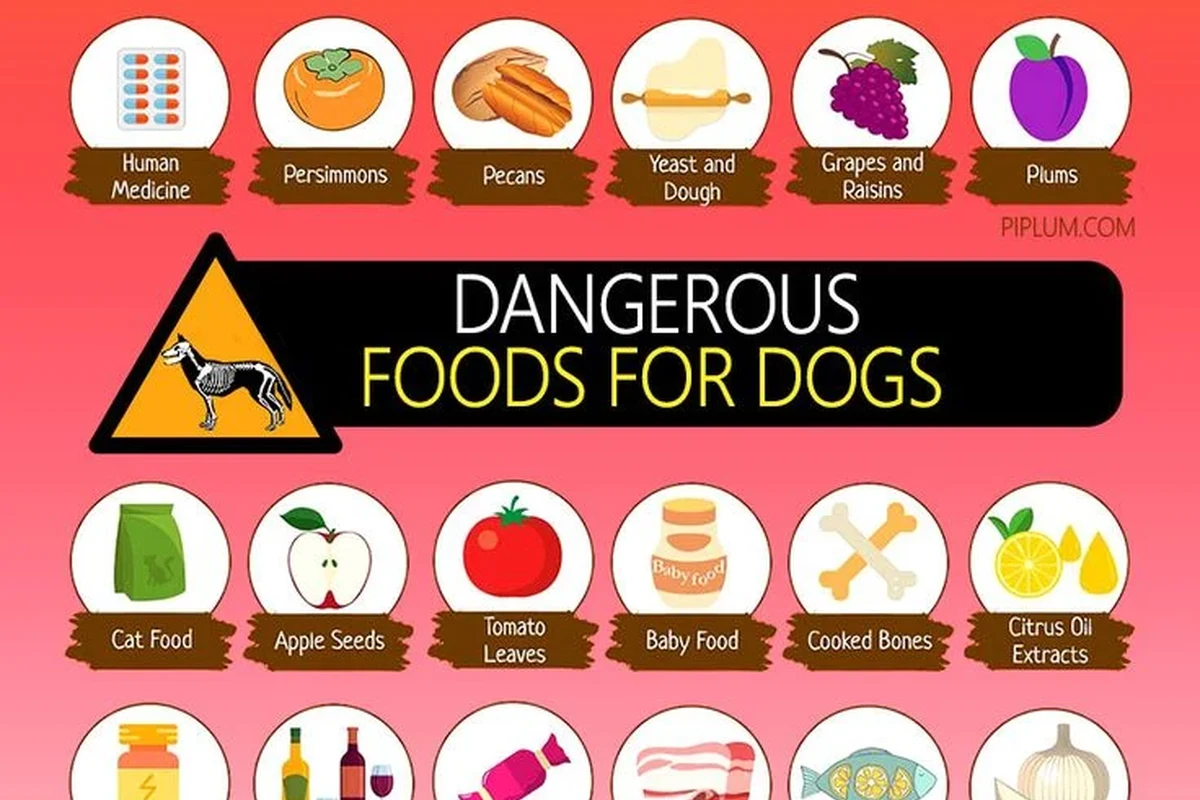
Baking soda is sodium bicarbonate, a fine white powder used in baking, cleaning, deodorizing, and sometimes DIY pet care. In the kitchen, it is usually harmless in the small amounts used for recipes, but a curious dog may treat a spilled pile like a snack or a new toy.
For home cooks, it helps to remember that baking soda is one of those ingredients that gets left open on counters, near sinks, and beside mixing bowls. If you want a deeper look at how it behaves in cooking, our guide to is baking soda and baking powder the same explains why it reacts so quickly once it gets wet.
Common household uses that make baking soda accessible
Baking soda often sits in the pantry, refrigerator, laundry area, bathroom, or cleaning caddy. That makes it easy for pets to reach during normal household routines, especially when bags, boxes, or open containers are left within nose level.
It may also be used to freshen shoes, scrub sinks, reduce odors, or clean ovens. Those uses are helpful for people, but they also increase the chance that a dog will investigate a spill, lick a damp paste, or eat residue from a floor.
How dogs are exposed: pantry spills, toothpaste, cleaning products, and baking projects
The most common exposure is simple: a dog finds a spilled scoop of baking soda on the floor or countertop. Dogs may also lick toothpaste that contains baking soda, chew on a cleaning sponge, or eat batter from a baking project before it reaches the oven.
Exposure can happen in less obvious ways too. A dog may lick a baking pan, eat a trash bag with baking ingredients, or get into a bathroom cabinet where a baking soda-based product is stored.
Is Baking Soda Dangerous for Dogs? Understanding the Real Risk
The short answer is yes, baking soda can be dangerous for dogs, but the level of danger depends on how much was eaten and how quickly you respond. Small accidental tastes may not cause major problems in a healthy large dog, while larger amounts can lead to poisoning and urgent medical issues.
Do not assume baking soda is safe just because it is a common food ingredient. The risk rises when a dog eats a concentrated amount, a damp paste, or a product that contains other ingredients such as fluoride, xylitol, detergents, or essential oils.
When small accidental exposures may be low risk
A tiny lick or a few crumbs from a recipe may cause no symptoms, especially in a larger dog. Even then, it is smart to watch for stomach upset, because dogs vary a lot in how they react to sodium and to mixed ingredients in baked goods or cleaning products.
Low-risk exposure does not mean “ignore it.” It means monitor closely, keep the dog away from the source, and call a veterinarian or poison helpline if you are unsure about the amount.
Why larger amounts can become a serious poisoning concern
Baking soda contains sodium, and too much sodium can disrupt the body’s fluid balance. In dogs, that can lead to vomiting, diarrhea, weakness, tremors, and in severe cases seizures or collapse.
The danger is higher if a dog eats a large pile of dry powder, a thick paste, or a product where baking soda is one ingredient among several. If another chemical is involved, the situation may be more serious than baking soda alone.
How a dog’s size, age, and health affect the danger level
A small dog can be affected by a much smaller amount than a large dog because the dose is concentrated in a smaller body. Puppies, senior dogs, and dogs with heart, kidney, or neurologic conditions may also have less reserve if sodium levels change quickly.
That is why the same spill can be a minor concern for one pet and an emergency for another. If your dog is very small or already has a health condition, contact a vet sooner rather than later.
Baking soda reacts when it meets moisture and an acid, which is why it can foam in dough, cleaning paste, or a dog’s stomach. That reaction is useful in baking, but it is one reason concentrated exposure can cause digestive upset.
Signs a Dog May Have Ingested Too Much Baking Soda
Symptoms can start with mild stomach upset and progress to a more serious sodium imbalance. Early action matters, because dogs may look only a little off before symptoms become obvious.
Early symptoms pet owners should watch for
Watch for vomiting, diarrhea, drooling, a bloated or uncomfortable belly, and unusual thirst. Some dogs may seem restless, pace, or refuse food after exposure.
These signs can look like ordinary stomach upset, which is why the exposure history matters. If you saw the dog near a baking soda container, that detail helps the vet decide how concerned to be.
Advanced warning signs that need urgent veterinary attention
More serious signs include muscle tremors, wobbliness, marked weakness, confusion, rapid breathing, severe lethargy, seizures, or collapse. These are emergency symptoms and should not be watched at home.
If a dog has repeated vomiting or cannot keep water down, that also deserves prompt care. Dehydration can make sodium problems worse, not better.
If your dog is shaking, disoriented, or having a seizure, do not try to “wait it out” or feed a home remedy. Go to an emergency veterinarian immediately and bring the product container if you can do so safely.
Practical examples of what accidental exposure can look like at home
A common scenario is a flour-and-baking-soda spill on the floor after a baking project. Another is a dog licking up a dusting powder left on a counter, or chewing a box that tore open in the pantry.
Dogs may also get into toothpaste or cleaning paste that contains baking soda. In those cases, the concern is not just the sodium bicarbonate but the other ingredients in the product.
What To Do Immediately If Your Dog Eats Baking Soda
Act calmly and quickly. The safest first move is to remove access to the product, note what happened, and contact your veterinarian or a pet poison resource for instructions.
Safe first steps before calling the vet
Take the baking soda away from your dog and check the area for spills or leftover product. If the powder is on the dog’s fur or face, gently wipe it off so the dog does not lick more while grooming.
Do not force food, milk, salt, or water unless a veterinarian specifically tells you to do so. The goal is to avoid making the situation worse while you gather information.
What information to have ready for a poison control or veterinary call
Be ready to share your dog’s weight, age, breed if relevant, and any known health conditions. Also note the product name, whether it was plain baking soda or a mixed product, how much may have been eaten, and when the exposure happened.
If possible, estimate the amount in practical terms, such as “about a teaspoon,” “a mouthful,” or “half a box.” A photo of the package can help if you are calling from home.
If you want to understand how baking soda behaves in other home uses, our article on baking soda vinegar cleaning ovens shows why mixing products can create foaming and residue that should be handled carefully around pets.
Common mistakes pet owners make, including unsafe home remedies
One common mistake is trying to make the dog vomit without veterinary guidance. Another is giving a home “detox” drink or extra salt, which can worsen sodium imbalance.
Do not assume that because baking soda is used in baking, it must be harmless in any amount. Kitchen ingredients are dose-dependent, and the same ingredient can be fine in a cookie but unsafe when eaten by the spoonful.
How Baking Soda Poisoning Is Diagnosed and Treated by Veterinarians
Veterinarians usually start by asking what was eaten, how much, and how long ago it happened. They also look at symptoms, hydration status, and whether another ingredient may have been involved.
What the vet may ask about amount, timing, and symptoms
Expect questions about the package label, the dog’s current behavior, and whether vomiting or diarrhea has already started. The vet may also ask if the exposure happened during baking, cleaning, or from toothpaste or another household product.
Clear details help the clinic decide whether home monitoring is reasonable or whether the dog should be seen right away. If the dog has already shown neurologic signs, that usually pushes the case toward urgent care.
Typical treatment approaches for mild versus severe cases
Mild cases may be treated with monitoring, anti-nausea support, fluids, or advice on what signs to watch for at home. More serious cases may need intravenous fluids, bloodwork, electrolyte monitoring, and medication to control tremors or seizures.
Because dogs differ in size and health, treatment is individualized. A small dog that ate a modest amount may need more careful follow-up than a large dog with the same exposure.
Veterinary treatment can vary based on the dog’s symptoms and on the exact product involved. A toothpaste, deodorizer, or cleaning mix may require different care than plain baking soda alone.
Why treatment may differ if the dog also ingested another ingredient
Many household products combine baking soda with detergents, fragrances, fluoride, or other chemicals. Those ingredients can change the risk profile and may cause irritation or toxicity beyond sodium exposure.
That is why the product label matters so much. If you are unsure, bring the container or a clear photo of the ingredients to the clinic.
Preventing Baking Soda Accidents in a Dog-Friendly Kitchen
Prevention is mostly about storage, cleanup, and supervision. In a busy kitchen, the biggest risk is usually not the ingredient itself but the moment it is left open, spilled, or mixed into an attractive-smelling paste.
Storage and cleanup habits that reduce exposure
Keep baking soda in a sealed container and return it to a cabinet or pantry after use. Sweep or vacuum dry spills quickly, because dogs often investigate powders before people notice them.
Wipe counters after baking and check the floor around mixing stations, trash bins, and dishwashing areas. If a box tears open, transfer the remaining product to a secure container right away.
Safe baking and cleaning practices around pets
During baking, keep pets out of the room when possible, especially if ingredients are sitting out on the counter. This is especially important for powders, batters, and warm pans that can attract a curious nose.
When cleaning with baking soda, make sure surfaces are rinsed or wiped thoroughly before pets return to the area. If you use vinegar or another cleaner, remember that the reaction can foam and spread residue, so keep pets away until the surface is dry.
For readers who use baking soda in odor control around the house, our guide to baking soda for smoke odors explains a common household use that still needs careful storage around animals.
Ingredient labeling and supervision tips for busy households
Label containers clearly if you transfer ingredients out of original packaging. This is especially helpful in households where multiple people bake, clean, or care for pets.
Supervise dogs during baking projects if they tend to counter-surf or scavenge dropped ingredients. A minute of prevention is usually easier than a late-night emergency visit.
When Baking Soda Is Used Deliberately for Dogs: Safety Limits and Better Alternatives
Some pet owners try to use baking soda on purpose for odor control, bathing, or stomach upset. That is where mistakes happen, because a kitchen shortcut is not the same as a vet-approved treatment plan.
Why DIY remedies can be risky without veterinary guidance
Even a common pantry ingredient can be unsafe when the dose is wrong. Dogs do not need human-style home remedies when they are sick, and some DIY fixes can delay proper treatment.
If your dog has an upset stomach, skin issue, or odor problem, the cause may be infection, allergies, parasites, anal gland issues, or a dietary issue rather than something baking soda can fix.
Situations where pet owners mistakenly use baking soda for odor, bathing, or stomach issues
Some people sprinkle baking soda on a dog’s coat to reduce odor, add it to bath water, or offer it after a dog seems gassy or nauseated. These uses may sound harmless, but they can irritate skin, be licked off the coat, or complicate a medical problem.
For household odor cleanup, a pet-safe cleaner or a vet-approved grooming product is usually a better fit than a DIY mix. If your dog has recurring odor, that is often a sign to investigate the underlying cause.
Safer pet-specific alternatives to discuss with a veterinarian
Ask your veterinarian about pet-safe shampoos, dental products, enzymatic cleaners, or diet changes if odor or stomach upset is the concern. For skin or coat issues, a proper diagnosis matters more than a quick fix.
If you are comparing home ingredients for different uses, it may help to read about simple ingredient behavior first, such as our article on baking soda and vinegar reaction explained simply. Understanding the chemistry makes it easier to see why some DIY ideas are fine for sinks but not for pets.
Final Verdict: How Pet Owners Should Think About Baking Soda Around Dogs
Baking soda is not automatically dangerous in tiny accidental exposures, but it can become a real poisoning risk when a dog eats a larger amount or a mixed household product. The safest mindset is to treat it as a useful kitchen ingredient that still needs secure storage and careful cleanup.
Recap of the risk level by exposure type
A small taste from a spill may be low risk, especially in a larger healthy dog. A spoonful, a box-level ingestion, or any exposure with vomiting, tremors, or weakness should be treated as a veterinary concern.
Mixed products deserve extra caution because the other ingredients may be more harmful than the baking soda itself. That is true for toothpaste, cleaners, and some deodorizing products.
Decision guide for when to monitor, call the vet, or seek emergency care
Monitor at home only if the exposure was tiny, your dog is acting normal, and your veterinarian agrees. Call the vet or a pet poison resource if you are unsure about the amount, your dog is small, or symptoms are mild but present.
Seek emergency care right away if your dog has repeated vomiting, marked weakness, tremors, confusion, seizures, or collapse. When in doubt, it is better to call sooner than to wait for symptoms to worsen.
Yes, baking soda can be dangerous for dogs, especially in larger amounts or mixed products. Keep it stored securely, clean spills promptly, and call a veterinarian quickly if your dog eats more than a small accidental taste.
Frequently Asked Questions
A tiny accidental taste may not cause problems in a healthy large dog, but it is still worth watching closely. If your dog is small, has symptoms, or ate more than a taste, call a veterinarian.
Urgent signs include repeated vomiting, weakness, tremors, confusion, seizures, or collapse. These symptoms can signal a serious sodium imbalance and should be treated as an emergency.
Do not make your dog vomit unless a veterinarian or poison professional specifically tells you to do so. Home vomiting can be unsafe and may make the situation worse.
It can be, depending on the amount and the other ingredients in the toothpaste. Some toothpastes contain additional ingredients that are more concerning than baking soda alone.
Treatment depends on the amount eaten, the timing, and the dog’s symptoms. Mild cases may need monitoring and fluids, while severe cases may require emergency care and bloodwork.
Store it in a sealed container, clean spills right away, and keep pets out of the kitchen during baking or cleaning. Check labels on toothpaste and cleaners so you know whether baking soda is part of the product.
