
Baking Soda for Rugs Easy Cleaning Tips That Work

Baking soda can freshen rugs by reducing mild odors and helping with light surface cleanup. It works best on dry, sturdy rugs and is not a fix for deep stains, mold, or water damage.
Baking soda for rugs is a simple DIY cleaning helper, but it works best for odors, light freshness, and minor spot support rather than deep restoration. Used the right way, it can make a rug smell cleaner and feel more manageable between deeper cleanings.
- Best use: Baking soda is most effective for odor control and routine freshening.
- Material matters: Synthetic rugs are usually easier to treat than delicate natural-fiber rugs.
- Use lightly: A thin layer is easier to vacuum and less likely to clog fibers.
- Know the limit: Deep stains, mold, and backing damage usually need stronger cleaning.
Baking Soda for Rugs: What It Can and Cannot Do in Real-World Cleaning
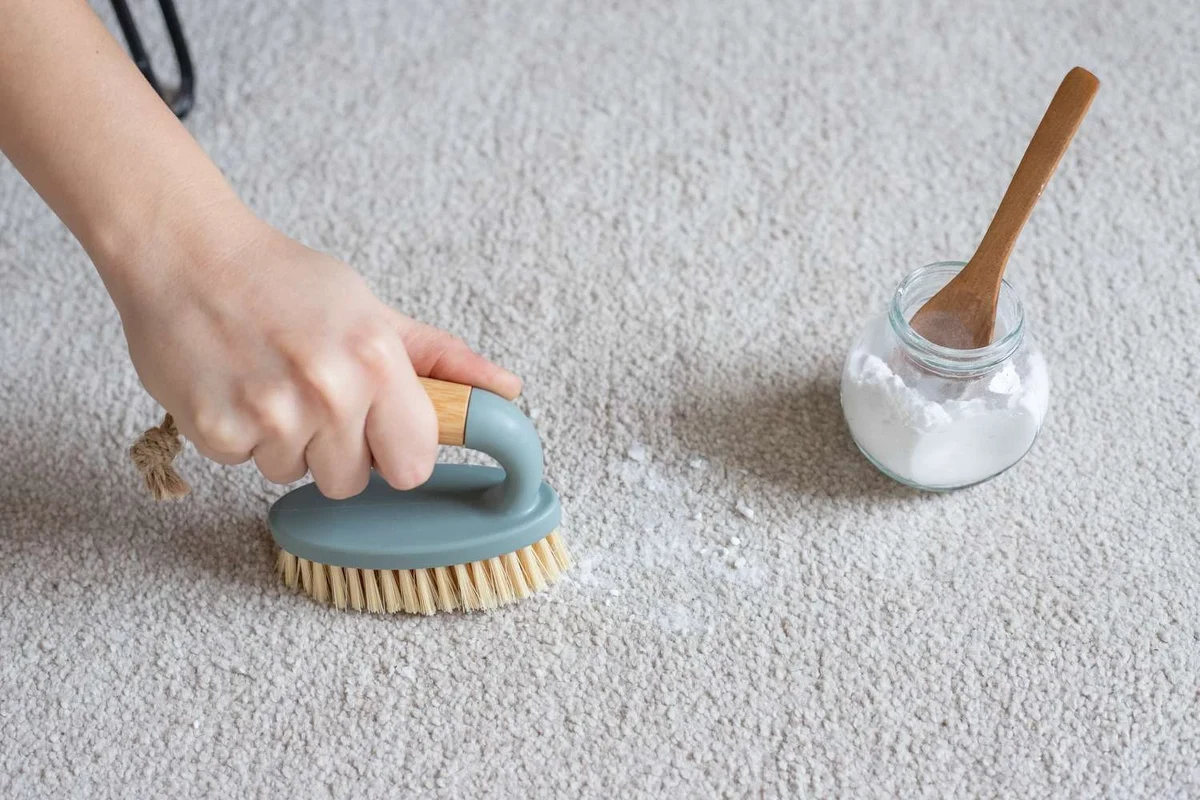
Baking soda is often used on rugs because it is inexpensive, easy to sprinkle, and helpful for absorbing some odor and surface moisture. It is not a full replacement for washing, steam cleaning, or professional treatment when a rug has deep stains, heavy soil, or biological contamination.
In practical terms, think of it as a maintenance tool. It can improve a rug’s freshness, but it cannot pull out everything that has settled into the backing, padding, or fibers over time.
- Helps reduce mild odors
- Works with dry, simple application
- Can support routine rug freshening
- Does not remove all stains
- Can be hard to vacuum if overused
- May be unsuitable for delicate rugs
How Baking Soda Works on Rugs: Odor Absorption, Moisture Control, and Stain Support
Baking soda works by interacting with odor molecules and by helping absorb some surface dampness. It is not magic, but on a rug that smells stale, pet-like, or lightly musty, that small chemical and physical effect can make a noticeable difference.
Why it helps with pet smells, food spills, and everyday mustiness
Pet odors, spilled food smells, and normal household mustiness often sit near the top of the rug fibers. Baking soda can help reduce those surface odors, especially when the rug is dry and the smell has not soaked deeply into the backing.
It can also help after a small spill if you blot first and let the area dry before applying powder. For a related cleaning angle, readers who like simple household methods may also find our guide to baking soda and vinegar cleaning useful for understanding what this ingredient can and cannot do in a cleanup routine.
When baking soda is not enough for deep-set stains or mold issues
If a stain has soaked through the pile, sat for days, or left a colored ring, baking soda alone usually will not lift it. It can help with odor, but it does not replace stain chemistry, agitation, or extraction.
It is also not a mold fix. If a rug or pad smells strongly musty because of moisture damage, the safer move is to dry the area fully and address the source of water or humidity. For smoke-related odor problems, a more targeted approach may be needed, as covered in our article on baking soda for smoke odors.
Choosing the Right Rug Approach by Material and Construction
Not every rug should be treated the same way. Fiber type, backing, and pile height all affect how well baking soda performs and how easy it is to remove afterward.
Wool, synthetic, cotton, jute, and delicate area rugs
Synthetic rugs are usually the most forgiving because they tolerate dry deodorizing well and tend to release powder more easily. Cotton rugs can also handle light treatment if they are not too thin or loosely woven.
Wool needs more caution. Its fibers can hold odor, but wool rugs can also be sensitive to excess moisture and aggressive rubbing. Jute and other plant-based rugs are more delicate because they can discolor or weaken if they stay damp too long. Delicate or antique rugs are best treated conservatively, and in some cases a professional cleaner is the safer choice.
High-pile, low-pile, woven, and tufted rug considerations
Low-pile rugs are easier to vacuum after treatment because powder sits closer to the surface. High-pile rugs and shag styles trap powder deeper in the fibers, which means more vacuum passes and a greater chance of residue if you overapply.
Woven rugs often respond well to light deodorizing because the structure is more open, while tufted rugs may hold powder at the base of the fibers. If the backing is fragile, too much powder plus moisture can create clumping or damage over time.
- Check the rug label or manufacturer instructions
- Test a hidden spot for colorfastness
- Make sure the rug is dry before adding powder
- Confirm your vacuum can handle fine powder
Step-by-Step Cleaning Methods That Actually Work
The best method depends on whether you want a quick refresh or a small spot treatment. In all cases, start with a clean, dry surface so the baking soda can work on the odor instead of getting trapped in damp fibers.
Dry deodorizing method for routine freshening
Remove loose dirt, crumbs, and hair before using powder. This helps the baking soda reach the fibers instead of sitting on top of debris.
Use a thin, even layer across the area that needs freshening. More powder is not better; a light coat is easier to remove and usually works just as well for odor control.
Give it time to absorb odors and surface moisture. A longer dwell time can help on stronger smells, but avoid leaving it on so long that it becomes packed into the pile.
Use slow passes in multiple directions. On thick rugs, you may need to lift the pile gently or use a brush attachment to remove residue.
Spot treatment method for minor stains and odors
For a small spill, blot first with a clean cloth. Do not rub hard, because rubbing can push the stain deeper and distort the fibers.
After blotting, allow the area to dry as much as possible, then apply a small amount of baking soda to the odor zone or lightly over the stain edges. This is most useful for lingering smell, not for removing a dark or set-in stain.
Do not mix a wet baking soda paste into a rug unless the material can handle moisture. Extra water can spread the stain, damage the backing, or leave a crust that is hard to remove.
Pre-vacuum and post-vacuum technique for best results
Pre-vacuuming matters because dust and grit reduce contact between baking soda and the rug fibers. Post-vacuuming matters because leftover powder can dull the texture and attract more soil.
If the vacuum starts to lose suction or sounds strained, stop and empty the canister or replace the bag. Fine powder can build up quickly, especially on larger rugs or high-pile surfaces.
For a stronger freshening effect, use two lighter applications on separate days instead of one heavy layer. That usually removes more cleanly and is gentler on the rug.
How Much Baking Soda to Use and How Long to Leave It on the Rug
There is no universal amount that fits every rug, because pile height, room humidity, and odor strength all matter. The safest rule is to start small and increase only if the first treatment is not enough.
Light odor refresh versus heavy-duty odor control
For a light refresh, a thin dusting is often enough. For stronger odors, you may need a more generous but still even layer, followed by a longer wait and a careful vacuuming session.
Heavy-duty odor control works best when the rug is dry, the source of the smell has been cleaned, and the powder can sit long enough to interact with the odor. If the smell keeps returning, the problem may be below the surface and require a deeper clean.
Common timing mistakes that reduce effectiveness
One common mistake is vacuuming too soon. If you remove the powder before it has had time to do its job, you will only get a short-lived result.
Another mistake is leaving it on too long in a humid room or on a dense rug. In those cases, the powder can settle into the fibers and become harder to remove. A moderate dwell time is usually more practical than an overnight guess.
Timing depends on the rug, the odor level, and room conditions. If the rug is very plush or the air is damp, check the fibers partway through and adjust rather than assuming longer is always better.
Safety, Compatibility, and Mistakes to Avoid
Baking soda is simple, but simple does not mean risk-free. Rug material, vacuum design, and moisture exposure all affect whether the method goes smoothly.
Overapplying powder and clogging vacuums or fibers
Using too much powder can make removal difficult and may leave a chalky look on darker rugs. It can also clog filters or reduce suction in some vacuums.
Fine powder should be treated like any other small particulate in the home: use enough to do the job, then remove it completely. A gentle brush before vacuuming can help loosen powder from dense fibers.
Keep baking soda away from open electrical parts, wet vacuum components, and any area where moisture could reach outlets or cords. Always unplug the vacuum before cleaning the brush roll or canister.
Testing for colorfastness, moisture sensitivity, and backing damage
Before treating a visible area, test a hidden corner. Look for color change, texture changes, or any sign that the backing is reacting badly to the powder or to a damp spot.
Some rugs shed, fuzz, or flatten more easily than others. If the fibers look dull after vacuuming or the backing feels brittle, stop and reassess the method.
When to avoid baking soda altogether on specialty rugs
Avoid using it casually on antique rugs, silk blends, very fragile natural fibers, or any rug with a manufacturer warning against powders. Specialty rugs may need professional cleaning products and techniques that are safer for their construction.
If the rug has water damage, visible mold, or a strong sour smell from the padding underneath, it is better not to rely on powder alone. Those problems usually need drying, source removal, and sometimes expert cleaning or replacement.
Comparing Baking Soda With Other Rug Cleaning Options
Baking soda is only one tool. The best choice depends on whether you are dealing with a smell, a stain, a spill, or a larger contamination problem.
Baking soda is best for dry deodorizing, light freshness, and surface odor support.
Vinegar-based cleaning is better for some residue and odor situations, but it adds moisture and must be used carefully.
Enzyme sprays are often better for pet accidents because they target organic residue that causes odor.
Professional cleaning is the strongest option for deep soil, large stains, or delicate rugs.
Vinegar, carpet cleaners, enzyme sprays, and professional cleaning
Vinegar can help with some odor and residue issues, but it is acidic and introduces moisture, so it should be used carefully and only when the rug material can handle it. If you want a broader home-cleaning comparison, our guide to baking soda vinegar cleaning explains why the combination is useful in some situations and limited in others.
Commercial carpet cleaners are designed for broader cleaning power, though results vary by formula and rug type. Enzyme sprays are often a better match for pet accidents because they break down the organic source of odor instead of only masking it.
Professional cleaning is worth considering when the rug is valuable, heavily soiled, or difficult to dry safely at home. That is especially true for delicate materials, large area rugs, and anything with a backing that could be damaged by repeated DIY treatment.
Best use cases for quick refreshes versus stubborn contamination
Use baking soda when you need a quick refresh before guests arrive, after routine foot traffic, or after a minor smell that has not soaked in deeply. It is also a practical choice for apartments and homes where you want a low-cost, low-mess option.
Choose a stronger cleaner or professional service when the odor keeps returning, the stain is visible after drying, or the rug has been exposed to pet urine, floodwater, or mold risk. In those cases, the source matters more than the surface smell.
Final Verdict: When Baking Soda for Rugs Is the Smart Choice
Baking soda for rugs is a smart choice when the goal is simple odor control, light freshening, or support after a small spill. It is not the best answer for deep stains, wet damage, or specialty rugs that need careful handling.
The cleanest results usually come from using a light amount, waiting long enough for it to work, and vacuuming thoroughly afterward. If the rug still smells or looks dirty after that, the issue is probably beyond what baking soda can solve on its own.
Practical examples for homes, pet areas, and high-traffic spaces
In a living room, baking soda can help a rug smell less stale after a week of foot traffic. Near a pet bed, it can reduce mild odor between deeper cleanings, especially if the rug is synthetic and easy to vacuum.
In a hallway or entry rug, it can support routine maintenance when dirt is mostly dry and surface-level. For kitchens or dining areas, it may help with light food smells, but sticky residue usually needs a different cleaner first.
Decision guide for choosing a DIY fix or calling a professional
Choose the DIY route if the rug is sturdy, the odor is mild, and the problem is mostly on the surface. Call a professional if the rug is valuable, the stain is old, the smell is strong and persistent, or moisture has reached the backing or pad.
That balance keeps the method practical instead of risky. Baking soda is useful, but the smartest cleaning plan is the one that matches the rug, the problem, and the limits of the material.
Use baking soda for rugs as a gentle, low-cost refresh tool for odors and light maintenance. For deep stains, wet damage, or delicate materials, choose a stronger cleaner or professional help instead of pushing the DIY method too far.
Frequently Asked Questions
Use a light, even layer rather than a thick pile. The amount depends on rug size, pile height, and odor strength.
Leave it on long enough to absorb odor, then vacuum thoroughly. Timing depends on the rug type, humidity, and how strong the smell is.
It can help with some light spot cleanup and odor, but it usually will not remove deep or set-in stains. For strong stains, use a rug-safe cleaner or professional treatment.
It may be safe for some wool rugs in a light application, but always test a hidden area first. Follow the rug label or manufacturer instructions because wool can be more sensitive than synthetic fibers.
Sometimes, but only if the rug is dry and the pile is not so dense that powder will settle deeply. In humid rooms or thick rugs, shorter timing may be better.
Avoid it on specialty, antique, silk, or moisture-sensitive rugs unless the care label allows it. Skip DIY powder treatment if there is mold, water damage, or a strong odor coming from the pad underneath.