
15 Delicious Recipes That Call For Baking Soda

Baking soda helps recipes rise, brown, and turn tender when it is balanced with the right acid. The best results come from accurate measuring, fresh ingredients, and baking soon after mixing.
Baking soda shows up in a lot of everyday cooking, from chewy cookies to tender vegetables, because it changes how batter, dough, and even some savory foods behave in the oven or pan. If you want reliable baking soda and baking powder basics, understanding the role of baking soda is the best place to start.
- Balance matters: Baking soda works best when the recipe includes an acidic ingredient.
- Measure carefully: Too much soda can cause soapy flavor, fast browning, and poor texture.
- Use the right recipes: Cookies, quick breads, cakes, beans, and some batters are common matches.
- Mix and bake promptly: The reaction starts as soon as soda meets moisture and acid.
- Check freshness: Old baking soda can weaken rise and make results inconsistent.
What Baking Soda Does in These 15 Recipes
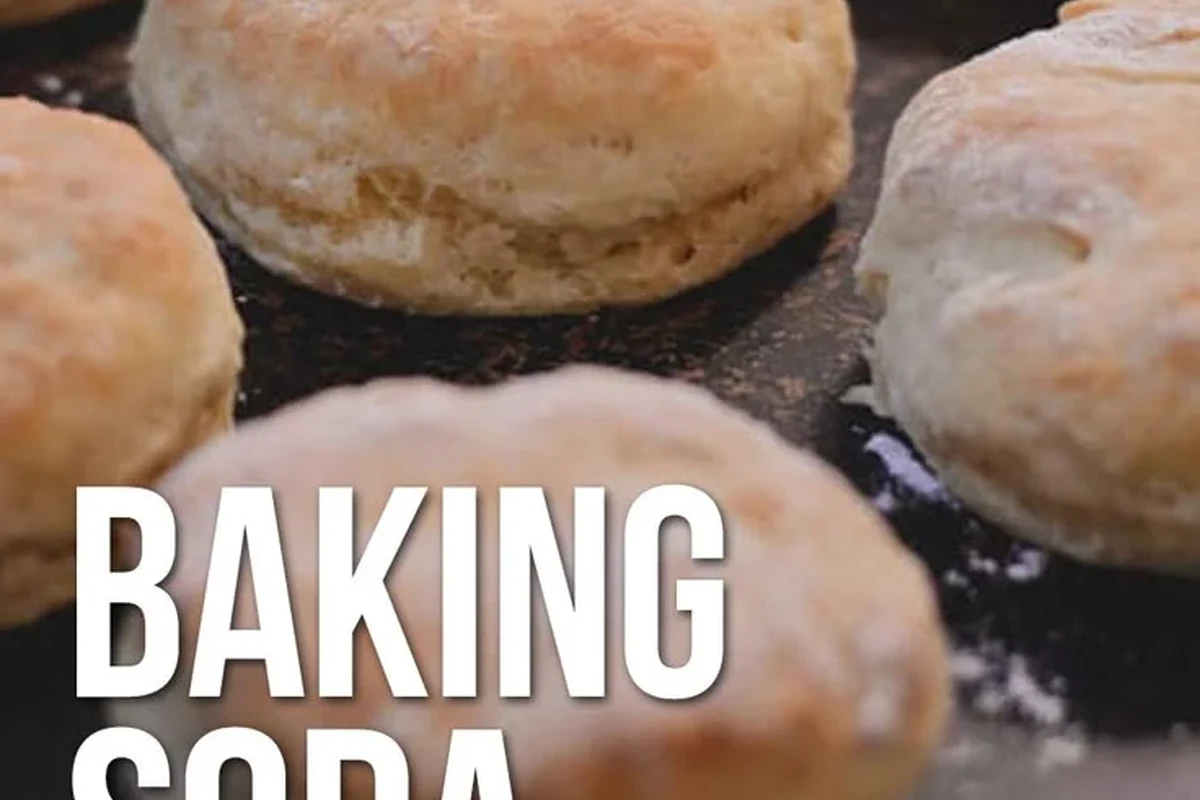
Baking soda is sodium bicarbonate, and in the kitchen it does three main jobs: it helps food rise, it encourages browning, and it can make some batters and doughs feel more tender. In the recipes that call for baking soda, those effects are not just nice extras; they are part of the structure and flavor.
Leavening, browning, and tenderness explained
When baking soda meets an acid and moisture, it releases carbon dioxide gas. Those tiny bubbles expand in the heat of the oven and help cakes, cookies, muffins, and quick breads rise before the structure sets.
Baking soda also raises pH, which speeds browning and deepens color. That is why chocolate cookies, gingerbread, and some savory batters often bake up darker and more flavorful when the soda is measured correctly.
It can also soften texture by reducing acidity in the batter and changing how proteins and starches set. That is useful in recipes where you want a lighter crumb or a less tough bite.
Why baking soda needs an acid to work properly
Baking soda is not a complete leavener by itself. It needs an acidic ingredient such as buttermilk, yogurt, sour cream, molasses, brown sugar, lemon juice, vinegar, cocoa that is naturally acidic, or tomato-based ingredients to react well.
If a recipe has too little acid, the soda may not fully react and can leave a soapy, metallic flavor. If the recipe has too much acid and not enough soda, the final bake may taste sharp or stay dense.
Some recipes use baking soda for browning even when the rise is modest. In those cases, the ingredient balance matters as much as the lift.
The Best Sweet Recipes That Call for Baking Soda
Sweet recipes are the most familiar place to see baking soda used on purpose. Cookies, cakes, and quick breads often rely on it for spread, lift, and that deeper golden color home bakers expect.
Cookies, cakes, and quick breads that rely on balanced acidity
Think of classic chocolate chip cookies, molasses cookies, gingerbread, banana bread, zucchini bread, pumpkin bread, and many chocolate cakes. These are all common examples of recipes that call for baking soda because they usually include enough acid to activate it.
Brown sugar, molasses, yogurt, sour cream, buttermilk, ripe bananas, and natural cocoa can all help create the right reaction. The result is often a softer crumb, a more even spread, and a richer color.
Baking soda helps the dough spread and brown, which gives cookies crisp edges and a chewy center when the rest of the formula is balanced.
Ripe bananas add moisture and acidity, so soda can help the loaf rise without turning heavy.
Molasses is acidic and dark, so soda supports lift while also intensifying color.
Other good examples include snickerdoodles, spice cakes, red velvet-style cakes, pancakes made with cultured dairy, and muffins with fruit or cocoa. If you are looking for a deeper overview of why soda can behave differently from powder, our guide on using baking soda instead of baking powder safely explains the substitution limits clearly.
How to spot recipes where baking soda is essential, not optional
Look for recipes with an acidic ingredient and a relatively small amount of soda, often measured in 1/4 teaspoon to 1 teaspoon ranges depending on batch size. If the recipe also includes brown sugar, molasses, cocoa, buttermilk, yogurt, sour cream, or mashed fruit, soda is often doing real work.
Do not assume it is optional just because the batter already contains flour and eggs. In many formulas, removing it changes both texture and flavor enough that the recipe no longer behaves as written.
Natural cocoa is more acidic than Dutch-process cocoa, so recipes using natural cocoa are more likely to rely on baking soda for proper lift and browning.
Classic Savory Dishes That Use Baking Soda for Texture and Color
Baking soda is not only for sweets. In savory cooking, small amounts can improve texture, speed softening, and help vegetables or batters brown more evenly.
Vegetables, beans, and batters that benefit from a small amount
Some cooks add a pinch of baking soda to beans while soaking or simmering to help soften skins and reduce cooking time. Others use it with certain vegetables, especially when they want a more tender result in stir-fries or a brighter green color for a short cooking window.
It also appears in some batters, such as fried chicken coatings, tempura-style mixtures, and savory pancakes, where a little extra lightness is useful. A small amount can make the coating puff more and brown faster.
How baking soda changes softness, cooking time, and appearance
In savory food, soda works by altering pH and weakening some plant cell walls. That can make beans and vegetables soften faster, but too much can turn them mushy or give them an unpleasant slippery texture.
In batters, higher pH can improve browning and create a lighter crust. The tradeoff is that too much soda can make the coating taste harsh and can darken it before the inside is fully cooked.
For beans, vegetables, and batters, use only the amount the recipe calls for. Extra baking soda can create off-flavors and an unappealing texture very quickly.
How Much Baking Soda to Use Without Ruining a Recipe
With baking soda, precision matters. A little can improve lift and color, but too much can push the flavor into soapy territory and make the crumb coarse or fragile.
Common measurement ranges and why “a little extra” backfires
Many home recipes use small quantities, often 1/8 teaspoon, 1/4 teaspoon, 1/2 teaspoon, or 1 teaspoon for a standard home batch. The exact amount depends on how much acid is present, how much flour is in the recipe, and how strong the desired rise should be.
Extra soda does not simply mean more lift. If there is not enough acid to neutralize it, the batter may brown too quickly, taste bitter or metallic, and collapse after rising.
Signs you used too much or too little in the batter or dough
Too much baking soda can show up as a coarse crumb, a strong chemical taste, excessive browning, or a pale interior with a dark exterior. In cookies, it may cause too much spread or an odd flatness after cooling.
Too little baking soda often means limited rise, a heavier texture, and less browning than the recipe expects. If the recipe includes an acid and the baked item still feels dense, the first thing to check is whether the soda was measured correctly.
Your cookies taste a little soapy and browned too fast.
The soda amount may be too high, or the recipe may not have enough acid to balance it. Recheck measurements and ingredient freshness before changing oven temperature.
Step-by-Step Technique: Mixing, Resting, and Baking for Best Results
Good technique matters almost as much as ingredient balance. Baking soda starts reacting as soon as it meets moisture and acid, so timing affects how much lift survives until the oven.
When to combine baking soda with wet ingredients
For most recipes, whisk the dry ingredients together first so the soda is evenly distributed. Then combine the dry and wet mixtures only when you are ready to bake, especially for muffins, pancakes, and quick breads.
If the batter is meant to rest, do so only for the time the recipe specifies. Long delays can let the gas escape before the oven sets the structure, which reduces rise and can make the finished texture tight.
Whisk flour, baking soda, salt, and spices so the soda does not clump in one spot.
Combine acid-containing ingredients with the dry mix only when the pan and oven are ready.
Get the batter into the oven promptly so the initial reaction turns into oven spring instead of wasted bubbles.
Timing, oven temperature, and visual doneness cues
Use the oven temperature from the recipe, but verify your oven’s calibration if baked goods often run pale or overbrowned. Rack position also matters: a middle rack usually gives the most even heat for cakes, muffins, and loaf breads.
Look for visual cues instead of relying only on the clock. Edges should set, tops should spring back lightly, and the center should no longer look wet or jiggly unless the recipe specifically says otherwise.
Measure soda accurately and mix it through the dry ingredients.
Watch for rise, browning, and edge setting rather than opening the oven repeatedly.
Let structure finish setting before slicing, especially for loaves and cakes.
Common Mistakes When Cooking with Baking Soda
Most baking soda problems are simple measuring or substitution issues. The good news is that they are usually easy to avoid once you know what to look for.
Flat flavor, soapy taste, and overbrowning
A flat or harsh flavor usually means the soda was not balanced by enough acid. A soapy taste often points to too much soda, while overbrowning can happen when the batter’s pH is too high or the oven runs hot.
If a recipe browns too quickly but the center is still underdone, lower the oven only if the recipe gives room for it. Otherwise, check the soda amount, pan color, and rack position first.
- Measure with level spoons
- Use recipes with clear acid ingredients
- Check oven temperature if results vary
- Adding an extra pinch “for more lift”
- Guessing when the recipe already uses acid
- Substituting without checking the full formula
Substituting baking powder, expired soda, or skipping the acidic ingredient
Baking powder is not a one-to-one replacement in every recipe because it already contains acid and is designed to work differently. If you swap it in, the taste and texture can change, sometimes noticeably.
Old baking soda may still look fine but lose strength over time. If you are unsure about freshness, check it before baking, and remember that skipping the acidic ingredient can leave the recipe unbalanced even if the batter rises a little.
For more detail on shelf life and replacement timing, see our guide to when baking soda expires and when to replace it. For a simple reaction explanation, the article on baking soda and vinegar reaction basics is also helpful for understanding acid-base behavior.
Storage, Freshness, and Food Safety Tips for Baking Soda Recipes
Fresh ingredients and safe handling make a difference, especially for batters with eggs, dairy, or raw flour. Good storage also helps preserve the quality of finished baked goods after they come out of the oven.
How to store baked goods and prepared batters safely
Store cooled baked goods in an airtight container at room temperature if the recipe is shelf-stable, or refrigerate them if they contain perishable fillings, dairy-rich frostings, or custards. When in doubt, follow the recipe and use recognized food-safety guidance for chilled storage and reheating.
Do not leave egg- or dairy-based batters sitting out longer than the recipe calls for. Raw flour and raw eggs can carry food-safety risks, so avoid tasting uncooked batter unless the recipe uses heat-treated ingredients and clearly states it is safe.
If a recipe involves hot oil, boiling syrup, or a very hot pan, keep children and pets away from the stove and use dry oven mitts. Steam burns and splatter are common during quick-bread and frying steps.
Checking baking soda freshness before you bake
Fresh baking soda should react strongly when combined with an acid. If you are testing it at home, use a small amount with vinegar or another acid and look for an immediate fizz; weak or delayed bubbling can suggest it is time to replace it.
Store baking soda tightly sealed in a cool, dry place so it does not absorb odors or moisture. If it has been open for a long time, or if your recipes have started baking up flat, freshness is worth checking before you blame the recipe.
Which Recipes Are Worth Making First in 2026
If you are learning how recipes that call for baking soda work, start with the ones that are forgiving but still show the ingredient’s effect clearly. That makes it easier to see how acidity, mixing, and oven heat change the final result.
Best starter recipes for beginners and reliable family favorites
Begin with chocolate chip cookies, banana bread, and simple muffins. These recipes usually show clear changes in spread, browning, and crumb, but they are still familiar enough that you can tell when something is off.
After that, try gingerbread, snickerdoodles, or a buttermilk pancake recipe. Savory cooks can move on to baking soda in bean dishes or light batters once they are comfortable measuring tiny amounts accurately.
- Easy to find in classic home recipes
- Improves browning and tenderness
- Works well in both sweet and savory dishes
- Needs the right acid balance
- Too much causes off-flavors
- Freshness and measuring accuracy matter
Final recipe-selection recap for home bakers
The best recipes to make first are the ones with a clear acidic ingredient and a reliable track record, because those are the recipes where baking soda does the most visible work. If you want to understand the ingredient beyond baking, you can also explore how it behaves in other household uses, such as our guide to cleaning ovens with baking soda and vinegar.
For baking, the main rule is simple: measure carefully, match the soda to the acid, and bake promptly. When those three pieces are in place, the 15 delicious recipes that call for baking soda are more likely to rise well, brown nicely, and taste balanced.
Use soda in recipes with acidic ingredients for lift, color, and tenderness.
Keep measurements exact and bake soon after mixing for the best reaction.
Frequently Asked Questions
Baking soda needs an acidic ingredient to react, while baking powder already contains acid. Recipes with buttermilk, yogurt, molasses, cocoa, or fruit often use soda for the right rise and browning.
No. The swap changes the amount of acid in the formula, so texture and flavor can shift. Check the full recipe before substituting.
Common signs include a soapy or metallic taste, very fast browning, and a coarse crumb. In some recipes, the baked good may rise and then fall.
The soda may not react fully, which can leave an off-flavor and weak lift. Some recipes rely on hidden acidity from ingredients like brown sugar or natural cocoa, so read the whole formula carefully.
Store them based on the recipe and the ingredients used. Shelf-stable bakes can stay in an airtight container, while dairy-rich or egg-rich items usually need refrigeration.
Test a small amount with an acid such as vinegar and look for immediate fizzing. Weak bubbling can mean it is time to replace the box.