
Vinegar and Baking Soda for Hard Water Stains That Work

Vinegar can help loosen hard water stains, while baking soda works best as a gentle scrub. Use them only on safe surfaces, rinse well, and dry the area to prevent new spots.
Hard water stains can make sinks, glass, tile, and fixtures look dull even after regular cleaning. Vinegar and baking soda for hard water stains is a simple home method that can help with light to moderate buildup when used the right way.
- Best for: Light to moderate hard water stains on glass, chrome, porcelain, tile, and similar surfaces.
- Role of each ingredient: Vinegar loosens mineral buildup; baking soda helps lift residue with gentle abrasion.
- Main caution: Avoid vinegar on marble, granite, and other acid-sensitive materials.
- Best finish: Rinse and dry after cleaning to stop streaks and new spotting.
Why Vinegar and Baking Soda Are Used for Hard Water Stains
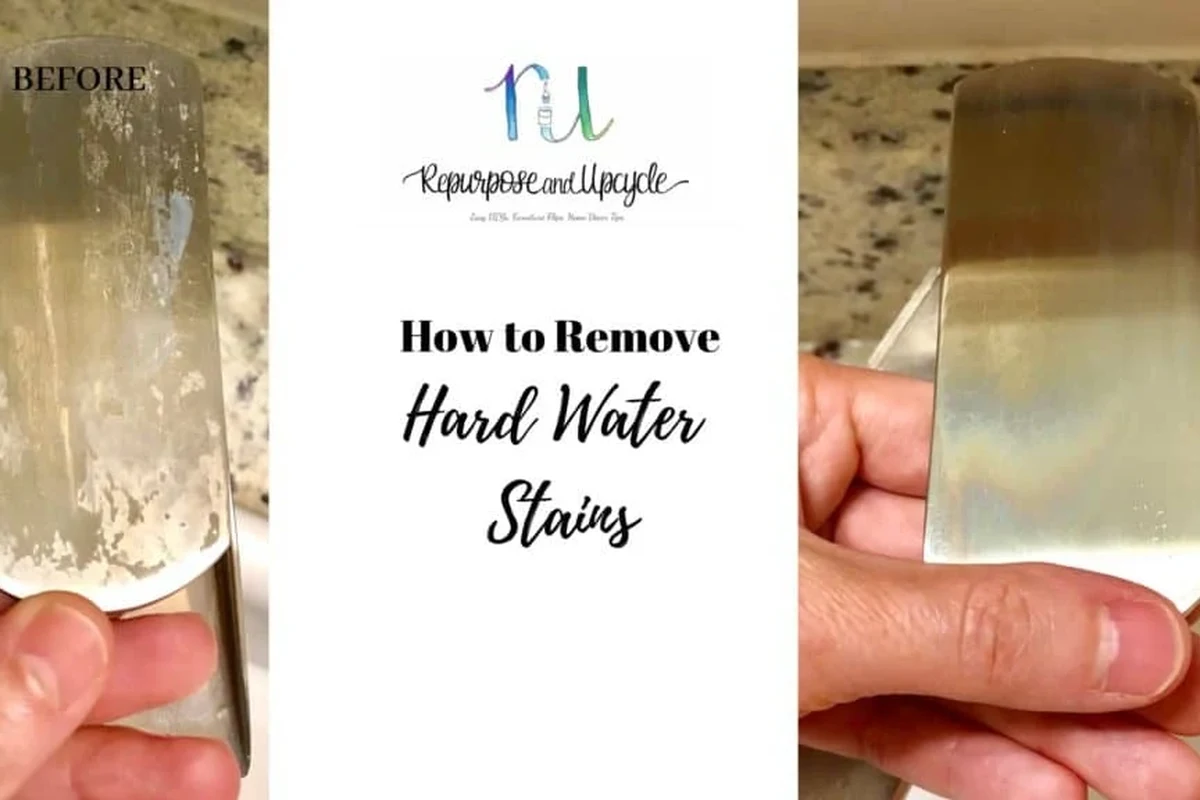
Hard water leaves behind minerals, mostly calcium and magnesium, when water dries on a surface. Over time, those minerals can form cloudy spots, white crust, or a rough film that plain soap does not remove well.
How hard water deposits form on sinks, glass, tile, and fixtures
When water evaporates, the dissolved minerals stay behind. On glass, that often looks like streaky haze. On faucets and shower walls, it can build into visible rings, spots, or chalky edges.
In kitchens and bathrooms, buildup tends to collect where water sits or splashes often. That means sink rims, faucet bases, shower doors, and tile grout lines usually show the problem first.
What vinegar and baking soda each do in the cleaning process
Vinegar is acidic, so it can help loosen some mineral deposits. Baking soda is mildly abrasive and can help lift grime without the harshness of stronger scrub powders.
Used together, they can help with cleaning, but not because the fizz itself is magical. The reaction is short-lived, which is why it helps to understand the baking soda and vinegar reaction before relying on it for heavy stains.
For mineral stains, the acid in vinegar does most of the loosening work. Baking soda is more useful as a gentle scrub or paste than as a true stain dissolver.
When this method is a good fit versus when it is not
This method is a good fit for fresh spots, light haze, and routine maintenance cleaning. It is also useful when you want a low-cost option for common bathroom and kitchen surfaces.
It is not the best choice for heavy scaling, delicate stone, or finishes that should not be exposed to acid. If the stain feels hard, crusty, or layered, you may need a stronger descaler.
What You Need Before You Start Cleaning
Before you begin, gather the basic supplies and check the surface type. A few minutes of prep can prevent streaks, scratches, or damage.
Choosing the right vinegar strength and baking soda amount
Standard white distilled vinegar is usually the best choice for cleaning because it is clear and widely used for household tasks. Some people dilute it with water for lighter cleaning, while others use it full strength for stubborn spots.
Baking soda is usually used in a small amount. A thick paste should spread easily but not drip, so start with a little and add more only if needed.
Helpful tools: spray bottle, microfiber cloth, sponge, non-scratch pad, and scrub brush
A spray bottle helps distribute vinegar evenly on glass, tile, and fixtures. A microfiber cloth is useful for wiping and drying because it leaves fewer lint marks than a paper towel.
Use a sponge or non-scratch pad for most surfaces. A soft scrub brush can help with grout or textured areas, but avoid anything stiff enough to leave marks.
Safety notes for stone, grout, metal finishes, and sealed surfaces
Acidic cleaners can etch marble, limestone, travertine, and some other stone surfaces. If you are unsure about a countertop or shower wall, check the manufacturer’s care instructions first.
Also be careful with brushed, antique, or specialty metal finishes. A quick test in a hidden spot is safer than treating the whole surface at once.
Do not use vinegar on marble, granite, or other acid-sensitive materials unless the manufacturer specifically says it is safe. If a surface is sealed, test a small hidden area first to make sure the finish does not dull or change color.
How to Use Vinegar and Baking Soda for Hard Water Stains Step by Step
The best method depends on the surface and how heavy the stain is. In many cases, vinegar loosens the mineral layer first, then baking soda helps with gentle scrubbing.
Wash away soap scum, dust, and loose dirt first. If the surface is greasy or coated with residue, vinegar cannot reach the mineral layer as well.
Use vinegar spray for glass, chrome, and light buildup. Use a baking soda paste for small stubborn spots on sinks, grout, or textured areas where gentle scrubbing helps.
Allow the vinegar to stay on the stain long enough to soften the mineral film, but do not let it dry completely on sensitive finishes. A short wait is usually better than a long soak on delicate surfaces.
Use a sponge, cloth, or soft brush to lift the loosened buildup. Rinse thoroughly, then dry the area to prevent new water spots from forming.
If you want to understand why some mixtures foam and then settle quickly, our guide on baking soda vinegar cleaning ovens explains the same basic chemistry in a practical cleaning context.
Pre-cleaning the surface so the treatment can work effectively
Start by wiping away loose debris with a damp cloth. This matters because dirt can act like a barrier and make you scrub harder than necessary.
If the area has soap film, rinse it first. Hard water stains and soap scum often sit together, and removing one layer makes the other easier to see and treat.
Applying vinegar first or using a paste: which method suits which stain
For glass, chrome, and smooth tile, vinegar spray is usually the easiest approach. Spray the area, let it sit briefly, then wipe and rinse.
For a small patch of crusty buildup, apply a baking soda paste with a damp sponge. Then add a little vinegar if needed to help loosen the spot, but do not expect the fizz to do the whole job.
- Low-cost and easy to mix at home
- Works well on light to moderate deposits
- Gentle enough for many everyday surfaces
- Not strong enough for heavy mineral scaling
- Can damage acid-sensitive stone
- May leave residue if not rinsed well
Letting the mixture sit without damaging the surface
Do not assume longer is better. On glass and chrome, a short dwell time is often enough to loosen the film without leaving spots behind.
On grout or textured tile, you may need a little more time, but keep checking the area so the cleaner does not dry out. If it dries, it can leave a film that needs extra rinsing.
Scrubbing, rinsing, and drying for a streak-free finish
Scrub with light pressure first. If the stain remains, repeat the process instead of pressing harder, especially on polished surfaces.
Rinse with clean water and dry with a microfiber cloth. Drying is the step that often separates a decent result from a streak-free finish.
Never mix vinegar with bleach or other unknown cleaners. If a surface has already been treated with another product, rinse it well before using vinegar and baking soda.
Best Ways to Clean Different Hard Water Stain Surfaces
Different surfaces need different pressure, dwell times, and tools. A method that works on a shower door may be too harsh for a faucet finish or too weak for grout.
Glass shower doors and mirrors
Glass usually responds well to vinegar spray because the surface is smooth and nonporous. Spray, wait briefly, wipe with a microfiber cloth, then rinse and dry.
For stubborn rings or cloudy patches, use a baking soda paste on a damp cloth and rub lightly in small circles. Do not use abrasive pads that can scratch coated or decorative glass.
Bathroom sinks, faucets, and chrome fixtures
Chrome and porcelain can often handle gentle vinegar cleaning, but the finish matters. Spray lightly, let it sit briefly, then wipe with a soft cloth and rinse.
For buildup around the base of a faucet, use a small amount of paste on a sponge or soft brush. Work carefully around seams and edges where residue likes to hide.
Tile, grout, and shower walls
Tile can usually tolerate a careful vinegar treatment, but grout may be more porous and uneven. That makes a soft brush helpful, since it can reach into the lines without requiring harsh scrubbing.
Shower walls often need a two-step approach: loosen the mineral film, then remove any leftover soap residue. If the surface is sealed, test first so the cleaner does not dull the finish.
Kitchen sinks, cookware exteriors, and appliance parts
Stainless steel sinks often show water spots clearly, especially near the drain and faucet. Vinegar can help, but always rinse and dry well to avoid streaking.
For cookware exteriors or removable appliance parts, check the care instructions before cleaning. If a piece has coatings, labels, or electrical parts, do not soak it unless the manufacturer says it is safe.
Common Mistakes That Make Hard Water Stains Worse
Most problems come from using the wrong surface, too much force, or not rinsing enough. A careful method usually works better than a stronger one.
Using vinegar on marble, granite, or other acid-sensitive materials
This is the biggest mistake to avoid. Vinegar can dull or etch stone, and the damage may not be obvious right away.
If you are cleaning stone, use a product made for that material and follow the label directions. When in doubt, skip vinegar entirely.
Expecting baking soda alone to dissolve mineral buildup
Baking soda is useful, but it is not an acid and does not dissolve mineral deposits the way vinegar can. It works better as a mild abrasive or paste.
If you only use baking soda on hard water stains, you may end up scrubbing more and getting less movement from the stain.
Scrubbing too hard and scratching polished finishes
Hard pressure can leave swirl marks on chrome, glass, and glossy tile. Once a finish is scratched, it can catch more dirt and show spots faster.
Use repeated light passes instead. That is usually safer and more effective than one aggressive scrub.
Skipping the rinse and letting residue create a new film
Any cleaner left behind can dry into a haze. That is especially true on glass and stainless steel.
Rinse with clean water and dry immediately. This final step often matters as much as the cleaning itself.
When Vinegar and Baking Soda Are Not Enough
Some stains are no longer simple spots. They have become thick mineral scaling that bonds more firmly to the surface.
Signs that buildup has turned into heavy mineral scaling
If the stain feels rough, chalky, or layered, it may be past the point where a mild home method can finish the job. You may also see repeated spots return quickly after cleaning.
That does not mean the surface is ruined. It usually means you need a stronger cleaner or a longer treatment cycle.
When a commercial descaler or specialty cleaner may work better
Commercial descalers are designed for mineral deposits and may work better on heavy buildup. Use them according to the label and the surface manufacturer’s instructions.
For appliances, always follow the manual first. Manufacturer guidance is the safest reference for coated parts, seals, and metal finishes.
How to test a small hidden area before treating the full surface
Apply the cleaner to a small hidden spot first, such as behind a faucet, near a corner, or under a lip. Wait, rinse, and check for dulling, discoloration, or texture changes.
If the test area looks fine, continue with the rest of the surface. If not, stop and choose a different cleaner.
- Identify the surface material
- Test a hidden spot if needed
- Gather soft cloths and non-scratch tools
- Keep bleach and vinegar separate
- Rinse and dry the area after cleaning
How to Keep Hard Water Stains from Coming Back
Prevention is usually easier than removal. Once water spots become a daily habit, they are much harder to ignore.
Daily wipe-down habits that reduce mineral spotting
A quick wipe after showering or washing dishes can prevent minerals from drying in place. This is especially helpful on glass doors, faucet bases, and sink rims.
Even a few seconds with a dry cloth can make a visible difference over time. The less standing water, the fewer spots you will see.
Drying habits for showers, sinks, and fixtures after use
Drying is one of the simplest ways to slow new buildup. A microfiber cloth works well because it absorbs water and helps reduce streaks.
For showers, a squeegee can help on glass and tile. For sinks and chrome, a quick towel pass is often enough.
Water softener options and other prevention methods for recurring stains
If hard water stains keep returning, the water itself may be the main issue. A water softener or other treatment system may help, depending on your home setup and local water conditions.
You can also use protective coatings on some surfaces, but check compatibility first. The right prevention method depends on the material, the finish, and how often the area gets wet.
Final Verdict: Is Vinegar and Baking Soda the Right Fix for Your Home?
For many everyday hard water stains, this method is a practical first step. It is inexpensive, familiar, and often effective on light buildup when you use it carefully.
Best use cases for this method in 2026 cleaning routines
It is best for glass shower doors, chrome fixtures, porcelain sinks, and other smooth surfaces with fresh or moderate spots. It also works well for routine maintenance, especially when stains are caught early.
For readers who like simple, low-cost cleaning routines, vinegar and baking soda for hard water stains remains a smart starting point. It is not fancy, but it is often enough for common household buildup.
When to choose it, when to avoid it, and what results to expect
Choose it when the stain is light, the surface is safe for vinegar, and you want a gentle cleaning approach. Avoid it on marble, granite, and other acid-sensitive materials, and do not expect it to remove heavy scaling in one pass.
Results are usually best when you clean, rinse, and dry right away. If the stain has been there for months, expect improvement rather than perfection on the first try.
Practical recap for homeowners, renters, and first-time DIY cleaners
Start by identifying the surface, then use vinegar to loosen mineral deposits and baking soda to help with gentle scrubbing. Keep your tools soft, your pressure light, and your rinse thorough.
If you want a simple rule, remember this: use vinegar for the stain, baking soda for the scrub, and caution for the surface. That approach will save you time, protect your finishes, and give you a more reliable result.
Vinegar and baking soda can be a good first-line fix for light to moderate hard water stains on safe surfaces, especially in bathrooms and kitchens. For heavy mineral scaling or delicate stone, choose a specialty cleaner and follow the surface care instructions instead.
Frequently Asked Questions
It can remove light to moderate hard water stains on many safe surfaces. Heavy mineral scaling may need a commercial descaler or repeated treatment.
Yes, glass shower doors are one of the best uses for this method. Spray vinegar, wipe gently, rinse, and dry for the clearest finish.
Usually no. Baking soda helps as a gentle scrub, but vinegar does more of the mineral loosening.
Yes, vinegar can etch or dull marble, granite, and other acid-sensitive stone. Use a cleaner made for stone instead.
Only long enough to loosen the buildup without drying on the surface. The exact time depends on the material and how heavy the stain is.
Dry the surface after use and clean spots sooner so minerals do not build up again. If stains keep returning, a water softener or other prevention method may help.