
Is Baking Soda Flammable What You Need to Know
No, baking soda is not flammable. It is a stable kitchen ingredient that can help with baking and may help with a very small fire, but it is not a replacement for proper fire safety tools.
If you are asking is baking soda flammable, the direct answer is no. Baking soda is not a fuel, and in normal kitchen use it does not catch fire or support a flame the way grease, paper, or alcohol can.
- Direct answer: Baking soda is not flammable and does not act like a fuel.
- Kitchen use: It helps with leavening, pH control, cleaning, and odor control.
- Fire limit: It may help only with a tiny, contained flame, not a growing fire.
- Storage tip: Keep it dry, labeled, and separate from other white powders.
Is Baking Soda Flammable? The Direct Answer and Why It Matters
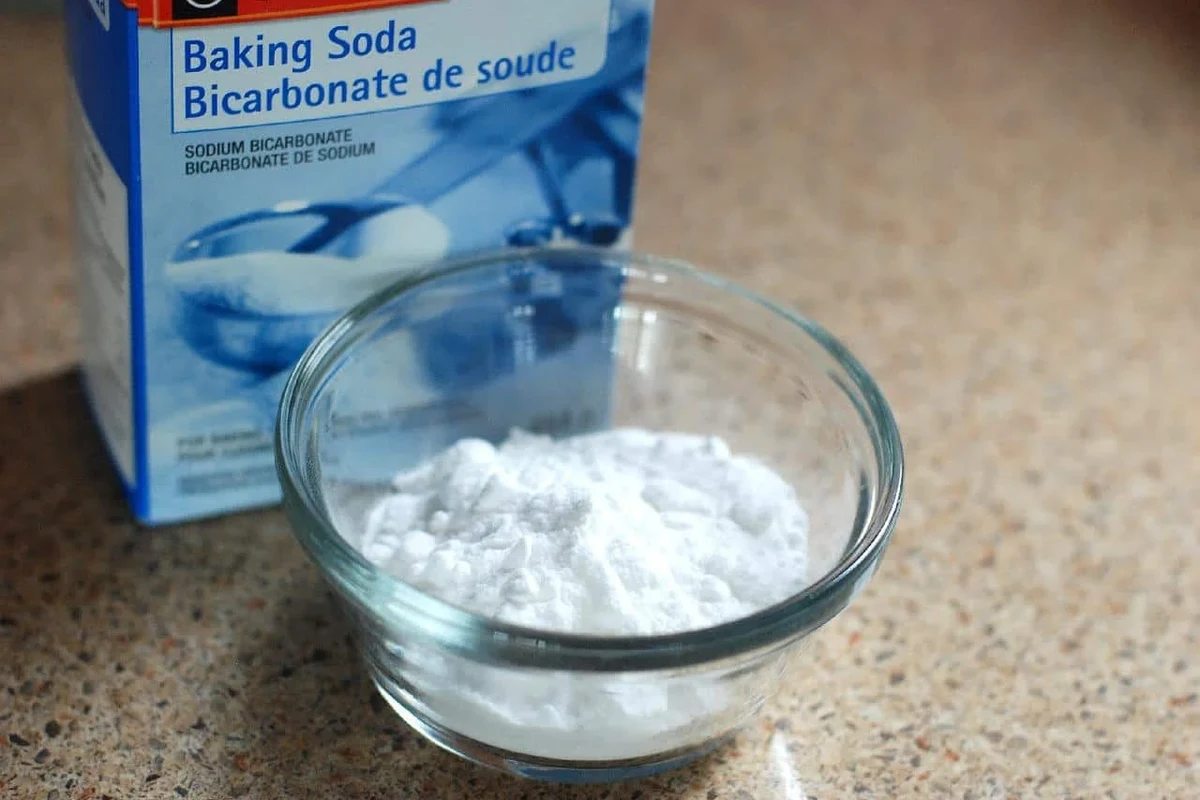
Baking soda is one of those pantry ingredients that gets used in both baking and cleaning, so it is easy to wonder whether heat makes it dangerous. In everyday kitchen and safety terms, baking soda is not flammable, and that matters because it helps you use it with the right expectations around the stove, oven, and sink.
What “flammable” means in everyday kitchen and safety contexts
When people say something is flammable, they usually mean it can ignite easily and keep burning once a flame starts. Fuels such as cooking oil, grease, paper towels, rubbing alcohol, and some aerosols can burn because they contain energy that fire can use.
Baking soda does not behave like that. It is a stable powder that does not burn under normal household conditions, so it is not treated as a fire-starting material in the kitchen.
Why baking soda behaves differently from fuels, oils, and powders that can ignite
Flammable materials have chemical structures that can react with oxygen and release heat fast enough to sustain combustion. Baking soda does not do that in the same way, which is why it is often discussed as a fire-control ingredient instead of a fire risk.
That said, a powder can still be messy, can spread if blown around, and can be confused with other ingredients. If you are learning kitchen safety, it helps to separate “powdered” from “combustible.” They are not the same thing.
Baking soda is sodium bicarbonate, a compound that can help interrupt small flames by releasing carbon dioxide when heated, which is one reason it is useful in some fire-response situations.
What Baking Soda Is Made Of and How Its Chemistry Affects Fire Risk
To understand why baking soda is not flammable, it helps to look at what it is made of. Sodium bicarbonate is an alkaline compound that reacts in controlled ways with heat, acid, and moisture, which is very different from the way a fuel burns.
How sodium bicarbonate reacts to heat, acid, and moisture
In baking, sodium bicarbonate reacts with acids such as buttermilk, yogurt, lemon juice, or brown sugar ingredients to produce carbon dioxide gas. That gas creates lift in batters and doughs, which is why baking soda is a leavening ingredient.
With heat, baking soda can break down rather than burn. In practical kitchen terms, that means it may lose effectiveness if stored poorly or if a recipe is not balanced, but it does not turn into a flame source.
Do not assume every white powder in the pantry behaves like baking soda. Baking powder, flour dust, and powdered sugar can create different safety concerns, especially around heat, airflow, or storage contamination.
Why its chemical structure makes it useful for fire suppression, not fire starting
Baking soda can help smother very small fires because it releases carbon dioxide when heated and can help reduce oxygen around the flame. That is why it is sometimes mentioned as a backup for tiny grease flare-ups, though it is not a substitute for proper fire safety equipment.
If you also want a clearer comparison of kitchen ingredients, our guide on is baking soda and baking powder the same explains why these two powders are often confused but do very different jobs.
Where Baking Soda Is Used in Baking, Cleaning, and Fire Safety
Baking soda is useful because it does more than one job. Bakers rely on it for texture and browning, households use it for deodorizing and cleaning, and in limited cases it can help with a tiny kitchen fire.
How bakers use it for leavening and pH control
In baking, baking soda helps raise pH and encourage browning, especially in cookies, quick breads, and cakes that contain acidic ingredients. If the recipe has too little acid, you may taste a soapy note or see uneven rise, which is a common failure pattern for beginners.
That is why measuring matters. Too much baking soda can leave a bitter taste, while too little may not give the lift or color the recipe needs.
Why it appears in household cleaning and deodorizing products
Baking soda is also popular in cleaning because it can help absorb odors and loosen light residue. Many home cooks keep it near the sink, fridge, or trash area because it is inexpensive, easy to use, and generally low-risk when handled normally.
For readers interested in other household uses, our article on baking soda for smoke odors covers how it is often used to freshen spaces after cooking smells linger.
How baking soda can help smother small grease or electrical fires safely
For a very small grease fire, baking soda may help if you can sprinkle it heavily over the flames without getting close enough to burn yourself. The goal is to cut off oxygen and calm the fire, not to stir it, throw water on it, or move the pan.
However, if the fire spreads, grows, or is producing heavy smoke, leave the area and use the proper extinguisher or emergency response plan. For kitchen fires, official safety guidance from agencies such as the USDA and local fire departments is the better reference than improvising.
Never use baking soda on a fire that is already large, spreading, or producing thick smoke. If you cannot stop it immediately and safely, get out and call emergency services.
Common Misconceptions About Baking Soda and Heat
Most confusion comes from the fact that baking soda is a powder that lives near other powders and heat sources. In a busy kitchen, that can make it easy to mix up ingredients or assume they all behave the same way.
Why people confuse baking soda with baking powder or combustible dusts
Baking soda is often confused with baking powder because both are white leavening powders. The difference is that baking powder already contains an acid, while baking soda needs acid from the recipe to work properly.
People also hear warnings about dust explosions and assume any powder is a fire hazard. That is not accurate. Some fine organic dusts can burn under the right industrial conditions, but baking soda is not one of the common combustible dust concerns in a home kitchen.
If a powder is unlabeled, clumped, or stored in a repurposed container, treat it carefully. Good labeling prevents both recipe mistakes and safety mistakes.
What happens if baking soda is exposed to an oven, stovetop, or open flame
If baking soda sits in an oven, it generally remains stable for normal baking temperatures and may slowly lose some effectiveness over time if exposed to heat and moisture. On a stovetop, it may spill, scorch nearby food residue, or get blown around, but it will not normally ignite.
Direct flame can cause it to decompose, but decomposition is not the same as flammability. The bigger practical issue is usually the mess, not the ingredient catching fire.
Examples of safe and unsafe assumptions in real kitchen situations
Safe assumption: a small box of baking soda stored in a pantry will not suddenly become a fire hazard just because the kitchen is warm. Unsafe assumption: because baking soda is safe, it can replace every extinguisher or solve every flame-related problem.
Another common mistake is using a spoonful of baking soda to “test” a fire from too close. If the fire is already active, your priority is distance, escape, and the correct response, not experimentation.
The pan starts smoking and a small flame appears at the edge of the oil.
Turn off the heat if you can do so safely, cover the pan if appropriate, and use baking soda only for a very small fire. If the flame grows, evacuate and use the proper extinguisher or emergency help.
Safety Limits: When Baking Soda Is Useful and When It Is Not
Baking soda is helpful in a narrow set of situations, but it should not be treated as a universal fire extinguisher. The safest approach is to know its limits before you ever need it.
Why it should not be treated as a universal fire extinguisher
Baking soda may help with tiny, contained flames, but it is not designed for every fire class. It is not a replacement for a proper extinguisher, fire blanket, or the instructions that come with your kitchen equipment.
If you are comparing practical kitchen safety tools, it is worth reading the manufacturer guidance for your range hood, air fryer, toaster oven, or extinguisher. Appliance manuals matter because ventilation, oil use, and electrical parts all change the risk profile.
Situations where a Class K or proper extinguisher is the right choice
For commercial kitchens or serious grease-fire risks, a Class K extinguisher is often the correct tool. For home kitchens, the right extinguisher depends on the fire type and your local safety guidance, so check the label and instructions before you need it.
Electrical fires also need special caution. If an appliance is involved and the fire is not tiny and immediately controlled, use the correct extinguisher if trained to do so, or leave the area and call for help.
Signs that a fire has moved beyond what baking soda can handle
If flames are spreading beyond the original pan, smoke is thickening fast, or the fire is reaching cabinets, walls, or the backsplash, baking soda is no longer the answer. The same is true if you feel unsure, cannot safely reach the fire, or the heat is too intense to approach.
A good rule is simple: if you hesitate because the scene is getting bigger or hotter, step back. A second of delay is better than a burn or a worse kitchen fire.
Never add water to a grease fire. Water can spread burning oil and make the situation much worse.
Storage, Handling, and Practical Kitchen Safety Tips
Good storage keeps baking soda useful for both baking and cleaning. It also prevents confusion with other pantry powders, which is a real issue in busy home kitchens and student kitchens alike.
How to store baking soda to prevent clumping, contamination, and confusion with other powders
Keep baking soda sealed in a dry container and away from steam, splashes, and strong odors. Moisture can make it clump, and contamination can make it unsafe for baking or unpleasant for cleaning.
If you store it in a clear jar, label it clearly. That matters when you have similar-looking ingredients such as baking powder, cornstarch, flour, or powdered sugar.
Labeling, measuring, and keeping it away from accidental misuse
Use a dry spoon when measuring baking soda for recipes. A wet spoon can cause clumping and can shorten shelf life by introducing moisture into the container.
Keep it stored separately from cleaning chemicals and from powders used for totally different tasks. That reduces the chance of adding the wrong ingredient to a batter or using a contaminated product on food.
Common mistakes home bakers make when using baking soda around heat
One common mistake is leaving an open box near the stove, where steam and grease can get into it. Another is assuming that more baking soda means more lift, when too much can actually hurt flavor and texture.
Some bakers also forget that recipe performance depends on factors like oven calibration, pan size, humidity, and ingredient brand. If a cake or cookie behaves oddly, the issue is often formula balance rather than the baking soda itself.
- Check that the container is clearly labeled.
- Keep the powder dry and free from kitchen grease.
- Know where your extinguisher is stored.
- Review your appliance manual for fire safety guidance.
What Bakers, Students, and Home Cooks Should Remember in 2026
Modern kitchen safety still treats baking soda as a useful pantry ingredient, not a hazard. The main message in 2026 is unchanged: it is harmless in normal use, helpful in some baking and cleaning tasks, and limited as a fire-response tool.
How modern kitchen safety guidance frames baking soda use
Current safety advice generally favors proper extinguishers, clear evacuation plans, and manufacturer instructions for appliances. Baking soda can be a backup for a tiny, contained flame, but it should never replace training, common sense, or the right equipment.
If your kitchen setup includes an air fryer, toaster oven, or other countertop appliance, review the safety section in the manual. If you want broader appliance safety context, our article on are air fryers dangerous is a helpful place to start.
Real-world examples of when baking soda is helpful, harmless, or ineffective
Helpful: a small spill of powder near the pantry is easy to clean up, and a tiny grease flare-up may be calmed if you can respond immediately and safely. Harmless: a sealed box sitting in a cupboard will not ignite on its own.
Ineffective: a pan fire that is growing, an appliance fire with electrical involvement, or any situation with heavy smoke and heat. In those cases, use the correct response and do not rely on pantry improvisation.
Final recap: the safest way to think about baking soda and fire risk
The best way to think about baking soda is simple: it is not flammable, and it is not a fuel. It is a stable kitchen ingredient that can help with baking, cleaning, and, in limited cases, very small fire control.
For everyday cooks and baking students, the safest habit is to store it dry, label it clearly, and keep a real fire plan in place. If a fire is beyond a tiny, immediately manageable flare-up, step away and use the proper safety response instead of assuming baking soda can solve it.
- Keep baking soda dry, labeled, and stored away from heat and steam.
- Use it for recipe balance, odor control, and only very small fire situations.
- Follow manufacturer and official safety guidance for fires and appliances.
- Do not treat baking soda as a universal extinguisher.
- Do not use it on large or spreading fires.
- Do not confuse it with baking powder or other white pantry powders.
For bakers, students, and home cooks, the takeaway is straightforward: baking soda is not flammable, but it is still something to handle thoughtfully. Use it for its real strengths, respect its limits, and keep proper fire safety tools within reach.
Frequently Asked Questions
No, baking soda is not flammable in a normal oven. It may lose some effectiveness with heat and moisture, but it does not catch fire like grease or paper.
It can help with a very small grease fire if used immediately and safely. It is not a substitute for a proper extinguisher or emergency response when the fire is larger.
Baking soda does not normally burn on a stovetop. It may scatter, clump, or decompose under strong heat, but it is not a fuel.
No, they are different ingredients and should not be treated the same way. Baking soda is sodium bicarbonate, while baking powder contains additional ingredients and is used differently in recipes.
Store it in a dry, sealed, clearly labeled container away from steam, grease, and cleaning chemicals. This helps prevent clumping, contamination, and ingredient mix-ups.
If flames spread, smoke gets thick, or the fire involves cabinets, walls, or an appliance, stop trying to manage it with baking soda. Move away and use the proper fire safety response or call emergency services.