
How to Wash Veg with Baking Soda for Cleaner Produce

Baking soda can help loosen surface grime and residue on vegetables when used as a light soak, followed by a thorough rinse. It works best on firm produce and is not a replacement for basic food safety or proper storage.
Washing vegetables with baking soda is a simple kitchen habit that many people use when they want produce to feel cleaner and fresher. It is not a magic fix, but it can help loosen surface grime and some residues when used correctly.
- Best use: A light baking soda soak can help clean firm produce and waxy skins.
- Right approach: Rinse first, soak briefly, scrub gently, then rinse again.
- Main limit: Baking soda does not make produce sterile or fix spoiled food.
- Texture matters: Delicate greens, berries, mushrooms, and cut produce need gentler handling.
- Storage counts: Dry produce well so moisture does not shorten freshness.
Why People Wash Veg with Baking Soda in 2026
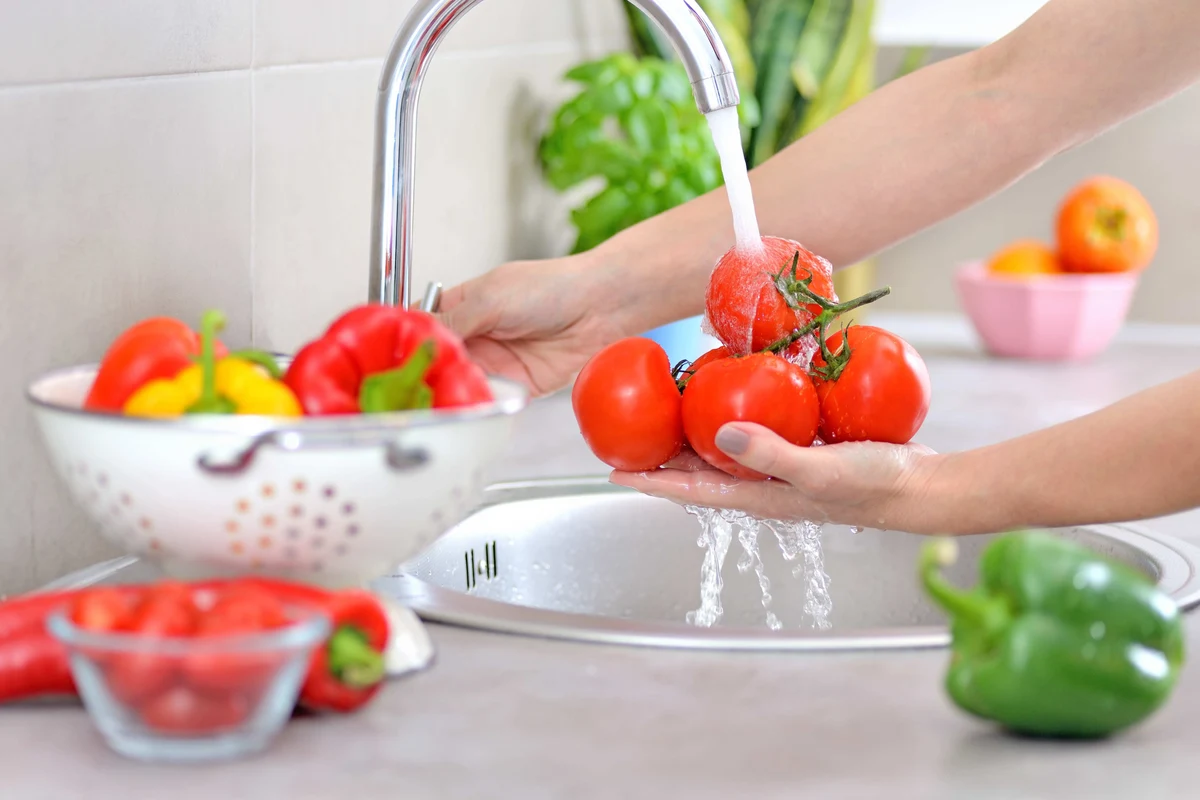
In 2026, more home cooks are paying attention to how produce is handled, stored, and cleaned before it reaches the plate. That is one reason the idea to wash veg with baking soda keeps showing up in everyday kitchen advice.
This method is different from a quick rinse, a vinegar soak, or a commercial produce wash. Plain water mainly removes loose dirt, while baking soda is often used as a short soak to help lift some stubborn surface buildup. Vinegar has its own cleaning uses, but it works differently, and produce washes vary by brand and label instructions.
Shoppers usually want to remove visible dirt, waxy coatings, sticky residue, and surface contaminants from the outside of fruits and vegetables. For many people, the goal is not to “sterilize” produce, but to clean it more thoroughly before cooking or eating.
How this cleaning method differs from rinsing, vinegar, and produce washes
Rinsing is the fastest and safest first step, but it may not loosen everything that clings to skins or leafy surfaces. A baking soda soak adds a little more cleaning power without introducing strong odors or a sharp acid smell.
Compared with vinegar, baking soda is alkaline rather than acidic. That difference matters because some residues respond better to one type of cleaner than the other, but neither method replaces good handling, refrigeration, or proper food safety practices.
What shoppers are trying to remove: dirt, wax, residue, and surface contaminants
Most produce carries some combination of garden soil, dust, handling residue, and natural surface coatings. On waxed fruits or vegetables, a soak may help loosen the film enough to make rinsing more effective.
Still, it is important to keep expectations realistic. Baking soda can help with surface cleaning, but it does not remove contaminants that have entered the produce itself.
How Baking Soda Works on Produce Surfaces
Baking soda, or sodium bicarbonate, is mildly alkaline. In the kitchen, that alkalinity can help break up oily or sticky residue and make it easier to wash away during rinsing.
This is one reason it is also discussed in other cleaning uses, such as baking soda vinegar cleaning ovens, where the goal is to loosen baked-on mess rather than scrub aggressively. The same basic idea applies to produce: a gentle soak can reduce the work needed at the sink.
The role of alkalinity in loosening grime and certain residues
Alkaline water can help weaken some surface films and make grime less stubborn. On produce, that usually means the outside surface may rinse cleaner after a short soak and a careful scrub.
The effect is practical, not dramatic. You should expect cleaner-looking produce, not a completely transformed surface.
Which vegetables and fruits benefit most from a baking soda soak
Firm produce with smooth skins often benefits most because it can be soaked, rubbed, and rinsed without falling apart. Think cucumbers, carrots, peppers, apples, and potatoes.
Leafy greens can also benefit, but they need gentler handling and shorter soak times. Delicate items bruise easily, so the method should be adjusted to the produce, not forced into one rule.
What baking soda can and cannot remove from produce
Baking soda can help remove loose dirt, some waxy residue, and surface grime. It may also improve the feel and look of produce that seems slightly film-coated after storage or transport.
It cannot make unsafe produce safe if it is spoiled, moldy, or contaminated in a way that has already penetrated the surface. For food safety basics, follow recognized guidance from USDA and FDA on washing, handling, and storing fresh produce.
Produce washing is about reducing surface soil and residue, not making food sterile. A good rinse, clean hands, and clean tools still matter most.
The Right Baking Soda-to-Water Ratio for Washing Vegetables
There is no single official ratio that works for every kitchen, but a light solution is usually enough. The goal is a gentle soak, not a concentrated scrub bath.
Common measurement ranges for a safe, practical soak
Many home cooks use about 1 teaspoon to 1 tablespoon of baking soda per 2 quarts of water, depending on the produce and how dirty it is. A lighter mix is usually better for delicate items.
If the water feels overly slippery or leaves a noticeable powdery feel after rinsing, the mix may be too strong. That is a sign to use less next time.
How to scale the method for a bowl, sink, or large batch
For a bowl, start with enough water to fully cover the produce and add a small amount of baking soda. For a sink wash, keep the water fresh and avoid overcrowding so every piece can move freely.
If you are cleaning a large batch for meal prep, work in smaller rounds. Overfilling the sink makes it harder to remove soil and easier to miss spots.
Why overusing baking soda can leave residue or affect texture
Too much baking soda can leave a chalky film if the produce is not rinsed well. On tender greens, it can also make the leaves feel less crisp if they sit too long in water.
Use enough to help cleaning, but not so much that the produce tastes or feels off. A light hand is usually the most effective approach.
Step-by-Step Method for Washing Veg with Baking Soda
This method is straightforward, but the details matter. A short pre-rinse, a controlled soak, and a final rinse usually give the cleanest result.
Pre-rinse: removing loose soil before soaking
Start by rinsing the produce under cool running water to remove loose dirt and debris. This keeps the soak water cleaner and lets the baking soda work on residue instead of clumps of soil.
For heavily dirty vegetables, brush or rub off visible mud first. That is especially helpful for root vegetables.
Soaking time by produce type: delicate greens, firm vegetables, and root crops
Delicate greens and herbs usually need only a very short soak, often just a minute or two, followed by a gentle swish. Firm vegetables can handle a few minutes longer, while root crops may benefit from a short soak plus scrubbing.
Do not assume longer is better. A long soak can soften texture, especially for produce that is already tender or cut.
Scrubbing, rinsing, and drying for the cleanest finish
After soaking, scrub firm produce with clean hands or a produce brush where needed. Then rinse thoroughly under fresh water to remove loosened residue and any remaining baking soda.
Drying matters more than many people think. Water left on the surface can speed up spoilage, especially on greens and herbs, so spread produce on a clean towel or use a salad spinner for leafy items.
Wash away loose soil under cool running water before any soak.
Add a small amount of baking soda to a bowl or sink of water and stir until dispersed.
Let produce sit only long enough to loosen grime, adjusting time by texture and type.
Use a brush on firm skins, then rinse well under fresh water.
Pat dry or spin dry so excess moisture does not shorten freshness.
Best Practices for Different Types of Produce
The best way to wash produce depends on texture, surface shape, and how fragile the item is. One method does not fit everything.
Leafy greens and herbs: handling without bruising
Use cool water and a very gentle soak for lettuce, spinach, cilantro, parsley, and similar items. Swish them lightly rather than stirring hard, which can bruise leaves and tear herbs.
After washing, dry them promptly. Wet leaves collapse faster in storage and can make salads soggy.
Firm vegetables like cucumbers, peppers, and carrots
These are the easiest vegetables to clean with baking soda because their skins can tolerate a short soak and a light scrub. A produce brush can help around seams and shallow dimples.
If the skin is waxed, the soak may help loosen the coating, but you still need a thorough rinse afterward.
Root vegetables with crevices, skins, or heavy soil
Potatoes, beets, radishes, and similar vegetables often need the most attention because dirt hides in grooves and around root ends. A pre-rinse plus brushing is usually more useful than a long soak alone.
If the skin is thick, scrub under running water and focus on any rough spots where soil collects.
When to avoid soaking berries, mushrooms, or cut produce
Berries absorb water quickly and can turn soft or bland if soaked too long. Mushrooms also pick up water easily, which can make them spongy instead of firm.
Cut produce is more fragile and can lose quality fast in water. For those items, a quick rinse or careful wipe is often better than a baking soda soak.
Do not use a baking soda soak as a substitute for food safety basics. Wash hands, clean cutting boards, keep raw meat separate, and refrigerate produce promptly when needed.
Common Mistakes People Make When Using Baking Soda on Vegetables
Most mistakes come from using too much product, soaking too long, or skipping the final rinse. Those errors can leave produce tasting dull or feeling slightly gritty.
Using too much baking soda or soaking for too long
A stronger mixture does not necessarily clean better. It can leave residue and, in some cases, soften the outer texture of the produce.
Long soaks can also make vegetables lose their crispness. That is especially noticeable with greens and herbs.
Skipping the final rinse and leaving a chalky film
Even a light baking soda solution should be rinsed off well. If you skip this step, the produce may taste flat or feel dusty.
Fresh water is what carries away the loosened debris. The soak helps, but the rinse finishes the job.
Assuming baking soda replaces food safety basics
Cleaning produce is only one part of kitchen safety. You still need proper storage, clean hands, and separate prep areas for raw meat and ready-to-eat foods.
If produce looks spoiled, smells off, or has mold, washing is not the answer. Discard it instead.
Washing produce too early and reducing freshness
Pre-washing everything days ahead can shorten shelf life, especially for greens and herbs. Extra moisture encourages wilting and decay.
If you meal prep, wash only what you expect to use soon, or dry produce very thoroughly before storing it.
Use a clean bowl, sink, brush, and towel every time. Dirty tools can undo the benefit of washing and spread contamination to clean produce.
Safety, Storage, and Practical Kitchen Tips
The best produce-cleaning method is the one you can do consistently without creating new problems. Clean handling and smart storage matter just as much as the wash itself.
How to keep washed produce fresh after cleaning
Dry produce well before refrigerating it. For leafy greens, a paper towel or clean cloth in the storage container can help absorb extra moisture.
Keep washed produce in a clean container or bag and use it within a reasonable time based on the type. Delicate items generally spoil faster than firm vegetables.
Food-safe containers, drying methods, and fridge storage
Use containers that are meant for food, not repurposed boxes that may hold residue. A salad spinner works well for greens, while a clean towel can handle firmer vegetables.
Store produce in the refrigerator when the item needs chilling, and avoid packing containers too tightly. Airflow and dryness help preserve texture.
When to choose baking soda cleaning versus other produce-cleaning methods
Choose baking soda when produce has visible film, stubborn surface grime, or a waxy feel that plain rinsing does not seem to remove. It is also useful when you want a gentle, low-cost option already in the pantry.
If the produce is delicate, already clean-looking, or likely to absorb water, plain rinsing may be enough. For a deeper comparison of household cleaning uses, see our guide to a baking soda trick that actually works and our article on baking soda in laundry benefits, which shows how the ingredient behaves differently across tasks.
Should You Wash Veg with Baking Soda? Final Recommendation
Yes, you can wash veg with baking soda, and for many home kitchens it is a practical extra step. It works best as a gentle soak for firm produce and as a careful cleaning aid for greens that need more than a quick rinse.
Best-use cases for home cooks, meal preppers, and cautious shoppers
This method makes the most sense if you buy a lot of produce, meal prep ahead, or want a little more confidence when cleaning fruits and vegetables with visible surface residue. It is also helpful when you want a low-cost method that is easy to repeat.
Situations where plain water is enough and baking soda is unnecessary
If produce is already clean, delicate, or likely to absorb water, plain running water may be the better choice. That keeps texture intact and avoids extra steps when they are not needed.
Recap of the most effective and safest way to clean produce
The safest, most effective method is simple: rinse first, soak briefly in a light baking soda solution when needed, scrub firm produce gently, rinse again, and dry well. That routine removes surface grime without overhandling the food.
If you want cleaner produce without unnecessary fuss, baking soda is a useful tool. Just remember that it supports good washing habits; it does not replace them.
For the best results, match the method to the produce type, use fresh water, and keep your storage containers clean. Small details make a bigger difference than using more baking soda.
Frequently Asked Questions
A light mix is usually enough, such as about 1 teaspoon to 1 tablespoon per 2 quarts of water. Start small, then adjust only if the produce is especially dirty.
It may help loosen some surface residues, but it does not remove everything and should not be treated as a guarantee. Follow USDA and FDA produce-washing guidance and use proper handling practices.
No. Delicate greens, berries, mushrooms, and cut produce can absorb water or lose texture, so they usually need a gentler approach or just a quick rinse.
Yes. A final rinse is important to remove loosened grime and any chalky residue left by the baking soda.
You can, but it is better to dry it very well and store it in a clean container. Washing too early can shorten freshness, especially for leafy greens and herbs.
Firm vegetables with smooth skins, such as cucumbers, carrots, peppers, and potatoes, usually benefit most. They tolerate soaking and gentle scrubbing better than delicate produce.