
12 tsp baking soda to baking powder Conversion Guide

1/2 teaspoon baking soda usually converts to about 1 1/2 teaspoons baking powder, but the swap only works well in the right recipe. Check the acid in the batter first, because flavor, browning, and texture can change a lot.
If you need to replace 1/2 tsp baking soda to baking powder in a recipe, the short answer is that you usually need about three times as much baking powder, but the swap is not always exact. The right choice depends on the recipe’s acidity, flavor, and the texture you want in the finished bake.
- Standard ratio: Use about 3 teaspoons baking powder for 1 teaspoon baking soda.
- For 1/2 teaspoon: The usual conversion is about 1 1/2 teaspoons baking powder.
- Recipe limits: Acidic batters, cookies, and delicate pastries may not swap cleanly.
- Flavor impact: Too much baking powder can cause bitter, metallic, or chalky notes.
- Best practice: Test freshness and evaluate the full formula before baking a full batch.
What “1/2 tsp Baking Soda to Baking Powder” Actually Means in a Baking Recipe
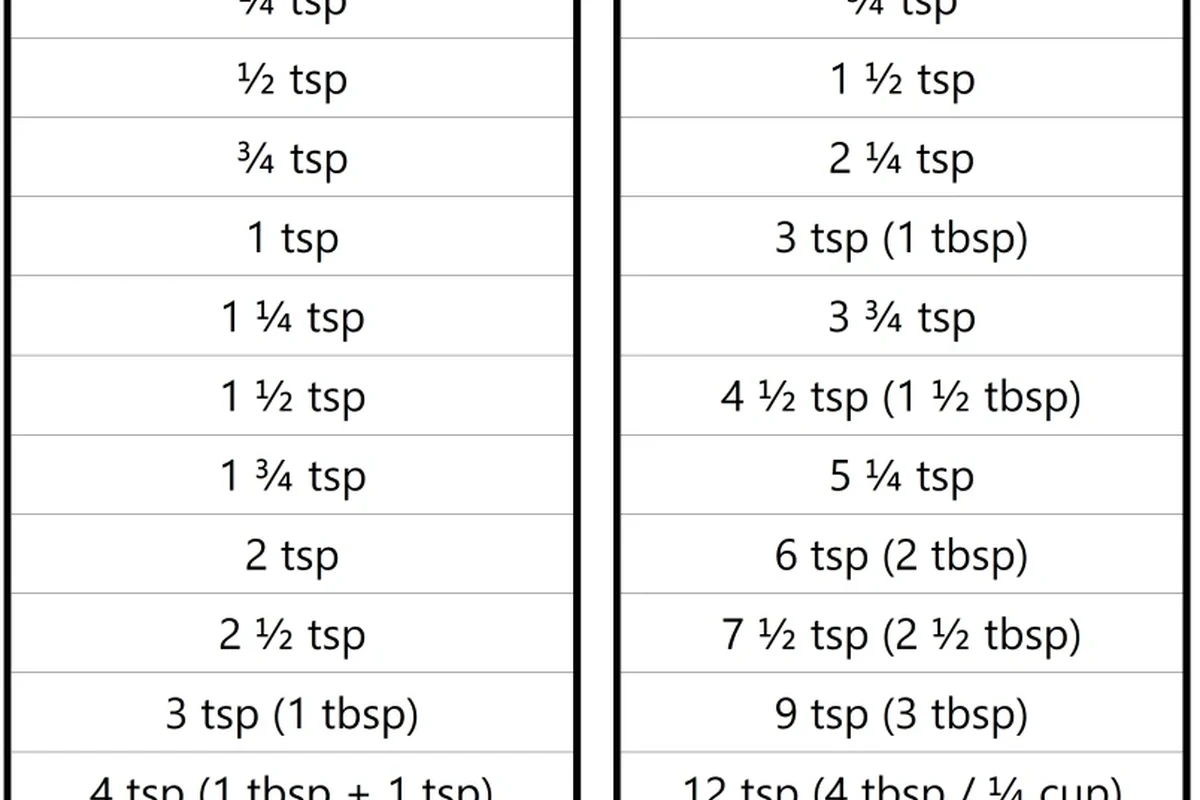
This conversion comes up when a recipe calls for baking soda but the baker only has baking powder, or when a recipe needs a little more lift without changing the formula too much. In home baking, this happens often with cookies, muffins, quick breads, and simple cakes, especially when the ingredient list is being adjusted on the fly.
Baking soda and baking powder are both chemical leaveners, but they do not behave the same way. Baking soda is pure sodium bicarbonate and needs an acid in the batter to react well, while baking powder already contains its own acid plus starch and sometimes two-stage acids for a more controlled rise.
That difference matters because leavening is not just about making batter puff up. It also affects spread, browning, crumb structure, and flavor balance, so a direct swap can change the final bake in noticeable ways.
Why this conversion comes up in home baking and pastry formulas
Many recipes are built around pantry ingredients that vary from kitchen to kitchen. A baker may have buttermilk, yogurt, lemon juice, molasses, cocoa, or brown sugar on hand, and those ingredients often work naturally with baking soda.
When the recipe is missing enough acid, or when the baker wants a simpler all-purpose leavener, baking powder may seem like the easier substitute. That is why people search for baking soda to baking powder conversions instead of rewriting the whole recipe.
The chemical difference between baking soda and baking powder
Baking soda needs an acid and moisture to make carbon dioxide gas. That gas expands in the oven and helps the batter rise.
Baking powder includes baking soda plus acid salts, so it can create lift even when the batter is not strongly acidic. Double-acting baking powders react once when mixed with liquid and again when heated, which is why they are common in many home recipes.
How leavening strength changes when you swap one for the other
Baking powder is less concentrated than baking soda because it is diluted with acid salts and starch. That means you need more baking powder to get the same leavening power from a smaller amount of baking soda.
Even then, the result is not identical. The batter may taste less sharp, brown differently, and rise with a softer structure because the chemistry is no longer the same.
Baking soda is much stronger by weight than baking powder, which is why a small measuring change can noticeably affect texture and flavor.
12 tsp Baking Soda to Baking Powder Conversion: The Math Behind the Swap
The title may look unusual, but the core idea is simple: if you are converting a small amount of baking soda to baking powder, you use a standard ratio and then check whether the recipe already has enough acid to support the change. For most home baking, the common starting point is about 3 parts baking powder for 1 part baking soda.
Standard substitution ratio used by bakers
A widely used rule of thumb is 1 teaspoon baking soda equals about 3 teaspoons baking powder. That is not a universal law, but it is a practical starting point for many recipes.
Because of that ratio, 1/2 teaspoon baking soda converts to about 1 1/2 teaspoons baking powder. If you are scaling a recipe, the same ratio applies whether you are working with a small batch or a larger one.
How to convert 1/2 teaspoon baking soda into baking powder accurately
To convert 1/2 teaspoon baking soda, multiply by three and use 1 1/2 teaspoons baking powder. Measure carefully, level the spoon, and avoid packing the powder down.
If the recipe is already balanced with acidic ingredients, you may still need to slightly reduce another acidic component or accept a flavor shift. In some cases, the better fix is not a direct swap but a small reformulation.
- Check whether the recipe contains buttermilk, yogurt, sour cream, vinegar, citrus, molasses, or natural cocoa.
- Confirm that your baking powder is fresh before increasing the amount.
- Review the recipe for salt, sugar, and acidic ingredients that may need adjustment.
Why the title ratio matters for scaling recipes up or down
Small measurement changes can matter more in pastry than in casual home cooking. If you double or triple a recipe, a tiny error in leavener can become a much bigger problem in the oven.
That is especially true for delicate cakes, scones, and muffins, where too much leavener can create tunnels, a coarse crumb, or a batter that rises and falls too quickly.
When the Conversion Works and When It Does Not
Not every recipe can be converted cleanly. The best results come when you understand why the original recipe used baking soda in the first place.
Recipes with acidic ingredients that support baking soda
Baking soda performs best when the recipe includes an acid that can neutralize it. Common examples include buttermilk, yogurt, sour cream, brown sugar, honey, molasses, lemon juice, vinegar, and natural unsweetened cocoa.
In those recipes, baking soda does more than leaven. It also helps with browning and can soften the flavor by neutralizing some of the acid.
Recipes that rely on baking powder for lift and neutral flavor
Baking powder is usually the better choice when a recipe needs lift without extra acidity. This is common in many vanilla cakes, biscuits, pancakes, and scones where a clean flavor is important.
If you use baking soda instead, the batter may taste soapy or metallic if there is not enough acid to balance it. The final crumb may also brown faster than expected.
Do not assume a recipe can be swapped 1:1 just because both products are called leaveners. If the batter lacks acid, baking soda may not work properly; if the formula is already acidic, too much baking powder can leave an off taste.
Why some pastries, cakes, and quick breads cannot be swapped 1:1
Pastry formulas are sensitive to balance. A scone dough, for example, may depend on a very specific rise pattern and tenderness level, while a cookie recipe may rely on soda for spread and browning control.
For more on the difference between the ingredients themselves, see using baking soda instead of baking powder safely. If you are still unsure which ingredient belongs in a formula, it also helps to review whether baking soda and baking powder are the same.
How the Swap Affects Flavor, Browning, and Texture
Changing leaveners changes more than height. It can alter how quickly the batter sets, how much it spreads, and how the crust colors in the oven.
Common taste changes after replacing baking soda with baking powder
Baking powder usually tastes milder than baking soda because it is designed to be more neutral in balanced recipes. That can be helpful in delicate cakes, but it may also make a cookie taste less complex if the original formula depended on soda for flavor balance.
If too much baking powder is used, the aftertaste can turn bitter, chalky, or slightly metallic. That is one of the clearest signs that the swap was too aggressive.
Changes in crumb structure, spread, and rise
Baking soda often encourages spread in cookies and helps create a more open, browned surface. Baking powder tends to produce a taller, softer, more cake-like crumb.
That means a direct swap can change a crisp cookie into a puffier one, or a tender muffin into something with an uneven rise. Oven temperature, pan color, and rack position can amplify those differences.
How excess baking powder can leave a bitter or metallic aftertaste
Baking powder contains its own acid salts, so using too much can push the batter out of balance. The result may be a dry mouthfeel, a harsh taste, or a crumb that looks inflated but feels weak.
That is why the 1/2 teaspoon baking soda to baking powder conversion should be treated as a guideline, not a guarantee. The rest of the recipe still decides whether the swap is appropriate.
Practical Kitchen Examples for Pastry and Baking Students
When you are learning pastry technique, the best way to understand leaveners is to connect them to real recipe behavior. The same conversion can be useful in one formula and disappointing in another.
Example: cookies that need spread control and browning
Many cookie formulas use baking soda to encourage spread and deeper browning. If you replace it with baking powder, the cookies may hold their shape more and look paler on the edges.
That may be fine if you want a thicker, softer cookie, but it is not ideal if the recipe depends on crisp edges or a caramelized finish. For ingredient behavior in non-baking uses, you can also compare this with baking soda and vinegar cleaning ovens, where the chemistry serves a very different purpose.
Example: muffins or quick breads with acidic dairy or fruit
Muffins made with buttermilk, yogurt, sour cream, applesauce, citrus, or berries often already have enough acid for baking soda to work well. In those recipes, switching to baking powder may reduce the tangy balance and change the way the batter rises.
If you must use baking powder, keep the conversion conservative and watch the batter closely. The top should dome gently, not burst or collapse.
Example: cakes and scones where the leavener choice changes the final crumb
Cakes and scones are especially sensitive because they depend on a specific crumb and tenderness. Baking powder usually gives a cleaner, more even rise, while baking soda can create more browning and a slightly coarser structure when acid is present.
In these recipes, even the size of the pan can matter. A shallow pan may bake faster and set sooner, which can make an over-leavened batter collapse before it finishes rising.
Ingredient brands, measuring style, oven calibration, humidity, and altitude can all affect the result. A recipe that works in one kitchen may need a small adjustment in another.
Common Mistakes When Converting Baking Soda to Baking Powder
Most conversion problems come from assuming the swap is simple. In reality, the amount is only one part of the decision.
Using the wrong ratio and over-leavening the batter
The most common mistake is using too much baking powder because it seems “weaker” than baking soda. But too much can make the batter rise too fast, then fall, leaving a coarse or sunken center.
When in doubt, start with the standard 3:1 ratio and avoid adding extra unless the recipe has been reformulated.
Ignoring acidic ingredients already in the formula
If a recipe already contains acid, the original baking soda may have been chosen to neutralize it. Replacing soda with powder can leave the batter too acidic, which can affect flavor and browning.
That is one reason a recipe with cocoa, buttermilk, or molasses should not be converted casually. The acid balance is part of the structure, not just the taste.
Confusing fresh leaveners with expired pantry ingredients
Sometimes the problem is not the conversion at all, but stale baking powder or old baking soda. If your leavener has lost strength, the recipe may seem like it needs a bigger substitution than it really does.
For a deeper pantry check, review how to tell when baking soda expires. Fresh ingredients make testing much more reliable.
When testing old leaveners, keep hot water and steam away from your hands and face. Use a clean spoon and avoid tasting raw batter that contains flour or eggs.
Troubleshooting Results After the Conversion
If the bake does not look right, the cause is often a combination of leavener balance, mixing method, and oven heat. A small change in one area can make the whole recipe behave differently.
Why baked goods may rise too fast, then collapse
This usually happens when there is too much leavener or when the batter is too weak to hold the gas it creates. Overmixing can also add too much air early and then damage the structure before baking.
If this happens, reduce the leavener next time, check oven temperature with a reliable thermometer if you have one, and make sure the batter is not sitting too long before baking.
The top rises quickly, then sinks in the middle.
Use less baking powder, mix only until combined, and verify that the oven is fully preheated before the pan goes in.
What to adjust if the flavor turns flat, salty, or soapy
A flat flavor can mean the recipe needs a little more acid or a different leavener choice. A soapy or metallic taste often means too much baking powder or too much baking soda without enough acid to balance it.
Saltiness can sometimes be mistaken for leavener imbalance, especially in low-sugar recipes. Compare the full formula before making another change.
How to test leavener freshness before rewriting a recipe
Freshness checks are simple and useful. Baking soda should fizz strongly when added to a little vinegar or another acid, while baking powder should bubble in hot water if it is still active.
If the reaction is weak, replace the ingredient before changing the recipe itself. That prevents you from correcting the wrong problem.
Final Decision: Should You Replace 1/2 tsp Baking Soda with Baking Powder?
For many recipes, yes, you can replace 1/2 teaspoon baking soda with about 1 1/2 teaspoons baking powder. But the swap works best only when the recipe can handle the extra acid salts, the extra volume, and the flavor change.
Best-use recap for home bakers and pastry students
This conversion is most useful when you need a practical pantry substitution and the recipe is not heavily dependent on soda’s browning and acid-neutralizing effects. It is also useful when you want a gentler, more neutral rise in a cake-style batter.
It is less useful when the original formula uses baking soda to control spread, deepen color, or balance a strongly acidic ingredient list.
When to keep the original formula and when to reformulate
Keep the original formula if the recipe already has a clear acid-soda balance and the texture matters a lot. Reformulate if you are developing a new recipe, scaling a formula for class work, or correcting a batter that has already shown weak rise or off flavor.
If you are learning how substitutions affect structure, it may help to compare the ingredient role with equivalent baking soda guidance and then decide whether the recipe needs a simple swap or a full adjustment.
Safe, practical next steps before baking the full batch
Before committing to the whole recipe, make a small test batch if possible. Watch the batter thickness, the oven spring, and the final color, then note whether the crumb feels tender, dry, or overly airy.
That small test is often the fastest way to judge whether the 1/2 tsp baking soda to baking powder conversion is working for your recipe. In baking, the best answer is not just the right number, but the right result in the pan.
- Easy pantry swap when baking soda is unavailable
- Can create a milder, more neutral flavor
- Often works well in cake-style batters and some muffins
- May change spread, browning, and crumb
- Can leave a bitter taste if overused
- Not suitable for every acidic recipe
For pastry students and home bakers, the safest approach is to treat this as a formula decision, not just a spoon measurement. If the recipe depends on acid, browning, or a very specific texture, keep the original leavener or reformulate with care.
Frequently Asked Questions
A common rule is 3 parts baking powder for 1 part baking soda. That means 1/2 teaspoon baking soda is about 1 1/2 teaspoons baking powder.
No, not always. The swap works best when the recipe does not rely heavily on baking soda for acidity balance, browning, or spread.
Too much baking powder can leave a bitter, metallic, or chalky aftertaste. This usually means the batter needed a smaller amount or a different leavener balance.
Those ingredients are acidic and often work well with baking soda. If you switch to baking powder, the flavor and rise may change because the acid balance changes too.
Fresh baking powder should bubble when mixed with hot water. If the reaction is weak, replace it before changing the recipe.
Yes, it often does. Cookies may spread less, rise more, and taste slightly milder when baking powder replaces baking soda.