
How to Make Slime with Baking Soda and Shampoo Easily

Slime with baking soda and shampoo can work, but the result depends on the shampoo brand and how slowly you add the baking soda. Start small, mix carefully, and stop once the texture turns soft and cohesive.
Slime with baking soda and shampoo is a simple DIY activity that can be fun, messy, and a little unpredictable. The result depends heavily on the shampoo formula, the amount of baking soda, and how slowly you mix.
- Best starting point: Use a thick shampoo and add baking soda a little at a time.
- Main risk: Too much baking soda can make the batch dry, grainy, or rubbery.
- Texture control: Let the mixture rest briefly before deciding whether to add more ingredients.
- Safety first: Keep the mixture away from eyes, mouths, and food-prep surfaces.
What “Slime with Baking Soda and Shampoo” Actually Means in 2026
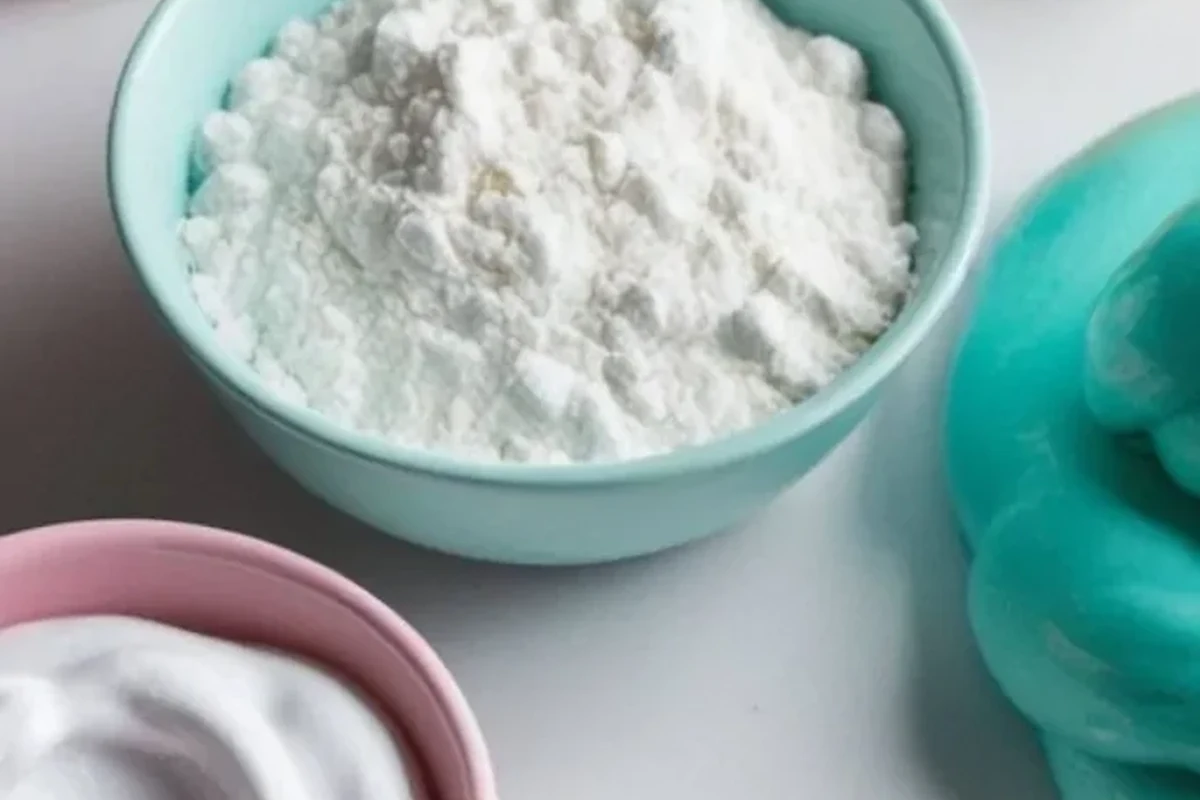
This phrase usually refers to a no-glue, no-borax homemade slime-style mixture made from thick shampoo and baking soda. It is not the same as classic school slime, which often uses glue and an activator, and it does not always behave the same way from one brand to the next.
In practice, the mixture may become stretchy, putty-like, or just thick and foamy. That variability is normal, because shampoo is a blended cosmetic product, not a standardized slime base.
Why this DIY slime formula is still searched
People still search for this method because it uses common household ingredients and looks easy to try. It also appeals to parents, teachers, and beginners who want a low-cost activity without special supplies.
Another reason is that the texture can change quickly, which makes it feel like a kitchen science experiment. If you enjoy simple ingredient reactions, you may also find our guide to the baking soda and vinegar reaction helpful for understanding how small formula changes create very different results.
How shampoo type, baking soda, and add-ins change the texture
Thicker shampoos usually produce a more cohesive mixture because they already contain more body. Thin, watery shampoos tend to stay loose unless you add a lot of baking soda, which can push the batch into a gritty or stiff texture instead of a smooth slime.
Add-ins matter too. A little lotion can soften the feel, while cornstarch can make the mixture more dough-like. Food coloring changes appearance, but it does not improve structure.
Baking soda works here more like a texture helper than a true slime activator. The final feel depends on how the shampoo’s thickeners, surfactants, and water content interact with the powder.
Ingredients, Ratios, and What Each One Does
There is no universal ratio that works with every shampoo. A practical starting point is a small batch: a few spoonfuls of shampoo with baking soda added gradually until the mixture thickens.
Because shampoo brands vary, think in terms of texture instead of exact volume. You want a mixture that gathers into a soft mass before you decide whether to add more powder.
Choosing the right shampoo: thick, gel, or 2-in-1 formulas
Thick, creamy, or gel-style shampoos are usually the best starting point. They already have more viscosity, so the mixture has a better chance of holding together.
Two-in-one products can work, but they often contain conditioners that make the batch slippery or overly soft. Very runny shampoos are the least reliable choice because they need too much baking soda to build structure.
If you are comparing shampoos, look for a formula that feels dense in the bottle and pours slowly. That does not guarantee slime success, but it usually gives you a better starting texture than a thin, highly diluted shampoo.
Why baking soda is used and how much is too much
Baking soda can help the mixture firm up by changing how the liquid and surfactants behave together. Added slowly, it can move the batch from foamy and loose to thicker and more moldable.
Too much baking soda is a common mistake. Once the powder overwhelms the shampoo, the mixture often turns dry, chalky, grainy, or rubbery instead of stretchy.
Optional mix-ins: glitter, lotion, food coloring, and cornstarch
Glitter is the easiest add-in if you want a visual effect without changing the chemistry too much. Food coloring is also cosmetic only, though it can stain hands and surfaces if used heavily.
Lotion can make the slime feel softer and less tacky, but too much can break the structure. Cornstarch can help if the batch is too loose, though it may create a more dough-like result than a true slime stretch.
Step-by-Step Method for Making Slime with Baking Soda and Shampoo
The best approach is to start small and build slowly. This gives you more control and makes it easier to stop before the batch becomes too stiff.
- Choose a thick shampoo if possible
- Use a clean bowl and dry spoon
- Measure small amounts first
- Keep paper towels nearby for cleanup
Mixing order for the smoothest result
Pour shampoo into the bowl first, then add baking soda a little at a time. Stir after each addition so the powder has a chance to dissolve or disperse before you decide whether you need more.
If you add too much powder at once, it is harder to correct the texture. Slow mixing also reduces clumps, which is especially important if your shampoo is thick to begin with.
Start with a small amount of shampoo in a bowl so you can judge the texture as you go.
Add a small pinch or spoonful, then stir well before adding more.
Let the mixture sit briefly, then test whether it clumps, stretches, or still runs.
Add tiny amounts of shampoo if it is too stiff, or a little more baking soda if it is too loose.
How to adjust the batch if it is too sticky or too runny
If the slime is too sticky, add baking soda very gradually and mix thoroughly. If it is too runny, let it sit for a minute before adding more powder, because some shampoos thicken slightly after resting.
If the mixture becomes too stiff, add a small dab of shampoo or a tiny amount of lotion to loosen it. Do this in very small amounts so you do not turn the batch back into a liquid.
Signs the slime has reached the right stretch and hold
The mixture should lift from the bowl in one soft mass instead of dripping like a sauce. It may still be a little tacky, but it should hold together long enough to stretch and fold.
A good batch usually feels smooth between the fingers, not sandy or crumbly. If it snaps immediately or crumbles, it has likely crossed into too-dry territory.
Texture Troubleshooting and Common Mistakes
Most problems come from ingredient mismatch, not from technique alone. A shampoo that works well for one person may fail completely for another because the formula is different.
Why some shampoo brands fail to form slime
Some shampoos are too watery, too low in thickeners, or too heavily conditioned to make a stable mixture. Others contain ingredients that make the batch slippery instead of cohesive.
If your first try fails, do not assume you did something wrong. The product itself may simply be a poor match for this method, which is why this recipe behaves more like a formula test than a fixed baking recipe.
The mixture stays thin even after adding baking soda.
The shampoo may be too diluted. Try a thicker brand, or switch to a different slime recipe that uses glue or starch for more predictable structure.
What happens when you add too much baking soda
Excess baking soda can absorb too much moisture and leave the batch dry at the edges while the center stays uneven. That is when the texture starts to look clumpy, chalky, or broken.
At that point, more mixing usually does not help. You need to reintroduce a little shampoo or start over with a smaller amount of powder.
How to fix grainy, clumpy, or rubbery slime
Grainy slime usually means the baking soda was not fully incorporated or the batch is overloaded with powder. Clumpy slime often needs slower stirring and a short rest so the ingredients can combine more evenly.
Rubbery slime is usually a sign that the mixture became too dry and compact. Add a tiny amount of shampoo and knead gently until the texture relaxes, but stop before it turns sticky again.
This is a craft mixture, not food. Do not eat it, and keep it away from mouths, eyes, and very young children who may put it in their mouths.
Safety, Supervision, and Cleanup for Home Use
Even simple DIY projects deserve basic safety habits. Shampoo can irritate sensitive skin, and baking soda can dry hands if you handle the mixture for a long time.
Skin, eye, and scent sensitivity considerations
Some shampoos contain fragrance, dyes, or conditioning agents that can bother sensitive skin. If anyone in the household has known sensitivities, choose a milder product and avoid heavily scented formulas.
Keep the mixture away from eyes, and wash hands after play. If irritation occurs, stop using the batch and rinse the skin with plenty of water.
Use this project on a washable surface and never near food-prep areas. If children are involved, supervise closely so the mixture does not end up in mouths, sinks, or drains.
Safe handling for kids and classroom settings
For children, keep the batch small and the rules simple: no tasting, no rubbing eyes, and no throwing the slime. In a classroom, it helps to assign one bowl per group so ingredients do not get mixed with unrelated materials.
Teachers should also check for fragrance or skin sensitivity concerns before starting. If you need a broader classroom-safe cleaning reference for baking soda use, our article on baking soda for shoes cleaning shows how the ingredient is often used in non-food settings.
How to clean bowls, counters, and hands after making slime
Wipe up leftovers while the mixture is still fresh, because dried slime is harder to remove. Warm water and a mild dish soap usually work well on bowls and utensils.
For counters, lift the residue with a damp cloth first, then wash the area normally. If the batch includes strong coloring, rinse promptly to reduce staining.
Storage, Lifespan, and Reuse Tips
Homemade slime made with shampoo and baking soda does not usually last as long as store-bought slime. It can dry out, separate, or change texture after a short time, especially if exposed to air.
How to store homemade slime so it stays usable longer
Store the slime in an airtight container or a sealed zip bag after each use. Press out excess air to slow drying and keep it away from direct sunlight or heat.
If the batch is already very soft, line the container with a small piece of plastic wrap before sealing. That can help reduce surface drying, though it will not preserve the texture forever.
When to discard slime because of smell, mold, or texture breakdown
Throw the slime away if it develops a sour smell, visible mold, or a sticky breakdown that does not improve with gentle mixing. Since shampoo is a personal-care product, contamination can happen faster than people expect if the batch is handled often.
If the texture turns slimy in a bad way, separates, or becomes unpleasant to touch, it is usually better to make a fresh batch than to keep adjusting it.
Ways to refresh dried-out slime without starting over
If the slime has dried slightly, knead in a tiny amount of shampoo or a drop of water at a time. Work slowly, because too much liquid can undo the structure.
If it feels stiff but not ruined, a small amount of lotion may improve stretch and reduce cracking. Keep the additions minimal so the batch does not become greasy or overly soft.
Is This the Best Slime Method for You? Final Verdict and Practical Uses
Slime with baking soda and shampoo is best viewed as a quick, experimental craft rather than a precise recipe. It can be fun when the ingredients cooperate, but the results are less predictable than more standard slime methods.
- Uses common household ingredients
- Fast to mix and easy to test
- Good for short craft sessions
- Texture varies by shampoo brand
- Can become grainy or rubbery
- Usually does not store as well as other slime types
Best use cases for baking soda and shampoo slime
This method works best for casual play, quick sensory activities, and simple at-home experiments. It is also useful when you want to test how ingredient ratios affect texture without buying specialty supplies.
If you already enjoy ingredient-based problem solving, you may also like reading about whether baking soda can replace baking powder safely, since both topics rely on understanding how one ingredient changes the behavior of another.
When to choose a different slime recipe instead
Choose a different recipe if you need a more reliable stretch, a longer storage life, or a batch that behaves the same every time. Glue-based or starch-based recipes are usually easier to standardize.
If your household has fragrance sensitivity or you want to avoid personal-care products in crafts, another slime method may be the better fit. The right choice depends on your goal, not just on convenience.
Recap: what works, what does not, and what to try next
The formula works best when you start with a thick shampoo, add baking soda slowly, and stop as soon as the mixture becomes soft and cohesive. It works poorly when the shampoo is too thin, the powder is added too fast, or the batch is pushed past the point of smoothness.
For the most practical result, treat this as a small-batch experiment. If you want a more predictable texture next time, compare it with a different no-borax recipe or a classic glue-based slime approach.
Slime with baking soda and shampoo can be a fun, low-cost craft, but it depends heavily on the shampoo formula and careful mixing. Start small, add baking soda gradually, and be ready to switch recipes if the texture stays thin or turns grainy.
Frequently Asked Questions
Thick, gel-like shampoos usually work better than thin formulas. Two-in-one products may be too slippery or soft, so test a small batch first.
Start with a small amount and add it gradually until the mixture thickens. There is no universal ratio because shampoo brands vary a lot.
That usually means too much baking soda was added or it was not mixed in evenly. Add a little shampoo and stir slowly to smooth it out.
Yes, both can be used for appearance. They do not improve texture, and food coloring may stain hands or surfaces if used heavily.
Keep it in an airtight container or sealed bag and store it away from heat and sunlight. It may still dry out or change texture over time.
It should be supervised closely and kept away from mouths and eyes. Check for skin or fragrance sensitivities before use, and wash hands after play.