
Baking Soda Odor Removal Carpet Tips That Really Work
Baking soda can help remove carpet odors when the smell is on the surface and the carpet is dry. For deep pet, smoke, or musty odors, it works best as part of a larger cleaning plan.
If you are dealing with a lingering carpet smell, baking soda can be a simple first step that often helps. It works best on surface odors and light buildup, especially when you apply it correctly and give it enough time to do the job.
- Best use: Lightly deodorizing dry carpet after the source has been cleaned.
- Most effective on: Pet smells, smoke, stale air, and mild food odors.
- Main limit: It will not fix deep odor in padding or subfloor.
- Success factor: Even application, long enough dwell time, and slow vacuuming.
Why Baking Soda Works on Carpet Odors: The Science Behind the Fix
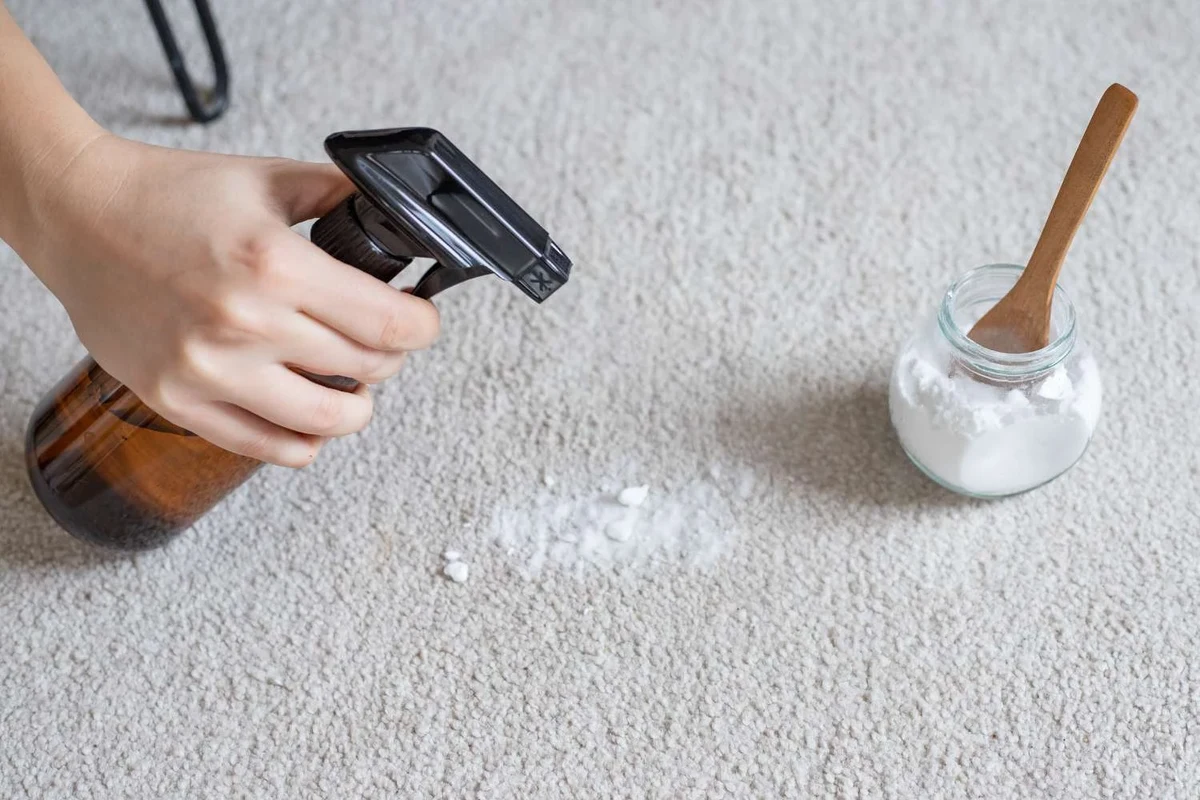
Baking soda is useful for carpet odor removal because it helps neutralize some odor compounds and can also absorb moisture at the surface. Carpet fibers hold onto smells because they trap tiny particles, oils, and humidity, so a dry deodorizer can make a noticeable difference when the odor source is not too deep.
This is why the method is common in quick refresh routines, much like the approach covered in our baking soda carpet refresh guide. The key is understanding that baking soda is a deodorizing aid, not a miracle fix for every smell.
What baking soda actually absorbs in carpet fibers
Baking soda does not “clean” carpet the way a shampooer does. Instead, it helps trap and reduce some of the acidic or odor-causing particles that cling to carpet fibers, dust, and light surface moisture.
That matters because odors often ride along with residue from spills, pet accidents, smoke, and damp air. When the powder sits long enough, it can pull in some of that unwanted smell before you vacuum it away.
Baking soda works best when the carpet is dry. If the area is still wet, the powder can clump and become harder to remove evenly.
Which odors it helps most: pet smells, smoke, mustiness, and food spills
Baking soda tends to help most with light to moderate odors from pets, smoke, stale air, and food spills that have already been cleaned up. It can also reduce the “closed room” smell that builds up in guest rooms, apartments, and basements.
For smoke-related jobs, it can be helpful alongside other odor-control steps, which is why many readers also look at our baking soda for smoke odors guide. Still, if the smell comes from deep contamination, you may need a stronger treatment than dry deodorizing alone.
When Baking Soda Is the Right Choice for Carpet Odor Removal
The best time to use baking soda is when the odor is fresh, the carpet is mostly dry, and the smell seems to live in the fibers rather than deep in the pad. It is a practical choice for routine deodorizing, especially between deeper cleanings.
It is less effective when the problem has soaked into the carpet backing, padding, or subfloor. In those cases, the smell may return even after a thorough vacuum.
Fresh odors versus deep-set odors in padding and subfloor
Fresh odors usually sit near the surface. Deep-set odors travel downward, which can happen after repeated pet accidents, flooding, or long-term moisture.
If the smell gets stronger when the room is warm or humid, that often suggests the odor source is deeper than the fibers. Baking soda can still help as part of the process, but it will rarely solve a padding problem on its own.
Carpet types and situations where baking soda performs best
Baking soda usually performs best on standard synthetic wall-to-wall carpet, low-pile carpet, and area rugs that can be vacuumed thoroughly. It also works well in places that need regular freshening, such as bedrooms, hallways, and living rooms.
It is a good fit when you want a low-cost, low-effort first pass before moving to stronger methods. If you are comparing odor-control uses across the home, our baking soda in laundry benefits article shows how the same ingredient can help in other fabric-based cleaning tasks.
Signs you may need professional cleaning instead
If the carpet smells sour, urine-like, moldy, or smoky even after repeated treatment, the odor source may be deeper than the surface. Stains that reappear, damp underpadding, and visible water damage are also warning signs.
Persistent musty odors can point to hidden moisture or mold. If you suspect water damage or contamination, address the source first and follow appropriate safety guidance before continuing with dry deodorizing.
Step-by-Step Baking Soda Odor Removal Carpet Method That Works
For best results, start with dry carpet and a clean vacuum. The goal is to coat the odor area lightly and evenly, not to bury the carpet under a thick layer of powder.
Think of it as a controlled treatment, not a dump-and-wait job. Even coverage and enough dwell time make a bigger difference than piling on extra product.
How much baking soda to use per room or square foot
There is no single exact amount that fits every carpet, because pile height, odor strength, and room size all change the result. As a general starting point, use a light, visible dusting over the affected area rather than a heavy blanket.
For a small room or one odor patch, begin with enough to lightly coat the area and add more only if needed. If you cannot see the carpet texture at all, you may be using too much.
Best way to apply it evenly without overloading the carpet
Sprinkle baking soda from a shaker, sieve, or your hand held low over the carpet so the powder falls in a thin layer. Then use a soft brush or broom to work it gently into the top of the fibers.
This helps the powder contact more of the odor source without compacting it into the pile. Avoid rubbing hard, since that can push residue deeper than necessary.
Work in sections. Smaller zones are easier to cover evenly, and they keep you from missing corners, edges, and the area under furniture legs.
How long to let it sit for stronger odor control
Short sit times may help with a light refresh, but stronger odors usually need more contact time. In many homes, several hours is better than a quick 15-minute pass, and overnight treatment can improve results when the carpet is dry and safe to leave alone.
Longer dwell time gives the powder more opportunity to interact with trapped odors. If the room is humid, keep in mind that moisture can reduce performance.
Vacuuming technique that removes residue thoroughly
Vacuum slowly and in overlapping passes. A rushed pass can leave powder behind, especially in dense or high-pile carpet.
For best cleanup, vacuum from multiple directions and empty the canister or replace the bag if suction drops. If any white residue remains, repeat a light vacuum pass instead of adding more baking soda right away.
- Make sure the carpet is dry to the touch
- Test a small hidden area if the carpet is delicate
- Clear loose debris with a first vacuum pass
- Plan enough time for full dwell and cleanup
Improving Results With Safe Add-Ons and Targeted Spot Treatment
Baking soda works better when you treat the source of the smell, not just the air around it. For stains, spills, and pet accidents, a targeted pre-treatment often improves the final result.
Use add-ons carefully. Some combinations are useful, but mixing products without a plan can leave residue or reduce the cleaning effect.
When to pair baking soda with vinegar, enzyme cleaners, or mild detergents
For pet accidents, enzyme cleaners are often the better first choice because they are designed to break down the organic residue that causes odor. Vinegar can help with some smells and mineral residue, but it is not a universal fix and should be used with care on carpet fibers.
If you want to understand the chemistry behind that reaction, see our baking soda and vinegar reaction article. In practice, do not rely on fizz alone to clean carpet; the bubbling is not the same thing as deep odor removal.
Pre-treating pet accidents and food stains before deodorizing
Blot fresh spills first. For pet accidents, remove as much liquid as possible with a clean cloth before using a cleaner made for that type of stain.
Food spills with oils, dairy, or sugar can leave residue that baking soda alone will not fully remove. Clean the spot first, let it dry completely, and then use baking soda as the finishing deodorizer.
Using baking soda on rugs, runners, and upholstered edges near carpet
Odors often spread beyond the main carpet area. Rugs, runners, and the lower edges of upholstered furniture can hold smell and make a room feel less fresh even after the carpet is treated.
You can use the same dry deodorizing approach on most rugs and fabric edges, but always check care labels and test a hidden spot first. If a rug has a fragile backing or a dark dye that transfers, use a lighter application.
If you are treating a room with mixed surfaces, finish the carpet first and then move to nearby soft furnishings. That helps you avoid tracking powder from one area to another.
Common Mistakes That Make Carpet Odor Removal Less Effective
Most failures happen because the treatment is too light, too rushed, or aimed at the wrong problem. Baking soda is simple to use, but simple does not mean careless.
If the odor remains after one pass, that does not automatically mean the product failed. It may mean the source was deeper, the carpet was damp, or the powder never stayed in contact long enough.
Using too little baking soda or vacuuming too soon
A thin dusting that barely touches the fibers may not absorb enough odor to matter. On the other hand, vacuuming after only a few minutes can remove the powder before it has time to work.
The carpet still smells the same after treatment.
Increase contact time, apply a more even light layer, and make sure the odor source has been cleaned before deodorizing.
Leaving moisture trapped under the carpet
If moisture is trapped in the pad or backing, baking soda can only do so much. In fact, powder on top of a damp area may hide the problem for a while without solving it.
Use fans, ventilation, or a dehumidifier when needed, and do not seal in dampness with rugs or furniture before the area is fully dry.
Mixing products that cancel each other out or create residue
Using too many cleaners at once can leave sticky residue, especially if you combine powders, soaps, and liquids without rinsing. That residue can attract dirt and make the carpet smell worse later.
Keep the method simple: clean the spot, dry it, deodorize it, and then vacuum thoroughly. If you want a deeper clean, use one compatible method at a time rather than stacking several products together.
Ignoring the source of the odor and only masking the smell
Odor can return if the source remains in the carpet pad, furniture base, or nearby wall. This is especially common with pet urine and old spills.
For recurring smells, follow the trail instead of repeating the same surface treatment forever. If the room smells better for an hour and then turns stale again, that is a clue the source is still active.
- Clean the spill or accident first
- Let the carpet dry fully before deodorizing
- Use slow, thorough vacuum passes
- Soaking the carpet with too many liquids
- Vacuuming before the powder has time to work
- Assuming one treatment solves deep contamination
Safety, Carpet Care, and Cleaning Limits to Know Before You Start
Baking soda is generally a low-risk household product, but carpet fibers, dyes, and vacuum systems can still create problems if you use too much or use it the wrong way. A little caution protects both the floor and the machine.
As with any home-cleaning task, follow the carpet manufacturer’s care instructions when available. If you are unsure about a stain-sensitive material, test first.
Testing on delicate fibers, dark carpets, and stain-sensitive materials
Some carpets have delicate finishes or dyes that can show residue more easily. Dark carpet, patterned carpet, and natural fibers may need a smaller test area before full treatment.
If the vacuum leaves a pale cast or the carpet feels chalky afterward, reduce the amount next time and brush more lightly. The goal is freshening, not visible powder buildup.
Keeping pets and children safe during treatment and cleanup
Keep children and pets off the treated area until the powder has been vacuumed up. This matters even more if you are also using liquid spot cleaners or enzyme products nearby.
Even though this is a cleaning task, the same safety habit applies: store powders and cleaners out of reach, and ventilate the room if you are using any liquid product with a strong odor.
When repeated use can affect carpet texture or vacuum filters
Frequent heavy use can leave fine residue in carpet pile and may clog vacuum filters faster. That can reduce suction and make cleanup less effective over time.
If you deodorize often, use smaller amounts and clean the vacuum filter according to the manufacturer’s instructions. Repeated powder use should be a maintenance habit, not a replacement for actual cleaning.
- Low-cost and easy to use
- Helps with surface odors and light freshness
- Works without adding much moisture
- Limited on deep-set odors
- Can leave residue if overused
- Not a substitute for stain removal or deep cleaning
Practical Examples for Real-World Odor Problems in 2026 Homes
Different homes need different approaches, even when the basic ingredient stays the same. The best method depends on whether the smell is fresh, recurring, or tied to moisture.
Apartment smoke odor after a short-term rental turnover
In a rental or apartment, smoke smell often lingers in carpet, curtains, and soft furniture. Baking soda can help reduce the surface odor quickly, especially when used after a full airing-out and a thorough vacuum.
For faster turnover cleaning, pair it with strong ventilation and a careful pass over the carpet edges, where odor often collects. If the smell is strong enough to linger after multiple treatments, deeper cleaning may be necessary before the next guest arrives.
Pet urine odor in a family room with older carpeting
Older carpet can hold pet odor more stubbornly because the fibers and padding have had more time to absorb residue. Baking soda may improve the room smell, but it rarely fixes old urine odor by itself.
Start with an enzyme cleaner on the affected spot, let it dry, then use baking soda as a finishing deodorizer. If the smell returns on warm days, the pad may need professional attention.
Musty basement carpet after humidity or minor water exposure
Basement carpet often smells musty because the air itself is damp. Baking soda can help with the surface odor, but humidity control is the real long-term fix.
Use a dehumidifier, improve airflow, and make sure the carpet and pad are fully dry before deodorizing. If you suspect hidden moisture or mold, stop relying on powder alone and investigate the source.
Final Verdict: How to Use Baking Soda for Carpet Odor Removal the Smart Way
Baking soda is a smart first-line option for carpet odor removal when the smell is light to moderate, the carpet is dry, and the source has already been cleaned as much as possible. It is especially useful for quick refreshes, routine maintenance, and mild pet, smoke, or stale-air odors.
Use it as part of a process, not as a shortcut. If the smell keeps coming back, repeat the treatment once with better coverage and more dwell time, then escalate to deep cleaning or professional help if the odor is still trapped in the pad or subfloor.
For most homes, baking soda is worth trying first because it is simple, inexpensive, and effective for surface odors when used correctly. For recurring, musty, or urine-like smells, treat the source, not just the carpet top, and move to deeper cleaning when needed.
Frequently Asked Questions
Several hours is usually better than a quick pass, and overnight can help with stronger smells if the carpet is dry. The longer it stays in contact with the fibers, the better it can reduce surface odors.
Yes, but it works best after you first clean the spot with an enzyme cleaner made for pet accidents. Baking soda is helpful as a deodorizing finish, but it may not remove deep urine odor by itself.
It usually does not damage standard carpet when used lightly and vacuumed thoroughly. Delicate fibers, dark carpet, and stain-sensitive materials should be spot-tested first.
Use a light, even layer that covers the odor area without burying the pile. If the carpet texture disappears under the powder, you likely used too much.
The odor may be deep in the padding, the carpet may still be damp, or the source may not have been cleaned first. In those cases, baking soda can help only a little and deeper cleaning may be needed.
You can use them in a cleaning plan, but the fizz itself does not clean deeply. For carpet, it is usually better to use one product at a time and avoid leaving extra moisture behind.
