
Baking Soda Hair Rinse Benefits for Healthier Hair
A baking soda hair rinse may remove buildup and make hair feel lighter, but it is often too harsh for regular use. It is best treated as an occasional DIY option, not a replacement for a gentle shampoo or clarifying treatment.
A baking soda hair rinse is one of those DIY beauty ideas that keeps coming back because it promises a quick, low-cost reset for dull or heavy hair. It may help remove buildup in some cases, but it also comes with real limits, especially if your hair is dry, color-treated, or easily irritated.
- Best use: Occasional buildup removal on resilient hair.
- Main risk: High alkalinity can dry hair and irritate the scalp.
- Safer choice: Clarifying or chelating shampoo is usually more predictable.
- Hair type matters: Dry, curly, color-treated, or damaged hair may react poorly.
What a Baking Soda Hair Rinse Is and Why People Still Search for It in 2026
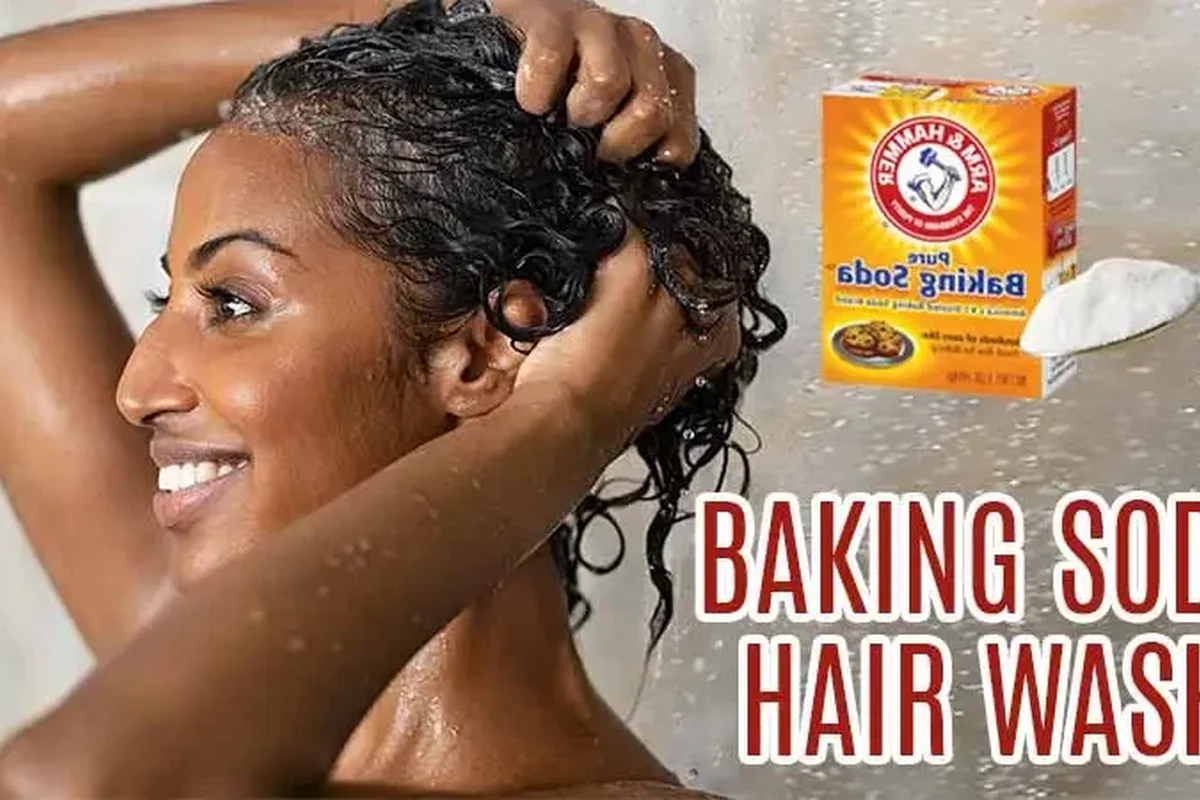
A baking soda hair rinse is usually a diluted mixture of baking soda and water applied to the scalp and hair, then rinsed out. It is not the same as a standard shampoo, which is formulated with surfactants that lift oil and dirt more gently and predictably.
It also differs from clarifying treatments and apple cider vinegar routines. Clarifying shampoos are designed to remove buildup with a controlled formula, while vinegar-based rinses are more acidic and are often used by people who want a different feel after cleansing; if you want a broader look at that pairing, see our guide on apple cider vinegar and baking soda uses.
How the rinse differs from shampoo, clarifying treatments, and apple cider vinegar routines
Shampoo works by combining cleansing agents, water, and friction to move oils off the hair shaft. Baking soda does not behave like shampoo, so it can feel more like a strong reset than an everyday cleanser.
Compared with a clarifying shampoo, a baking soda rinse is less standardized. That means results can vary a lot based on how much you mix, how long it stays on, and how your hair responds.
Why search interest persists: buildup removal, scalp feel, and low-cost DIY care
People still search for baking soda hair rinse because they want an inexpensive way to strip away styling products, sweat, or hard-water residue. Some also like the squeaky-clean scalp feel it can create after a heavy product week.
That said, “cleaner” does not always mean “healthier.” Hair is more like a delicate fiber than a hard surface, so a strong DIY cleanser can solve one problem while creating another.
Potential Benefits for Hair and Scalp: What the Rinse May Help With
Used carefully, baking soda may help loosen residue that regular washing sometimes leaves behind. The most common reason people try it is to get a lighter, less coated feel at the roots.
Hair cuticles lie flatter when hair is healthy and properly conditioned. Strongly alkaline products can make the outer layer lift, which is one reason a rinse may feel effective at first but rough later.
Removing product buildup, excess oils, and hard-water residue
Baking soda may help loosen styling product buildup, especially if you use dry shampoo, gels, creams, or hairsprays often. It can also be useful for some people dealing with hard water, where minerals leave hair feeling coated or dull.
This is similar in spirit to other cleaning uses around the home, where baking soda is chosen for its mild abrasive and deodorizing qualities. For example, readers who like practical household uses may also find our article on baking soda in laundry benefits helpful for understanding why it is used in cleaning routines.
Temporary volume, lighter texture, and cleaner-feeling roots
After buildup is removed, fine hair may look fuller and feel less weighed down. Roots can seem cleaner because oils and residue are reduced, which may make blow-drying or styling easier for a short time.
The effect is usually temporary. If your hair is naturally dry, porous, or curly, that same “lighter” feeling can quickly turn into roughness or frizz.
Where results vary by hair type, scalp condition, and styling habits
Results depend on how often you wash, how much product you use, and whether your water is soft or hard. Hair that is frequently heat-styled or chemically processed often reacts more negatively because the fiber is already stressed.
Scalp condition matters too. A scalp that is sensitive, flaky, or inflamed may not tolerate a high-pH rinse well, even if the hair itself seems fine.
- May remove stubborn buildup
- Can leave roots feeling lighter
- Low-cost and easy to mix
- Can be too harsh for many hair types
- May cause dryness or frizz
- Results are inconsistent
Risks, Side Effects, and When Baking Soda Is Too Harsh
The biggest concern with baking soda is its high alkalinity. Hair and scalp naturally do better in a more acidic environment, so a strong alkaline rinse can disturb the cuticle and moisture balance.
Why high alkalinity can disrupt the hair cuticle and moisture balance
When the cuticle lifts, hair can lose moisture more easily and feel rougher to the touch. That roughness is often what people describe as “stripped” hair: less slip, more tangles, and a weaker-looking finish.
In kitchen terms, think of it like overworking a delicate dough. The structure may still be there, but the texture gets less forgiving when the balance is pushed too far.
Common problems: dryness, frizz, breakage, color fading, and scalp irritation
Common side effects include dryness, frizz, and increased tangling. If hair is already fragile, that extra stress can contribute to breakage during brushing or styling.
Color-treated hair may fade faster, and highlighted or chemically relaxed hair can be especially vulnerable. If your scalp stings, feels tight, or becomes itchy after use, that is a sign to stop rather than “push through.”
A baking soda hair rinse is not a substitute for medical treatment. If you have persistent scalp redness, scaling, pain, or hair loss, check with a dermatologist or another qualified clinician rather than continuing DIY treatments.
Who should avoid it or use extra caution, including color-treated and chemically processed hair
Use extra caution if your hair is bleached, permed, relaxed, recently colored, or heat-damaged. Those hair types often have a more fragile cuticle and less moisture reserve.
People with eczema, psoriasis, or a known sensitive scalp should be especially careful. When in doubt, a gentler clarifying shampoo is usually the safer first choice.
How to Use a Baking Soda Hair Rinse Safely
If you decide to try it, keep the mixture mild and use it sparingly. Stronger is not better here; concentration is the main factor that makes the rinse harsher.
Typical dilution ranges, water temperature, and why stronger is not better
A common starting point is a small amount of baking soda diluted in water, not a thick paste. Lukewarm water is usually easier on the scalp than very hot water and helps the mixture spread more evenly.
Because hair types vary, there is no single perfect ratio. If you try it, start weak rather than strong, and stop if the mixture feels gritty, drying, or irritating.
Step-by-step application from scalp to mid-lengths, plus contact time limits
Stir baking soda into water until fully dissolved or mostly dissolved. Avoid heavy paste-like mixtures that can cling unevenly and over-dry the hair.
Focus on the roots and scalp where buildup usually collects. If your hair is dry or curly, keep the amount on the lengths minimal.
Do not leave it on for long periods. A brief application is safer than treating it like a mask or shampoo substitute.
Rinsing thoroughly and following with a conditioning step
Rinse with plenty of clean water until the hair no longer feels slick or powdery. Follow with conditioner, especially on the mid-lengths and ends, to restore slip and reduce friction.
If your hair feels rough after rinsing, that is a sign the method was too strong for your needs. A conditioning step should make the hair easier to detangle, not heavier or coated.
If you use hard water, the rinse may seem to work one day and feel harsher the next. Water quality, product load, and even how much conditioner you use afterward can change the result.
Best Practices by Hair Type, Texture, and Scalp Needs
The right approach depends on whether your hair is fine and oily or dry and textured. Texture, porosity, and styling habits all matter more than trends on social media.
Fine, oily hair versus curly, coily, dry, or damaged hair
Fine, oily hair may tolerate occasional clarifying better because it gets weighed down easily. Even then, a gentle clarifier is often easier to control than a baking soda rinse.
Curly, coily, dry, or damaged hair usually needs more moisture and cuticle protection. For those hair types, the rinse is more likely to create frizz than benefit.
Adjusting frequency for buildup, workout routines, and hard-water exposure
If you work out often, use heavy styling products, or live with hard water, buildup may happen faster. That does not mean you need a harsher treatment; it usually means you need a better-balanced cleansing schedule.
For many people, occasional clarifying is enough. Repeating a baking soda rinse too often can gradually make hair feel less elastic and more brittle.
Practical examples of who may benefit most and who should skip it
Someone with short, oily hair and frequent product buildup may notice a temporary benefit from an occasional dilute rinse. Someone with long, color-treated curls is much more likely to notice dryness and roughness.
If you are unsure, treat it like a niche tool, not a routine staple. In baking, the strongest ingredient is not always the best one for every job, and hair care works the same way.
- Use a dilute mix
- Keep contact time short
- Condition afterward
- Test on a small section first
- Using it as your main shampoo
- Applying it too often
- Leaving it on for long periods
- Using it on irritated scalp
Common Mistakes That Make Baking Soda Rinses Less Effective
Most problems come from overdoing the method rather than from the concept itself. Too much concentration, too much time, or too much frequency can turn a simple rinse into a damage risk.
Using it too often or in overly concentrated mixtures
A stronger mixture does not clean better in a hair-care sense. It mostly increases the chance of dryness, rough texture, and scalp discomfort.
Frequent use can also make hair feel progressively more stressed over time, especially if you already use heat tools or chemical services.
Leaving it on too long or applying it like a shampoo substitute
Hair rinses are not the same as a full cleansing system. If you leave baking soda on as if it were a mask, the cuticle has more time to react to the high pH.
It is also a mistake to replace all shampooing with baking soda. Shampoo formulas are made to clean while preserving more of the hair’s natural smoothness.
Ignoring patch testing, scalp sensitivity, or chemical service history
Patch testing is a smart idea if your scalp is sensitive or you have reacted to products before. A small test area can reveal irritation before you commit to a full-head application.
If you recently colored, bleached, relaxed, or permed your hair, be cautious. Chemical services often make hair more porous, which means it may absorb damage more easily.
Hair feels squeaky-clean at first, then turns dry, rough, or frizzy after drying.
Use less baking soda, shorten contact time, and switch to a gentler clarifying shampoo if the problem repeats.
Safer Alternatives and Smarter Clarifying Options
If your goal is to remove buildup, there are easier and safer options than a baking soda rinse. Many modern cleansers are designed to clarify without pushing the hair as far out of balance.
Gentle clarifying shampoos, chelating treatments, and scalp-friendly cleansers
Clarifying shampoos are a practical first step for product buildup. Chelating treatments are especially useful for hard-water mineral deposits because they are formulated to bind with those minerals more effectively than baking soda usually can.
For everyday use, a scalp-friendly cleanser may be the better long-term choice. It can help you maintain cleanliness without repeatedly stripping the hair fiber.
When to choose a salon service or dermatologist-approved approach instead
If buildup is severe, if your scalp is inflamed, or if hair keeps feeling coated no matter what you use, a salon or dermatologist-guided plan may be more effective. That is especially true when the issue may be dandruff, dermatitis, or another scalp condition rather than simple residue.
Professional help can also be useful after color correction, chemical processing, or hard-water exposure that has become chronic.
How to decide whether a baking soda rinse belongs in a modern hair-care routine
Ask what problem you are trying to solve. If it is occasional buildup and your hair is resilient, a carefully diluted rinse may be worth a cautious try.
If your hair is dry, fragile, color-treated, or already irritated, the safer answer is usually no. In many routines, a good clarifying shampoo is the more predictable option.
Clarifying Shampoo or Chelating Treatment
These are often better choices when you want a controlled cleanse. They are formulated to remove buildup with less guesswork than a DIY baking soda rinse, though the best option still depends on your hair type and water quality.
Final Verdict: Is a Baking Soda Hair Rinse Worth Trying?
A baking soda hair rinse can help remove buildup and temporarily lighten the feel of hair, but it is not a universally safe or smart routine step. Its biggest downside is that the same alkalinity that helps with cleaning can also leave hair dry, rough, or irritated.
Try a baking soda hair rinse only if you want an occasional DIY clarifying step and your hair is fairly resilient. If your hair is dry, color-treated, chemically processed, or scalp-sensitive, a gentle clarifying shampoo is usually the better choice.
For most readers, the best approach is simple: use baking soda sparingly, keep the dilution mild, and stop if your hair loses softness or your scalp feels uncomfortable. A modern hair-care routine should leave hair cleaner, not just harsher.
Frequently Asked Questions
Use it only occasionally, if at all. Too-frequent use can dry out hair and irritate the scalp, so many people are better off with a gentle clarifying shampoo instead.
It may help loosen some residue, but it is not the best option for every hard-water problem. A chelating treatment is usually more targeted for mineral buildup.
It can be risky because the high alkalinity may fade color and roughen the cuticle. Color-treated hair usually does better with gentler cleansing options.
Yes, a conditioning step is important if you try this method. Conditioner helps restore slip and reduce the dry, rough feel that baking soda can leave behind.
No, it should not be treated as a full shampoo replacement. Shampoo is formulated to clean hair more predictably and with less risk of over-drying.
Rinse it out right away and stop using the mixture. If irritation continues or is severe, seek advice from a qualified clinician or dermatologist.
