
Baking Soda in Toilet Tank Does It Really Work
Baking soda can help freshen a toilet tank and loosen light grime, but it will not remove hard water scale or fix worn parts. Use it as a mild maintenance cleaner, not as the main solution for deeper tank problems.
If you have seen advice about putting baking soda in toilet tank water, the short answer is that it can help a little with mild odors and light grime, but it is not a cure-all. It is a gentle cleaner, not a disinfectant or a fix for hard water, rust, or worn tank parts.
- Mild help only: Good for light odors and surface residue.
- Limited power: Not strong enough for heavy mineral scale or rust.
- Use carefully: Small amounts and no unsafe cleaner mixing.
- Check the parts: Leaks and worn seals need repairs, not more powder.
- Best as maintenance: Works best in a routine, not as a cure-all.
What “Baking Soda in Toilet Tank” Is Supposed to Do
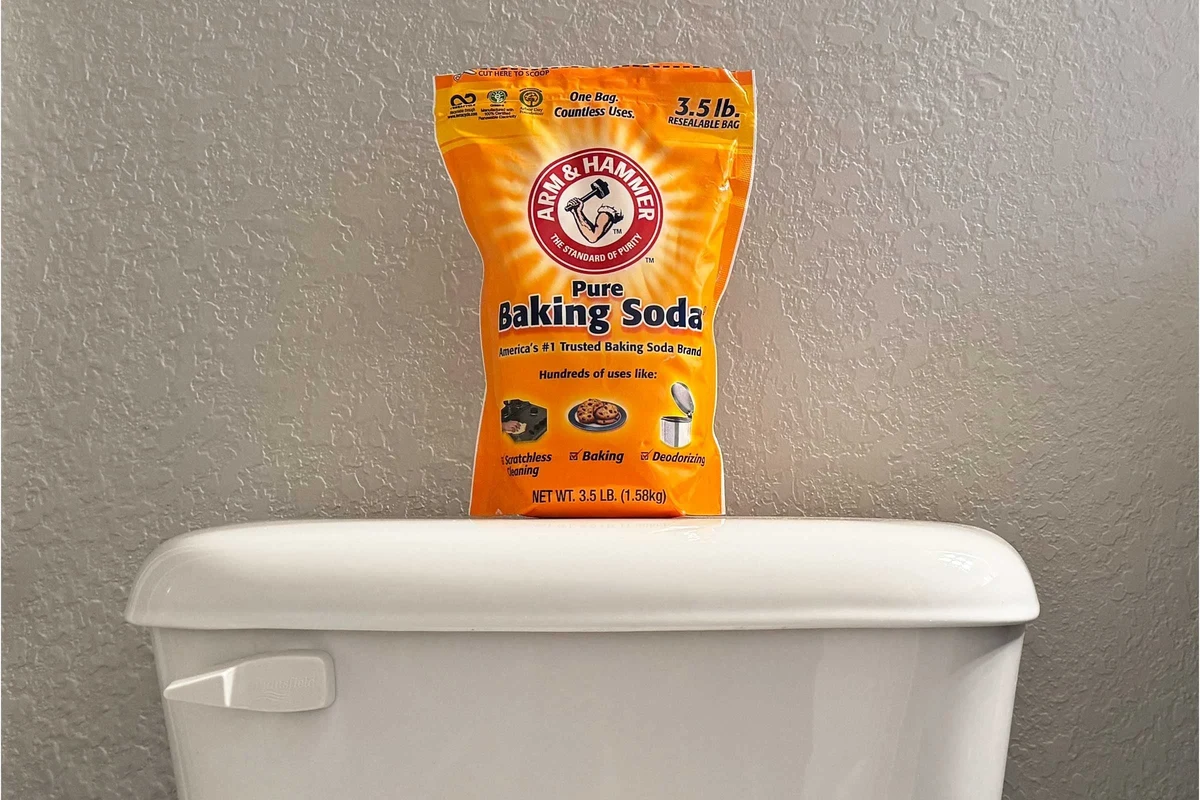
The idea behind baking soda in toilet tank cleaning is simple: baking soda can neutralize some odors and loosen a bit of surface residue. That is why it shows up in so many home-cleaning tips, from laundry to drains, and why people also pair it with baking soda and vinegar cleaning methods in other parts of the house.
How homeowners think it helps with odors, stains, and light buildup
Homeowners usually use baking soda when the tank smells stale, looks cloudy, or has a thin film around the water line. Because baking soda is mildly alkaline, it can help reduce sour or musty odors and make light residue easier to wipe away.
It may also give the impression of a fresher tank after a quick scrub. That can be useful if the problem is only surface dirt or a little trapped odor from a tank that has not been cleaned in a while.
What baking soda can and cannot change inside a toilet tank
Baking soda can soften some light grime and help with odor control, but it does not dissolve mineral scale very well. It also does not kill germs the way a true disinfectant does, so it should not be treated like a sanitizing product.
Inside a toilet tank, the most important parts are rubber seals, flappers, fill valves, and moving hardware. Baking soda is usually gentle enough for a basic cleaning, but it will not repair worn parts or remove heavy buildup that has already hardened onto components.
Toilet tanks are not the same as bowls. The tank holds the working parts, so cleaning needs to be gentle enough to avoid damaging seals, chains, and valve mechanisms.
Does Baking Soda Actually Work in a Toilet Tank in 2026?
Yes, but only in a limited way. In 2026, baking soda still makes sense as a low-cost, low-risk cleaner for mild odor control and light maintenance, but it is not the best answer for hard water scale, rust, or recurring mechanical trouble.
Realistic results for odor control versus mineral deposit removal
For odor control, baking soda can help a bit because it absorbs and neutralizes some unpleasant smells. If the tank simply smells old or slightly damp, the result may be noticeable after cleaning and airing out the room.
For mineral deposits, the results are much weaker. Hard water stains and crusty white buildup usually need an acid-based cleaner, such as vinegar or a commercial descaler, because those products are better at breaking down calcium and lime.
When it may seem to help and when the improvement is only temporary
Sometimes baking soda seems to “work” because it removes loose residue, not because it solves the root problem. If the tank is lightly dirty, the water may look clearer and smell better for a while.
That improvement can fade quickly if the tank keeps collecting minerals or if a worn seal lets dirty water seep into the system. In that case, the real issue is maintenance, not the cleaner itself.
Baking soda is most useful as a mild abrasive and deodorizer. It works best on light soil, while vinegar or a descaler is usually better for mineral scale.
How to Use Baking Soda in the Toilet Tank Safely
If you want to try baking soda in toilet tank water, keep the method simple. The goal is to freshen and lightly clean, not to flood the tank with product or mix random cleaners together.
Recommended amount and basic step-by-step application
A modest amount is usually enough, such as a few tablespoons to about half a cup, depending on tank size and how dirty it is. More is not automatically better, especially in a working tank with moving parts.
If you plan to scrub the tank, shut off the supply valve first and flush once to lower the water level. This gives you better access and reduces splashing.
Sprinkle it into the tank water or onto the stained area. Keep it away from parts that move freely if you can, and avoid packing it into corners.
Allow it to rest for about 15 to 30 minutes for light cleaning. For a more thorough scrub, drain the tank and work on the surfaces directly.
Use a soft sponge or brush to loosen residue, then refill and flush to clear out leftover powder. Check that the tank refills normally.
How long to leave it in before flushing or scrubbing
For light odor control, a short soak is usually enough. For visible residue, it is better to let the tank drain and scrub the affected surfaces rather than leaving a heavy amount of powder sitting in the water for hours.
Long soaks are not usually necessary and can make cleanup messier. If you are also using vinegar on mineral deposits, clean one product at a time and rinse before switching methods.
Safety notes for tank parts, water flow, and household use
Use gloves if you are cleaning a dirty tank, and avoid breathing in dust when pouring the powder. Do not mix baking soda with bleach or any cleaner that the label says should not be combined.
Never use an unknown chemical mix in a toilet tank. If a product label warns against mixing with acids, bleach, or ammonia, follow that label exactly and ventilate the room well.
Also check that the tank refills and flushes normally afterward. If the water level changes, the flapper sticks, or the fill valve sounds different, stop and inspect the parts before using more cleaner.
What Baking Soda Can’t Fix: Hard Water, Rust, and Mechanical Problems
This is where many DIY cleaning plans fall short. Baking soda is useful for routine freshness, but it cannot solve buildup or damage that has already affected the toilet’s internal parts.
Why buildup on flappers, valves, and fill mechanisms needs different treatment
Hard water leaves mineral deposits on plastic and rubber parts, and those deposits can interfere with sealing and water flow. Once scale gets onto a flapper or valve seat, the toilet may run, refill slowly, or make repeated hissing sounds.
Baking soda is not strong enough to break down that kind of crust. If the tank has visible white scale or orange staining, the issue is usually chemistry, not just cleaning effort.
Examples of issues that require vinegar, descaling, or replacement parts
White chalky buildup often responds better to vinegar or a commercial descaler. Rust stains may need a rust-specific cleaner that is safe for toilet parts and approved for the material in your tank.
If the flapper is warped, the chain is too tight, or the fill valve is failing, cleaning alone will not help. In those cases, replacing the worn part is usually the real fix, and that is often cheaper than repeated cleaning attempts.
Common Mistakes People Make When Using Baking Soda in a Toilet Tank
Most problems come from expecting too much or using the wrong approach. A toilet tank is a mechanical system, so a cleaner that is safe in the kitchen may still be the wrong choice if it is used carelessly.
Using too much product or combining it with the wrong cleaners
Dumping in a large amount of baking soda does not make it clean faster. It can leave residue behind and make the tank harder to rinse, especially around corners and hardware.
The bigger mistake is mixing products without checking compatibility. If you want to use vinegar, do that in a controlled way and rinse between steps; do not turn the tank into a chemistry experiment.
- Use a small amount first
- Rinse and inspect moving parts
- Follow product labels exactly
- Mixing cleaners blindly
- Leaving heavy residue in the tank
- Forcing stuck parts with harsh scrubbing
Expecting it to sanitize, disinfect, or eliminate deep stains by itself
Baking soda is not a disinfectant. If you need sanitizing, use a product that is labeled for that purpose and safe for toilet components, following the manufacturer instructions carefully.
Deep stains usually need more than deodorizing. If the stain has soaked into mineral scale or rust, you will need a stronger, targeted cleaner or a replacement part if the stain is actually damage.
Ignoring signs of leaks, worn seals, or recurring tank contamination
If the tank keeps getting dirty quickly, there may be a leak, a bad seal, or a valve that is not closing properly. Cleaning the same tank over and over without checking the parts wastes time and can hide a bigger issue.
Recurring contamination can also point to hard water or sediment from the plumbing line. If you keep seeing the same buildup after normal cleaning, it is worth looking at the water quality and the condition of the internal parts.
Better Cleaning and Maintenance Options for Toilet Tank Care
The best method depends on the problem. Baking soda is one tool, but it works best as part of a simple maintenance routine rather than as the only solution.
When to choose baking soda, vinegar, commercial descalers, or a plumber
Choose baking soda for mild odor control and light surface cleaning. Choose vinegar or a commercial descaler for mineral buildup, especially if the tank has visible scale around the waterline or hardware.
If the toilet runs constantly, refills slowly, or makes odd noises after cleaning, a plumber or a replacement part may be the smarter choice. That is especially true if the problem keeps returning after basic maintenance.
| Option | Best For | Key Consideration |
|---|---|---|
| Baking soda | Mild odor and light residue | Gentle, but limited on scale |
| Vinegar | Light mineral deposits | Check compatibility with parts |
| Commercial descaler | Stronger hard water buildup | Follow label directions carefully |
| Replacement parts or plumber | Leaks, worn seals, failing valves | Best when cleaning no longer helps |
If you already use baking soda around the home, it may help to read about baking soda in laundry benefits and baking soda for smoke odors. Those uses show the same basic strength: odor control and light cleaning, not heavy-duty repair.
Cleaning routines that protect tank components and improve longevity
A safer routine is to inspect the tank every few months, wipe off loose residue, and check for flapper wear or mineral crust before it becomes a bigger issue. Gentle maintenance is better than aggressive cleaning in a part of the home that depends on rubber seals and moving valves.
If you want a deeper clean, turn off the water, drain the tank, and clean the surfaces by hand. That gives you better control and helps you spot problems early, which is often more valuable than any single cleaner.
Best Use Cases and Final Verdict for Homeowners
Baking soda in toilet tank water is a reasonable low-cost option when the goal is mild freshness and light surface cleaning. It is simple, inexpensive, and generally gentle when used in moderation.
Situations where baking soda is a reasonable low-cost option
Use it if the tank smells stale, has a light film, or needs a quick refresh between deeper cleanings. It can also be a decent first step before deciding whether you need a stronger cleaner.
If you are already doing basic home maintenance and want to avoid harsh chemicals, baking soda is a practical place to start. It fits best in a routine, not as a one-step solution.
Situations where it is not worth relying on as the main solution
Do not rely on it for hard water scale, orange rust, or a tank that keeps leaking or running. Those problems usually need targeted treatment or part replacement.
If the toilet still smells bad after cleaning, or if the tank looks dirty again very quickly, the issue is probably bigger than surface grime. In that case, cleaning alone will not fix the root cause.
Baking soda can help a toilet tank look and smell a little better, but it is mainly a mild maintenance aid. For hard water, rust, leaks, or failing parts, use the right cleaner or call a plumber instead of depending on baking soda alone.
Practical recap: what works, what doesn’t, and what to do next
What works: light deodorizing, gentle surface cleaning, and routine upkeep. What does not: removing heavy scale, fixing mechanical failures, or disinfecting the tank on its own.
If you want the simplest next step, try a small amount of baking soda for light cleaning, then inspect the tank carefully. If you see scale, rust, or worn parts, move to a better-suited cleaner or repair plan before the problem gets worse.
Frequently Asked Questions
A small amount is usually enough, such as a few tablespoons to about half a cup. More product does not clean better and can leave residue behind.
Not very well. Hard water scale usually needs vinegar, a commercial descaler, or in some cases replacement parts.
It can be used in a controlled cleaning routine, but do not mix random cleaners together. Rinse between steps and follow product labels carefully.
No, baking soda is not a disinfectant. If you need sanitizing, use a product labeled for that purpose and safe for toilet components.
For light cleaning, 15 to 30 minutes is usually enough. For deeper cleaning, drain the tank and scrub the surfaces by hand.
Call a plumber if the toilet keeps running, refills slowly, leaks, or has worn parts that cleaning does not fix. Recurring problems usually mean there is a mechanical issue.
