
Baking Soda and Boiled Eggs Easy Trick for Perfect Peeling

Baking soda can help boiled eggs peel more easily by making the water more alkaline, but it works best with proper cooling and eggs that are not ultra-fresh. Use a small amount, then cool the eggs fast and peel gently for the cleanest results.
If you have ever struggled with stubborn shells, you are not alone. The baking soda and boiled eggs trick is popular because it can make peeling easier, especially with eggs that are very fresh or cooked in larger batches.
- Main benefit: Baking soda may help loosen the membrane so shells release more cleanly.
- Best results: Use it with an ice bath, gentle heat, and eggs that are not brand-new.
- Important limit: Too much baking soda can affect taste and texture.
- Better alternatives: Steaming and pressure-style cooking can also improve peeling.
Why People Add Baking Soda to Boiled Eggs in 2026
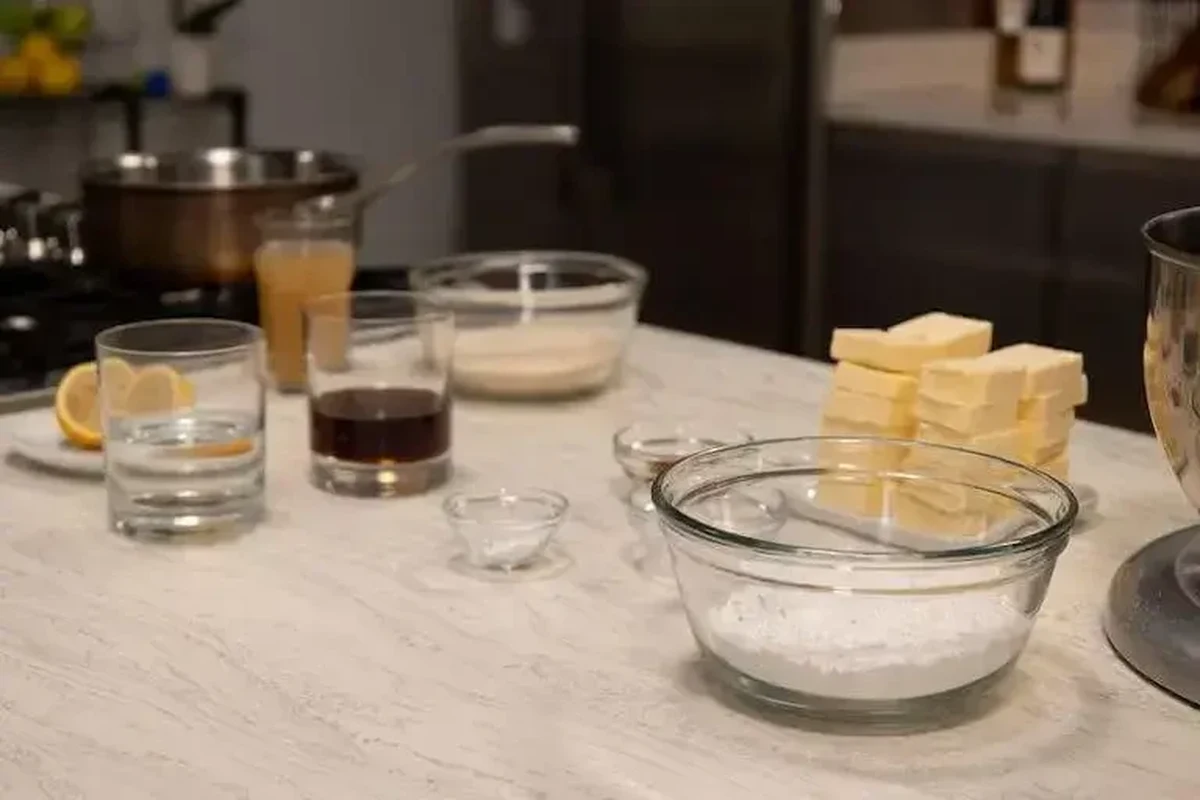
People usually add baking soda to the cooking water for one main reason: easier peeling. It is not there to improve flavor, and it is not being used as a leavening ingredient the way it would be in cakes or cookies.
That search intent matters because the goal is practical, not culinary drama. If you are making deviled eggs, egg salad, or meal-prep snacks, a shell that comes off cleanly saves time and keeps the whites looking neat.
The real search intent: easier peeling, not flavor or leavening
Baking soda raises the pH of the cooking water, which can slightly change how the egg white behaves near the shell. That can help the membrane release more easily in some cases, which is why the trick is often recommended for boiled eggs.
Still, it is best thought of as a helper, not a guarantee. If the eggs are extremely fresh or if the peeling method is rough, baking soda alone will not fix everything.
How shell age, egg pH, and freshness affect peeling results
Fresh eggs are usually harder to peel because the air cell inside the egg is smaller and the inner membrane tends to cling more tightly. As eggs age, a little moisture and carbon dioxide escape through the shell, and peeling often becomes easier.
Egg pH also changes over time, which affects how the whites set and separate from the membrane. That is why two batches cooked the same way can peel very differently.
If you are comparing egg-peeling methods, remember that freshness often matters more than the trick itself. A very fresh egg can still be stubborn even with baking soda.
What Baking Soda Actually Does to Eggshells and Egg Whites
The science here is simple enough for home kitchens. Baking soda makes the water more alkaline, and that environment may help the membrane detach from the shell and reduce sticking.
How alkalinity can loosen the membrane from the shell
Eggshells are porous, and the membrane beneath them is what often clings to the white. In more alkaline water, the surface chemistry can shift enough to make separation a little easier when you peel.
That is why many cooks notice a difference, especially with eggs that are close to fresh but not brand-new. The effect is usually modest, not dramatic.
Why the effect is helpful but not magical for every egg
Some eggs peel beautifully with or without baking soda. Others remain frustrating because the problem is really about egg age, cooking method, or cooling time rather than the water itself.
If you want a broader kitchen science refresher, our guide on baking soda versus baking powder explains why this ingredient behaves so differently in non-baking uses too.
When baking soda may change texture or make eggs taste slightly off
Too much baking soda can leave a faintly soapy or mineral taste, especially if the eggs sit in the water too long. It can also make the outer surface of the white feel a little softer or more slippery.
That is why a light hand works best. If you are using it for the first time, start with a small amount and see whether it improves your own eggs.
Boiled egg peeling is influenced by heat, pH, shell age, and cooling speed. No single trick fixes every batch, which is why cooks often combine methods.
Step-by-Step Method for Using Baking Soda with Boiled Eggs
The simplest method is to add a small amount of baking soda to the cooking water before the eggs go in. Then cook the eggs gently, cool them quickly, and peel them after they have had a moment to rest.
Recommended water-to-baking-soda ratio and egg quantity examples
A practical starting point is a small pinch to about 1/2 teaspoon of baking soda per quart or liter of water, depending on how much water you use and how many eggs are in the pot. The exact amount is not fixed, because pot size, water volume, and egg quantity all change the result.
For a small batch of 4 to 6 eggs, a moderate saucepan with enough water to cover the eggs by about an inch is usually enough. For larger batches, keep the ratio gentle rather than adding more and more baking soda.
More baking soda is not better. Excess amounts can affect flavor, surface texture, and the overall eating quality of the eggs.
Best boil method: stovetop, steam, or pressure-style cooking comparison
Stovetop boiling is the most familiar method and works well when you want control. Steaming often gives very good peeling results because the shells are exposed to consistent heat and less violent water movement.
Pressure-style cooking, including some electric multi-cookers, can also produce eggs that peel well, but the exact time depends on the appliance model and the size of the eggs. Always follow the manufacturer’s instructions for your cooker.
Best for everyday control and small to medium batches, but it can overcook if the heat is too high.
Often produces very peel-friendly eggs with less shell cracking and a cleaner outer white.
Useful for batch cooking, but timing varies by appliance and egg size, so verify your model’s guidance.
Cooling, ice bath timing, and peeling technique for clean results
Once the eggs are done, move them to an ice bath or very cold water as soon as practical. Rapid cooling helps stop carryover cooking and can make the membrane contract slightly away from the white.
After a few minutes, tap the shell all over and peel under a thin stream of water if needed. Starting at the wider end often helps because that is where the air pocket is usually located.
Bring the water to a gentle boil or steady steam, then add the eggs carefully to avoid cracking.
Use a small amount based on your water volume, not a heavy dose.
Transfer the eggs to ice water so the cooking stops and peeling becomes easier.
Tap, roll, and remove the shell under water if needed to protect the white.
How to Tell If Your Eggs Are Done Without Overcooking
Perfect peeling does not matter much if the eggs are underdone or chalky. The goal is set whites, yolks cooked to your preference, and no unpleasant sulfur smell from overheating.
Visual cues for firm whites and fully set yolks
A properly cooked hard-boiled egg has opaque whites that feel firm but not rubbery. The yolk should be set through the center if you are aiming for a fully cooked egg, though softer styles will still have a tender middle.
If you are unsure, crack one test egg after cooling. That is often the fastest way to judge whether the batch needs more or less time next round.
Timing ranges for soft, medium, and hard-boiled eggs
Timing depends on egg size, starting temperature, pot depth, altitude, and whether you are boiling, steaming, or using a pressure-style cooker. As a general kitchen range, soft-boiled eggs cook much faster than hard-boiled eggs, and large eggs usually need a little longer than medium ones.
Because variability is real, use your first batch as a benchmark. Once you know your stove and pot, you can repeat the result more confidently.
- Use eggs that are not ultra-fresh if possible
- Measure baking soda lightly, not generously
- Prepare an ice bath before cooking
- Keep a timer handy for your chosen method
Signs of overcooking: sulfur smell, green ring, rubbery whites
Overcooked eggs often give off a stronger sulfur smell and may develop a green-gray ring around the yolk. The whites can turn rubbery if the heat is too high or the eggs sit in hot water too long.
If that happens, reduce the cook time slightly and cool the eggs faster next time. Gentle heat is usually more forgiving than a hard, aggressive boil.
Common Mistakes That Make Peeling Harder Instead of Easier
Most peeling problems come from a few repeat mistakes. The good news is that they are easy to correct once you know what to watch for.
Using ultra-fresh eggs when older eggs work better
Fresh eggs are wonderful for flavor and structure in many recipes, but they are often the hardest to peel. If peeling matters most, eggs that have had a little time in the refrigerator usually perform better.
That does not mean you need old eggs, just not the very freshest ones from the same day.
Adding too much baking soda and affecting flavor or surface texture
It can be tempting to increase the amount if the first batch is stubborn. But too much baking soda can leave the eggs tasting odd and may make the surface of the whites less pleasant.
For related ingredient guidance, see our article on using baking soda instead of baking powder safely, which explains why dosage matters so much in the kitchen.
Skipping the ice bath or peeling eggs while still too hot
Hot eggs are more fragile, and the shell often clings more tightly when they have not cooled enough. An ice bath helps set the egg structure and makes the shell easier to handle.
Peeling too soon can also burn your fingers, which is a simple but common kitchen mistake.
Cracking shells too aggressively and tearing the white
Hard banging can break the egg white underneath the shell and make the surface look rough. A gentler tap-and-roll motion usually works better and keeps the egg neater.
Handle hot eggs carefully and use a spoon or strainer when moving them from boiling water. A cracked shell can leak hot water and cause burns.
When Baking Soda Helps Most and When Other Methods Work Better
This trick is most useful when you are working with eggs that tend to cling, especially in larger batches. It is also handy for holiday prep, lunch prep, and any recipe where neat-looking whites matter.
Best use cases: farm-fresh eggs, batch cooking, holiday prep
Farm-fresh eggs are often the most frustrating to peel, so they are a good candidate for this method. Batch cooking also benefits because even a small improvement in peeling can save a lot of time.
If you are making deviled eggs for a gathering, a cleaner peel can make the final presentation look much better.
Comparing baking soda with vinegar, salt, steaming, and pressure cooking
Baking soda is one option, but it is not the only one. Steaming often produces excellent peeling, while pressure cooking can also work well when the timing is correct.
Vinegar and salt are sometimes mentioned online, but their effects are different and less consistent for shell release. If you want a deeper look at ingredient reactions, our guide to the baking soda and vinegar reaction explains why that pairing behaves so differently outside egg cooking.
- Can help shells release more easily
- Simple and inexpensive to try
- Useful for batch cooking
- Not effective on every egg
- Too much can affect taste
- Freshness and cooling still matter most
Situations where peeling is still difficult despite the trick
Very fresh eggs, rough boiling, and inadequate cooling can still lead to difficult peeling. If the shell fractures into tiny pieces, the problem is usually the egg itself or the cooking method, not just the lack of baking soda.
In those cases, switching to steaming or adjusting the cooling step may help more than increasing the baking soda.
Safety, Storage, and Food Quality Considerations
Boiled eggs are simple, but they still need basic food safety care. Clean hands, clean utensils, and proper refrigeration matter just as much as the peeling trick.
Food-safe amounts and why more baking soda is not better
Use only a small amount of baking soda in the water. The goal is a slight shift in alkalinity, not a strong chemical effect.
More is not safer, tastier, or more effective. It can leave residue and reduce the eating quality of the eggs.
How long peeled and unpeeled boiled eggs keep in the refrigerator
Storage time depends on how they are handled and whether the shells stay intact, so follow current food safety guidance from recognized sources such as the USDA or FDA. In general, boiled eggs should be refrigerated promptly and kept cold until serving.
Peeled eggs usually dry out faster than unpeeled eggs, so store them in a covered container if you are not eating them right away.
Preventing contamination during cooling, peeling, and storage
Do not leave boiled eggs sitting at room temperature for long periods. Use clean bowls for the ice bath, and avoid peeling on dirty counters or with unwashed hands.
If you are preparing eggs for a picnic or buffet, keep them cold until serving and return leftovers to the refrigerator promptly.
If eggs crack during cooking, treat them as cooked food that still needs proper refrigeration. When in doubt about safety or storage time, follow official food safety guidance.
Final Verdict: Is the Baking Soda and Boiled Eggs Trick Worth Using?
Yes, it is worth trying if you want a simple, low-cost way to improve peeling. The best results usually come when you combine baking soda with the bigger peeling factors: eggs that are not ultra-fresh, gentle cooking, and a proper ice bath.
Best practical recommendation from Baking Pastry Schools Editorial Team
Our practical recommendation is to use a small amount of baking soda when peeling matters, especially for batch cooking or farm-fresh eggs. Do not expect miracles, but do expect a helpful nudge in the right direction.
Simple recap of when to use it, when to skip it, and what to expect
Use it when you want easier peeling and you are willing to cool the eggs quickly afterward. Skip it if you are already using older eggs, steaming successfully, or if you are sensitive to any off flavor from alkalinity.
If you want more kitchen-friendly ingredient guidance, you may also like our overview of when baking soda expires and when to replace it. For boiled eggs, though, the bottom line is simple: baking soda can help, but technique still does most of the work.
The baking soda and boiled eggs trick is useful, but it works best as part of a good egg-cooking method rather than as a stand-alone fix. Start with a small amount, cool the eggs fast, and expect the easiest peeling from eggs that are not ultra-fresh.
Frequently Asked Questions
A small pinch to about 1/2 teaspoon per quart or liter of water is a practical starting point. The best amount depends on your pot size and how many eggs you are cooking.
It can if you use too much. A light amount usually has little effect, but excess baking soda may leave a faint soapy or mineral taste.
Yes, older eggs often peel more easily because the membrane tends to release from the shell more readily. Very fresh eggs are usually the hardest to peel.
Cold is usually better. An ice bath helps stop cooking and often makes the shell easier to remove without tearing the white.
Steaming often gives very good peeling results because the heat is gentler and more even. It is a strong alternative if boiling is giving you messy shells.
Boiled eggs should be refrigerated promptly and kept cold until serving. For exact storage guidance, follow current USDA or FDA food safety recommendations.