Bread soda is a single-ingredient alkaline leavener that needs acid, while baking powder is a complete leavening system with its own acid. Choosing the right one affects rise, browning, flavor, and texture in every bake.
Bread soda and baking powder are both leaveners, but they do not behave the same way in a recipe. Knowing the difference between bread soda and baking powder helps you choose the right ingredient for better rise, better flavor, and a more reliable crumb.
- Bread soda: Best when the recipe includes acidic ingredients like buttermilk, yogurt, molasses, or citrus.
- Baking powder: Best for neutral batters that need built-in lift and a more predictable rise.
- Flavor impact: Too much bread soda can taste bitter or soapy; too much baking powder can.
- Substitution limit: These ingredients are not interchangeable in a simple 1:1 way.
- Freshness matters: Old or damp leaveners can weaken rise and cause flat, uneven bakes.
What Bread Soda and Baking Powder Actually Are in Modern Baking
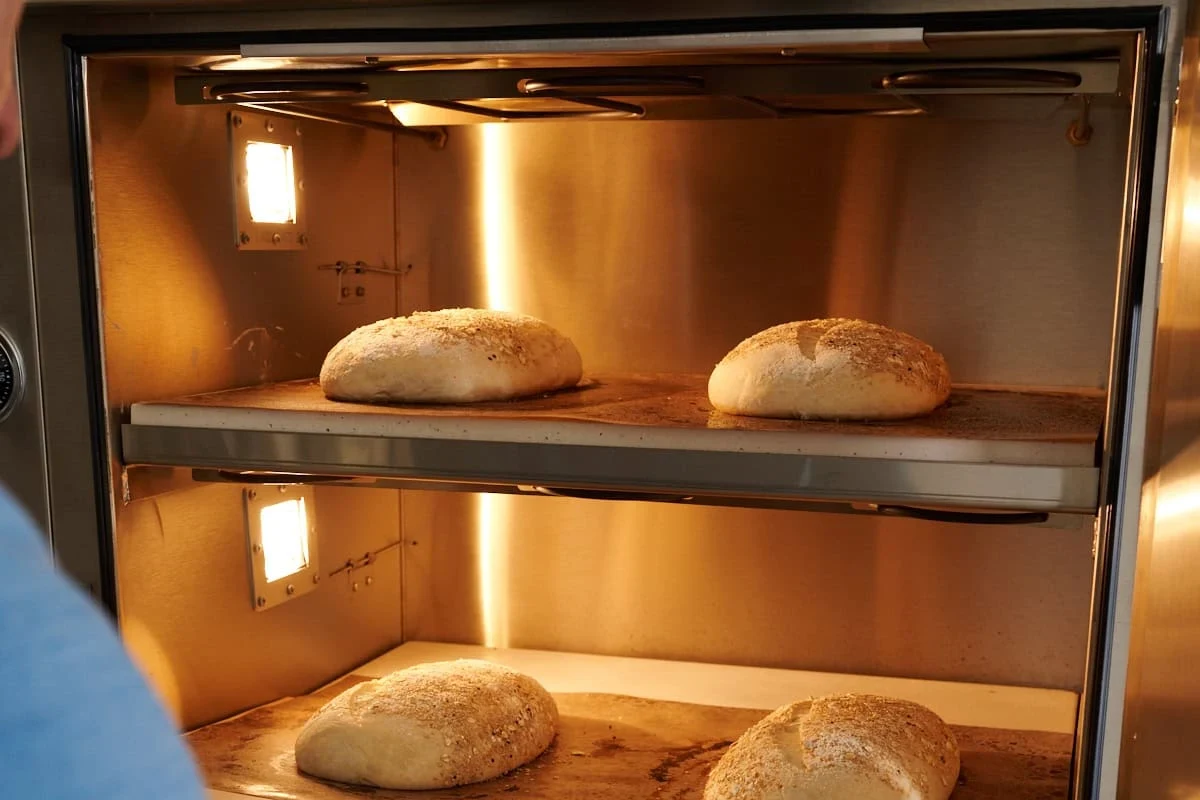
In everyday baking, bread soda usually means baking soda, or sodium bicarbonate. It is a single-ingredient alkaline leavener that needs an acid in the batter or dough to create enough gas for lift. Without that acid, it can leave a soapy taste and may not rise well.
Baking powder is a complete leavening system. It already contains baking soda plus one or more acid salts and a starch to keep the mixture dry and stable. When liquid and heat activate it, the acid and base react to release carbon dioxide, which helps baked goods rise.
How bread soda works as a single-ingredient alkaline leavener
Bread soda reacts quickly when it meets something acidic such as buttermilk, yogurt, molasses, brown sugar, citrus juice, or vinegar. That reaction starts before the batter even reaches the oven, so timing matters. If the batter sits too long, some of the gas can escape before baking.
Because it is alkaline, bread soda also affects browning and flavor. It can deepen color in cookies, gingerbread, and dark batters, but too much can make the finished bake taste harsh or metallic. That is why accurate measuring matters so much.
What makes baking powder a complete leavening system
Baking powder brings its own acid, so it does not need an acidic ingredient in the recipe to work. Most baking powders are double-acting, which means they release some gas when mixed with liquid and more gas in the oven from heat. That gives bakers a little more margin for mixing and shaping.
If you want a deeper comparison of the two ingredients, see our guide on is baking soda and baking powder the same. For substitution cautions, our article on can you use baking soda instead of baking powder safely explains why the swap is not always simple.
Baking powder usually includes starch to help keep the acid and base dry until you mix the batter. That storage detail is one reason it behaves differently from plain baking soda in the pantry and in the bowl.
Why the Difference Matters for Texture, Rise, and Flavor
The leavener you choose changes more than height. It affects crumb structure, browning, spread, and even how sweet or tangy a baked good tastes. In a pastry kitchen, that difference can decide whether a cake feels light and balanced or dense and flat.
How acidity, gas release, and browning change the final crumb
Acid is the trigger for bread soda, but it also changes gluten behavior and flavor balance. A recipe with enough acid can create a fine, even crumb because gas is released at the right time and the batter sets around it in the oven. If there is not enough acid, the soda may remain partly unreacted and leave an off flavor.
Baking powder is often more forgiving because it supplies its own acid. That makes it useful when a recipe needs lift but does not contain naturally acidic ingredients. The result is usually a cleaner flavor and a more predictable rise, especially in delicate cakes and biscuits.
Where each ingredient performs best in quick breads, cakes, and cookies
Bread soda often performs best in quick breads that include buttermilk, sour cream, yogurt, molasses, or fruit purée. It is also useful in dark cookies and spice cakes where a little extra browning is welcome. In those recipes, the soda helps with rise and flavor at the same time.
Baking powder is often the better choice for vanilla cakes, muffins, biscuits, and many sponge-style bakes. These recipes may not have enough acid to activate baking soda fully, so baking powder gives steadier lift. In some formulas, both are used together to fine-tune flavor, color, and structure.
How to Tell When a Recipe Needs Bread Soda vs Baking Powder
The ingredient list usually tells you what the recipe is expecting. If you see an acidic ingredient, the formula may be designed to use bread soda. If the batter is mostly neutral, baking powder is more likely the main leavener.
Reading ingredient lists for acidic triggers like buttermilk, yogurt, molasses, or citrus
Look for ingredients that naturally lower pH, including buttermilk, yogurt, sour cream, lemon juice, orange juice, vinegar, molasses, cocoa powder in some styles, and brown sugar in certain recipes. These ingredients often pair well with bread soda because the acid helps it react. The recipe may also rely on the soda to soften the batter’s flavor and deepen its color.
The baking soda and vinegar reaction is a helpful example of how acid and base create gas quickly. In baking, the same principle applies, but the reaction must be balanced so the batter rises without tasting sharp or flat.
Some recipes use acidic ingredients for flavor rather than for leavening alone. That means a formula may still need baking powder, bread soda, or both to create the right rise and texture.
When a recipe uses both ingredients and why that balance matters
Some recipes combine bread soda and baking powder because they need both acidity control and reliable lift. The soda can react with acidic ingredients and support browning, while the baking powder adds extra leavening power that does not depend on the batter’s pH. This is common in recipes that need a specific flavor but also need more insurance against a heavy crumb.
That balance matters because too much soda can make the bake taste alkaline, while too much baking powder can leave a bitter aftertaste or an overly open crumb. The exact ratio depends on the recipe, ingredient brands, and even the cocoa, dairy, or flour being used.
- Check whether the recipe includes acidic ingredients.
- Confirm whether the recipe calls for bread soda, baking powder, or both.
- Measure carefully with level spoons or a scale when possible.
- Bake promptly if the batter uses bread soda for immediate reaction.
Measuring and Substituting Without Ruining the Bake
Leaveners are small ingredients with a big effect, so casual swapping can change the whole bake. A recipe may still “work” after a substitution, but the texture, flavor, and rise may be noticeably different. For beginners, the safest approach is to follow the recipe exactly unless you understand how the acids and bases are balanced.
Common substitution mistakes that cause bitterness, collapse, or poor lift
One common mistake is replacing baking powder with the same amount of bread soda. Bread soda is stronger in a chemical sense, but it does not contain its own acid, so the batter may not rise properly. The result can be a flat bake with a soapy or bitter aftertaste.
Another mistake is using too much baking powder to compensate for a lack of soda. Excess baking powder can create a coarse crumb, a strange aftertaste, or a quick rise that collapses before the structure sets. Delayed baking, overmixing, and an uncalibrated oven can make the problem worse.
Do not assume a 1:1 swap will behave the same in every recipe. Ingredient brands, flour type, pan size, oven temperature, and mixing time all affect the final result.
Why swapping one for the other is rarely a 1:1 fix in real kitchens
In real kitchens, recipes are built around chemistry, not just volume. Bread soda needs acid; baking powder already carries it. That means a straight swap changes both the reaction and the balance of the batter.
If you need a substitution, it is usually better to adjust the recipe itself rather than just the spoonful of leavener. For example, a neutral batter may need added acid if you are trying to use bread soda, while a very acidic batter may need some baking powder to prevent an overpowering tang. If you are unsure, compare the formula with a trusted reference before baking.
- Bread soda can improve browning and flavor in acidic batters.
- Baking powder is easier to use in neutral recipes.
- Both can be combined for controlled lift.
- Bread soda can taste harsh if the acid balance is wrong.
- Baking powder can create off flavors if overused.
- Neither ingredient is a universal 1:1 substitute for the other.
Practical Examples of Each Ingredient in Everyday Baking
Real recipes make the difference easier to see. Once you know where each ingredient tends to show up, it becomes much easier to read a recipe and predict the outcome. That skill matters in both home kitchens and pastry school practice.
Typical bread soda use cases in soda bread, gingerbread, and dark batters
Bread soda is a classic choice in soda bread because the dough often includes buttermilk or another acidic dairy ingredient. It also appears in gingerbread, where molasses and spices benefit from the deeper color and the warm, slightly alkaline flavor balance. In dark chocolate batters, it can help enhance browning and soften the acidity of cocoa.
These recipes tend to move quickly once mixed. If the batter or dough is waiting on the counter, some of the leavening action may be lost before baking starts. That is why prep, oven preheating, and pan readiness matter.
Uses bread soda with buttermilk or sour milk for fast rise and a tender crumb.
Uses bread soda with molasses for color, flavor balance, and lift.
Uses bread soda to support browning and reduce sharp acidity.
Typical baking powder use cases in muffins, sponge-style cakes, and biscuits
Baking powder is common in muffins because many muffin batters are only mildly acidic or nearly neutral. It is also a standard choice for biscuits and sponge-style cakes where a clean rise matters more than an acid-driven flavor change. The result is usually a lighter crumb and a more familiar bakery-style texture.
Because baking powder is more self-contained, it is useful when you want predictable lift without adjusting the rest of the formula. That makes it especially helpful for beginner bakers and for recipes that need a longer bench time before baking.
Common Problems Bakers Notice When They Use the Wrong Leavener
When the wrong leavener is used, the signs usually show up in the first slice or bite. The surface may brown too quickly, the center may stay dense, or the crumb may develop tunnels. Those clues often point to a chemistry mismatch rather than a flour problem alone.
Flat bakes, soapy aftertaste, uneven browning, and coarse tunnels
A flat bake often means the batter did not produce enough gas, or the gas escaped before the structure set. A soapy or metallic aftertaste usually suggests too much bread soda or too little acid. Uneven browning can happen when the batter is too alkaline in spots or when the oven heat is uneven.
Coarse tunnels are another common clue. They can appear when a batter rises too quickly, when it is overmixed, or when a leavener is unevenly dispersed. Sifting or whisking dry ingredients well before combining them can help.
Quick bread rises unevenly and tastes slightly bitter.
Check whether the recipe has enough acid for bread soda, and make sure the leavener is fresh and evenly mixed through the dry ingredients.
How overmixing, old ingredients, or delayed baking can make the issue worse
Overmixing develops gluten and can push a tender cake or muffin toward a tougher, more open crumb. Old leaveners lose strength over time, especially in warm or humid kitchens. Delaying the bake after mixing can also reduce lift, especially in recipes that rely on bread soda’s immediate reaction.
If you are troubleshooting a recipe, check the leavener first, then the mixing method, then the oven. An oven that runs hot or cool can change how quickly the batter sets, which affects how much gas stays trapped inside. For safety, always use oven mitts and keep hot pans away from the edge of the counter.
When testing a new recipe or substitution, keep written notes on the ingredient brand, pan size, and oven rack position so you can repeat or correct the result safely and accurately.
Storage, Freshness, and Safety Checks for Reliable Results in 2026
Fresh leaveners are essential for dependable baking. Bread soda and baking powder both last longer when they are kept dry, sealed, and away from heat. In humid kitchens, they can clump or weaken sooner than expected.
How to test whether bread soda or baking powder is still active
To test bread soda, add a small amount to a bowl and stir in vinegar or another acid. It should fizz right away if it is active. To test baking powder, add it to warm water; a steady fizz indicates it still has enough strength for baking.
These are simple kitchen checks, not lab tests, but they are useful before an important bake. If the reaction is weak or delayed, replace the ingredient. For food safety and quality, remember that stale ingredients can create disappointing texture even when they are not unsafe to eat.
Write the purchase date on the container when you open it. That makes it easier to spot old baking powder before it quietly weakens your next batch of muffins or biscuits.
Best storage conditions to protect potency in humid or warm kitchens
Store both ingredients in airtight containers in a cool, dry cabinet. Keep them away from the stove, dishwasher steam, and sink splashes. Moisture is the biggest enemy because it can start the reaction early and reduce potency later.
If your kitchen is especially warm or humid, consider checking the containers more often and replacing them sooner if performance drops. For added reliability, keep the lids tightly closed and use clean, dry spoons so you do not introduce moisture into the container.
Final Verdict: Choosing the Right Leavener for Better Baking Results
The difference between bread soda and baking powder comes down to chemistry, timing, and recipe design. Bread soda needs acid and acts fast, while baking powder brings its own acid and gives you a more self-contained rise. Once you understand that, the ingredient list becomes much easier to read.
A simple decision guide for home bakers and pastry students
Choose bread soda when the recipe already includes enough acid to activate it and when you want extra browning or a slightly deeper flavor. Choose baking powder when the batter is neutral or when you need a dependable rise without changing the recipe’s acidity. Use both only when the formula is built that way and the balance makes sense.
For most beginners, the safest rule is simple: follow the recipe first, then learn what the leavener is doing. If you want to practice substitution or troubleshooting, start with small batches and compare the results carefully. That habit builds real baking judgment and helps you avoid the most common leavening mistakes.
Bread soda is best for acidic recipes that need quick reaction and deeper browning, while baking powder is best for neutral batters that need built-in lift. If you choose based on the recipe’s acidity and timing, your cakes, muffins, biscuits, and quick breads will be much more consistent.
Frequently Asked Questions
No, not as a simple 1:1 swap. Bread soda needs acid to react, while baking powder already contains its own acid, so the recipe balance changes.
Look for acidic ingredients such as buttermilk, yogurt, sour cream, molasses, citrus juice, or vinegar. Those ingredients often work with bread soda to create lift and better browning.
That usually means there was too much bread soda or not enough acid to react with it. Old or unevenly mixed leavener can also make the flavor worse.
Yes, many recipes do this on purpose. Bread soda can help with acidity and color, while baking powder adds extra lift for a more reliable rise.
Stir a little baking powder into warm water and look for a steady fizz. If the reaction is weak, replace it before baking.
Keep both in airtight containers in a cool, dry place away from steam and heat. Humidity can weaken them or cause clumping over time.
