
Dawn Hydrogen Peroxide Baking Soda Cleaning Tips
This cleaning combo can help with grease, sticky residue, and odors on compatible kitchen surfaces. It is useful for baking cleanup, but it should not be treated as safe for every material.
Dawn, hydrogen peroxide, and baking soda can be a useful kitchen-cleaning combo, but only when you use it on the right surfaces and in the right way. For baking spaces, it is best treated as a spot cleaner for grease, residue, and odors rather than a universal solution.
- Best use: Spot-cleaning greasy and sticky baking messes on hard, washable surfaces.
- How it works: Soap lifts grease, peroxide helps with odor and residue, and baking soda adds gentle.
- Main caution: Avoid delicate coatings, cast iron, aluminum, and surfaces with special care instructions.
- Safety rule: Never mix it with bleach or ammonia, and rinse food-contact items well.
- Practical approach: Use small fresh batches and test a hidden area first.
Dawn, Hydrogen Peroxide, and Baking Soda: What This Cleaning Combo Is Actually Used For
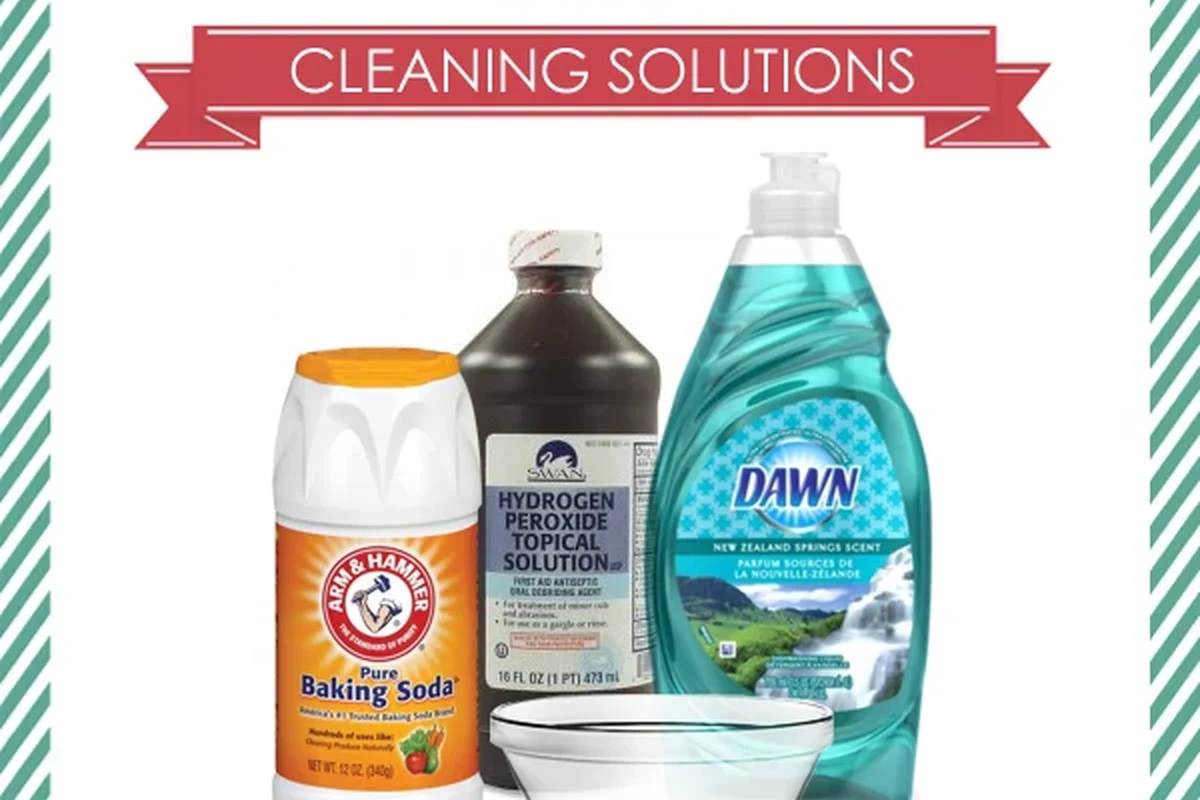
This search often appears in baking and kitchen-cleaning contexts because the ingredients are common in homes that cook and bake often. People look for a simple way to handle greasy pans, sticky sugar spills, and the dull film that can build up around sinks and counters after a long baking session.
The mixture fits best on countertops, sinks, grout, and some baking tools that can handle light scrubbing. It is often used for hydrogen peroxide and baking soda uses because the ingredients can work together on grime without needing a harsh commercial cleaner for every small mess.
It should not be used casually on finishes, fabrics, or sensitive surfaces. Painted cabinets, natural stone, specialty coatings, and anything with a manufacturer warning should be checked first, because peroxide can discolor some materials and baking soda can leave micro-scratches on delicate finishes.
Always confirm surface compatibility before cleaning. When in doubt, follow the item maker’s care instructions, especially for coated bakeware, stone counters, and specialty finishes.
How Each Ingredient Works in a Kitchen Cleaning Routine
Each ingredient has a different job. The combo works best when you understand those jobs instead of expecting one paste to do everything.
Dawn dish soap as a grease-cutting surfactant
Dawn dish soap helps break up grease by surrounding oily residue so it can be lifted away with water. That makes it especially useful after pastry prep, where butter, cream, and egg yolk can leave a slippery film on bowls, pans, and work surfaces.
Hydrogen peroxide as a mild oxidizer and deodorizer
Hydrogen peroxide helps loosen some stains and can reduce odors by reacting with certain organic residues. In a kitchen, that can be helpful for sour dairy smells, eggy residue, or lingering food odors on washable surfaces.
Baking soda as a gentle abrasive and odor absorber
Baking soda adds mild scrubbing power without being as aggressive as many powdered cleaners. It also helps absorb odors, which is why it is often used after baking projects that leave a strong smell behind.
Why the combination is popular for post-baking cleanup
The popularity comes from the way the ingredients complement each other. Soap lifts grease, peroxide helps with residue and odor, and baking soda adds texture for scrubbing, which is useful when sugar syrup, flour paste, or butter has dried on a pan.
Baking soda is mildly alkaline, which helps it work well on greasy kitchen messes and some odors, but it is still gentle enough for many everyday cleaning jobs.
Safe Mixing Ratios and Practical Use Methods
There is no single official household formula that fits every job, so keep the mixture simple and use only what you need. For most baking cleanup, a small amount mixed fresh is better than making a large batch and storing it.
Simple paste method for stuck-on residue
For sticky residue, mix baking soda with a small amount of Dawn and just enough hydrogen peroxide to form a spreadable paste. Use it on cooled bakeware or a stained sink area, then let it sit briefly before wiping or scrubbing gently.
Spray-and-scrub method for sinks and nonporous surfaces
For sinks, a diluted spray can be easier to control than a thick paste. Apply the mixture to a nonporous surface, let it rest for a short time, then scrub with a soft sponge and rinse well.
If you are cleaning a large sink or several baking tools, work in sections so the cleaner does not dry out before you can scrub it away.
Spot-treatment method for stubborn stains on bakeware
For stubborn spots on sheet pans or muffin tins, dab the paste directly onto the stain and let it sit on the problem area only. This is often more effective than coating the entire pan, especially if the rest of the surface only needs a light wash.
How long to let the mixture sit before scrubbing
Use a short dwell time rather than leaving the mixture on indefinitely. In general, a few minutes is a sensible starting point for routine kitchen messes, but always check the material first and do not let the cleaner dry on the surface.
Wear gloves if your skin is sensitive, and keep the area ventilated. Rinse food-contact surfaces thoroughly before using them again.
Best Surfaces, Tools, and Bakeware for This Cleaner
This cleaner is most useful on hard, washable surfaces that can handle light scrubbing. It is less about deep restoration and more about practical cleanup after normal baking work.
Stainless steel, ceramic, glass, and enamel surfaces
These surfaces usually tolerate mild scrubbing better than delicate coatings. Stainless steel sinks, ceramic prep areas, glass baking dishes, and enamel surfaces are common places where the mixture can help remove film and residue.
Sheet pans, muffin tins, mixing bowls, and baking tools
Sheet pans often collect baked-on butter and sugar, while muffin tins can trap residue in the corners. Mixing bowls, spatulas, and other baking tools may also benefit when they have a greasy or sticky film that regular dishwashing does not remove right away.
Where to avoid using it: aluminum, cast iron, and delicate coatings
Avoid using it on aluminum unless the manufacturer says it is safe, because some cleaners can dull or discolor the metal. Cast iron needs its own care routine, and nonstick or specialty coatings can be damaged by abrasive scrubbing or prolonged soaking.
Testing a small area before cleaning larger kitchen items
Before cleaning a full pan or countertop section, test the mixture in a small hidden spot. That is the safest way to check for dulling, discoloration, or unexpected surface reaction before you commit to the whole item.
- Good for greasy, sticky, or lightly stained kitchen messes
- Uses common household ingredients
- Works well for spot cleaning after baking
- Not safe for every surface or coating
- Can scratch delicate finishes if scrubbed too hard
- Needs careful rinsing before food use
Common Baking Kitchen Messes This Method Can Help With
Most home bakers do not need a heavy-duty cleaner for every spill. This combo is most helpful when the mess is annoying, sticky, or smelly, but not yet baked into the surface for days.
Grease splatter after pastry prep
Butter splatter on counters, stovetops, and nearby backsplash areas is a classic example. Dawn helps cut the grease, while baking soda gives a little extra cleaning action without the harsh feel of some commercial degreasers.
Burnt sugar, egg residue, and flour paste buildup
Burnt sugar can cling tightly, and egg residue can dry into a stubborn film. Flour mixed with liquid can turn into a paste that sticks to bowl rims and spoon handles, and this cleaner can help loosen those layers before a final wash.
Odors from sour dairy, yeast dough, and spice-heavy ingredients
Hydrogen peroxide and baking soda can help reduce lingering smells from sour cream, cultured dairy, or strong spices. That can be useful after a long prep session when your mixing bowls or sink still smell like the last recipe even after a quick rinse.
Practical examples from everyday home baking cleanup
If you have a muffin pan with a few browned spots, a mixing bowl with sticky batter edges, or a sink that smells faintly sour after proofing dough, this is the kind of cleanup where the combo makes sense. It is also a reasonable choice for following up on baking soda vinegar cleaning ovens if you are dealing with a separate oven mess and need a gentler approach for nearby tools.
Common Mistakes That Reduce Cleaning Results or Create Risk
Most problems come from using too much product, the wrong surface, or too much scrubbing. A careful method usually works better than a stronger one.
Using too much hydrogen peroxide or mixing it in the wrong container
Use only a small amount of peroxide, and mix it in a clean, nonreactive container. Do not store a homemade cleaner in a sealed container for long periods, since fresh mixtures are safer and more predictable.
Assuming the paste works on every stain or every material
Some stains are heat-set, chemical, or mineral-based, and this mixture will not remove them completely. If a stain is from rust, hard-water scale, or a burned coating, you may need a specialty cleaner instead.
Scrubbing too aggressively on nonstick or coated surfaces
Nonstick pans and delicate coatings can lose their finish quickly if you use abrasive pads or hard pressure. A soft sponge is usually the better choice, especially for bakeware you want to keep in good condition.
Skipping gloves, ventilation, or proper rinsing
Even mild cleaners can irritate skin or leave residue if they are not rinsed away. Good airflow and a final rinse matter, especially on anything that will touch food again.
The cleaner seems to work on the first wipe, then the stain still looks dull or sticky.
Let the mixture sit a little longer, but do not let it dry. If the material is safe, repeat with a fresh small batch and use a soft scrub pad instead of a rough one.
Safety, Storage, and When to Choose a Different Cleaner
Kitchen cleaning should stay simple and safe. If a cleaner is hard to control or unclear for a surface, a different product may be the better choice.
How to store hydrogen peroxide and baking soda safely in a kitchen
Store hydrogen peroxide in its original container, away from heat and light, because it can lose strength over time. Keep baking soda sealed in a dry place so it does not pick up odors or moisture from the kitchen.
Why you should never combine this mix with bleach or ammonia
Never mix hydrogen peroxide with bleach or ammonia. Those combinations can create dangerous fumes or chemical reactions, so keep cleaning products separate and use one at a time with thorough rinsing between steps.
Do not combine household cleaners unless the product label specifically says it is safe. If you are unsure, check the label or the manufacturer’s guidance before mixing anything.
Signs a stain needs a specialty cleaner instead
If a stain does not respond after a reasonable spot treatment, or if the surface is already damaged, stop and reassess. Rust, mineral deposits, melted plastic, and scorched coatings usually need a different approach from a simple baking soda cleaner.
When commercial degreasers or food-safe cleaners are the better choice
For large grease buildup, food-service areas, or items that need a manufacturer-approved cleaner, a commercial degreaser may be more effective. Food-contact surfaces should be cleaned according to product instructions and rinsed thoroughly, following recognized food-safety guidance such as USDA and FDA recommendations when relevant.
- Use fresh, small batches
- Test hidden areas first
- Rinse food-contact surfaces well
- Mixing with bleach or ammonia
- Using abrasive pads on nonstick pans
- Leaving the cleaner to dry on the surface
Final Decision: Is Dawn Hydrogen Peroxide Baking Soda Worth Using in a Baking-School Kitchen?
For home bakers, pastry students, and anyone cleaning up after a serious baking session, this combo can be worth keeping on hand. It is especially useful for grease, sticky residue, light stains, and odors on compatible surfaces.
Its limits matter, though. It is not a universal cleaner, and it should not replace surface-specific care for cast iron, nonstick pans, aluminum, stone, or specialty finishes.
The simplest rule is this: use dawn hydrogen peroxide baking soda when you need a practical spot cleaner for common kitchen messes, and choose a different product when the material, stain, or safety risk calls for something more specific. For readers who want to compare related cleaning approaches, our guide on baking soda tricks that actually work can help you decide when baking soda alone is enough.
This cleaning combo is useful, affordable, and easy to adapt for everyday baking cleanup, as long as you respect the surface limits and rinse thoroughly. In a baking-school kitchen, it works best as a targeted helper, not a one-size-fits-all solution.
Frequently Asked Questions
It is usually used for greasy, sticky, or lightly stained kitchen messes. People often use it on sinks, countertops, and some bakeware that can handle gentle scrubbing.
It is better to avoid aggressive scrubbing on nonstick surfaces. If the manufacturer allows cleaning with mild soap only, follow that guidance instead.
A few minutes is a sensible starting point for many routine kitchen messes. Do not let it dry on the surface, and always check the material first.
No. Never mix hydrogen peroxide with bleach or ammonia, because unsafe reactions or fumes can occur.
Avoid using it casually on cast iron, aluminum, delicate coatings, natural stone, and any surface with special care instructions. Test a small hidden area first if you are unsure.
It can be used on some food-contact surfaces if they are compatible and you rinse thoroughly afterward. Follow the item manufacturer’s instructions and general food-safety guidance before using it again.

