
Does Arm and Hammer Baking Soda Have Aluminum Explained
No, the standard Arm & Hammer baking soda product is typically plain sodium bicarbonate and does not contain aluminum. The key is to verify the exact package, because baking powder and specialty blends are different products.
If you are asking, “does arm and hammer baking soda have aluminum,” the short answer is no for the standard baking soda product. Arm & Hammer baking soda is generally sold as pure sodium bicarbonate, which is different from many baking powders that may include aluminum-based acid salts.
- Standard formula: Plain Arm & Hammer baking soda is generally sodium bicarbonate, not an aluminum-based leavener.
- Label check: Read the exact ingredient panel, especially when shopping online or comparing product types.
- Recipe fit: Baking soda needs an acid in the recipe to work properly and avoid off-flavors.
- Storage matters: Keep baking soda dry and sealed so it performs well in baking.
- Product mix-ups: Baking powder, specialty blends, and cleaners are not the same as plain baking soda.
What “Aluminum-Free” Means on a Baking Soda Label
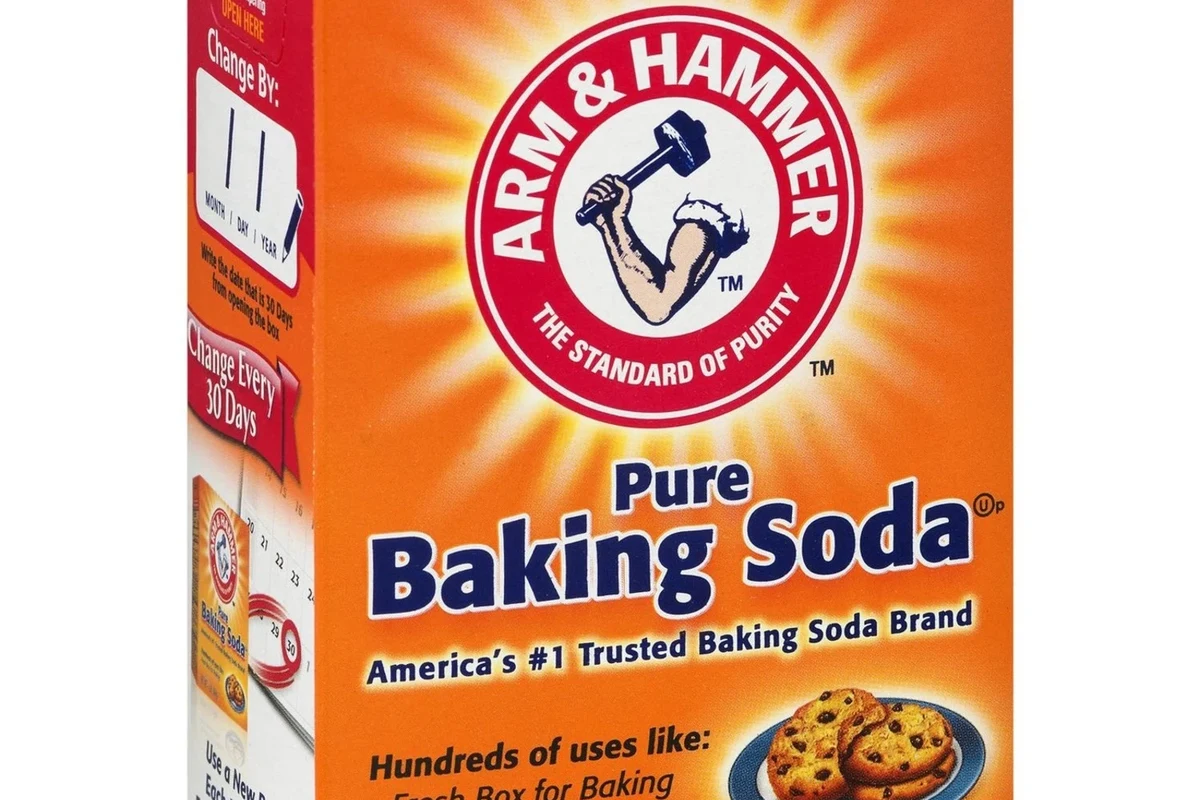
“Aluminum-free” is a label claim that matters most when a product could contain an aluminum-based leavening acid or additive. In baking, that concern usually comes up with baking powder, not plain baking soda. If you want a broader refresher on ingredient swaps, our guide on is baking soda and baking powder the same explains why the two ingredients are not interchangeable.
How baking soda differs from baking powder in aluminum content
Baking soda is sodium bicarbonate. It needs an acid in the recipe, such as buttermilk, yogurt, lemon juice, molasses, or brown sugar, to create carbon dioxide gas and help baked goods rise. Because it is a single ingredient, plain baking soda does not need aluminum-containing acids to work.
Baking powder is a blend. It usually contains baking soda plus one or more acidic ingredients, and some baking powders use aluminum-based compounds such as sodium aluminum sulfate. That is why aluminum questions are much more common with baking powder than with baking soda.
Why shoppers in 2026 still worry about hidden aluminum
Many home bakers still scan labels closely because aluminum can affect flavor in some recipes, especially in delicate cakes or quick breads. People also pay more attention to ingredient lists now, and they want simple products with fewer surprises. In a busy kitchen, confusion often starts when a package looks familiar but is actually a different leavening product.
Plain baking soda does not act like baking powder. It only creates lift when it meets an acid, which is why recipe balance matters for rise and flavor.
Does Arm & Hammer Baking Soda Have Aluminum?
For the standard Arm & Hammer baking soda box most shoppers buy for baking, the answer is no: it is typically just baking soda, meaning sodium bicarbonate. That is the main reason it is widely used in cookies, muffins, cakes, and cleaning tasks. If you are comparing brands, a product review such as our baking soda review can help you think through label reading and product choice, even though the ingredient details may differ by brand.
What the brand’s standard baking soda formula typically contains
The standard formula is usually a single-ingredient baking soda product. That means you are looking for sodium bicarbonate on the ingredient panel, not a long list of acids, starches, or anti-caking systems tied to baking powder blends. If the package is the familiar household baking soda box, it is generally meant to be pure baking soda rather than an aluminum-containing leavener.
Still, product lines can change over time, and packaging can vary by country or retail channel. The safest approach is to read the exact ingredient panel on the box or bag in front of you, not just rely on the brand name.
How to read the ingredient panel and product packaging correctly
Start with the front label, then check the ingredient list. If the product says baking soda and lists sodium bicarbonate only, that is the clearest sign you are looking at plain baking soda. If the front label mentions baking powder, double acting, or a special baking blend, stop and inspect the ingredients carefully.
Do not assume a familiar brand name means the same formula in every product. Read the exact box you are buying, especially when shopping online where product images may not match the shipped item.
When confusion happens: baking soda vs. specialty leavening products
Confusion usually happens when shoppers see a similar package or assume all leaveners work the same way. Specialty products may be designed for a specific use, and some baking powders can include aluminum-based acids. That is why a recipe that calls for baking soda should not be filled with a baking powder substitute unless the recipe has been adjusted carefully.
If a recipe calls for baking soda, using baking powder instead can change both the rise and the taste. The result may be flatter, more acidic, or less evenly browned.
Why Aluminum Matters to Home Bakers and Pastry Students
For pastry work, ingredient purity affects more than a label claim. It can affect flavor, browning, and the way a crumb sets. That is why baking students are often taught to read leavening labels as carefully as they read flour protein levels or butter temperature.
Flavor concerns, metallic aftertastes, and product quality expectations
Some bakers associate aluminum-containing baking powders with a faint metallic or bitter aftertaste, especially in lightly flavored items like biscuits, vanilla cakes, and pancakes. That flavor issue is not caused by baking soda itself. It is usually tied to the acid system in certain baking powders.
Because of that, many bakers prefer plain baking soda when the recipe already includes enough acid. In those recipes, the cleaner ingredient profile can support a more neutral taste and a more predictable crumb.
- Plain baking soda gives a simple ingredient profile.
- It works well when the recipe includes an acid.
- It can support clean flavor in delicate baked goods.
- It will not work correctly without enough acid.
- Too much can leave a soapy taste or dark color.
- It is easy to confuse with baking powder at the store.
Health perceptions versus actual ingredient composition
Some shoppers avoid aluminum because of personal preference, not because of a confirmed baking problem. That is a valid consumer choice, but it should be based on the actual ingredient list. For food safety and product questions, it is always better to verify the package than to rely on marketing language or social media claims.
Common baking situations where aluminum questions come up
These questions often show up when someone is making biscuits, muffins, chocolate cake, or holiday cookies and wants a cleaner flavor. They also come up when a recipe uses a lot of chemical leavening and the baker wants to avoid any sharp aftertaste. In pastry school kitchens, this is the kind of detail that can separate a decent result from a polished one.
How to Verify an Arm & Hammer Product Before You Bake
The best way to avoid mistakes is to verify the exact product, not just the brand. That matters even more when you shop online, where one listing can cover several variations. If you also use baking soda around the house, our guide to baking soda vinegar cleaning ovens is a helpful reminder that food-use and cleaning-use habits should stay separate.
Checking the exact SKU, front label claims, and ingredient list
Look at the full product name, package size, and ingredient panel. A standard baking soda box should identify sodium bicarbonate as the ingredient. If the front mentions deodorizing, laundry, or cleaning, that does not automatically mean the product is unsafe for food, but it does mean you should confirm the label before using it in a recipe.
Looking for cross-marketed products that are not pure baking soda
Some products sit in the same brand family but are not the same thing. You may see baking powder, specialty cleaners, or odor-control products that use the brand name but serve a different purpose. The ingredient list is the only reliable way to tell whether you have plain baking soda or a different formula.
Practical examples of label-reading mistakes buyers make
A common mistake is grabbing “double acting” baking powder when the recipe asked for baking soda. Another is assuming that a product sold near the baking aisle is automatically pure baking soda. A third is trusting a search result image instead of the actual item shipped in the box.
If you use baking soda for both baking and cleaning, keep one box for food and one for household use. This helps prevent cross-contact with dirt, cleaners, or other residues.
How Arm & Hammer Baking Soda Performs in Baking and Cleaning
Plain baking soda has a simple job in the kitchen: it reacts with acid and helps create lift. In cleaning, deodorizing, and odor control, the goal is different, and aluminum is usually not the main concern. If your interest is household use as well, you may also find baking soda on carpet clean refresh fast useful for understanding non-food applications.
Leavening role in cookies, cakes, muffins, and quick breads
In cookies, baking soda can encourage browning and spread, especially when there is enough acidic ingredient to activate it. In cakes and muffins, it helps create a lighter crumb when the batter chemistry is balanced. In quick breads, it can improve rise, but only if the recipe has the right amount of acid.
Why purity matters for taste, rise, and browning
Purity matters because extra ingredients can change how the batter behaves. A clean baking soda product gives you more predictable browning and a more controlled reaction with acid. If the soda is old, damp, or measured incorrectly, the problem is usually performance, not aluminum.
Baked goods taste bitter, soapy, or overly brown.
Check your measurement, make sure the recipe has enough acid, and confirm the baking soda is fresh and stored dry.
Cleaning and deodorizing uses where aluminum is not the main concern
For cleaning, baking soda is valued for odor absorption and gentle scrubbing. In those uses, the main issue is whether the product is dry, fresh, and appropriate for the surface you are cleaning. If you are cleaning cookware, follow the manufacturer’s care instructions so you do not scratch coatings or damage finishes.
Common Mistakes When Choosing Baking Soda for Recipes
Most baking soda mistakes are simple, but they can ruin a batch quickly. The good news is that they are easy to spot once you know what to look for. If you have ever wondered whether a recipe could be adjusted, our article on using baking soda instead of baking powder safely covers the chemistry behind that swap.
Buying baking powder instead of baking soda
This is the most common mix-up. Baking powder already includes acid, so it behaves differently in the oven and can alter both flavor and texture. If a recipe depends on the sharp reaction of baking soda with an acidic ingredient, baking powder is not a direct replacement.
Using old or improperly stored product
Baking soda absorbs moisture and odors from the air. If the box has been open for a long time, or stored near strong-smelling foods, it may still look fine but perform poorly. For best results, keep it sealed in a dry cabinet and replace it when freshness becomes questionable.
Assuming “natural,” “pure,” or “double acting” means the same thing
These terms do not mean the same thing. “Pure” usually points to a single-ingredient baking soda, while “double acting” is a baking powder term. “Natural” is a marketing word that does not replace the ingredient panel, so always check the label for the actual formula.
- Read the ingredient list before baking.
- Match the leavener to the recipe chemistry.
- Store the box in a cool, dry place.
- Do not assume every Arm & Hammer product is the same.
- Do not use expired or damp baking soda for important bakes.
- Do not replace baking soda with baking powder without checking the recipe.
Storage, Safety, and Best Practices for Baking Soda in 2026
Good storage helps baking soda stay dry and effective. It also reduces the chance of accidental mix-ups between food and cleaning products. In a home kitchen or pastry lab, these small habits save time and reduce waste.
How to store baking soda to protect freshness and performance
Keep unopened boxes in a dry pantry and opened boxes tightly closed. Avoid storing them near strong odors, steam, or direct heat. If you portion baking soda into another container, label it clearly so you know whether it is for food or household use.
Safety notes for food use versus household cleaning use
For food use, follow recipe amounts carefully because too much baking soda can affect taste and texture. For cleaning use, keep it away from eyes and rinse surfaces well after use. If a product is intended only for cleaning, do not assume it is food-safe.
When to replace an opened box in a busy kitchen
Replace it when it has absorbed odors, clumped from moisture, or no longer gives reliable lift in test baking. In a professional or high-volume home kitchen, it is smart to keep a fresh box for baking and a separate box for cleaning. That simple habit prevents cross-use mistakes and keeps results more consistent.
Check the label, measure accurately, and confirm the recipe includes an acid if needed.
Watch for even spread, steady rise, and golden browning rather than raw centers or bitter edges.
Let baked goods set before judging texture, since crumb structure firms as steam escapes.
Final Verdict: Should You Use Arm & Hammer Baking Soda if You Want Aluminum-Free Baking?
Yes, Arm & Hammer baking soda is generally a good choice if you want a standard aluminum-free baking soda for everyday baking. The important caveat is that you must confirm you are buying plain baking soda, not a baking powder or specialty blend. For kitchen use, that distinction matters more than the brand name itself.
Who it is best for in everyday baking and pastry work
It is best for bakers who want a simple, familiar sodium bicarbonate product for cookies, muffins, quick breads, and other recipes that include an acid. It is also a practical choice for home cooks who want one dependable box for both baking and some household cleaning tasks, provided they keep those uses separated.
What to double-check before purchasing in stores or online
Check the exact product name, the ingredient list, and any front-label claims. If you are buying online, make sure the item shown is the item being sold, and review the seller description carefully. When in doubt, compare the package against the recipe’s needs before adding it to your cart.
Simple recap for deciding whether it fits your recipe goals
If your goal is aluminum-free baking soda, the standard Arm & Hammer baking soda box usually fits that need. If your recipe calls for baking powder, or if you need a very specific leavening system, choose the product that matches the formula instead of relying on the brand alone. That is the safest way to get the flavor, rise, and texture you want.
Use Arm & Hammer baking soda when you want a plain sodium bicarbonate product for baking or household use, and confirm the label if you are shopping online. If you want aluminum-free results, the key is verifying that you have baking soda, not a baking powder blend.
Frequently Asked Questions
The standard Arm & Hammer baking soda product is typically plain sodium bicarbonate and does not contain aluminum. Always confirm the exact ingredient list on the box you buy.
Baking soda is a single ingredient that needs an acid to create lift. Baking powder already includes acid, and some versions may use aluminum-based ingredients.
Yes, but keep a separate box for food use and household cleaning. That helps prevent cross-contact with dirt, cleaners, or odors.
Too much baking soda, too little acid, or old product can cause that flavor. Recheck the recipe and measure carefully.
Store it in a dry, sealed container away from steam and strong odors. Replace it if it clumps, smells off, or no longer gives reliable rise.
Check the exact product name, ingredient list, and seller description. Online images can be misleading, so make sure you are buying plain baking soda and not baking powder.
