
Baking Soda for Smoke Odors Easy Ways to Freshen Air

Baking soda can help reduce light smoke odors by absorbing and neutralizing some smell compounds instead of masking them. It works best after cleaning the source and will not fix heavy smoke damage on its own.
Smoke odors can linger long after the visible mess is gone, especially in fabrics, soft surfaces, and small enclosed spaces. Baking soda for smoke odors is a simple, low-cost option that can help reduce mild smells when you use it correctly and give it enough time to work.
- Best use: Mild, recent smoke smells in rooms, cars, closets, and washable fabrics.
- Main limit: It cannot remove soot, deep residue, or heavy fire damage by itself.
- Best results: Combine baking soda with cleaning, ventilation, and repeat treatment.
- Surface care: Test delicate fabrics and finishes before broad use.
- Timing matters: Let it sit long enough, then vacuum or replace it with fresh powder.
Baking Soda for Smoke Odors: How It Works and What It Can Actually Do
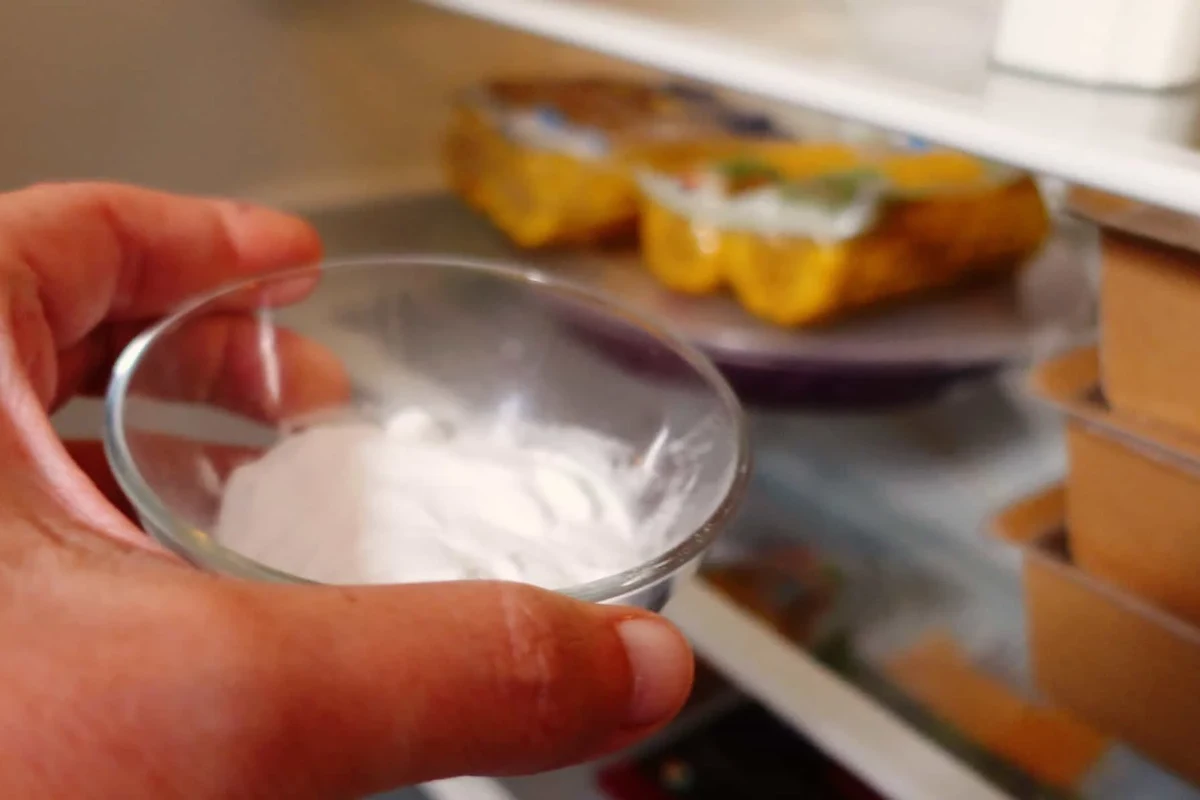
Baking soda helps with smoke odors because it can interact with odor molecules instead of just covering them up with fragrance. That makes it useful in kitchens, closets, cars, and other places where the smell is fresh or light.
It is not a full replacement for cleaning soot, washing fabrics, or improving ventilation. If smoke residue is still on a surface, the odor often stays until the residue is removed.
Why baking soda absorbs odor instead of masking it
Baking soda is mildly alkaline, and that helps it neutralize some acidic odor compounds. It also works by giving odor particles a surface to cling to, which can reduce the strength of the smell in the air and on soft items.
That is different from sprays or candles that only add another scent on top. For best results, think of baking soda as an odor helper, not a perfume.
What kinds of smoke smells it helps with most: kitchen, fireplace, candle, and light cigarette odor
Baking soda tends to work best on mild, recent smoke smells from burned food, a smoky kitchen, a fireplace after use, candle soot, or light cigarette odor in a room. It can also help in closed storage areas where the smell has not had time to soak deeply into materials.
In these situations, the odor may be present in the air or on the surface of fabrics, which makes it easier to reduce with repeated treatment and airflow.
Odors often cling to porous materials like carpet, upholstery, curtains, and drywall more stubbornly than to hard, nonporous surfaces. That is why smoke cleanup usually works better when you combine odor control with actual cleaning.
Where baking soda falls short for heavy fire damage or deeply embedded smoke smell
If a room has fire damage, heavy soot, or a smoke smell that has soaked into walls, insulation, or ductwork, baking soda alone will not solve the problem. In those cases, the odor source is deeper than the powder can reach.
After serious smoke exposure, you may need detergent cleaning, specialized odor absorbers, HVAC attention, or professional restoration. If the air still feels irritating or the smell keeps returning, treat that as a sign to escalate the cleanup.
Best Ways to Use Baking Soda for Smoke Odors Around the Home
For everyday odor control, the best results usually come from placing baking soda where air moves slowly or where smoke smell collects. You can also use it directly on soft surfaces before vacuuming, as long as the material can handle dry powder.
Open-container placement in rooms, closets, and cabinets
One of the easiest methods is to pour baking soda into shallow bowls or open containers and place them in the smoky area. This works well in closets, cabinets, pantries, and corners of rooms where air does not circulate well.
For a small space, one container may be enough as a starting point. For larger rooms, use multiple containers so the powder has a better chance of interacting with the air in more than one spot.
Sprinkling on carpets, rugs, upholstery, and mattresses before vacuuming
Dry baking soda can help freshen carpets, rugs, and some upholstered items by sitting on the surface and reducing odor before vacuuming. Sprinkle a light, even layer, let it sit, and then vacuum thoroughly.
This method works best on materials that can be vacuumed clean without trapping powder deep in the fibers. If the item is delicate, test a hidden area first and use the gentlest approach possible.
Using baking soda on curtains, bedding, and soft furnishings safely
Curtains, bedding, and throws can hold smoke odor because they absorb particles easily. If the fabric is washable, laundering is usually more effective than dry deodorizing alone, but baking soda can still help as part of the process.
For non-washable drapes or decorative textiles, use a light dusting only if the fabric can be vacuumed safely. Avoid overapplying, since excess powder can be hard to remove from folds and seams.
Always check care labels before applying baking soda to upholstery, mattresses, curtains, or specialty fabrics. Delicate finishes, moisture-sensitive materials, and some performance textiles can be damaged or left with residue if you use too much product.
Freshening trash bins, ashtrays, and other odor-prone spots
Trash bins, ashtrays, and pet areas can hold smoky, stale odors even after the main source is gone. A small amount of baking soda in the bottom of a clean, dry bin can help reduce odor between washings.
For ashtrays and other odor-prone containers, empty them first and clean away residue. Baking soda works better after the source material is removed.
Step-by-Step Techniques for Different Surfaces and Spaces
The right method depends on where the smoke smell is coming from. A kitchen after burnt toast needs a different approach than a car interior that picked up cigarette odor over time.
Before you add baking soda, open windows and run fans if possible. Fresh airflow helps remove airborne smoke particles so the powder can focus on the smell left behind.
Clean soot, spills, ash, or residue before deodorizing. Baking soda works best after the surface is already clean and dry.
Give the powder time to absorb and interact with odors, then vacuum, wipe, or replace it as needed. Short contact time usually means weaker results.
Room-by-room treatment for lingering smoke after cooking or candles
For a room with a light cooking smell or candle smoke, start by removing the source and airing out the area. Then place open containers of baking soda near the affected zone, especially close to soft furnishings and shelves where odor can settle.
If the smell is on fabrics, treat those items separately. A room may smell fine after the air clears, but upholstery and drapes can continue to release odor later.
Smoke odor often comes back when a room warms up or humidity changes because trapped particles can release from fabrics and surfaces. If that happens, repeat treatment after cleaning rather than assuming the first round failed.
Car interior deodorizing without damaging fabrics or electronics
Car interiors can trap smoke odor in seat fabric, floor mats, and headliners. Use baking soda only on dry, fabric-safe areas, and keep it away from vents, buttons, screens, and other electronics.
Sprinkle lightly on carpets or mats, let it sit, then vacuum carefully. For seats, test a hidden spot first, since some materials can show residue or texture changes.
If you are also concerned about appliance or vehicle safety in general, it can help to read more about related topics like are air fryers dangerous and have air fryers caused fires, since heat, airflow, and cleaning habits all affect odor and safety in enclosed spaces.
Smoke odor cleanup in laundry: pre-soak and wash booster methods
For washable items, baking soda can be used as a pre-soak aid or wash booster. Add it to water for a soak when the care label allows, or use it in the wash only if the fabric and detergent directions permit.
This works best on towels, basic cottons, and other sturdy fabrics. For wool, silk, or specialty blends, follow the care label and avoid guesswork.
Using baking soda with ventilation and airflow for better results
Ventilation makes baking soda more effective because it reduces the amount of smoke in the air while the powder works on what remains. A fan can help move stale air out of a room, but it should not blow dust directly at delicate surfaces.
Think of airflow as the first step and baking soda as the second. When both are used together, the odor usually fades faster than it would with either method alone.
How Much Baking Soda to Use and How Long to Leave It in Place
There is no single exact amount that works for every room, because odor strength, room size, humidity, and airflow all matter. Start with enough baking soda to lightly cover the target area or to fill several open containers, then adjust based on results.
Practical measurement guidelines for small, medium, and larger spaces
For a small closet, cabinet, or bathroom, one shallow bowl of baking soda may be enough to start. For a medium room, use several containers placed around the space so the odor can be captured from more than one area.
For carpets or upholstery, use a light but visible layer rather than a thick pile. Too much powder can be harder to remove and does not necessarily work better.
How long to let it sit before vacuuming, wiping, or replacing
Give baking soda enough time to work before you remove it. For air freshening, that may mean leaving it in place for several hours or overnight, depending on the smell and the size of the space.
On soft surfaces, let it sit long enough to contact the odor but not so long that it becomes damp or compacted. If the area is humid, check it sooner so the powder does not clump.
When to refresh the powder for ongoing odor control
If the smell is still present after the first treatment, replace the baking soda with fresh powder. Once the powder has absorbed moisture and odor, it becomes less effective.
For ongoing odor control in closed spaces, refreshing it every so often is more useful than leaving the same powder in place indefinitely.
The smoke smell is still noticeable after one treatment.
The odor may be embedded in fabric or residue may still be present. Clean the source first, improve airflow, and repeat the baking soda treatment with fresh powder.
Common Mistakes That Make Smoke Odors Harder to Remove
Baking soda is simple to use, but a few common mistakes can make it seem ineffective. Most problems come from using too little product, placing it in the wrong spot, or skipping the cleaning step that removes the odor source.
Relying on baking soda alone when smoke residue needs cleaning first
If soot or greasy smoke film is still on a surface, the smell will keep coming back. Wiping down hard surfaces and washing fabrics first is usually necessary before any deodorizing step can help.
Using too little product or placing it in the wrong location
A single bowl in a large room may not do much. Place containers where air is likely to move slowly, and use enough powder to match the size of the space.
For soft surfaces, spread it evenly over the area that actually holds the smell. A tiny patch on the edge of a carpet will not freshen the whole room.
Mixing baking soda with moisture-sensitive materials or delicate finishes
Some surfaces do not respond well to dry powders, especially if they have a fragile coating, loose weave, or special finish. Rubbing can also leave visible wear on painted or polished surfaces.
If you are unsure, test in a hidden area first and keep the application light.
Expecting immediate results instead of repeated treatment
Smoke odor often improves gradually, not instantly. One round of treatment may reduce the smell, but a second or third round is sometimes needed for a noticeable difference.
That is especially true when the odor is old, the room is humid, or the smoke came from a strong source.
- Clean visible residue before deodorizing
- Use fresh baking soda in the right amount
- Improve airflow while treating the space
- Using it on damp or delicate surfaces without testing
- Expecting one treatment to fix heavy smoke damage
- Leaving powder buildup in carpets or crevices
Safety, Surface Care, and Cleanup Tips Before You Start
Most baking soda odor treatments are straightforward, but surface safety still matters. The goal is to reduce smoke smell without creating a new cleaning problem.
Testing on fabrics, finishes, and electronics before broad use
Always test a hidden area first on upholstery, painted trim, or specialty fabric. A small test helps you see whether the material reacts badly or leaves a residue.
Keep baking soda away from electronics, open ports, and mechanical parts unless the manufacturer says a dry cleaning method is safe.
Avoiding abrasive rubbing on delicate upholstery and painted surfaces
Baking soda can act like a mild abrasive if it is rubbed aggressively. On delicate fabric or paint, that can dull the finish or push odor deeper into the material.
Use a light touch, let the powder do the work, and remove it carefully.
Vacuuming and disposal tips to prevent powder buildup
Vacuum thoroughly after using baking soda on carpets or upholstery so the powder does not settle back into the fibers. Empty the vacuum or check the filter if you use it heavily, especially after treating a smoky room.
For open containers, replace the powder rather than topping it off forever. Fresh powder generally works better than a container that has already absorbed a lot of odor and moisture.
When smoke odor signals a bigger cleanup or air-quality issue
If smoke smell is paired with soot, discoloration, headaches, breathing irritation, or a smell that returns no matter what you do, the issue may be bigger than a simple deodorizing job. That can point to hidden residue, poor ventilation, or a more serious indoor air problem.
In those cases, follow recognized guidance for cleaning and ventilation, and consider professional help if the contamination is widespread.
If smoke came from a cooking fire, burned grease, or a malfunctioning appliance, make sure the area is safe and fully cooled before cleaning. If you suspect electrical damage, gas issues, or ongoing air quality concerns, stop and get qualified help.
When Baking Soda Is Enough and When to Upgrade Your Odor-Removal Plan
Baking soda is a smart first step for mild and localized smoke odors. It is inexpensive, easy to use, and helpful when the smell is fresh and the source has already been cleaned.
Best use cases for mild, recent, or localized smoke odors
Use baking soda when the odor is limited to one room, one car interior, one cabinet, or a few washable items. It is especially useful after burnt food, candle smoke, or a light smoky smell that has not settled deeply into the home.
In those situations, a combination of cleaning, airflow, and baking soda can make a noticeable difference without much effort.
Situations that call for deep cleaning, activated charcoal, or professional help
If the smoke smell is old, strong, or spread through multiple rooms, look beyond baking soda. Activated charcoal, thorough washing, and deep cleaning may do more, especially for porous materials.
For severe smoke damage, fire restoration services are often the practical choice because they can address hidden residue and structural odor sources that home methods cannot reach.
Final recap: choosing the right approach for fresher air in 2026
The best way to use baking soda for smoke odors is to match the method to the problem. Clean the source, improve ventilation, place the powder where it can actually contact the odor, and repeat as needed.
For mild smoke smells, baking soda can be enough. For heavy smoke damage, it should be part of a larger cleanup plan rather than the only solution.
Baking soda is a useful, beginner-friendly odor reducer for light smoke smells in rooms, fabrics, and small enclosed spaces. It works best when paired with cleaning and airflow, and it should not be expected to fix heavy smoke damage on its own.
Frequently Asked Questions
For air freshening, leave it in place for several hours or overnight when possible. On fabrics, let it sit long enough to contact the odor, then vacuum thoroughly.
It can help with light or recent cigarette odor, especially in small spaces and on soft surfaces. Strong or long-term smoke smells usually need cleaning, washing, and sometimes professional help.
It can be safe on some fabric surfaces if the care label allows dry cleaning methods and you test a hidden spot first. Avoid heavy application, and vacuum carefully to remove all residue.
Clean first whenever there is soot, ash, or smoke film on the surface. Baking soda works best after the odor source has been removed.
Yes, it can help on fabric mats and carpets if used lightly and vacuumed well. Keep it away from electronics, vents, and sensitive finishes.
If the smell comes from fire damage, deep soot, or multiple rooms, baking soda alone is usually not enough. In those cases, deep cleaning or professional restoration may be needed.