
Red Mill Baking Soda Uses Benefits and Best Tips

Red mill baking soda works best in recipes with enough acid to activate it, helping baked goods rise, brown, and stay tender. Careful measuring and proper storage are essential for clean flavor and reliable results.
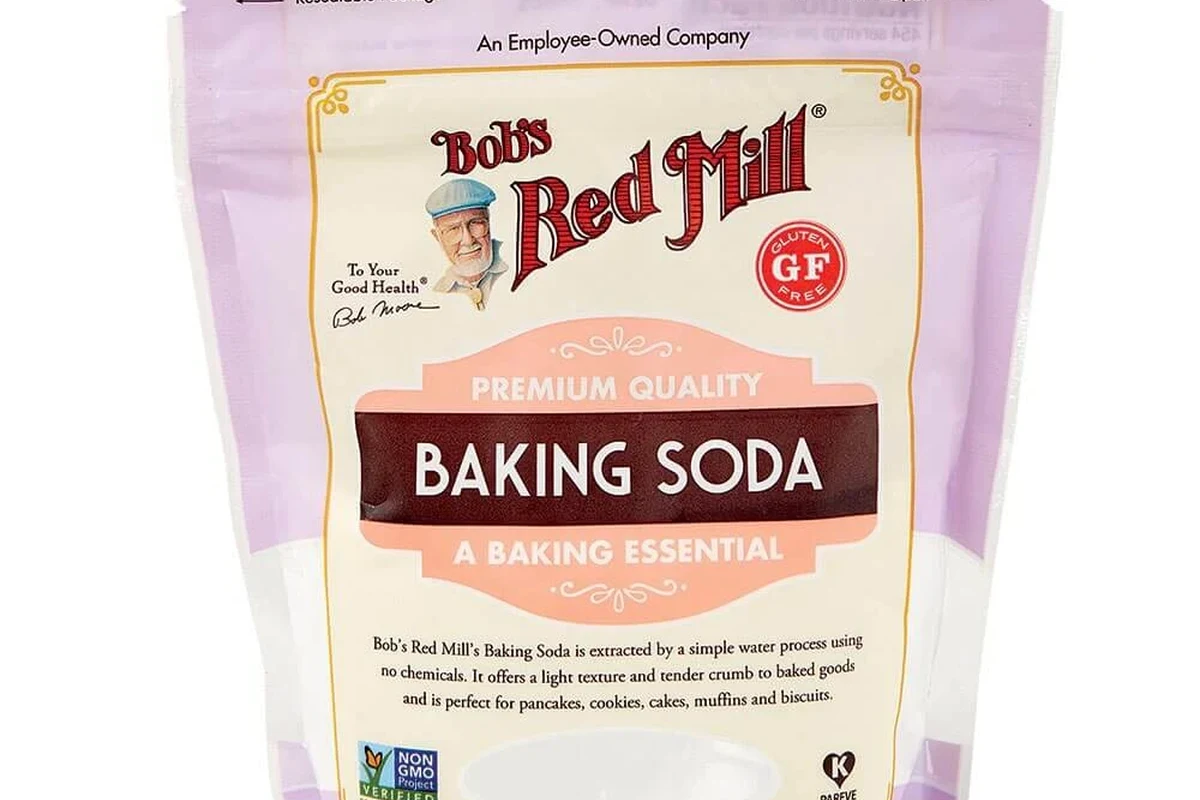
- Best use: Pair it with acidic ingredients like buttermilk, yogurt, molasses, or citrus.
- Measurement matters: Too much can cause bitter flavor, dark color, and coarse texture.
- Freshness check: A quick fizz test with vinegar or lemon juice can confirm activity.
- Storage tip: Keep it sealed, dry, and away from odors to prevent clumping.
- Recipe rule: Use baking powder when the formula does not contain enough acid for baking soda.
Frequently Asked Questions
Use the amount written in the recipe and measure it level unless the recipe says otherwise. Baking soda is powerful, so even a small extra amount can change flavor and texture.
Not always. Baking soda needs acid to work, while baking powder already contains acid, so substitutions usually require recipe changes.
That usually means there was too much baking soda or not enough acid to balance it. Check the recipe, measure carefully, and make sure the ingredient list includes an acidic component.
Mix a small amount with vinegar or lemon juice and look for an immediate fizz. If there is little or no reaction, replace it.
Buttermilk, yogurt, sour cream, molasses, natural cocoa, citrus juice, and vinegar are common partners. The best match depends on the full recipe formula.
Keep it sealed in a cool, dry cabinet away from moisture and strong odors. Replace it if it becomes clumpy, damp, or stale-smelling.