
Baking Soda for Urine Stains Easy Cleaning Tips That Work

Baking soda can help absorb moisture and reduce odor from fresh urine stains, but it works best as part of a careful cleanup. For old, deep, or recurring stains, you will usually need an enzyme cleaner or deeper cleaning method.
Baking soda for urine stains can help with odor, moisture, and light cleanup, but it is not a magic fix for every mess. The best results come from acting quickly, using the right amount, and matching the method to the surface.
- Fresh is best: Quick blotting and baking soda work much better than waiting.
- Use lightly: A thin, even layer is usually enough for most surfaces.
- Dry fully: Good airflow helps prevent trapped odor and residue.
- Know the limit: Deep, old, or repeated stains often need enzyme cleaning.
What Baking Soda Can and Cannot Do for Urine Stains
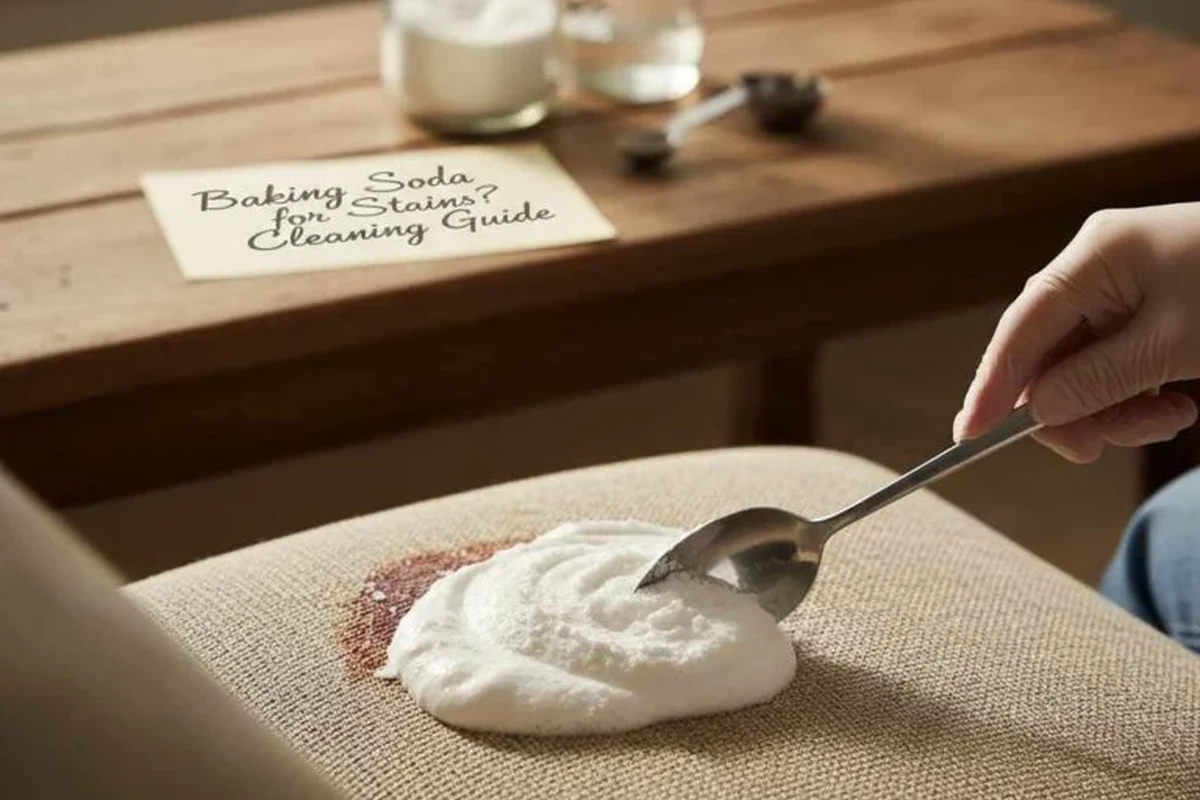
Baking soda works well as a simple cleanup helper because it can absorb some moisture and reduce odor. It does not actually “erase” a stain the way a full wash cycle or enzyme treatment can, especially once urine has soaked deep into fibers or padding.
How baking soda helps absorb moisture and neutralize odor
Urine leaves behind water, salts, and odor-causing compounds. Baking soda is mildly alkaline, so it can help balance some of the smell and pull in surface moisture while the area dries. That is why it is often used after blotting, not before.
Baking soda is most useful when it can sit on a damp area and do its work slowly. If the spot is already soaked through, the powder can only help the top layer unless you also clean deeper.
Why fresh stains respond better than set-in stains
Fresh urine is easier to manage because less of it has had time to move into carpet backing, mattress foam, or upholstery filling. Once it dries, the odor compounds can cling more tightly to the material, and the stain may need an enzyme cleaner or repeated treatment.
Common surfaces where baking soda is useful and where it falls short
Baking soda is useful on carpets, rugs, mattresses, upholstery, bedding, and laundry when the stain is still fresh or lightly set. It is less effective on old stains, saturated padding, delicate fabrics that should not be wet, and hard surfaces where the issue is more about residue than odor.
- Helps absorb surface moisture
- Can reduce lingering odor
- Easy to use in most homes
- Does not fully remove deep stains
- Works slowly, not instantly
- May need a stronger cleaner for old accidents
How to Treat Fresh Urine Stains with Baking Soda
The simplest method is to blot first, then use baking soda once the worst of the liquid is gone. If you skip blotting, you can push the stain deeper and make the cleanup harder.
Step-by-step blotting, rinsing, and sprinkling method
Use clean paper towels or an absorbent cloth and press firmly. Do not rub, because rubbing spreads the liquid and works it deeper into fibers.
For carpet, upholstery, or bedding, use a small amount of cool water to dilute what remains. Keep the area damp, not soaked, so you do not spread the problem.
Cover the damp area with an even layer. Let it sit long enough to absorb moisture and odor before vacuuming or washing.
If the spot is still very wet, blot more before adding baking soda. A drier surface gives the powder a better chance to absorb odor instead of clumping right away.
Recommended amounts for carpets, mattresses, upholstery, and laundry
Use enough baking soda to make a thin, visible layer over the affected area. For a small carpet spot or upholstery mark, a light but complete dusting is usually enough. For a mattress or larger fabric area, use more so the powder can cover the full damp patch without leaving bare spots.
For laundry, add baking soda only as a pre-treatment aid or wash booster if the care label allows it. It is not a replacement for detergent, and heavily stained clothing may still need a stain remover or an extra rinse.
How long to leave it in place before vacuuming or washing
Let baking soda sit until the area is dry to the touch, which may take several hours depending on humidity, airflow, and how much liquid was involved. On carpets and mattresses, many people leave it on longer for odor control, then vacuum thoroughly. For washable items, follow the garment care label and wash after the pre-treatment step.
Best Baking Soda Combinations for Stronger Odor and Stain Control
Sometimes baking soda alone is enough for a small, fresh accident. For stronger odor or a stain that has already started to set, pairing it with the right cleaner can improve results.
Using vinegar, hydrogen peroxide, or enzyme cleaners safely
Vinegar can help with odor on some surfaces, but it should be used carefully because too much liquid can spread the stain. Hydrogen peroxide may help with some light-colored fabrics, but it can discolor materials, so spot-testing matters. Enzyme cleaners are often the best choice for pet urine because they are designed to break down the organic residue that causes smell.
Do not mix cleaning products without checking the label first. Never combine bleach with ammonia or vinegar, and always follow manufacturer directions for enzyme cleaners, hydrogen peroxide, and any fabric-safe solution.
When to choose a baking soda paste versus a dry sprinkle
A dry sprinkle is best when the area is already damp and you want baking soda to absorb moisture and odor. A paste, made with a small amount of water, can be useful for a stubborn surface mark on a hard-wearing material, but it is not the best choice for mattresses or anything that should stay dry.
Why mixing the wrong products can reduce effectiveness
Some combinations cancel each other out or create too much fizz without actually cleaning deeper. For example, vinegar and baking soda react quickly, but the bubbling action is not the same as removing residue from deep in a carpet pad. If the goal is odor control, an enzyme cleaner often works better than trying to force a reaction with household ingredients.
Cleaning Urine Stains by Surface Type
Different surfaces hold moisture in different ways, so the same method does not work equally well everywhere. A carpet can hide liquid in the backing, while a sheet may be cleaned with a simple wash cycle.
Carpet and area rugs: fiber-safe cleaning and drying tips
Blot the spill first, then apply a light rinse if needed and cover the area with baking soda. Vacuum only after the carpet is fully dry, since damp powder can clog a vacuum and leave residue behind. Good airflow helps, so open windows or use a fan when possible.
Some rug fibers and dyes are more delicate than standard wall-to-wall carpet. Always check the care label or test a hidden spot before using moisture, vinegar, or peroxide.
Mattresses: moisture control, odor removal, and avoiding over-wetting
Mattresses need a light touch because too much liquid can soak into foam and padding. Blot the area, use only a small amount of liquid if needed, then cover the spot with baking soda and let it dry completely before vacuuming. If the smell remains after drying, a deeper treatment may be needed.
Upholstery and fabric furniture: spot-testing and colorfastness checks
Fabric furniture can react differently depending on the weave, dye, and backing. Test a hidden area first, then use a small amount of cleaner and baking soda rather than soaking the cushion. If the item has a removable cover, check the care tag before treating it at home.
Clothing and bedding: pre-treatment, wash-cycle tips, and odor removal
For washable items, rinse the fabric in cool water if the label allows it, then pre-treat with a baking soda paste or a light sprinkle before washing. Use the warmest water the care label permits, because heat settings vary by fabric and dye stability. If odor remains after washing, do not dry the item until you are sure the smell is gone, since heat can set it.
Keep cleaning products away from food-prep areas, and wash your hands after cleanup. If you use gloves, remove them carefully so you do not touch the contaminated surface with bare skin.
Common Mistakes That Make Urine Stains Harder to Remove
Most cleanup problems come from moving too fast or using too much liquid. A patient, light-handed method usually works better than aggressive scrubbing.
Rubbing the stain deeper into fibers
Rubbing pushes urine farther into the material and can rough up delicate fibers. Blotting lifts liquid out instead of spreading it around, which is especially important on carpet and upholstery.
Using too much liquid and spreading the damage
More water is not always better. Excess liquid can spread the stain beyond the original spot and reach padding or foam, where odor is harder to remove.
Skipping drying time and trapping odor in the material
If you vacuum or cover the area too soon, moisture can stay trapped underneath. That trapped dampness often keeps the smell alive even when the surface looks clean.
Expecting baking soda alone to remove old or saturated stains
Baking soda is helpful, but it has limits. Old stains, repeated pet accidents, and soaked-through padding usually need enzyme cleaners, steam cleaning, or professional treatment to fully address the odor source.
The stain looks lighter, but the smell returns later.
The urine likely reached deeper layers. Clean the area again with a deeper-acting product, then dry it thoroughly with airflow before deciding if more treatment is needed.
Safety, Fabric Care, and When Baking Soda Is Not Enough
Most home cleanup is simple, but delicate materials and repeated accidents need more caution. When in doubt, start with the least aggressive method and move up only if needed.
Testing hidden areas before cleaning delicate materials
Spot-test any cleaner on a hidden section of the fabric, rug, or upholstery first. Look for color change, texture change, or residue after the test area dries.
Protecting pets, children, and people with allergies during cleanup
Keep the area blocked off until it is clean and dry. If you are using any stronger cleaner, make sure the room is ventilated and follow the product label closely. For allergy concerns, check labels carefully and avoid anything that leaves heavy fragrance or dust in the air.
Signs that call for enzyme cleaners, steam cleaning, or professional help
If the stain is old, the odor keeps coming back, or the material feels damp below the surface, baking soda alone is probably not enough. Enzyme cleaners are often a better next step for pet urine, while steam cleaning or professional upholstery and carpet care may be needed for large or repeated accidents.
- Blot quickly and gently
- Use baking soda on a damp, not soaked, spot
- Let the area dry fully before vacuuming or washing
- Scrubbing the stain
- Flooding the fabric with liquid
- Assuming powder alone will fix deep odor
Choosing the Right Cleanup Approach for Your Situation
For a fresh accident, baking soda for urine stains is a practical first step because it is simple, inexpensive, and easy to use. For recurring pet stains or older odors, treat baking soda as part of the cleanup, not the whole solution.
Best use cases for fresh accidents, recurring pet stains, and old odors
Fresh accidents on carpet, bedding, or upholstery respond best to blotting and a baking soda finish. Recurring pet stains usually need a stronger cleaner that reaches the odor source. Old odors often sit in padding, foam, or backing materials, so the cleanup may need more than surface treatment.
How to decide between a simple baking soda treatment and a deeper cleaning method
If the spot is small, recent, and only lightly damp, start with baking soda. If the area is large, saturated, repeatedly soiled, or still smells after drying, move to an enzyme cleaner, deeper washing, or professional cleaning. For broader home-care guidance, readers who also deal with appliance and fabric questions may find our articles on air fryer safety concerns and air fryer liner safety useful when choosing products and following manufacturer instructions.
Practical recap for getting cleaner results with less effort
Blot first, use baking soda on the damp area, and give it enough time to dry before removing it. Match the method to the surface, avoid over-wetting, and use a stronger cleaner when the stain is old or deep. That approach usually saves time and gives a better result than trying to scrub harder.
Baking soda is a smart first response for fresh urine stains because it helps absorb moisture and reduce odor. It works best as part of a careful cleanup routine, with deeper cleaning reserved for old, saturated, or recurring stains.
Frequently Asked Questions
It can help with fresh stains and odor, but it does not always remove deep or old urine stains completely. If the stain has soaked into padding or foam, you may need an enzyme cleaner or deeper cleaning.
Leave it in place until the area is dry to the touch, which may take several hours depending on airflow and humidity. For odor control, some people leave it longer before vacuuming.
You can use them carefully on some surfaces, but the reaction is not a substitute for deep cleaning. Always check the fabric care label and avoid mixing products unless the label says it is safe.
Usually yes, if you use it lightly and avoid soaking the material. Spot-test first, and do not over-wet foam, cushions, or delicate fabrics.
The urine likely reached deeper layers, so surface cleaning was not enough. Try an enzyme cleaner, improve drying with airflow, or use professional cleaning if the odor persists.
Yes, it can help as a pre-treatment or wash booster if the care label allows it. It should be used with detergent, and the item should not be heat-dried until the odor is gone.