Using Baking Soda to Deodorize Carpet Fast and Easily
Baking soda can freshen carpet quickly by helping reduce surface odors and absorb some smell-causing residue. It works best on dry carpet with light to moderate odors, then thorough vacuuming removes the powder.
Using baking soda to deodorize carpet is one of the simplest dry-cleaning tricks for freshening a room fast. It works best on light to moderate odors, routine maintenance, and carpets that can be vacuumed thoroughly after treatment.
- Best use: Light, surface-level carpet odors and routine freshening.
- Key limit: It will not replace stain removal or deep cleaning.
- Important step: Apply only to dry carpet and vacuum slowly after sitting time.
- Carpet care: Test delicate fibers, especially wool, in a hidden area first.
Why Baking Soda Works to Deodorize Carpet in 2026
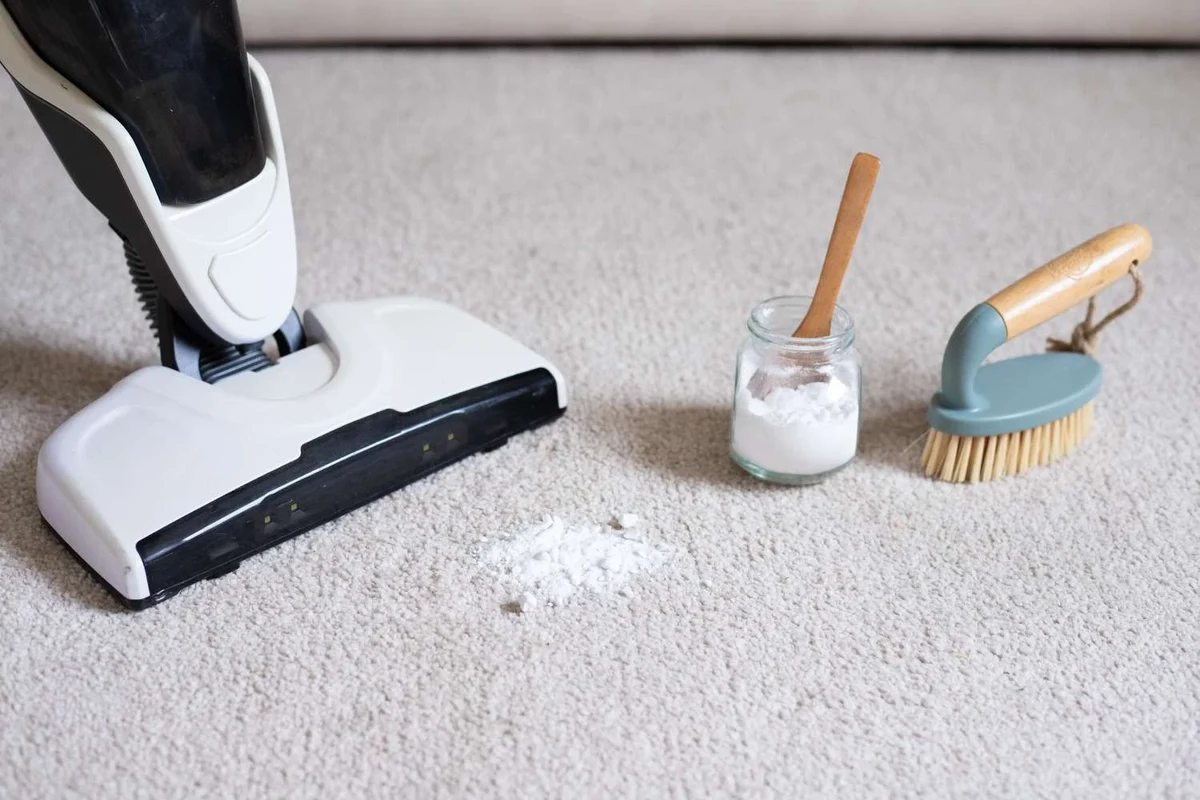
Baking soda helps reduce carpet odor because it is mildly alkaline and can interact with some acidic odor compounds instead of just masking them. It also acts like a dry sponge for moisture and odor particles sitting near the carpet surface, which is why it is such a common pantry fix for home cleaning.
Baking soda is most effective when it has direct contact with the odor source and enough time to sit before vacuuming. That is why a quick sprinkle and immediate vacuum usually do less than a longer treatment.
How baking soda absorbs odor-causing compounds in carpet fibers
Carpet fibers trap dust, oils, food particles, pet residue, and tiny moisture pockets. Baking soda can help neutralize some smells and loosen the “stale” feeling that builds up in those fibers, especially when the odor is not deeply embedded in the pad below.
Think of it as a surface deodorizer, not a magic eraser. It can improve freshness, but it does not remove stains, lift oils by itself, or sanitize carpet.
What types of carpet smells respond best to this method
This method usually works best for mild household odors such as foot traffic smells, light cooking odors, and general stuffiness. It can also help after a spill has been cleaned and the carpet still carries a faint smell.
Pet odors, smoke, and old food smells may improve, but they often need more than baking soda alone. If the smell is strong enough to notice from across the room, expect only partial results unless you combine methods.
When baking soda is not enough and stronger cleaning is needed
If the odor keeps returning after vacuuming, the source may be in the carpet backing, padding, or subfloor. That is common with urine, repeated spills, heavy smoke exposure, or long-term dampness.
In those cases, baking soda can be part of the cleanup, but it should not be the only step. You may need an enzymatic cleaner, hot-water extraction, or professional carpet cleaning depending on the cause.
Choosing the Right Baking Soda Approach for Your Carpet Type
Not every carpet responds the same way. Fiber height, density, and material affect how well powder can settle in, sit, and vacuum out cleanly.
Low-pile, plush, wool, and synthetic carpet considerations
Low-pile carpet is usually the easiest to deodorize because the powder can reach deeper and vacuum out more cleanly. Plush carpet can hold odor well, but it can also trap more powder near the base of the fibers, so you may need extra vacuum passes.
Wool carpet deserves more caution. It is best to test a hidden area first, use a light amount, and avoid overworking the fibers. Synthetic carpets are often the most forgiving, but manufacturer care instructions still matter.
Fresh odors vs. deep-set pet, smoke, or food smells
Fresh odors usually respond faster because the source has not had time to sink into padding or bind with oils. Deep-set odors, especially pet and smoke smells, tend to cling to more than the visible carpet surface.
If the smell is recent, baking soda may be enough on its own. If the odor has been there for weeks or months, pair it with spot cleaning and a more targeted treatment.
Dry deodorizing only vs. combining with vacuuming or spot treatment
Dry deodorizing is the simplest option and is best for routine refreshes. For a spill zone or a high-traffic path, it is usually better to clean the area first, let it dry, then apply baking soda before vacuuming.
If you are already comparing other home-care methods, you may also find it useful to read about air fryer safety concerns and why preheating matters in kitchen equipment. Those topics are different, but the same idea applies: the right method depends on the surface and the problem.
How to Use Baking Soda on Carpet Step by Step
The best results come from even coverage, enough dwell time, and careful vacuuming. Rushing any of those steps usually leaves odor behind.
Remove loose debris, blot any fresh spill, and make sure the carpet is fully dry before you begin.
Shake baking soda over the odor area in a light, even layer rather than dumping it in one spot.
Give the powder time to work, then vacuum slowly and thoroughly from multiple directions.
Pre-cleaning the area before applying baking soda
Start by removing crumbs, pet hair, and visible dirt. Baking soda works better on a clean surface because it can contact the odor source instead of sitting on top of debris.
If there is a fresh stain, blot with a clean dry cloth first. Do not rub hard, since that can push the spill deeper into the carpet fibers.
How much baking soda to use per room or stain zone
Use enough to create a light, visible dusting over the affected area. For a small stain zone, a thin layer is usually enough; for a whole room, work in sections so coverage stays even.
More is not always better. A thick layer can be harder to vacuum out and may settle into the backing, especially in dense carpet.
How long to let it sit for light, moderate, and stubborn odors
Light odors may improve after a short sit, while moderate odors usually need more time. Stubborn smells often need a longer dwell time and may benefit from being left on overnight if the carpet is completely dry and the area is safe to leave undisturbed.
Exact timing depends on carpet type, odor strength, humidity, and how much airflow the room has. If the carpet stays damp, do not add baking soda until it dries fully.
Best vacuuming technique to remove residue completely
Vacuum slowly so the machine has time to pull the powder from the fibers. Use overlapping passes in different directions, especially on thicker carpet where powder can hide near the base.
If the vacuum has a brush roll, check your carpet care guidance first. Some delicate carpets do better with suction-only cleaning to avoid roughing up the fibers.
Common Carpet Deodorizing Mistakes That Reduce Results
Most problems come from uneven application, too little contact time, or using baking soda on the wrong kind of mess. A careful process matters more than using a lot of product.
Using too little product or spreading it unevenly
A few scattered pinches will not reach enough of the odor zone. The goal is a light, even layer that touches the fibers across the whole affected area.
Uneven coverage can leave patchy results, where one section smells better and another still holds the odor.
Leaving powder behind in thick carpet or under furniture edges
Powder can settle deep in plush carpet or collect where the vacuum head cannot reach, such as along baseboards and under sofa edges. Those hidden spots can keep releasing a dusty smell later.
Move furniture carefully if needed, and use a crevice tool or edge attachment to finish the job.
Applying baking soda to damp carpet and creating clumping
Baking soda should go on dry carpet. If the area is still damp, the powder can clump, stick to the fibers, and become harder to remove.
Do not use baking soda as a shortcut over wet carpet after shampooing, steam cleaning, or a spill. Let the carpet dry first to avoid residue buildup and a gritty feel underfoot.
Expecting baking soda to replace stain removal or deep cleaning
Baking soda is a deodorizer, not a full carpet cleaner. It may improve the smell, but it will not remove the underlying stain, sticky residue, or biological contamination.
If the odor came from a spill, pet accident, or smoke damage, you usually need a stronger cleaning step first or afterward.
Practical Examples for Everyday Carpet Odors
Real-life carpet odors are often a mix of smell source, room airflow, and how long the problem has been there. That is why one method can work well in one room and only partly in another.
Pet odor in a hallway or living room carpet
For light pet odor, clean the area first if there was any accident, let it dry, then apply baking soda over the traffic path. Hallways often benefit from repeated maintenance because odor builds up gradually in the same walking lanes.
If the smell returns after vacuuming, the source may be deeper than the surface fibers. Enzymatic cleaning is often a better next step for pet-related odors.
Cooking smells in open-plan spaces
Open-plan rooms can carry fried food, spice, or garlic smells into nearby carpet because air circulates widely. Baking soda can help freshen those fabrics after the room has been aired out.
For best results, combine it with ventilation. Open windows if weather allows and run fans to move odor out of the space before you deodorize.
Musty odor after storage, spills, or humidity exposure
Musty smells often point to trapped moisture or mildew growth. If the carpet was exposed to humidity or a spill, drying the area fully is the first priority.
Baking soda may reduce the remaining odor, but if the smell is strong or persistent, moisture control and deeper cleaning are more important than any dry powder treatment.
Smoke smell in heavily used rooms
Smoke odor can cling to carpet fibers and nearby textiles, especially in rooms with poor airflow. Baking soda may help reduce surface smell, but heavy smoke often needs repeated cleaning and better ventilation.
If the room has a strong smoke smell that keeps returning, the odor may be in more than the carpet. Walls, drapes, and upholstery can also hold it.
Safety, Surface Care, and Cleanup Considerations
Even though baking soda is a common household ingredient, carpet care still needs some caution. The goal is to freshen the room without damaging fibers or creating more cleanup work.
Testing on a small hidden area before full application
Always test a hidden corner first, especially on wool, antique rugs, or carpet with special dye treatments. Look for color change, dulling, or texture changes after vacuuming.
If the test spot looks fine, proceed with the larger area. If it does not, stop and follow the carpet manufacturer’s cleaning guidance.
Keeping baking soda away from wet vacuums, steam cleaners, and moisture-heavy methods
Baking soda is best used as a dry treatment. Mixing it with wet cleaning equipment can create paste-like residue that is harder to remove and may clog equipment.
Keep the powder out of steam-cleaning paths and away from any machine instructions that warn against dry powders. Follow the manufacturer’s manual for your vacuum or carpet cleaner.
Protecting pets, children, and allergy-sensitive households during treatment
Keep people and pets off the treated carpet until vacuuming is complete. Fine powder can irritate sensitive noses and may be tracked into other areas of the home.
If anyone in the household has dust sensitivity or breathing concerns, improve ventilation and vacuum carefully. For serious allergy questions, check product labels and speak with a qualified professional.
Preventing residue buildup in carpet backing and vacuum filters
Too much baking soda can collect in the backing and work its way into filters. That can reduce vacuum performance and leave a chalky feel in the carpet.
Empty the vacuum as needed and clean filters according to the manufacturer’s directions. A strong vacuum is part of the method, not just an accessory.
When to Upgrade Beyond Baking Soda for Better Carpet Odor Removal
There is a point where a pantry fix stops being the most efficient option. When the odor is strong, repeated, or tied to moisture, a more targeted cleaner is usually worth the extra effort.
Signs the odor is trapped in padding or subflooring
If the smell is strongest when the room is warm or humid, or if it returns soon after cleaning, the source may be below the carpet surface. That often means the padding or subfloor has absorbed the odor.
In those cases, surface deodorizing can only do so much. You may need to lift the carpet, treat the area more deeply, or bring in a professional.
Situations that call for enzymatic cleaners or professional carpet cleaning
Enzymatic cleaners are often the better choice for pet accidents and other organic messes because they target the residue causing the smell. Professional cleaning may be the best option for smoke damage, flooding, or repeated odor problems across large areas.
If you are also curious about how different home appliances are evaluated for safety and use, see our article on whether air fryers have caused fires and our guide to air fryer basket care. Good cleaning habits always depend on the material and the manufacturer’s instructions.
Cost, effort, and effectiveness comparison for common odor problems
Baking soda is low cost and easy to use, which makes it a good first step for mild carpet odors. The trade-off is that it is limited on deep or biological smells, so repeated applications can become less efficient than one stronger treatment.
- Cheap and easy to find
- Works well for light, surface odors
- Simple dry-cleaning method
- Limited on deep-set odors
- Can leave residue if overused
- Does not remove stains or sanitize carpet
Final Recommendation: Fastest Way to Deodorize Carpet with Baking Soda
The fastest reliable way to deodorize carpet with baking soda is to start with a dry, clean surface, apply an even light layer, let it sit long enough to work, and vacuum slowly from multiple directions. That approach is best for routine freshness, light odors, and small problem areas.
Use baking soda alone for mild smell control, but pair it with spot treatment, enzyme cleaning, or professional service when the odor is strong, old, or tied to moisture or pet accidents. In other words, baking soda is a useful first line, not always the final answer.
For most homes, the best strategy is simple: deodorize with baking soda for quick freshness, then escalate only when the smell proves it needs deeper cleaning.
- Make sure the carpet is completely dry
- Test a hidden area on delicate carpet
- Apply a light, even layer of baking soda
- Vacuum slowly and thoroughly after sitting time
Frequently Asked Questions
Use a light, even layer over the odor area rather than a thick pile. The amount depends on carpet size, pile height, and how strong the smell is.
Light odors may need a short sit, while stronger odors usually need longer contact time. If the carpet is dry and safe to leave alone, overnight can help stubborn smells.
No, baking soda works best on dry carpet. On damp carpet it can clump, stick to fibers, and leave residue that is harder to vacuum out.
It may reduce the smell temporarily, but pet urine often needs an enzymatic cleaner because the source can be deeper than the surface fibers. If the odor keeps returning, the padding may be affected.
It is safe for many carpets, but delicate fibers like wool should be tested in a hidden spot first. Always follow the carpet manufacturer’s care instructions.
Vacuum slowly with overlapping passes and use a crevice tool along edges and under furniture. If residue remains, a second vacuuming session usually helps.