
How to Use Baking Soda to Clean Rust Fast and Easy
Baking soda can clean light rust quickly and safely on many kitchen metal items when you use a thick paste, gentle scrubbing, and thorough drying. It is best for surface rust, while deep corrosion usually needs a stronger method or replacement.
Baking soda can clean light rust fast when the rust is on the surface and the metal can handle a gentle scrub. It is a simple kitchen-safe method for many bakeware and small tools, but it is not the best fix for deep corrosion or delicate finishes.
- Best for light rust: Baking soda works well on surface spots and early corrosion.
- Use a thick paste: A paste that clings gives better contact and less mess.
- Dry metal fully: Moisture left behind is a common reason rust returns.
- Be finish-aware: Coated, plated, and electrical items need extra caution.
Why Baking Soda Works on Rust: The Science Behind the Cleaning Action
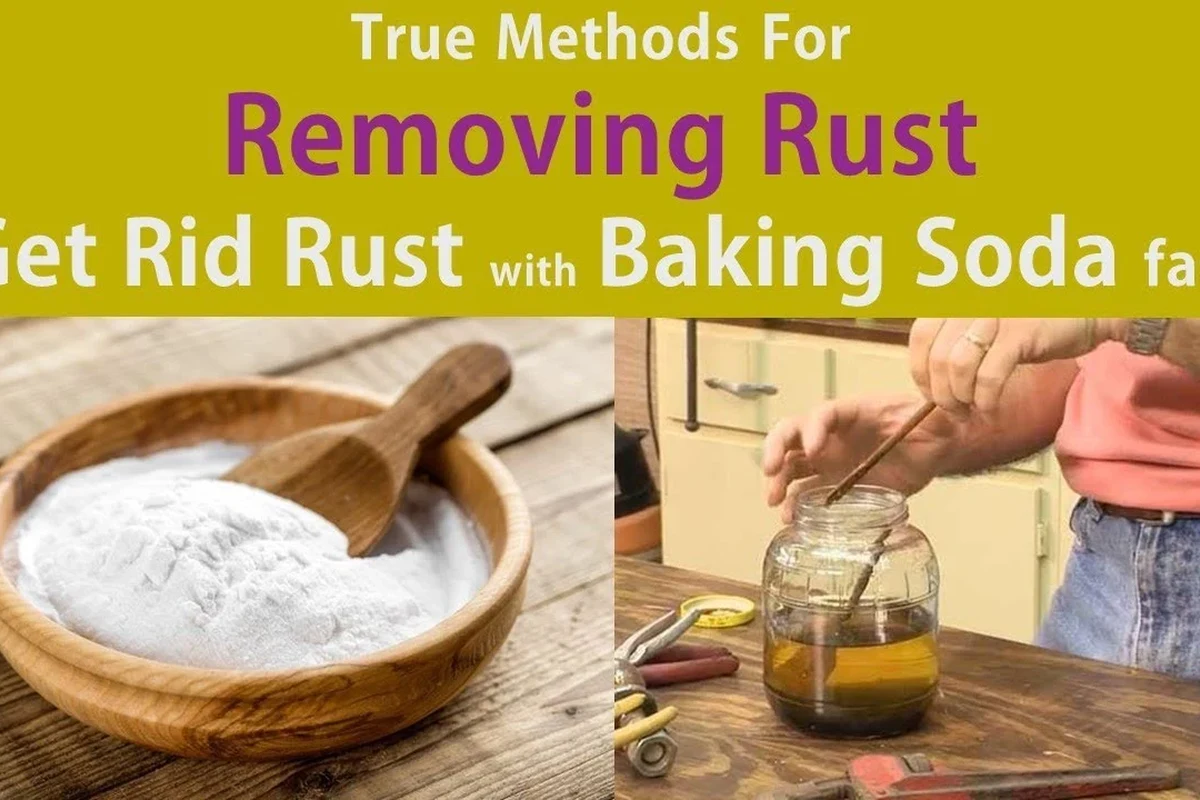
Baking soda helps loosen rust because it forms a mild alkaline paste that softens grime and gives you gentle abrasion without the harsh bite of stronger cleaners. In a kitchen setting, that matters because rust often sits on top of the metal first, especially on pans, racks, and utensils that were left damp after washing.
How baking soda lifts surface rust without harsh abrasives
When you mix baking soda with a little water, the paste clings to the rusted spot instead of running off. That gives the cleaner time to work on the oxidized layer while you scrub with a soft cloth, sponge, or non-scratch pad.
The physical action is just as important as the chemistry. Rust on the surface is brittle, so a mildly gritty paste can lift it away without the deeper scratching that steel wool can cause on many kitchen items.
Rust is iron oxide, which forms when iron or steel reacts with moisture and oxygen. That is why drying metal well after washing is one of the best ways to prevent it.
When baking soda is effective and when it is not
Baking soda is most effective on light orange rust, small spots, and early corrosion on items you can safely scrub by hand. It is less effective when the rust has pitted the metal, spread under a coating, or formed thick flakes.
If the piece is deeply corroded, bent, or flaking in layers, a gentle paste may only improve the surface appearance. In that case, a different method or a replacement may be the safer choice.
- Easy to make with pantry ingredients
- Gentle on many kitchen surfaces
- Useful for small rust spots and light buildup
- Slow on heavy rust
- Can be too mild for deep corrosion
- Not suitable for every coated or electrical item
What You Need Before You Start: Tools, Surfaces, and Safety Checks
Before you try to baking soda clean rust, gather a few simple tools and check that the item is safe to treat. A careful setup helps you avoid scratching the finish, trapping moisture, or damaging a part that should not get wet.
Best tools for applying and scrubbing the paste
You do not need specialty equipment. A small bowl, water, baking soda, a soft cloth, a sponge, and an old toothbrush are usually enough for most kitchen jobs.
For tight corners, a toothbrush works well because it can reach seams and rivets without digging into the metal. Keep the pressure light at first, then increase only if the rust is lifting cleanly.
Which rusted items are safe to treat with baking soda
Baking soda is usually a good option for stainless steel spots, some carbon steel tools, cookie sheets, muffin tins, and other small kitchen hardware. It can also help on cast iron as part of a rust-removal and re-seasoning routine, as long as you dry and protect the surface afterward.
If you are unsure about a finish, test a small hidden area first. That is especially important for vintage items, painted metal, plated surfaces, and anything with a decorative coating.
- Confirm the item is metal and not an electrical appliance part.
- Check for peeling coatings, loose parts, or deep pitting.
- Choose a small hidden test spot if the finish is uncertain.
- Keep towels nearby so the item can be dried right away.
Safety concerns for coated metal, sharp edges, and electrical items
Do not soak electrical items, heating elements, or any part with a cord in water or paste. For appliance care, always follow the manufacturer’s instructions, since some finishes and internal parts can be damaged by moisture.
Sharp edges on rusted pans or racks can cut your hands while scrubbing, so wear gloves if needed. If a coating is already peeling, avoid aggressive scrubbing, because that can spread the damage and expose more bare metal.
Never use a wet paste on plugged-in appliances, exposed wiring, or parts that are not meant to get wet. If an item is heavily rusted and structurally weak, stop and replace it instead of forcing a cleanup.
Step-by-Step Method to Clean Rust with Baking Soda Fast
This method is best for small to moderate surface rust. It is simple, but the order matters: make the paste, let it sit, scrub gently, then rinse and dry completely.
How to make the right baking soda paste consistency
Mix baking soda with just enough water to make a thick paste, similar to soft toothpaste. If it is too runny, it slides off the rust and works less effectively.
The paste drips off the rusted area before it can work.
Add more baking soda until the mixture clings to the surface. For vertical spots, a thicker paste usually stays in place better.
Spread the paste over the rusted area with your fingers or a cloth. Cover the full spot slightly beyond the visible rust so the edge is treated too.
How long to let it sit for light, medium, and stubborn rust
For light rust, a short rest is often enough before scrubbing. For medium rust, give the paste more time so it can loosen the oxidation and dried residue.
For stubborn spots, you may need to reapply once or twice rather than leaving the metal wet for too long. In a kitchen, repeated gentle treatments are usually safer than one aggressive round.
Mix a thick paste and spread it over the rusted area.
Let it sit long enough to loosen the rust, then check progress.
Scrub, rinse, and dry the item completely before storing it.
How to scrub, rinse, and dry the surface properly
Use a soft cloth, sponge, or toothbrush and scrub in small circles or short strokes. The rust should start to dull and lift away as the paste turns slightly discolored.
Rinse the item well to remove all residue, then dry it immediately with a clean towel. For items that can rust again quickly, let them air-dry fully for a short time before putting them away.
Always dry metal thoroughly after cleaning. Even a small amount of trapped moisture can restart rust, especially in seams, corners, and around rivets.
Real-World Examples: Cleaning Kitchen Tools, Bakeware, and Small Metal Items
Most people use baking soda rust removal on everyday kitchen items, where the goal is to save useful tools without damaging them. The best results usually come from small rust spots, not from large areas of heavy corrosion.
Removing rust from baking pans, cookie sheets, and muffin tins
These items often rust around scratched corners, worn edges, and spots where water sits after washing. Baking soda can help lift the early rust and make the surface look cleaner, especially if you catch it before the corrosion spreads.
Use a thin paste on the affected area, then scrub gently with a non-scratch pad. If the pan is nonstick or coated, be extra careful, because too much abrasion can remove the finish and make future rust or sticking more likely.
Treating utensils, racks, and small hardware around the kitchen
Metal utensils, cooling racks, and small screws or brackets around the kitchen can also develop rust if they stay damp. A toothbrush works well on these pieces because it can reach narrow gaps and textured spots.
If you are cleaning rack wires or hardware with many joints, rinse carefully so no paste remains trapped in crevices. Leftover residue can make the surface look dull or chalky after it dries.
For cast iron, baking soda can help remove light rust, but the pan usually needs to be dried completely and re-seasoned afterward. Without that protective layer, rust can return quickly.
When a second treatment is enough and when to switch methods
If the rust is lighter after one round but not fully gone, a second baking soda treatment is reasonable. That is often enough for small kitchen items that only have surface discoloration.
If the rust barely changes after two careful tries, switch methods instead of scrubbing harder. At that point, the item may need a stronger rust remover, a vinegar-based approach, or replacement depending on the metal and how important the piece is.
Common Mistakes That Make Rust Come Back or Spread
Rust cleanup often fails because of what happens after the scrubbing, not during it. Leaving the item damp or roughing up the surface too much can make the problem return faster.
Using too much water and leaving metal damp
Too much water thins the paste and leaves moisture behind in seams and edges. That extra dampness is one of the fastest ways to encourage new rust.
Use only enough water to make the paste hold together. After rinsing, dry the item right away and do not stack it away while it is still cool and damp.
Scrubbing too aggressively and damaging the surface finish
Hard scrubbing can remove protective coatings or scratch polished metal. Once the finish is damaged, rust can form more easily in the roughened area.
Gentle pressure is usually the best starting point. If you need a stronger scrubber, step up slowly and stop as soon as the rust begins to lift.
- Start with a soft cloth or sponge
- Test a hidden area on uncertain finishes
- Dry the item completely after rinsing
- Using steel wool on delicate finishes
- Soaking parts that should stay dry
- Putting the item away while damp
Skipping drying, seasoning, or protective storage after cleaning
Cleaning is only half the job. If the item is meant to stay uncoated, you still need to store it in a dry place and keep it away from humidity.
For cast iron or other seasoned cookware, follow the cleaning with a light protective layer if that is appropriate for the item. For other metal tools, dry storage and good airflow are usually the main defenses.
How to Handle Stubborn Rust: Boosting Baking Soda with Other Safe Methods
Sometimes baking soda alone is not enough. When the rust is thicker or older, a different mild acid or a combination method may work better, but the metal type matters a lot.
When vinegar, lemon juice, or salt may help more than baking soda alone
Vinegar or lemon juice can be more effective on stubborn rust because the acid helps break down oxidation. Salt can add a little extra scrubbing power, though it should still be used carefully to avoid scratching or leaving residue behind.
These methods are better for some bare metal items than for delicate coated surfaces. If you use an acidic cleaner, do not leave it on too long, and rinse thoroughly afterward.
Best for light rust, gentle cleaning, and kitchen items that need a mild touch.
Best for tougher rust on bare metal, with careful timing and thorough rinsing.
How to avoid overcorroding delicate metals
Some metals and finishes react badly to acids, long soaking, or repeated scrubbing. That is why it helps to work in short rounds and check the surface often.
If the item is plated, painted, or decorative, start with the mildest method possible. A cleaner that is too strong can remove more than the rust and leave the surface worse than before.
Signs the item is too far gone for DIY cleaning
If the metal feels soft, flakes apart, or has deep pits that catch a fingernail, the damage may be structural rather than cosmetic. In that case, cleaning will not restore the item to safe use.
For cookware, especially anything that touches food, replace items that are badly weakened, warped, or shedding rust repeatedly. If you are unsure, it is safer to stop and choose a new piece.
Preventing Rust After Cleaning: Drying, Storage, and Maintenance Habits
The easiest way to deal with rust is to prevent it from returning. Good drying habits and smart storage matter more than any single cleaning trick.
Best drying practices for cookware and tools
Dry metal items immediately after washing with a towel, then let them sit in open air if needed. Pay attention to seams, handles, rolled edges, and rivets, since those spots trap moisture.
If the item is cast iron or carbon steel, make sure the surface is fully dry before applying any protective oil or seasoning step. That extra care helps lock out moisture before rust can start again.
How to store metal items in humid kitchens
Humidity can make even clean metal rust over time. Store pans, racks, and tools in a dry cabinet or drawer, and avoid sealing them away while they are still warm and damp.
If your kitchen stays humid, give metal items a little breathing room so air can circulate. Crowded storage can trap condensation and create the same problem you just cleaned.
Routine care to keep rust from returning
Check stored metal items now and then for early orange spots. Catching rust early makes baking soda rust removal much easier and keeps the cleanup small.
For frequently used bakeware, a quick wash, immediate drying, and proper storage are usually enough. That simple routine protects the finish better than occasional heavy scrubbing.
Final Verdict: Is Baking Soda the Fastest Easy Fix for Rust?
Baking soda is one of the easiest first steps for light rust on kitchen tools and bakeware. It is affordable, gentle, and practical when the goal is to clean surface rust without damaging the item.
Best use cases for baking soda rust removal
Use it for small spots on pans, utensils, racks, and other metal items that can be safely scrubbed by hand. It is especially helpful when you want a mild cleaner and the rust is still early.
When to choose a commercial rust remover instead
Choose a commercial rust remover when the rust is heavy, the item is valuable, or the metal needs a stronger, more controlled treatment. Always follow the product label and the item manufacturer’s care guidance.
Practical recap for choosing the safest and most effective method
If the rust is light, start with baking soda clean rust treatment, dry the item well, and repeat once if needed. If the rust is deep, spreading, or affecting structural strength, move to a stronger method or replace the item rather than forcing a fix.
Baking soda is the safest easy first try for surface rust on many kitchen metal items, especially when you want a gentle, low-cost method. For heavy rust or delicate finishes, match the cleaner to the metal and stop before the surface is damaged.
Frequently Asked Questions
For light rust, a short wait is often enough before scrubbing. For medium rust, let the paste sit longer and check progress before repeating the treatment.
Yes, it can help remove light rust from cast iron. After cleaning, dry the pan completely and re-season it so the rust does not come back.
It may be safe only if the manufacturer allows gentle hand cleaning and the rust is very light. Test carefully, because harsh scrubbing can damage the coating.
Baking soda is usually better for gentle cleaning and light rust. Vinegar may work better on stubborn rust, but it can be too strong for some metals and finishes.
Rust often returns when metal stays damp or is stored in a humid area. Dry the item fully and store it in a dry place to reduce the chance of new rust.
Stop if the metal is deeply pitted, flaking, or structurally weak. In those cases, cleaning may not make the item safe to use.

